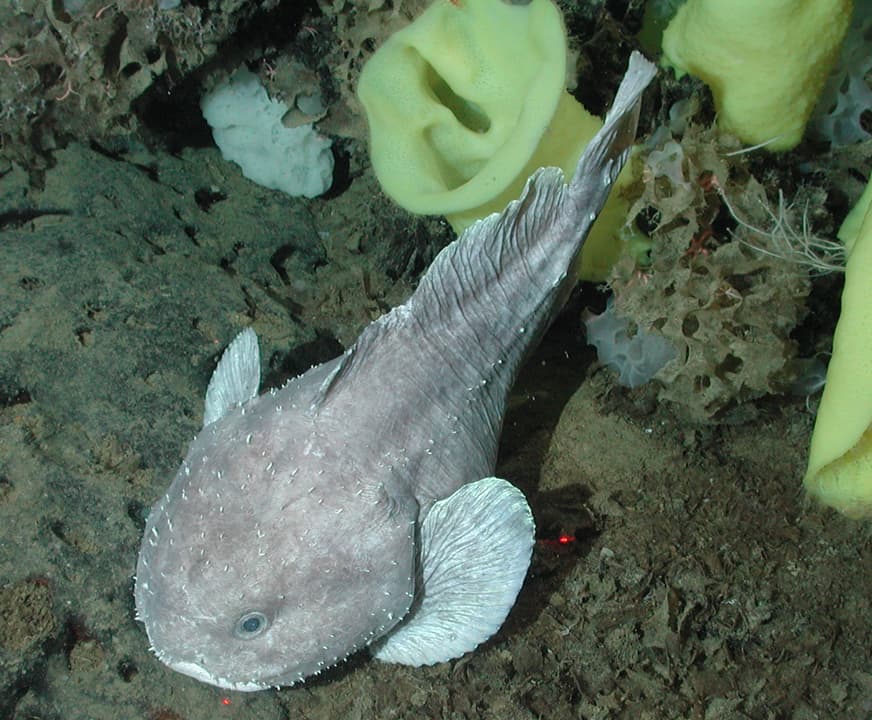
A fish photographed on a research vessel became an internet celebrity. But its familiar face tells only a small part of the blobfish story.
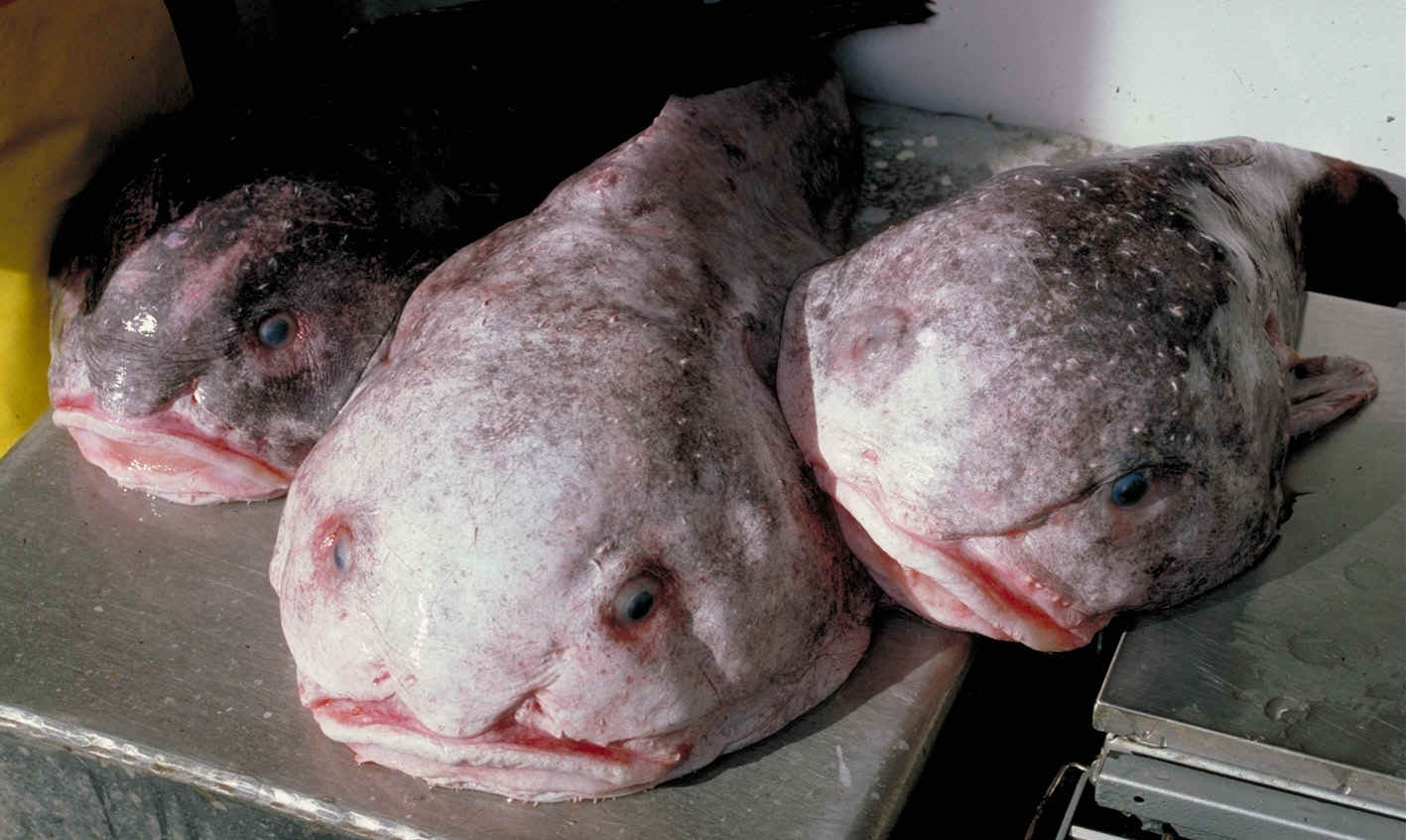
The animal called “Mr Blobby” was collected in 2003. To understand it, we need to look beyond one surface photograph—and be careful about which fish we are actually seeing.
Meet the original Mr Blobby
The Australian Museum identifies Mr Blobby as Psychrolutes microporos. It was collected during the NORFANZ expedition on the Norfolk Ridge, northwest of New Zealand, from a trawl spanning depths of 1,013 to 1,340 meters.
Scientists and crew aboard the research vessel gave it the nickname. The specimen now belongs to the museum’s fish collection.
Its soft body was not adapted to being out of water. Preservation subsequently changed its appearance again. The familiar picture therefore records a collected specimen, rather than a living fish behaving normally in its habitat.
“Blobfish” is not a single photograph—or a single species
The museum explains that blobfishes and fathead sculpins belong to a group of fishes with large heads and loose skin. Several species share these common names.
One relative is the blob sculpin, Psychrolutes phrictus. Smithsonian Ocean describes it from the North Pacific, between the Bering Sea and Southern California, feeding on small invertebrates.
That species appears in the featured seafloor photograph here. It is not the same species as Mr Blobby. A picture of a related fish should never be presented as a verified “before” photograph of the famous specimen.
A body suited to deep water
Te Ara, the Encyclopedia of New Zealand, describes jelly-like, low-density flesh in Psychrolutes fishes as an alternative to relying on a gas-filled swim bladder for buoyancy.
Pressure increases greatly with depth. Life there favors bodies and strategies quite different from those familiar in shallow-water aquariums.
That context helps us appreciate the animal without treating a surface image as its whole identity.
Look with curiosity rather than judgment
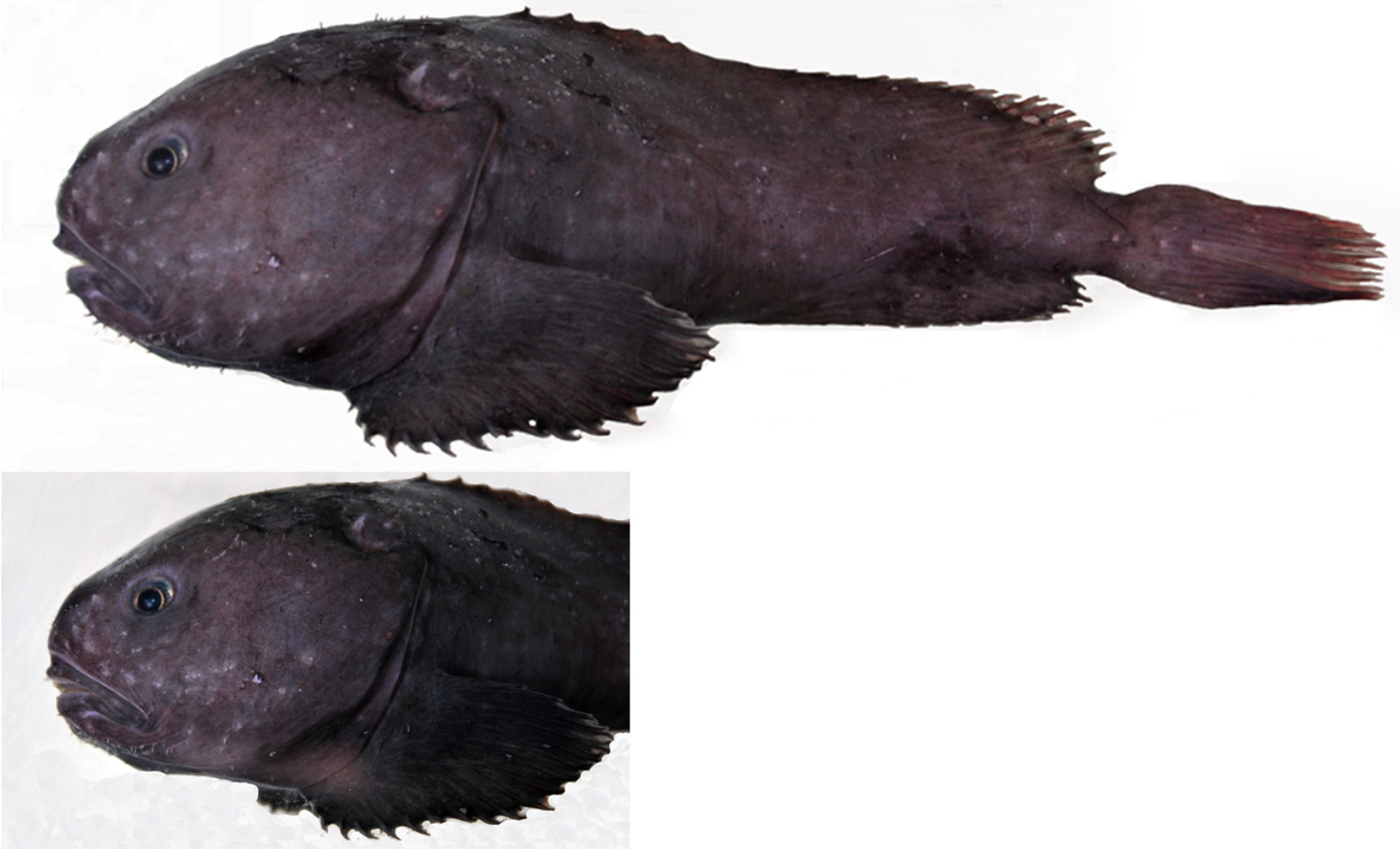
The Australian Museum notes substantial gaps in knowledge about these fishes. A famous face does not mean scientists have a complete account of the animal’s life.
Deep-sea research, careful records, and accurately labeled images all help replace a meme with understanding.
The real wonder is not whether a blobfish looks attractive to us. It is that the deep ocean supports animals so well suited to a world we rarely see.
Photo credits
Featured image: NOAA/MBARI — Public domain.

Body image 1: NOAA — Public domain.

Body image 2: D. ROSS ROBERTSON, ARTURO ANGULO, CAROLE C. BALDWIN, DIANE PITASSY, AMY DRISKELL, LEE WEIGT, IGNACIO J.F. NAVARRO — CC BY 3.0.

Photographs are illustrative. Image adaptations remain under their respective source licenses.