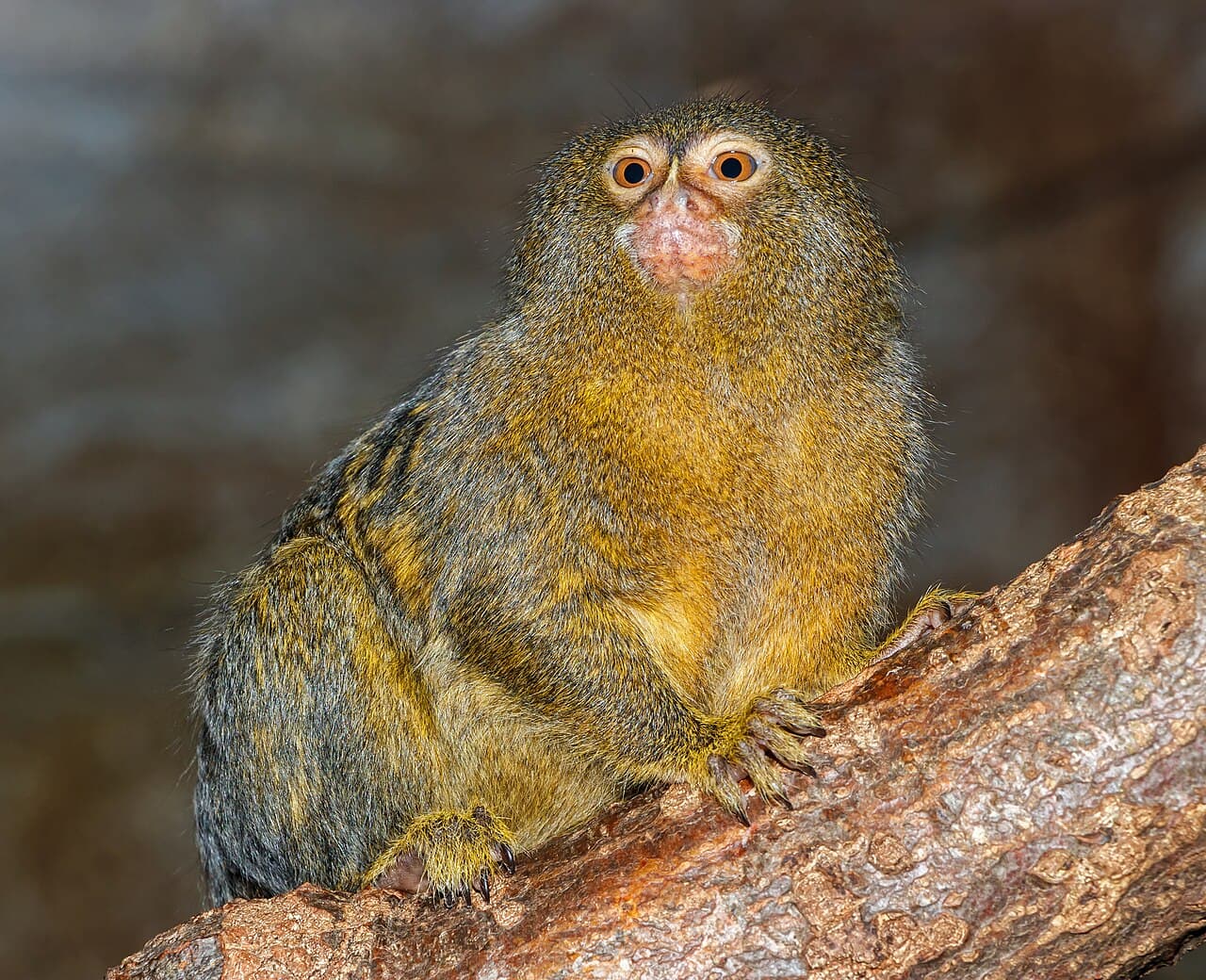
A baby pygmy marmoset may be tiny, but raising it takes more than one pair of hands. Fathers and other family members help carry the young, turning childcare into a shared effort.
These small Amazon monkeys offer a lovely reminder: in nature, survival can depend on cooperation as much as strength.
A family among the branches
Pygmy marmosets live in small groups. Their lives unfold along tree trunks and branches, where they search for food and keep in touch with calls.
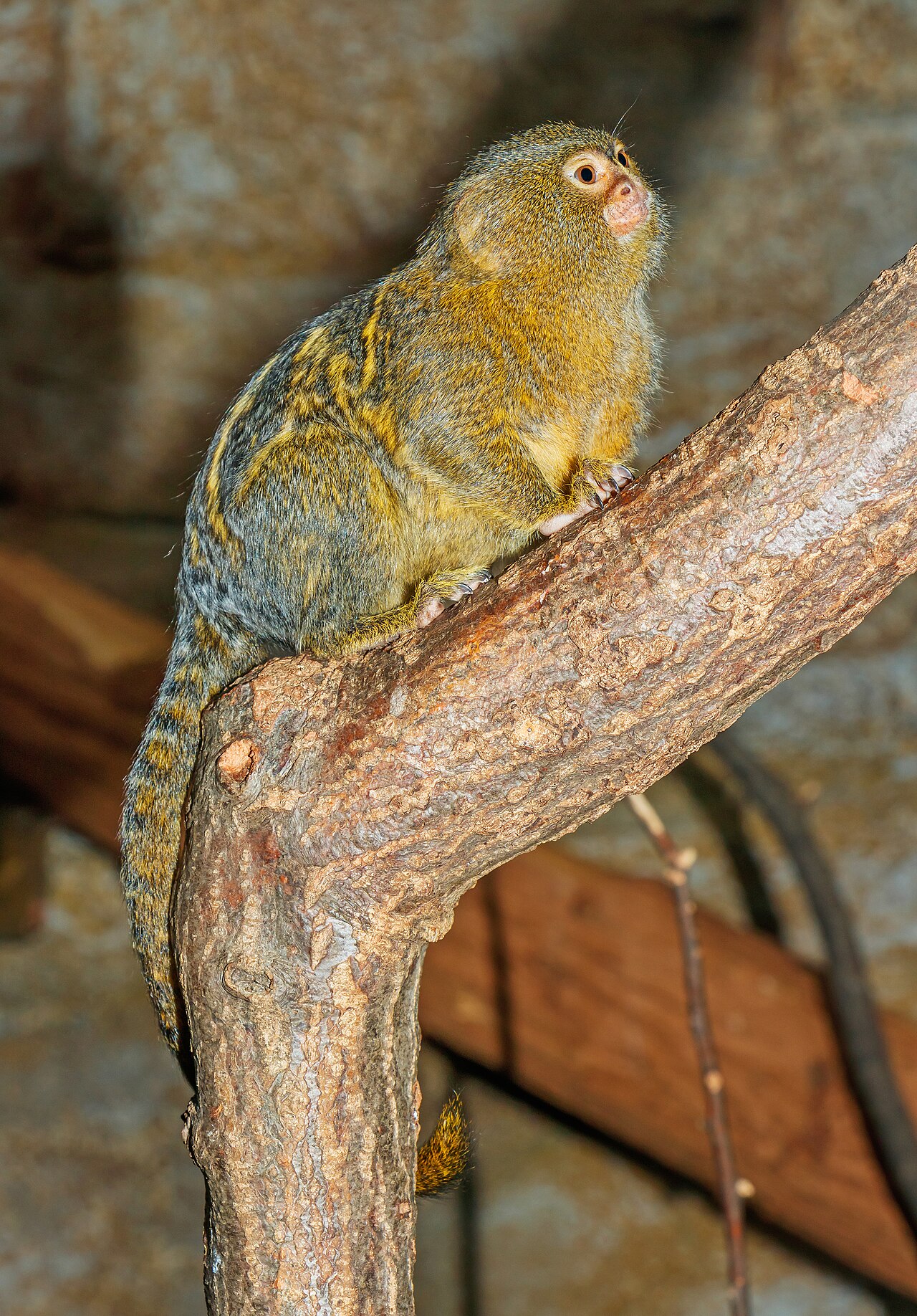
Their bodies are suited to this close-up forest world. Clawlike nails help them grip bark, and their long tails help with balance. Unlike some larger South American monkeys, they do not use their tails as grasping hands.
Dad does the carrying, too
The mother nurses her infants, but she does not have to transport them alone. Fathers play an important role in carrying babies.
According to the New England Primate Conservancy, other group members can help with infant care as well. This system is called cooperative breeding.
Carrying a growing baby while climbing is demanding work. Sharing that task gives the mother opportunities to feed while the young remain close to the family.
More than a free ride
As youngsters grow, family life also involves learning where to move and what to eat. Helpers can share food with young animals.
Tree gum is an important part of the pygmy marmoset diet. Specialized teeth let adults open small wounds in bark and return to feed on the flow. Family relationships and food trees are both parts of the same forest routine.
Keep the family in the forest
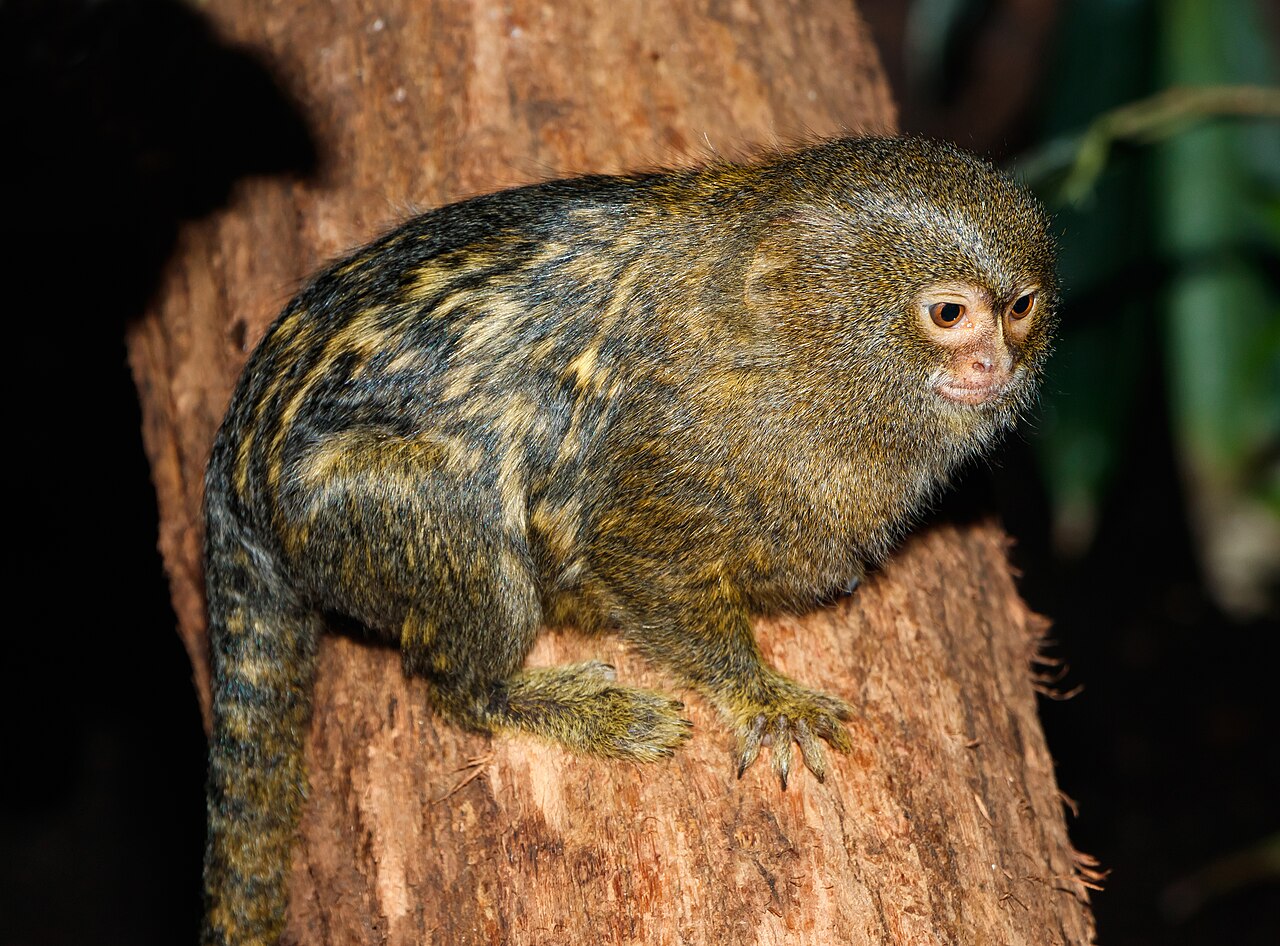
The pet trade can turn a social wild animal into an isolated attraction. Forest loss also removes feeding and shelter trees.
Protecting pygmy marmosets means protecting their habitat and respecting their lives as wild primates. Their small size may catch our attention first, but their shared care for the next generation gives us a deeper reason to marvel.
Photo credits
Featured image: H. Zell; Wikimedia Commons source; CC BY-SA 3.0. Resized for web display.

Body image 1: H. Zell; Wikimedia Commons source; CC BY-SA 3.0. Resized for web display.

Body image 2: H. Zell; Wikimedia Commons source; CC BY-SA 3.0. Resized for web display.
