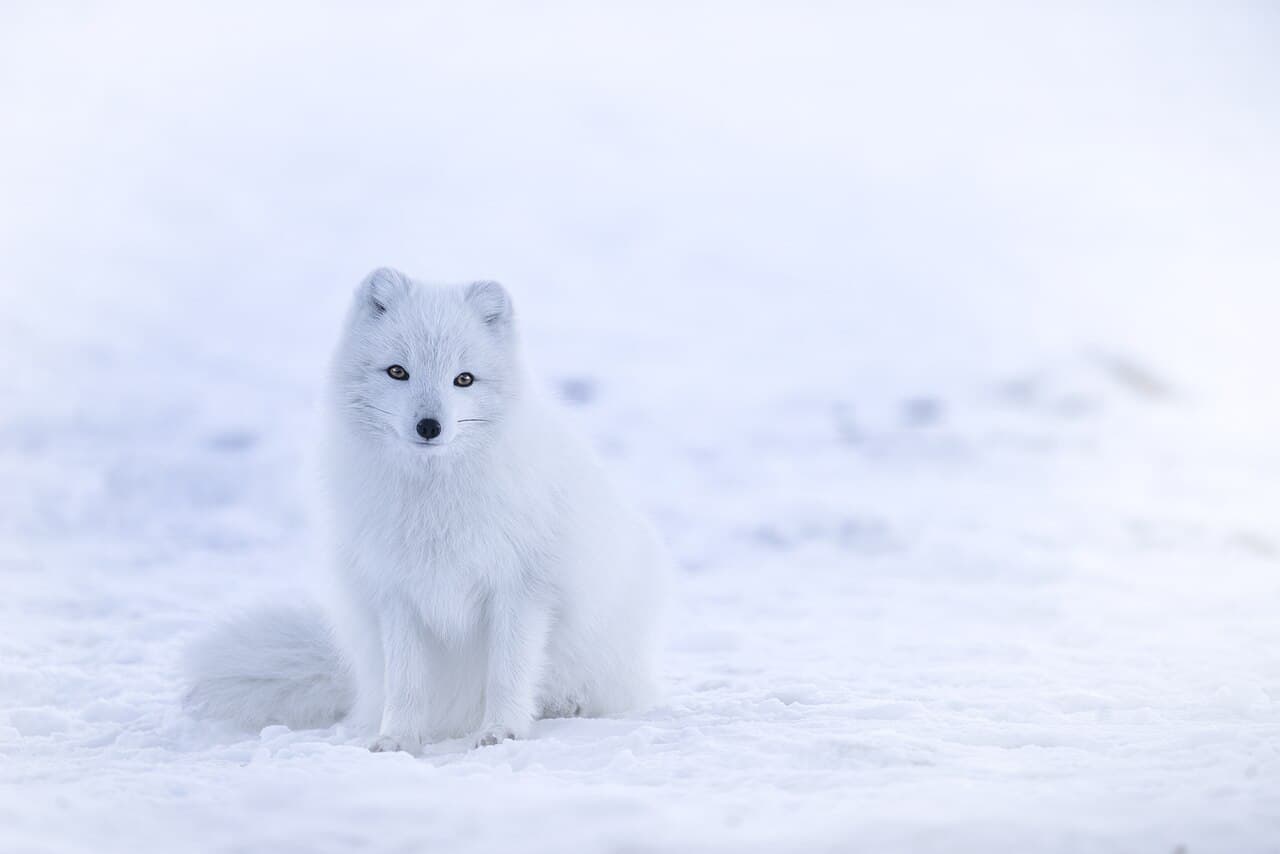
An Arctic fox can look like a different animal when winter arrives. A brown summer coat may give way to thick white fur that blends into snow. Yet some Arctic foxes follow another pattern: they stay dark.
That difference makes this small northern hunter more fascinating than the familiar snowy photographs suggest.
Two ways to dress for winter
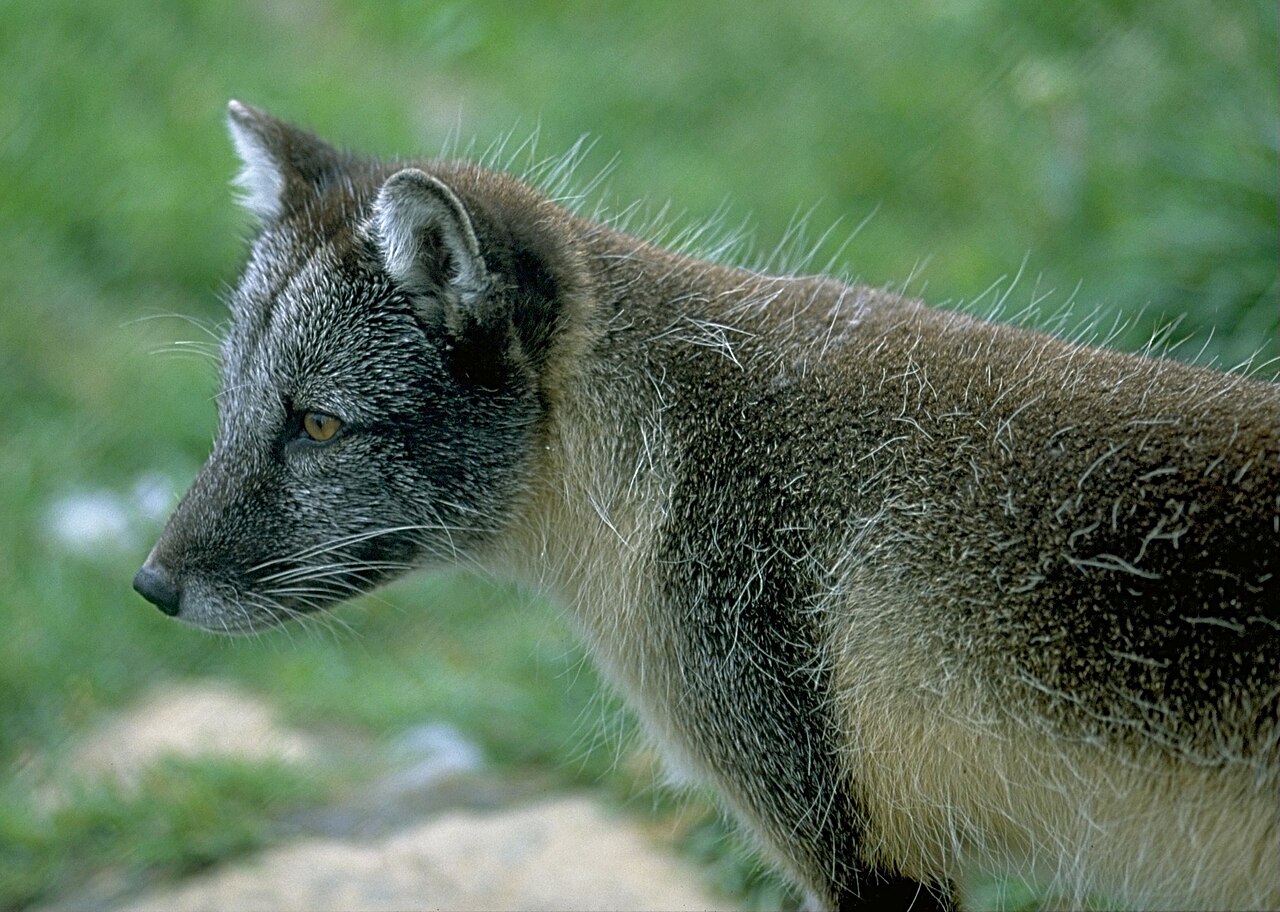
The Government of the Northwest Territories describes white and blue color forms, often called morphs.
White-morph foxes become mostly white in winter and darker in summer. Blue-morph foxes have darker coats year-round, although their shade changes with the season. “Blue” describes a smoky dark color, rather than bright blue fur.
A coat that does more than hide
Camouflage is only part of the story. The winter coat also provides insulation. A fox must hold on to body heat while moving, hunting, and resting in an exposed landscape.
Its compact body, small ears, and furry feet suit this cold setting. When curled up, its bushy tail can help cover the face.
The Alaska Department of Fish and Game explains that seasonal appearance and color forms are normal features of the species, not signs that a fox is a different kind of animal.
A flexible northern menu
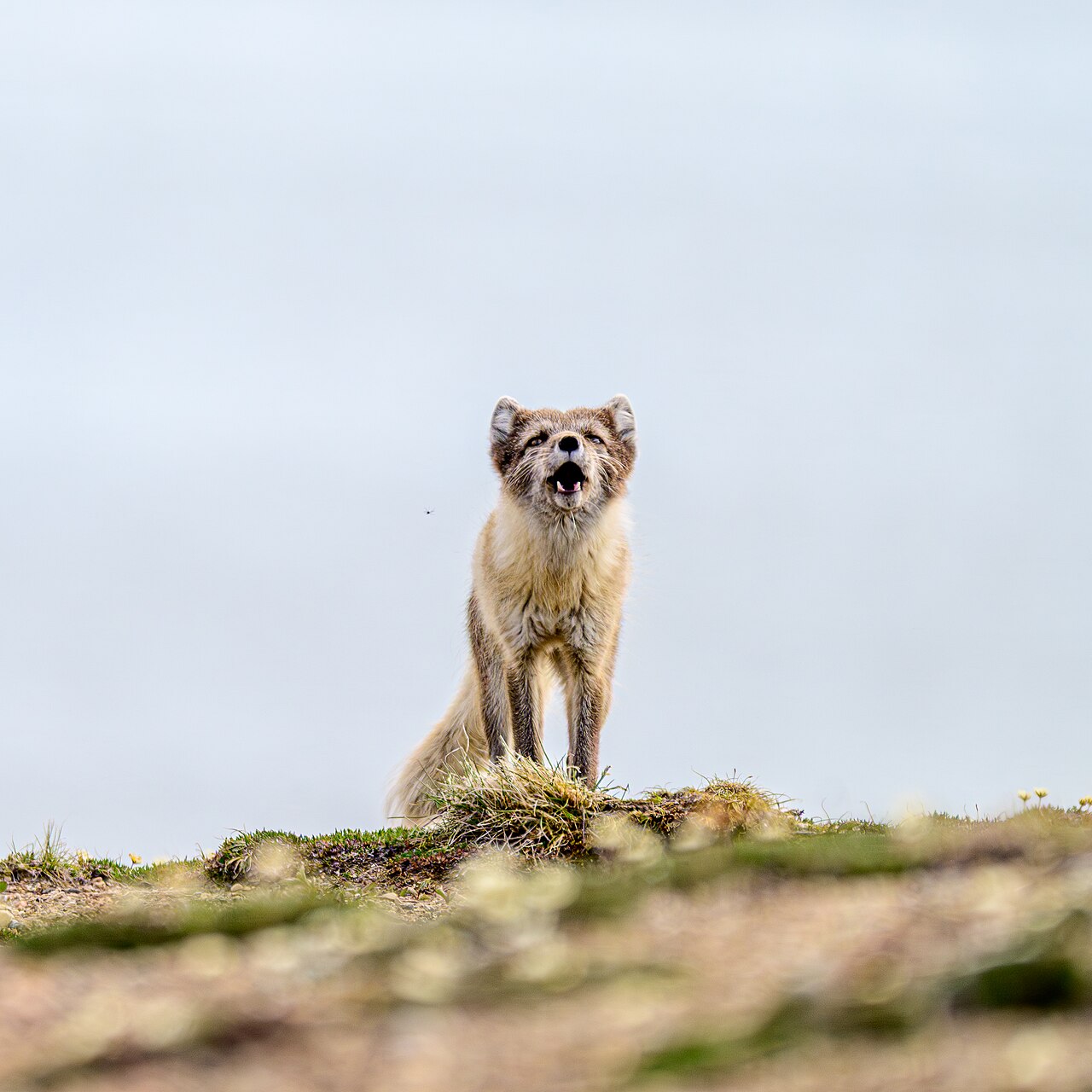
Arctic foxes eat small animals and make use of other available food, including carrion. Food supplies change across places and seasons, so flexibility matters.
At Kobuk Valley National Park, these foxes belong to a wider northern food web. Their fortunes are tied to prey, weather, and the habitats around them.
Look beyond the white coat
Changing Arctic conditions make long-term wildlife monitoring important. A single beautiful winter photograph cannot tell us how a whole population is doing.
The Arctic fox is remarkable in every season. Sometimes nature's best winter outfit is white—and sometimes it is wonderfully dark.
Photo credits
Featured image: Jonatan Pie (unsplash.com/@r3dmax); Wikimedia Commons source; CC0. Resized for web display.

Body image 1: Andreas Tille; Wikimedia Commons source; CC BY-SA 4.0. Resized for web display.

Body image 2: Stephan Sprinz; Wikimedia Commons source; CC BY 4.0. Resized for web display.
