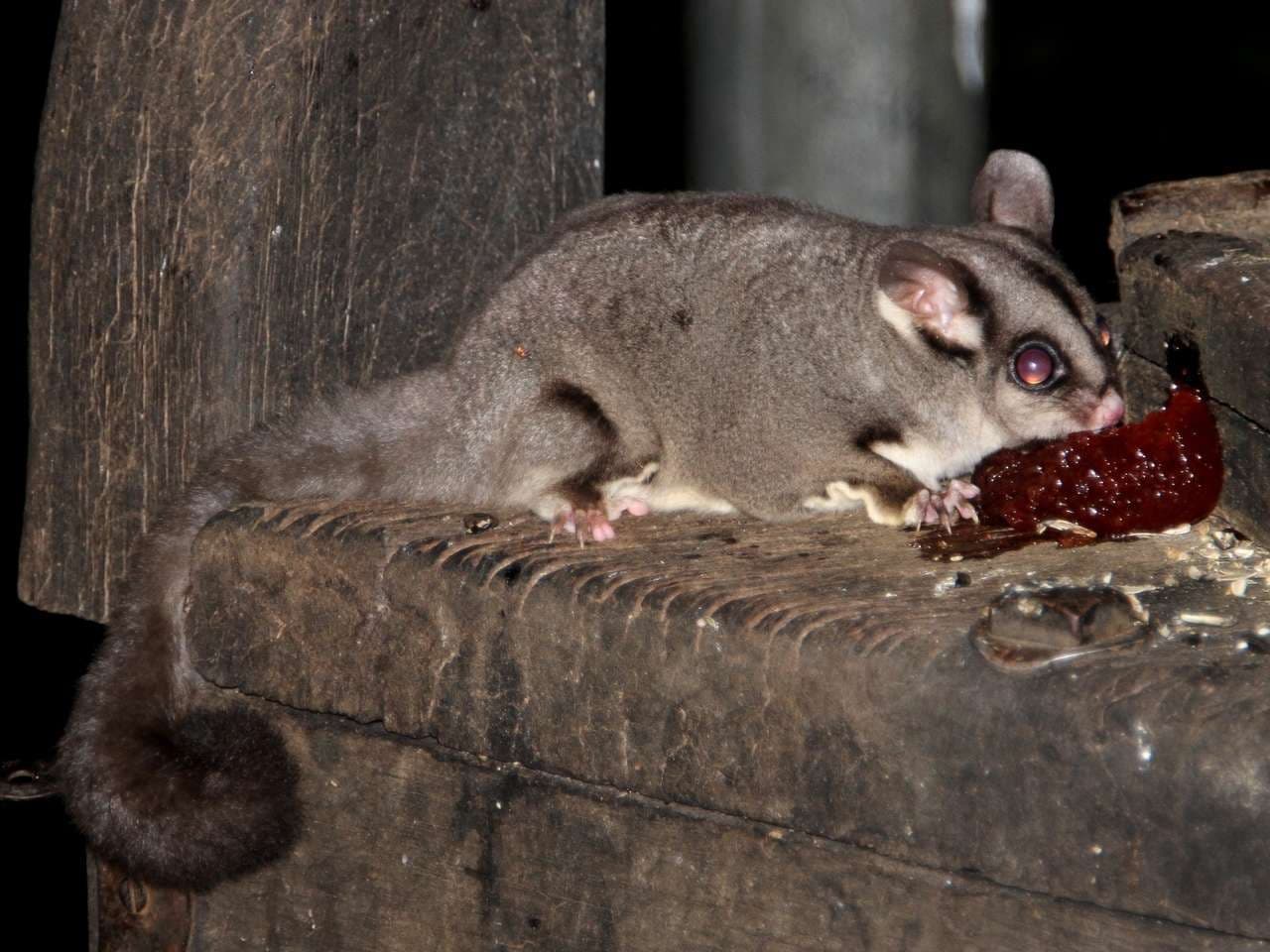
A sugar glider can leave one tree and reach another without a single wingbeat. It spreads a thin sheet of skin between its limbs and turns a leap into a controlled glide.
This small night-active marsupial makes the spaces between branches part of its habitat.
A living gliding surface
The gliding membrane stretches from the fifth finger to the ankle. Spreading the limbs opens this surface; changing body position helps the animal control its path.
The Australian Museum reports glides of up to about 50 meters for the closely related species in this group. The long tail helps with stability and steering.
Gliding differs from powered flight. The animal launches from a height and travels downward through the air, rather than flapping upward like a bird.
The name hides a discovery
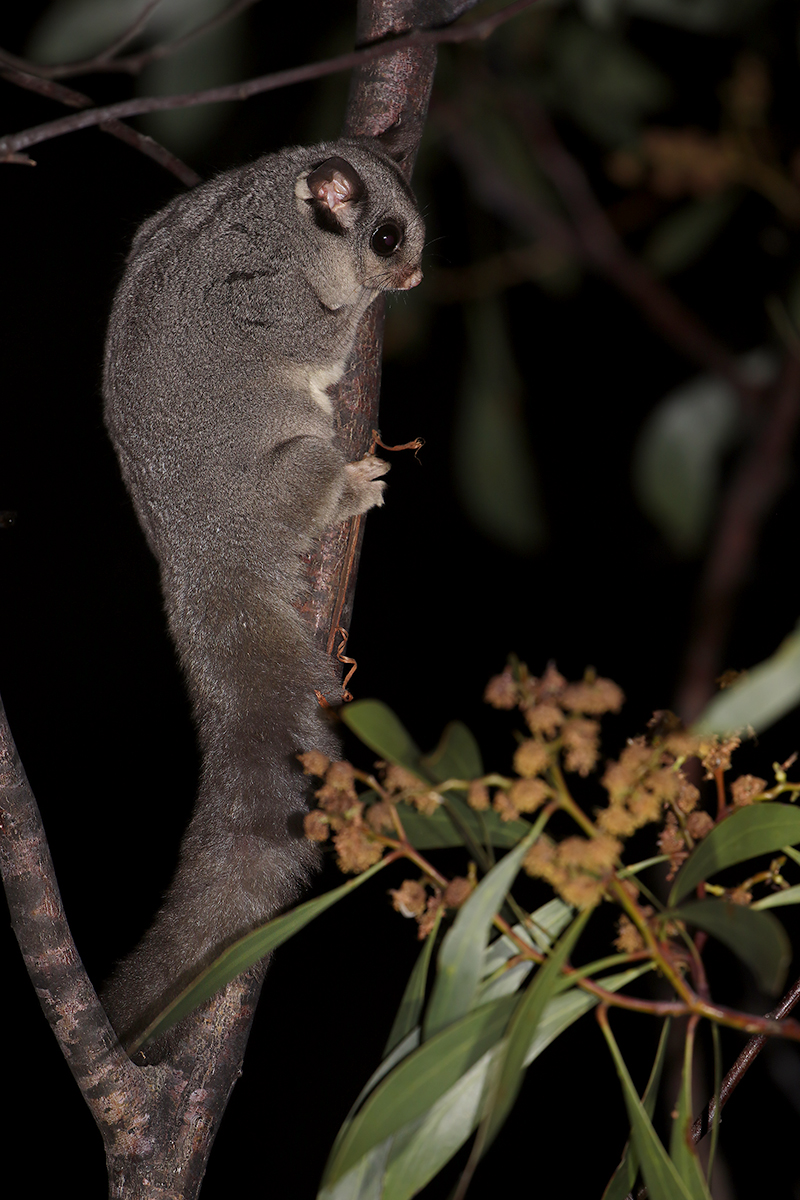
Older books used “sugar glider” for a much wider-ranging animal. Research published in 2021 recognized three species: the sugar glider, savanna glider, and Krefft's glider.
Under that revision, Petaurus breviceps, the sugar glider itself, lives in coastal eastern Australia. Older photographs and records may still use the earlier name for related gliders. The photographs here include such older catalogue labels.
Night life needs old trees
By day, these gliders shelter in tree hollows. At night they search for insects and plant foods such as nectar and gum.
The NSW Field of Mars Environmental Education Centre explains why connected canopies and hollow-bearing trees matter: they provide routes, feeding sites, and places to raise young.
Protect the space between trees
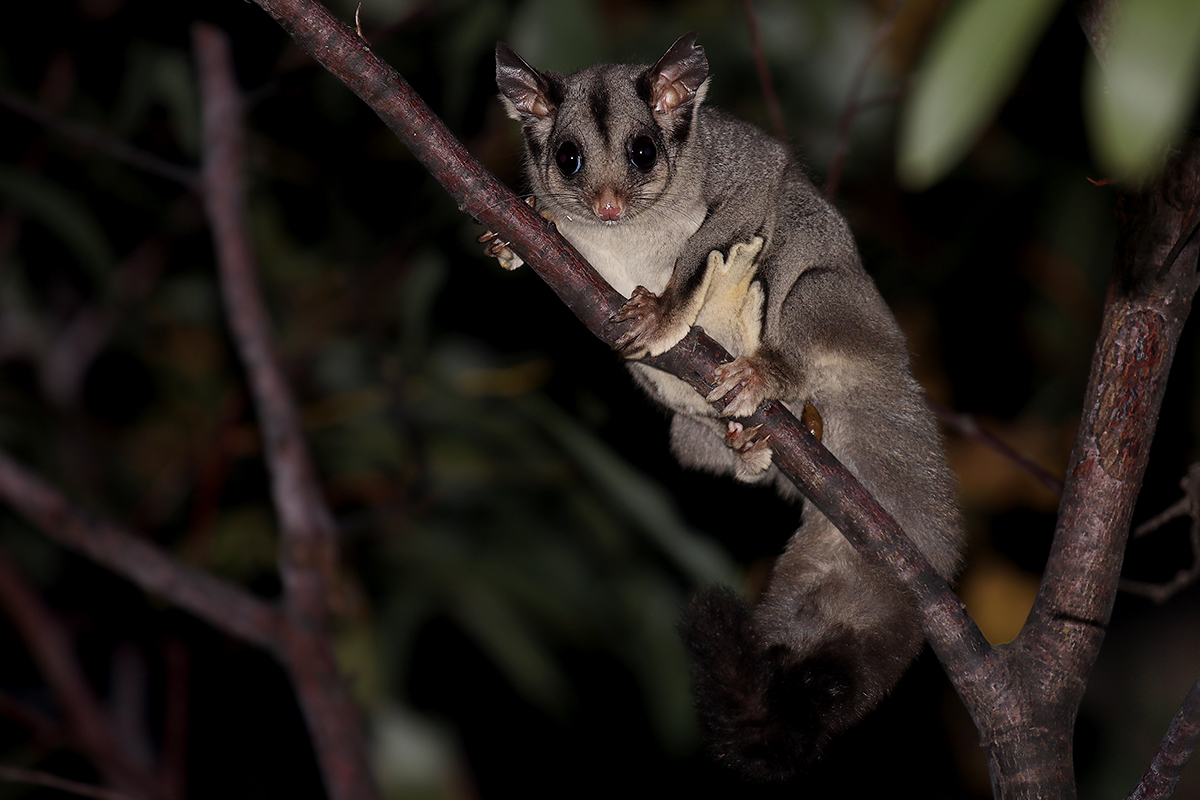
Keeping a patch of trees is only part of the challenge. Gliders also need useful connections between feeding and shelter areas.
Their story gives an old hollow tree new meaning. It can be a bedroom, a nursery, and the starting point for a remarkable journey through the dark.
Photo credits
Featured image: Russell Best; Wikimedia Commons source; CC BY 4.0. Resized for web display.

Body image 1: patrickkavanagh; Wikimedia Commons source; CC BY 2.0. Resized for web display.

Body image 2: patrickkavanagh; Wikimedia Commons source; CC BY 2.0. Resized for web display.
