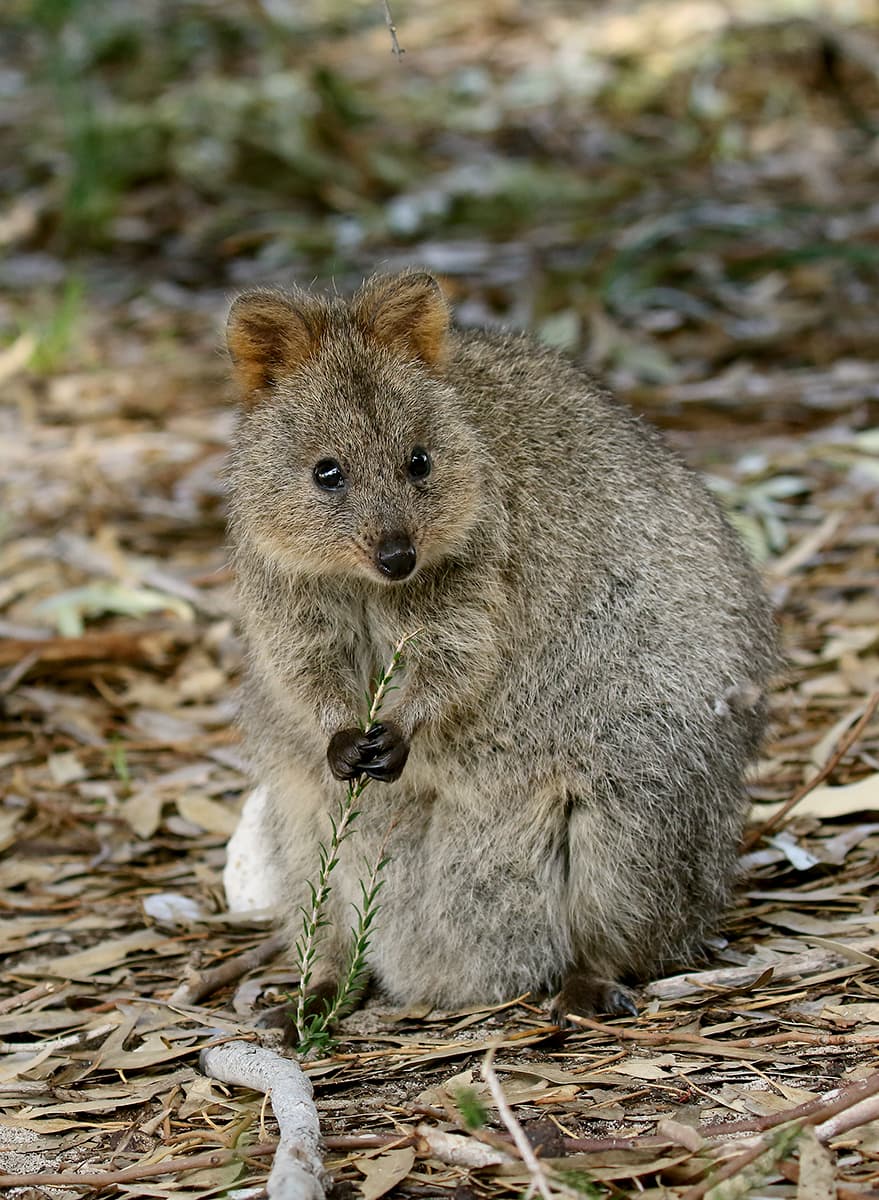
The quokka’s face can look as if it is smiling for a photograph. But a familiar expression is not proof that a wild animal wants to be touched.
Behind the internet nickname is a small wallaby with its own feeding habits, shelter needs, and conservation challenges.
A small marsupial from Western Australia
The quokka, Setonix brachyurus, belongs to the same wider group of marsupials as kangaroos and wallabies.
Perth Zoo describes its gray-brown fur, rounded ears, and plant-based diet. Young growth, leaves, and grasses are among its foods.
The species is strongly associated with Wadjemup, also known as Rottnest Island. It also survives in parts of mainland southwestern Australia, so the island is not its entire wild range.
A face is not a mood meter
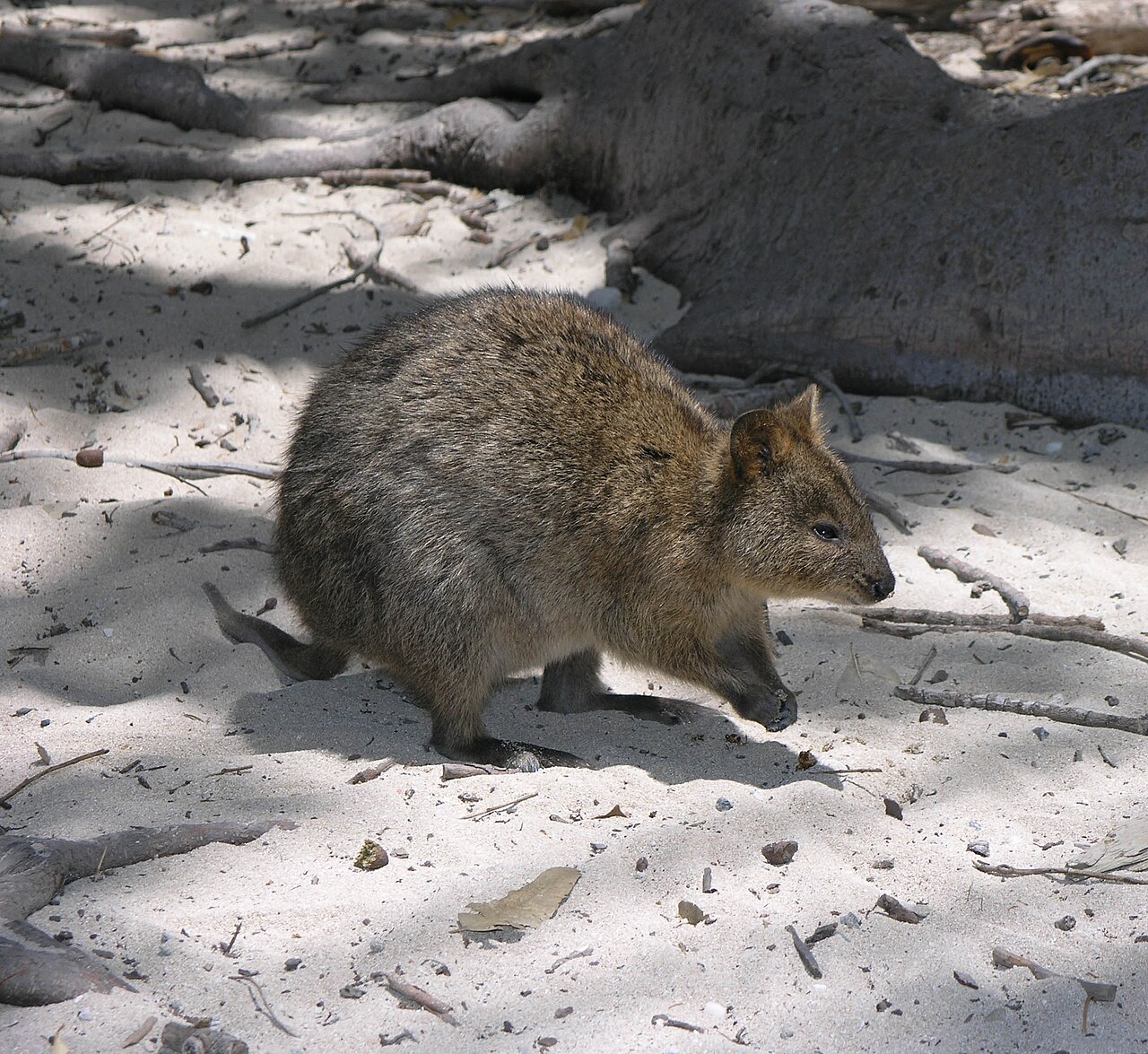
People are naturally drawn to faces that resemble human expressions. A quokka’s mouth shape can look cheerful without telling us precisely what it is feeling.
Tourism photographs record a moment, not a guarantee of an animal’s comfort. The most useful response to a curious quokka is to give it room to continue its normal behavior.
Famous on an island, vulnerable elsewhere
Australia’s Department of Climate Change, Energy, the Environment and Water lists the quokka as Vulnerable under national legislation.
The department describes mainland populations as isolated compared with the species’ former distribution. Suitable vegetation and shelter are important, especially in the wetter southwestern habitats it still occupies.
An abundant-looking animal at a popular visitor site can therefore conceal a more difficult story across its wider range.
A better way to enjoy an encounter
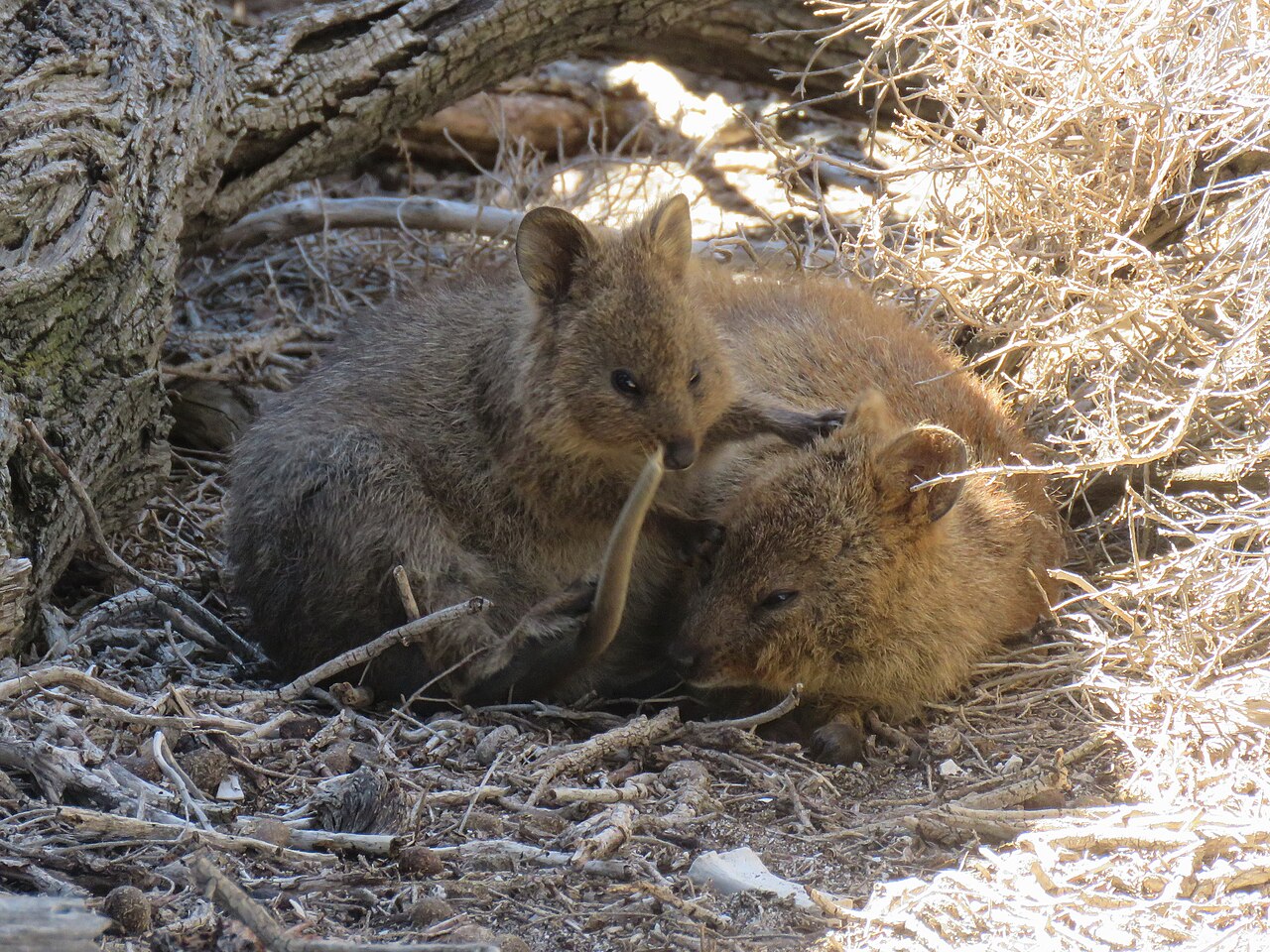
The Rottnest Island Authority asks visitors not to feed or touch wildlife and to let animals forage naturally.
Food offered for a photograph can change behavior and harm health. A good wildlife image should not depend on a snack, a chase, or a hand pulling the animal closer.
The quokka’s appeal needs no exaggeration. A small wallaby moving through its own habitat is already worth watching—and letting it remain wild is the best way to honor that memorable face.
Photo credits
Featured image: patrickkavanagh — CC BY 2.0.

Body image 1: en:User:SeanMack — CC BY-SA 3.0.

Body image 2: Donald Hobern from Copenhagen, Denmark — CC BY 2.0.

Photographs are illustrative. Captive animals, regional landscapes, and research specimens are identified in their captions. Image adaptations retain their respective source licenses.