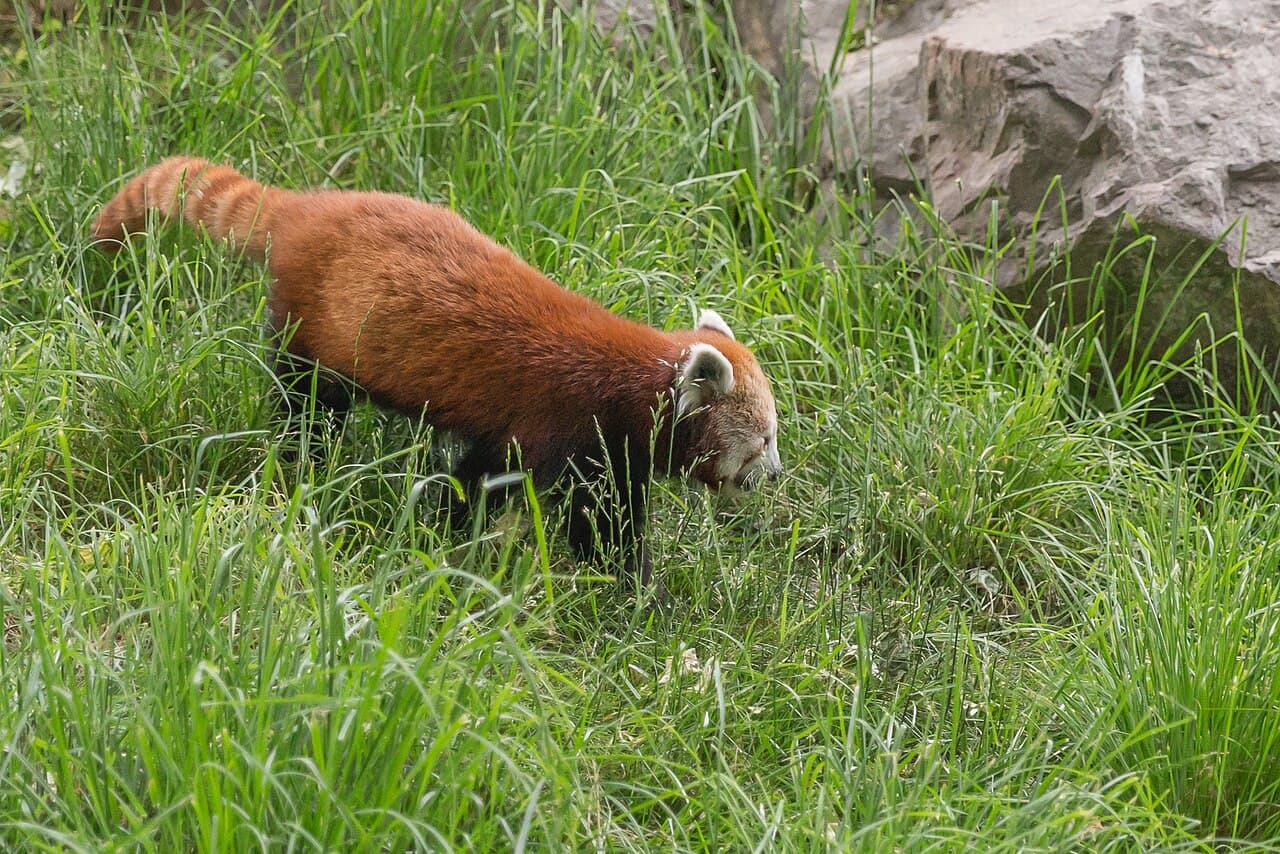
A red panda’s bushy tail does more than complete its charming appearance. It helps with balance in the trees and can wrap around the body in cold weather.
That useful tail is one of several features that make this small Asian mammal a skilled forest specialist.
A climber equipped for cold forests
The Smithsonian’s National Zoo describes a dense coat, fur-covered feet, and a long tail that helps protect against cold and wind.
Flexible ankles help red pandas move headfirst down trunks. The body that looks soft and rounded in a resting photograph is also equipped for climbing.
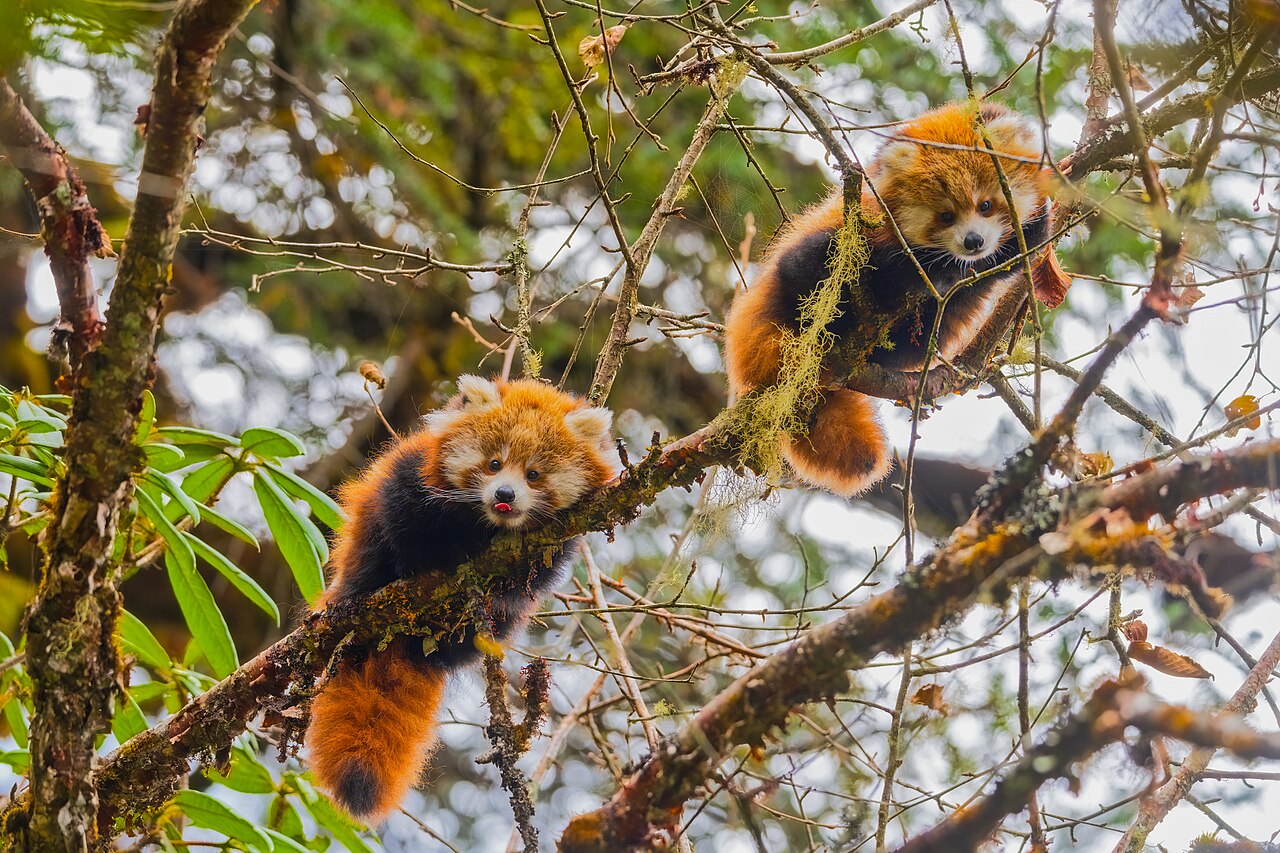
Their reddish coat can blend with mosses and lichens on trees. Color makes more sense when we imagine the animal among branches rather than against a plain background.
A “thumb” made from a wrist bone
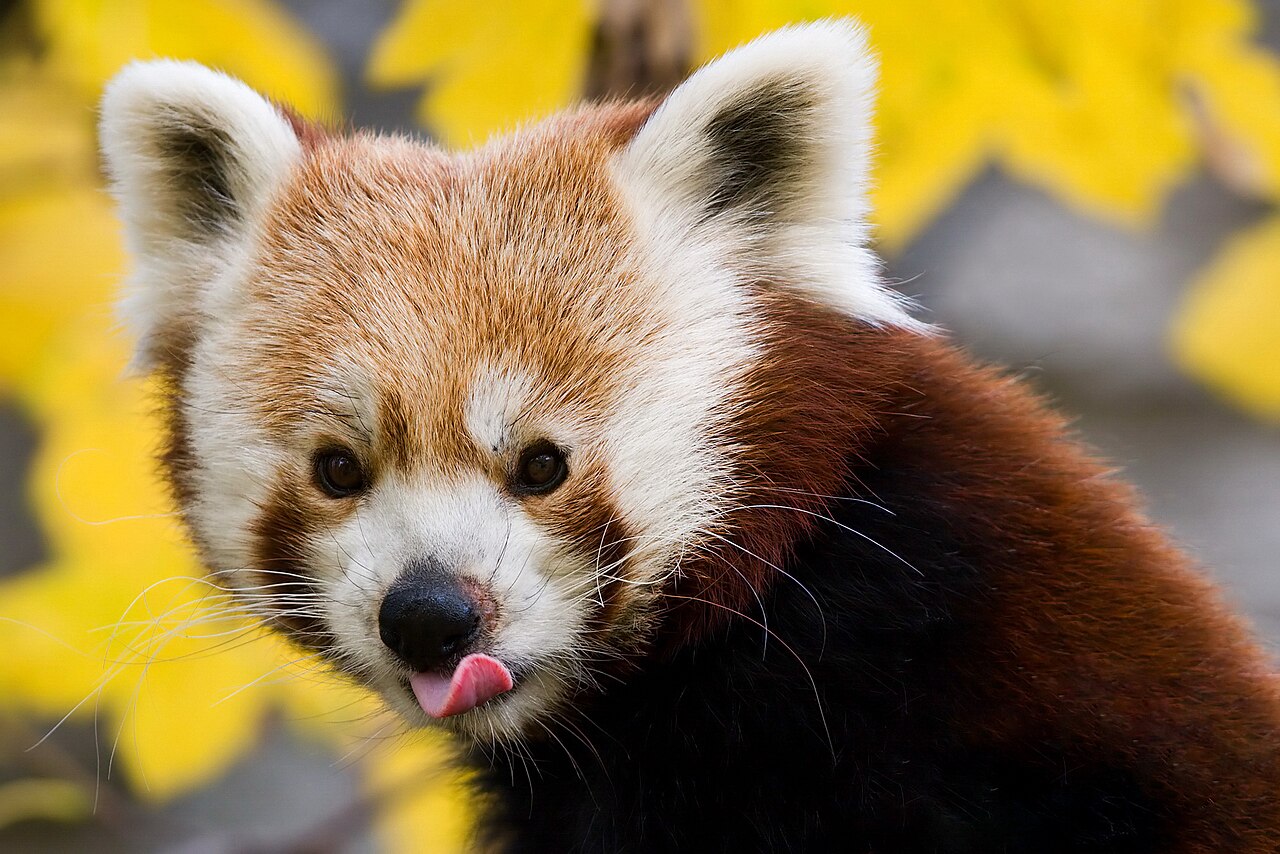
Red pandas eat a great deal of bamboo. A modified wrist bone forms a false thumb that helps them grasp it.
This is not a sixth finger identical to a human thumb. It is an anatomical feature that performs a useful gripping function.
Despite the shared name and bamboo diet, red pandas are not simply smaller versions of giant pandas. The Smithsonian places them in their own mammal family.
A forest needs to stay connected
Red Panda Network identifies habitat loss and fragmentation among the pressures on wild red pandas.
Livestock grazing can damage food plants and habitat, while free-ranging dogs can bring additional risks. These concerns extend beyond protecting an individual tree where a panda happens to rest.
A connected forest allows animals access to feeding and shelter sites. Small isolated patches cannot automatically replace a functioning landscape.
Appreciation that reaches beyond the photograph
The photographs here include clearly identified red pandas, with locations or captive settings recorded in their credits. A zoo image illustrates the animal; it is not evidence of a new wild sighting.
The tail, wrist bone, paws, and coat each reveal a part of the animal’s way of life.
A red panda’s appearance may make it instantly lovable. Understanding what that body needs gives the affection somewhere useful to go: toward protecting the forests that allow it to climb, feed, and rest.
Photo credits
Featured image: William Crochot (Medium69) — CC BY-SA 4.0.

Body image 1: Christian Mehlführer, User:Chmehl. Edit by Böhringer — CC BY 2.5.

Body image 2: Original: Ganga Raj Sunuwar Derivative work: UnpetitproleX — CC BY-SA 4.0.

Photographs are illustrative. Captive animals, regional landscapes, and research specimens are identified in their captions. Image adaptations retain their respective source licenses.