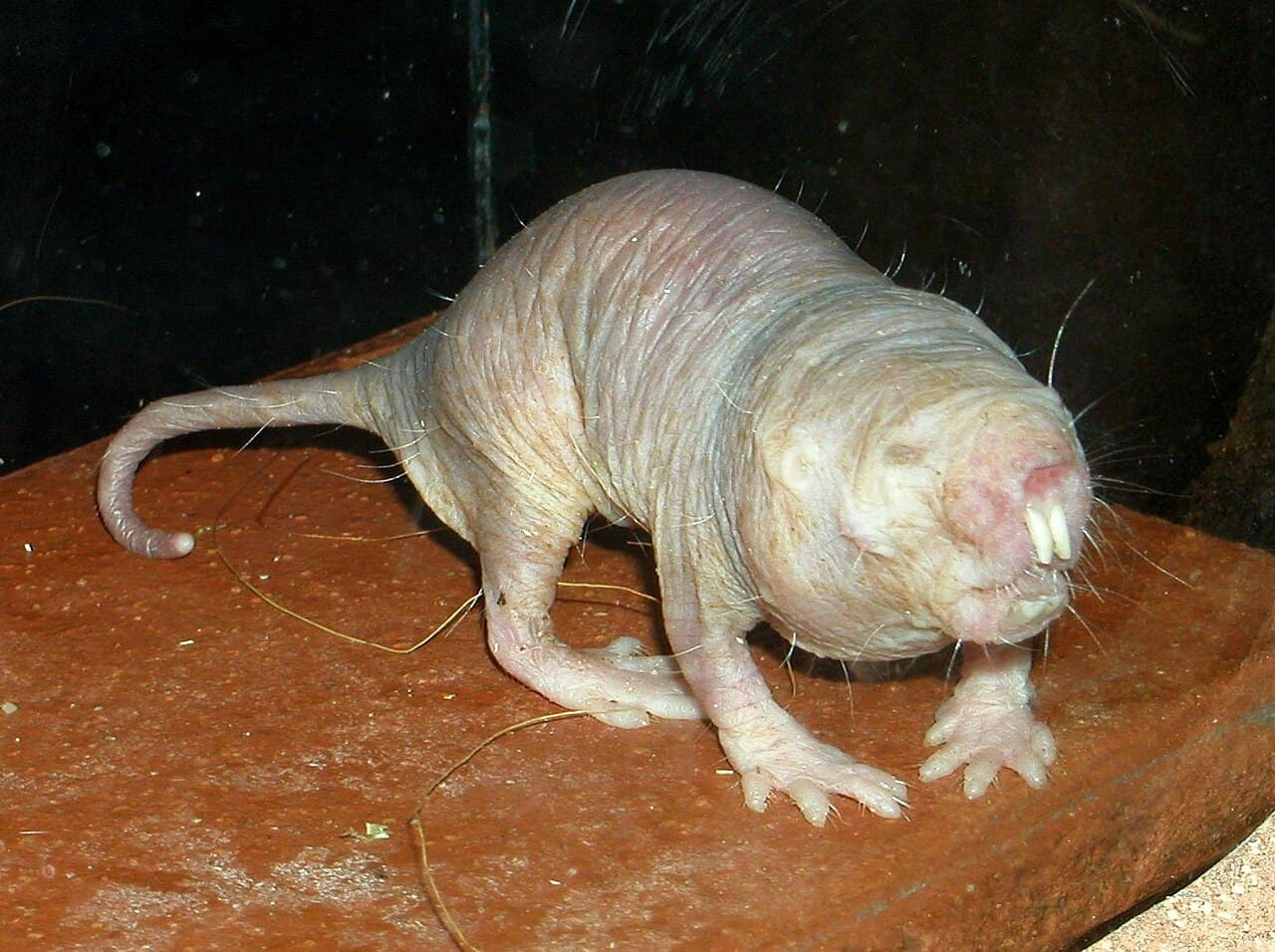
An underground colony of naked mole-rats can organize its life around one breeding female. Other members help maintain tunnels, gather food, and care for young.
The arrangement resembles the division of labor familiar from some social insects. Yet these are mammals: wrinkled rodents native to East Africa.
What makes a mole-rat queen?
The Smithsonian’s National Zoo explains that the queen is the colony’s main breeding female, mating with a small number of males.
Other animals contribute to the group rather than normally producing their own pups. They are not all permanently incapable of reproduction; social conditions within the colony influence breeding.
That distinction matters. “Worker” describes a role, not a separate kind of animal manufactured without the ability to breed.
A shared life in tunnels
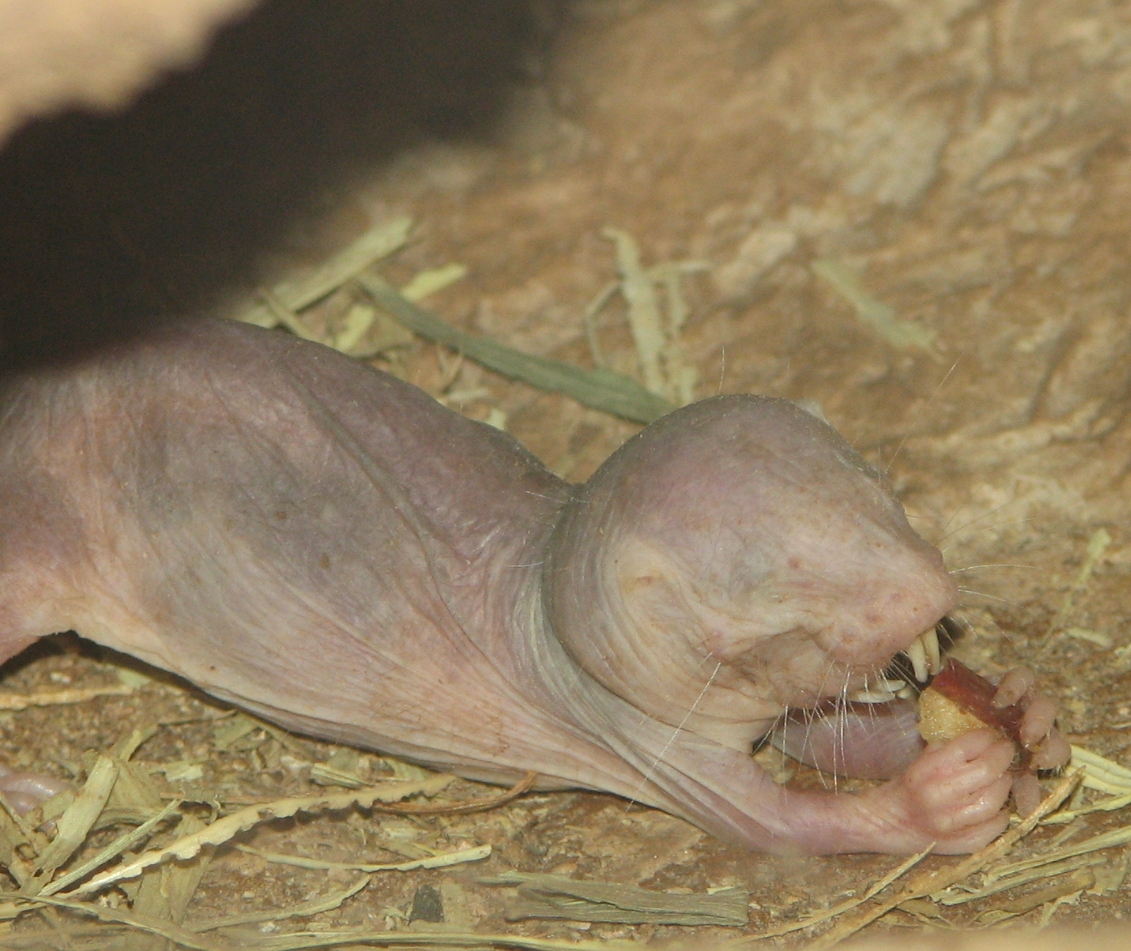
The tunnel system provides access to food and space for the colony’s activities. Living underground changes how an animal experiences temperature, light, and encounters with neighbors.
The zoo’s mole-rat camera guide describes behavior visitors may notice, including animals climbing over one another in narrow passages.
A crowded moment can be part of ordinary movement through the burrow rather than evidence that every interaction is a fight.
A queen’s position can change
The Smithsonian’s account of queen succession explains that competition for the breeding role can be intense.
The social system should not be romanticized as a perfectly peaceful household. Cooperation and conflict can both occur within the same colony.
Observations of individual groups also need context. A transition recorded in one zoo is a documented event, not a guarantee that every wild colony follows an identical script.
An unusual mammal worth understanding
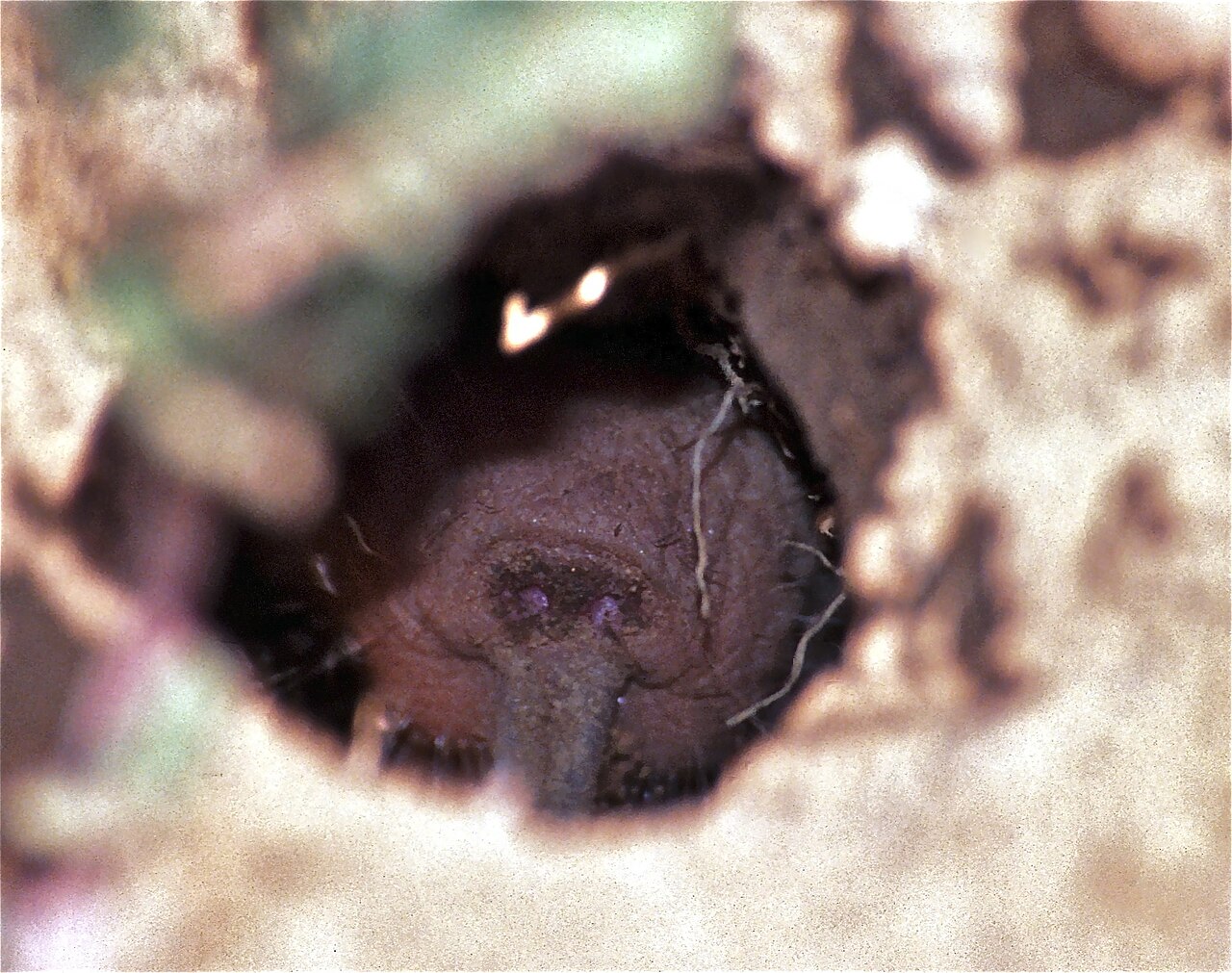
Nearly hairless skin, prominent teeth, and a hidden habitat can make naked mole-rats seem alien. Their social life offers a better starting point than judging their looks.
The central wonder is how many individuals contribute to a shared underground existence.
A naked mole-rat colony asks us to rethink what mammal life can look like. Family, reproduction, and daily work take a form far removed from the solitary rodent many of us imagine.
Photo credits
Featured image: Roman Klementschitz, Wien — CC BY-SA 3.0.

Body image 1: Ltshears - Trisha M Shears — Public domain.

Body image 2: Bernard DUPONT from FRANCE — CC BY-SA 2.0.

Photographs are illustrative. Captive animals, regional landscapes, and research specimens are identified in their captions. Image adaptations retain their respective source licenses.