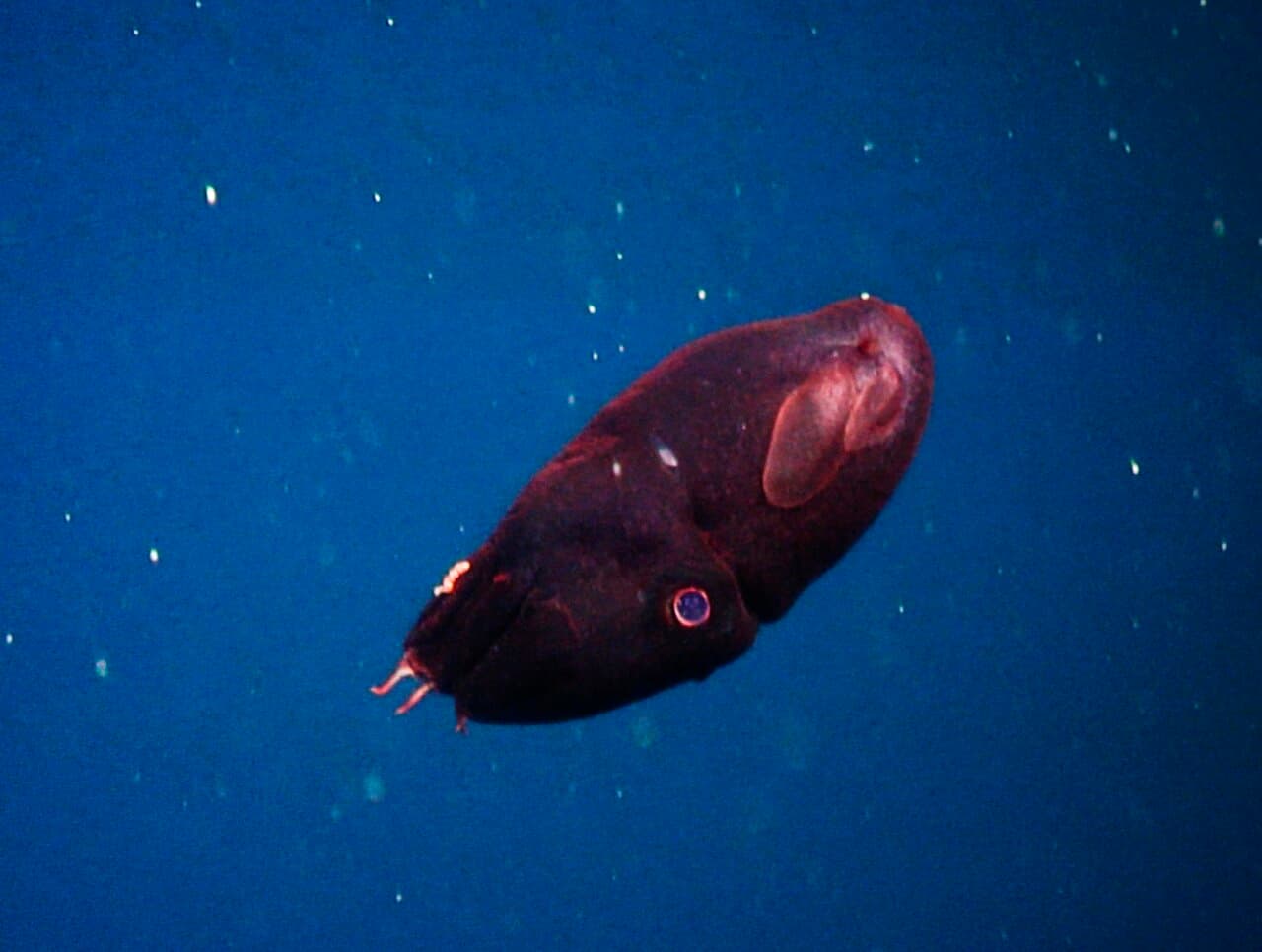
The vampire squid’s name suggests a fierce blood drinker. Its meals tell a very different story: drifting scraps of organic material known as marine snow.
A dark body and webbed arms create a dramatic appearance. Beneath that appearance is a deep-water animal making use of food that sinks from above.
What marine snow really means
MBARI describes marine snow as material including dead plankton, mucus, waste, and other organic particles falling through the water.
The vampire squid, Vampyroteuthis infernalis, uses two long, slender filaments to gather these particles. It then draws the loaded filaments through its arms and transfers food toward the mouth.
This feeding method was established through detailed observations and research, rather than inferred from the animal’s frightening name.
A discovery built on patient observation
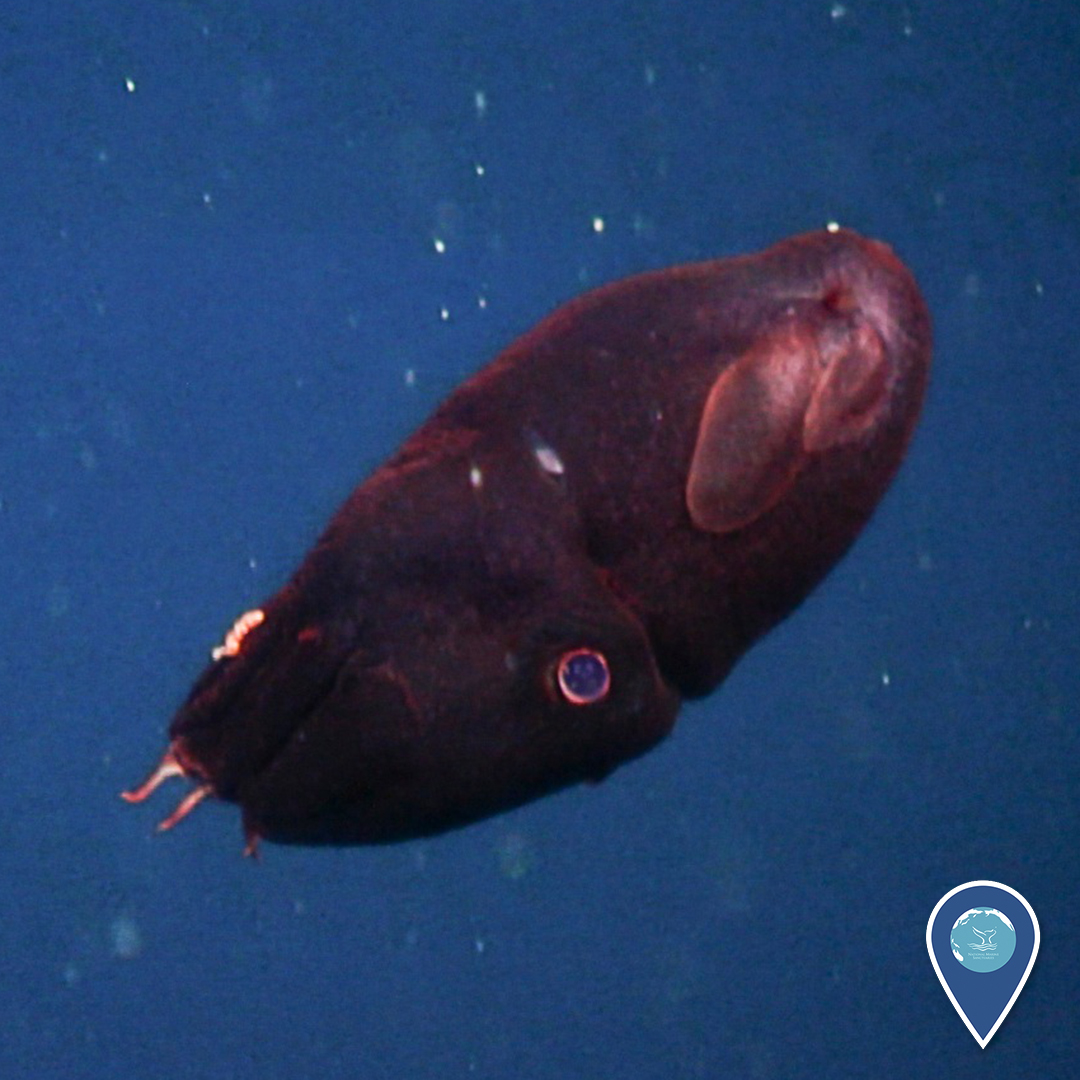
In a 2012 research account, MBARI explained how researchers combined video observations with examination of collected animals.
The result changed the picture of how this cephalopod obtains food. A creature with a dramatic outline was living largely on material that many people would overlook.
“Vampire squid” is also an imperfect biological label. It belongs to a distinct cephalopod lineage rather than being an ordinary squid with an unusual diet.
A cloak for defense
The Monterey Bay Aquarium describes its adaptations to deep water and low oxygen.
When threatened, it can draw its webbed arms over its body, exposing the spiny-looking cirri. This posture changes its outline and helps protect vulnerable parts.
The behavior is not the animal literally turning its entire body inside out. That popular phrase describes an appearance, not a complete anatomical reversal.
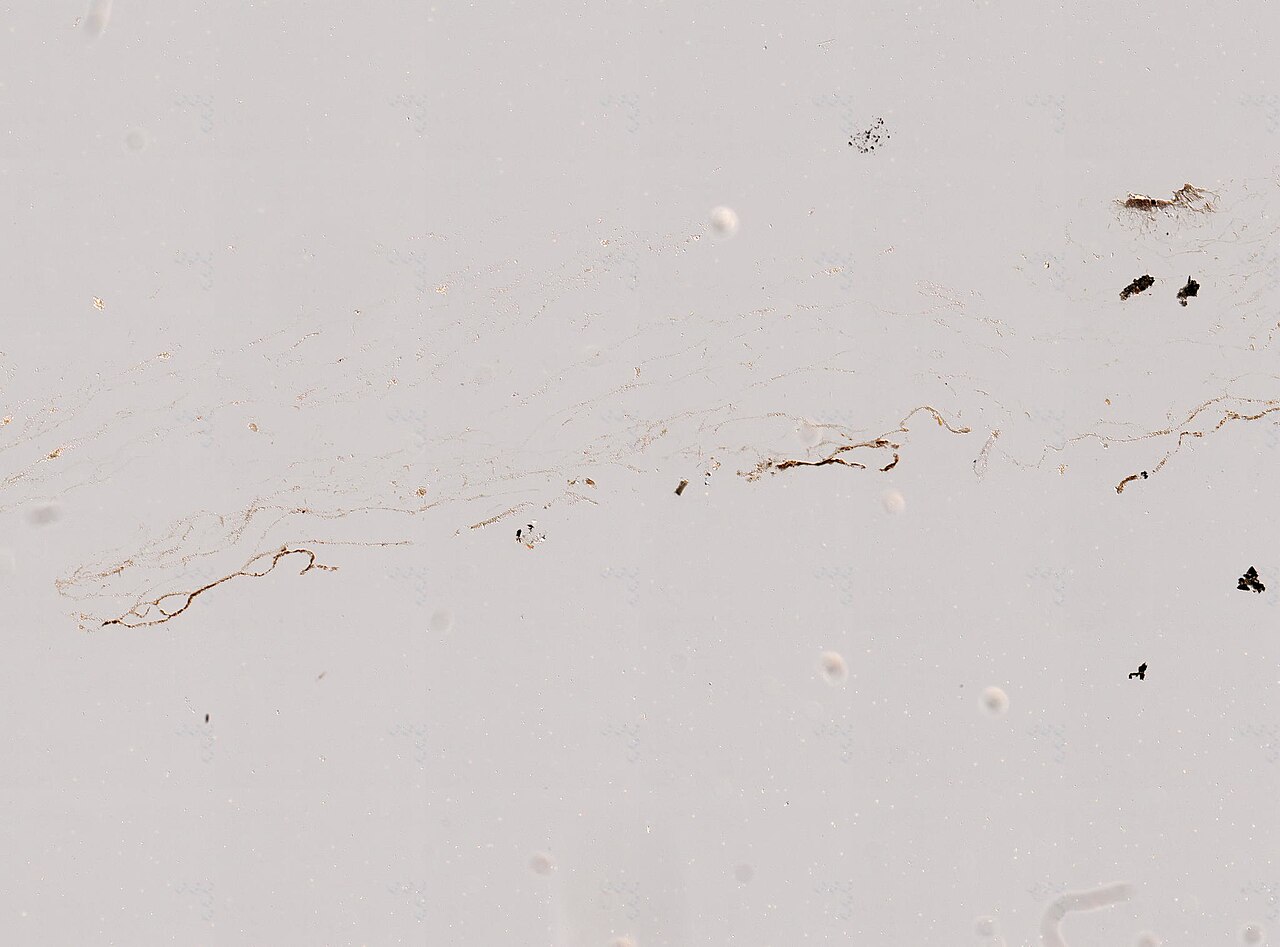
Museum tissue samples offer a different research view. The microscopic image below shows preserved skin and light-organ tissue, not a live animal displaying its defensive web.
Food connects the surface to the deep
Marine snow provides a connection between sunlit waters and life far below. The vampire squid is one example of an animal using that downward flow.
Its story becomes more interesting when we set the scary name aside. A strange-looking inhabitant of dark water turns floating debris into a meal—and shows that survival in the ocean does not always depend on chasing another animal.
Photo credits
Featured image: National Marine Sanctuaries — Public domain.

Body image 1: National Marine Sanctuaries — Public domain.


Photographs are illustrative. Captive animals, regional landscapes, and research specimens are identified in their captions. Image adaptations retain their respective source licenses.