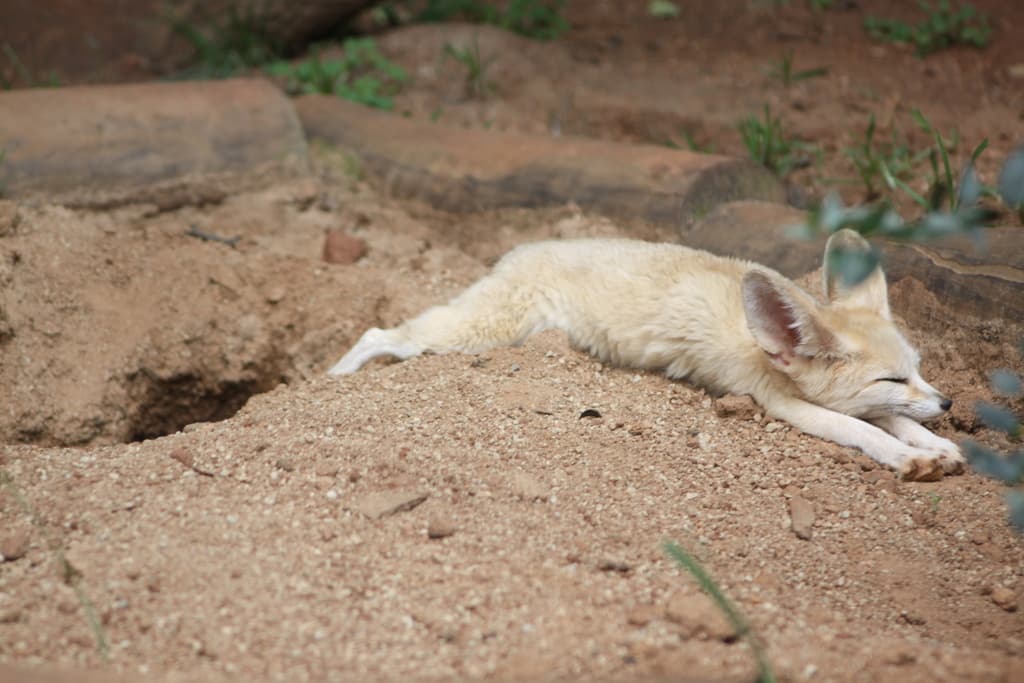
A fennec fox’s oversized ears help it hear prey and shed heat. The feature that makes it so recognizable is part of a desert survival system.
This small fox lives in arid North African landscapes, including the Sahara. Its body is equipped for conditions that can be punishingly hot by day.
Ears that do more than listen
The Smithsonian’s National Zoo describes the fennec as the smallest member of the canid family.
Its large ears help it detect prey beneath sand and release body heat. Their size relative to the animal is striking, but the appearance has a functional explanation.
A fox searching at night can use sound to locate a meal that is difficult to see. That links its memorable face to its feeding behavior.
Fur matters in a hot landscape
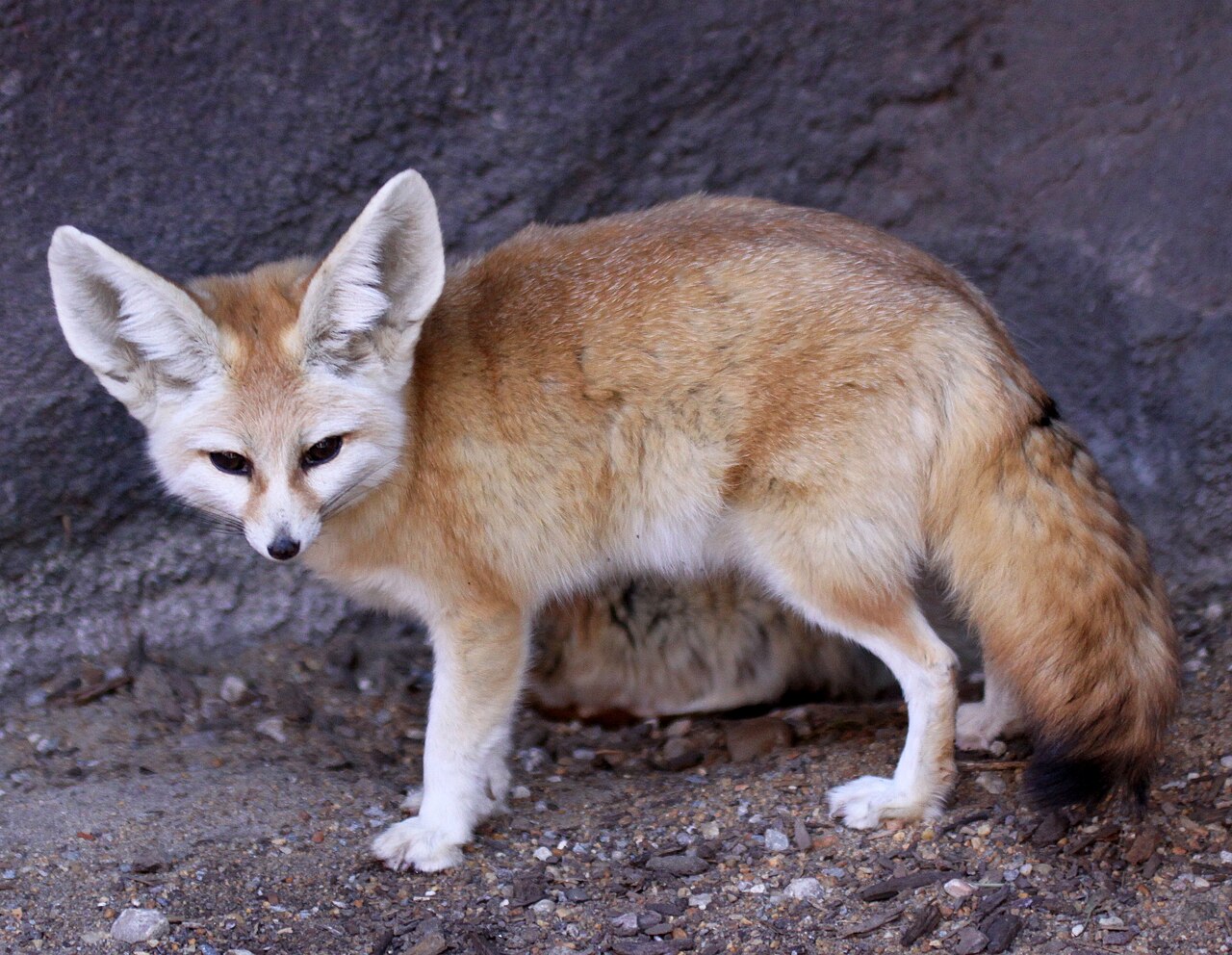
A pale coat helps the fox blend into sandy surroundings. Fur on the feet also provides protection and traction on desert ground.
Deserts are not simply hot at every hour. The timing of activity and the shelter an animal uses influence the conditions it actually experiences.
San Diego Zoo Wildlife Alliance describes fennecs sheltering in burrows during the day, avoiding the most intense heat.
The ears are therefore one part of a larger strategy that includes behavior.
A varied menu for a small hunter
Animal Diversity Web describes a diet including insects, small vertebrates, and plant foods. Fennecs obtain moisture from what they eat, an important advantage where open water can be scarce.
That does not mean a fennec has no need for water. It means food can supply part of its water intake.
The distinction keeps a useful adaptation from becoming an exaggerated claim about unlimited desert endurance.
Cute is not the same as domesticated
The zoo’s account of fennec care shows that these animals have specific behavioral and environmental needs.
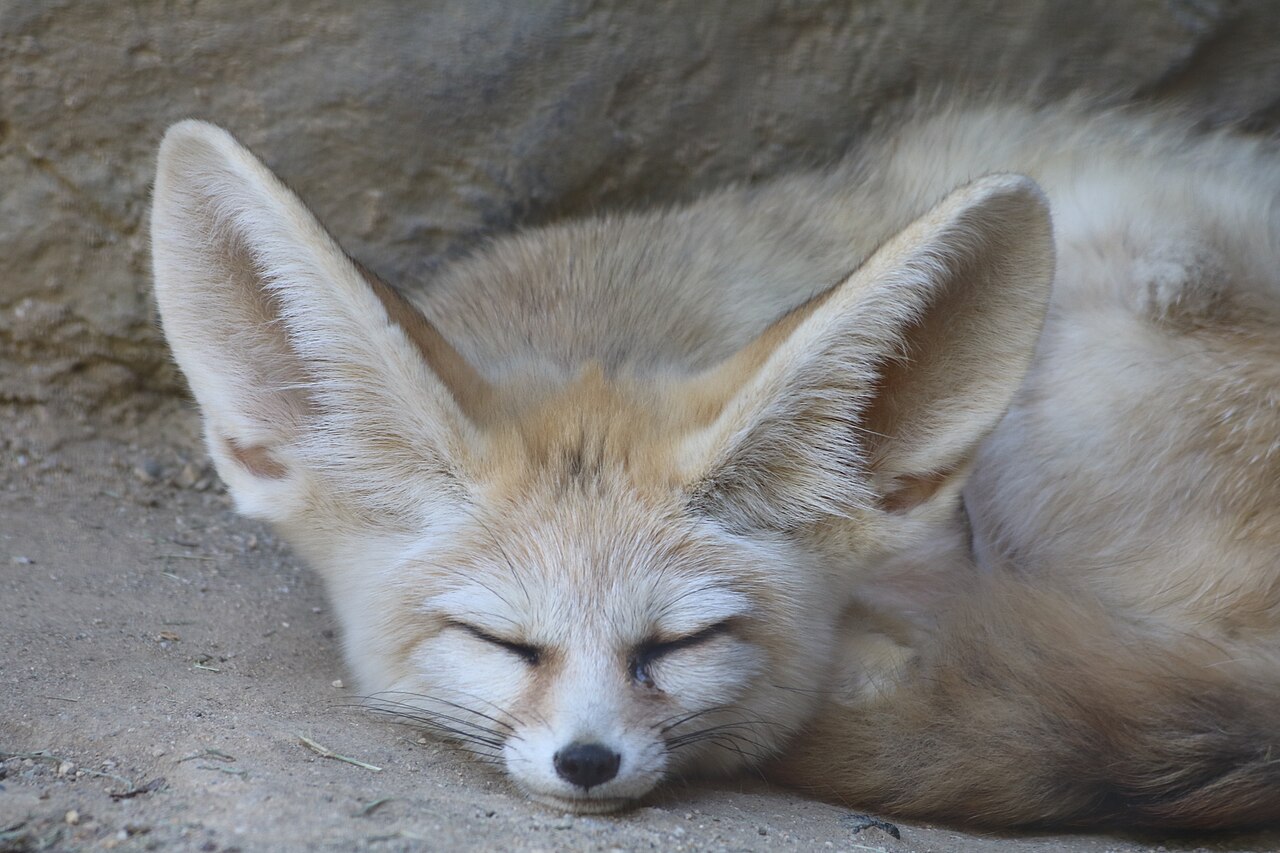
A small body and an expressive face do not turn a wild fox into a household pet. Understanding the animal begins with the habitat and routines behind its appearance.
The fennec’s ears may be the first detail we notice. Following that detail leads to a richer picture of night hunting, burrows, sand, and the many ways a mammal can meet desert challenges.
Photo credits
Featured image: Derek Keats from Johannesburg, South Africa — CC BY 2.0.

Body image 1: Drew Avery — CC BY 2.0.

Body image 2: Grendelkhan — CC BY-SA 4.0.

Photographs are illustrative. Captive animals, regional landscapes, and research specimens are identified in their captions. Image adaptations retain their respective source licenses.