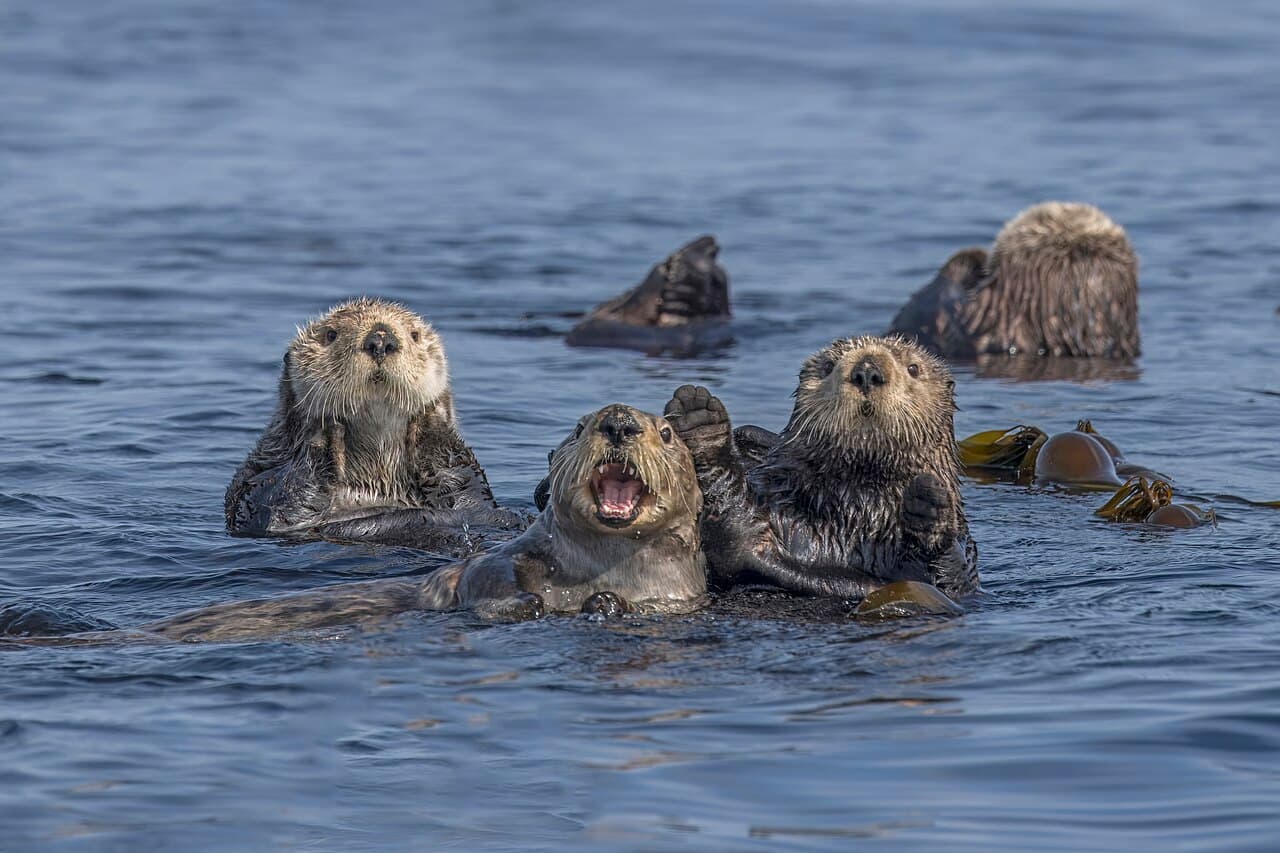
A sea otter can use a rock to open a hard-shelled meal. Research suggests that this behavior can also help protect its teeth.
The familiar image of an otter floating on its back therefore hides a practical feeding strategy. Tools change which foods an animal can use and how much damage a meal might cause.
A rock becomes feeding equipment
Sea otters, Enhydra lutris, live along parts of the North Pacific coast. Their diets include marine invertebrates with a wide range of protective shells.
A 2024 University of California, Santa Cruz research account describes tool use among southern sea otters. Animals using tools could access larger hard-shelled prey while reducing tooth damage.
The result concerns studied animals and feeding conditions. It does not mean every sea otter uses a rock for every meal.
Why healthy teeth matter
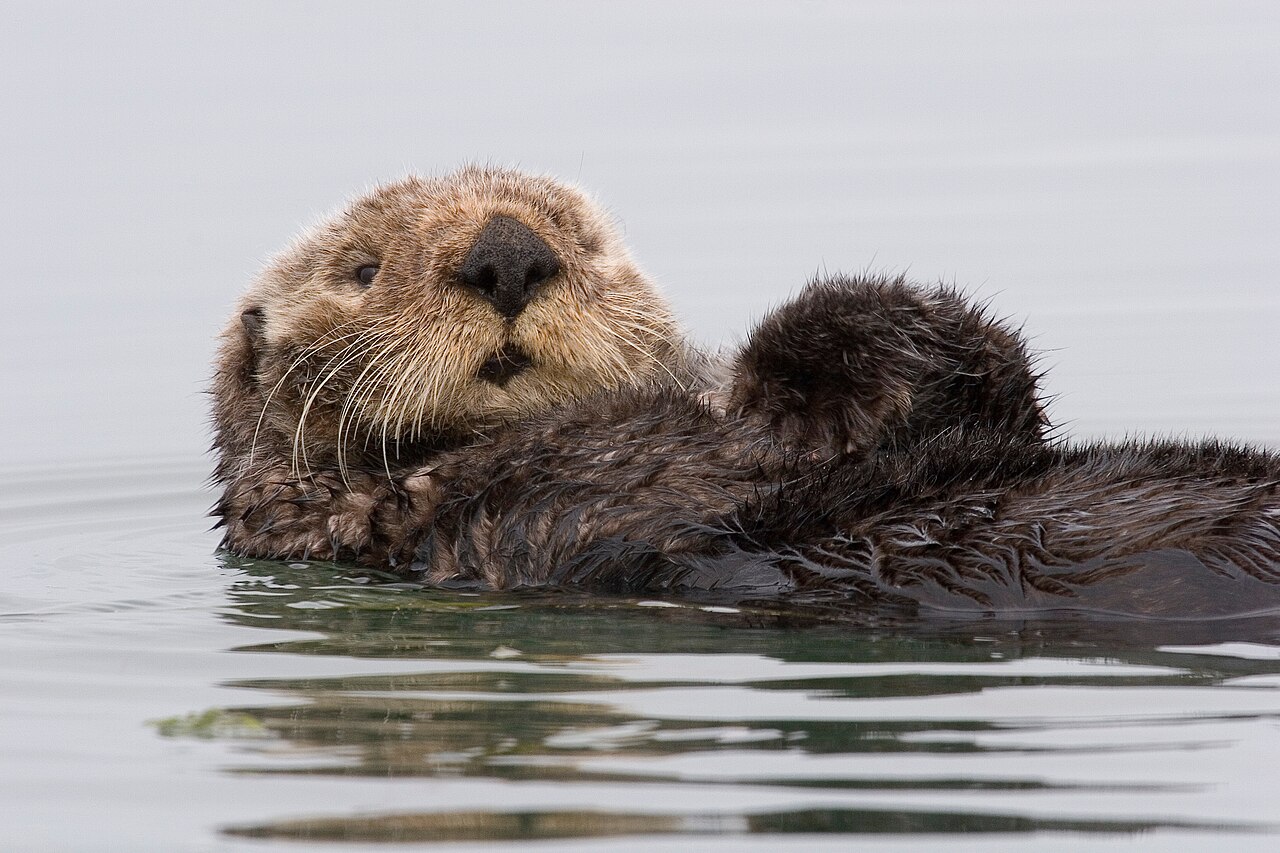
Opening hard prey repeatedly can wear or damage teeth. A tool provides another way to break a shell before the animal eats what is inside.
The U.S. Geological Survey’s publication record identifies the peer-reviewed study and its findings on feeding success and tooth health.
This adds value to an already memorable behavior. Tool use is not simply a clever performance; it can influence the costs and benefits of getting food.
Fur is another essential survival tool
Unlike seals, sea otters do not depend on a thick blubber layer for warmth. Dense fur traps insulating air.
The American Museum of Natural History explains why keeping that coat in good condition matters. Grooming helps maintain the layer that separates cold water from the animal’s body.
An otter rubbing and rolling may look playful while carrying out vital maintenance.
A charming animal with demanding needs
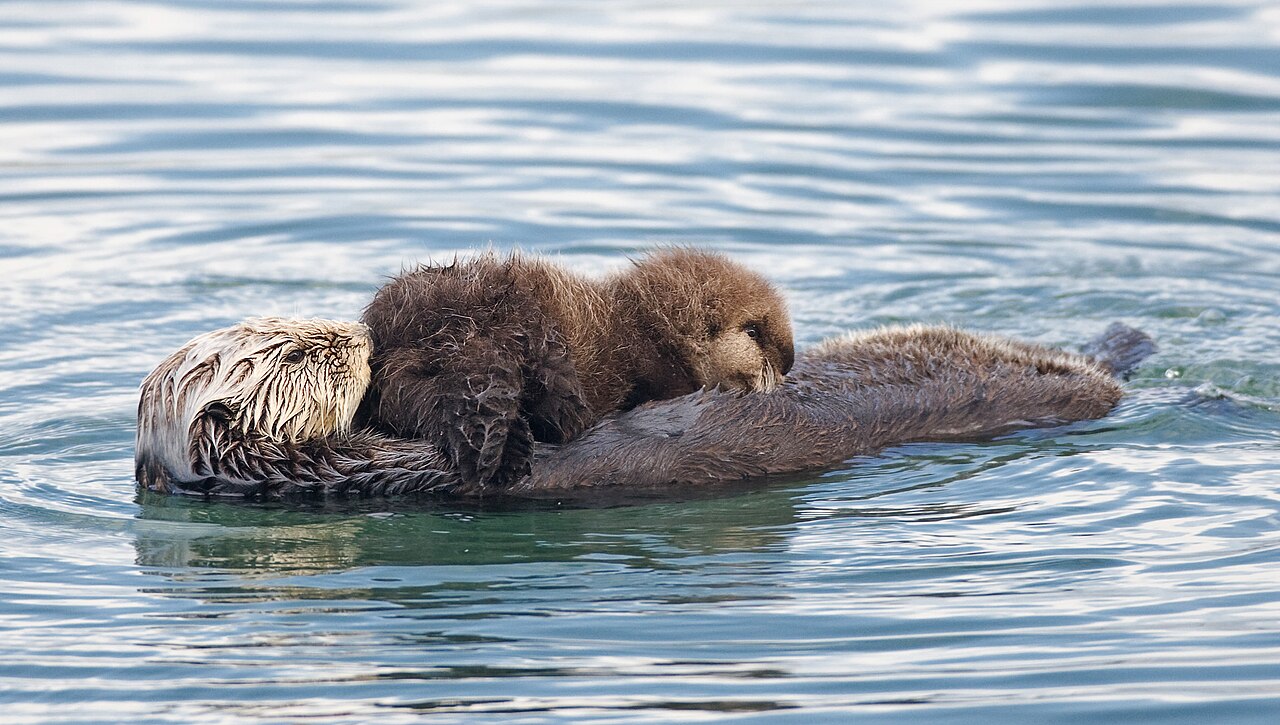
The National Park Service describes sea otters’ cold-water adaptations and coastal life.
Pollution that damages fur can interfere with insulation, while feeding and habitat conditions influence daily survival. The animal’s small surface routines connect to much larger environmental conditions.
The sea otter rewards a closer look: a stone becomes a tool, grooming becomes protection, and a floating meal becomes a lesson in how behavior helps a marine mammal live.
Photo credits
Featured image: Charles J. Sharp — CC BY-SA 4.0.

Body image 1: Mike Baird from Morro Bay, USA (bairdphotos.com) — CC BY 2.0.

Body image 2: Mike Baird — CC BY 2.0.

Photographs are illustrative. Captive animals, regional landscapes, and research specimens are identified in their captions. Image adaptations retain their respective source licenses.