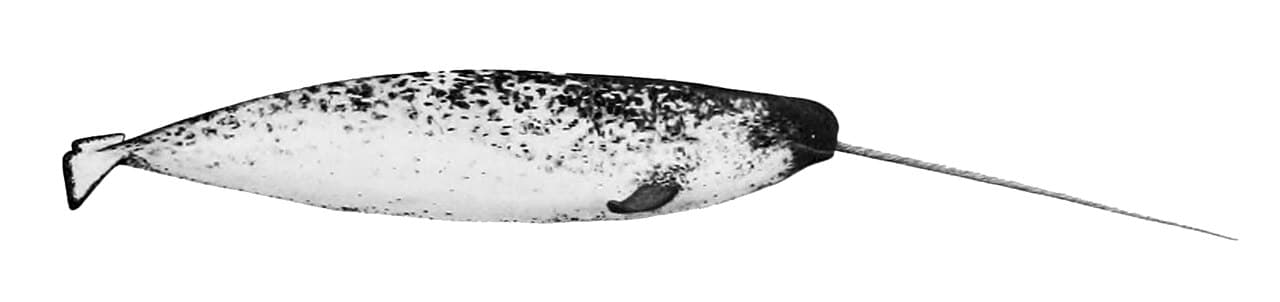
The narwhal’s long spiral tusk is a tooth. What looks like a unicorn’s horn grows from the whale’s upper jaw.
That single fact transforms the animal’s familiar outline. This is not a fantasy creature, but a toothed whale shaped by life in Arctic waters.
A tooth extending into the sea
NOAA Ocean Exploration describes the tusk most commonly seen in male narwhals. It usually extends from the left side of the upper jaw.
Not every narwhal carries the same visible feature. Females usually lack a tusk, and unusual individuals can have two.
The species, Monodon monoceros, spends its life in Arctic seas. Its appearance is extraordinary, but its basic needs are those of a marine mammal: food, breathing access, and suitable habitat.
What is the tusk for?
Researchers have investigated several roles rather than settling on one simple explanation.
WWF discusses sensory capabilities and a possible role in how males establish dominance. These functions can overlap; a body structure does not have to serve only one purpose.
The tusk is therefore more than a decorative point. It is a living tooth involved in the animal’s interactions with its environment and other narwhals.
A life beneath and around ice
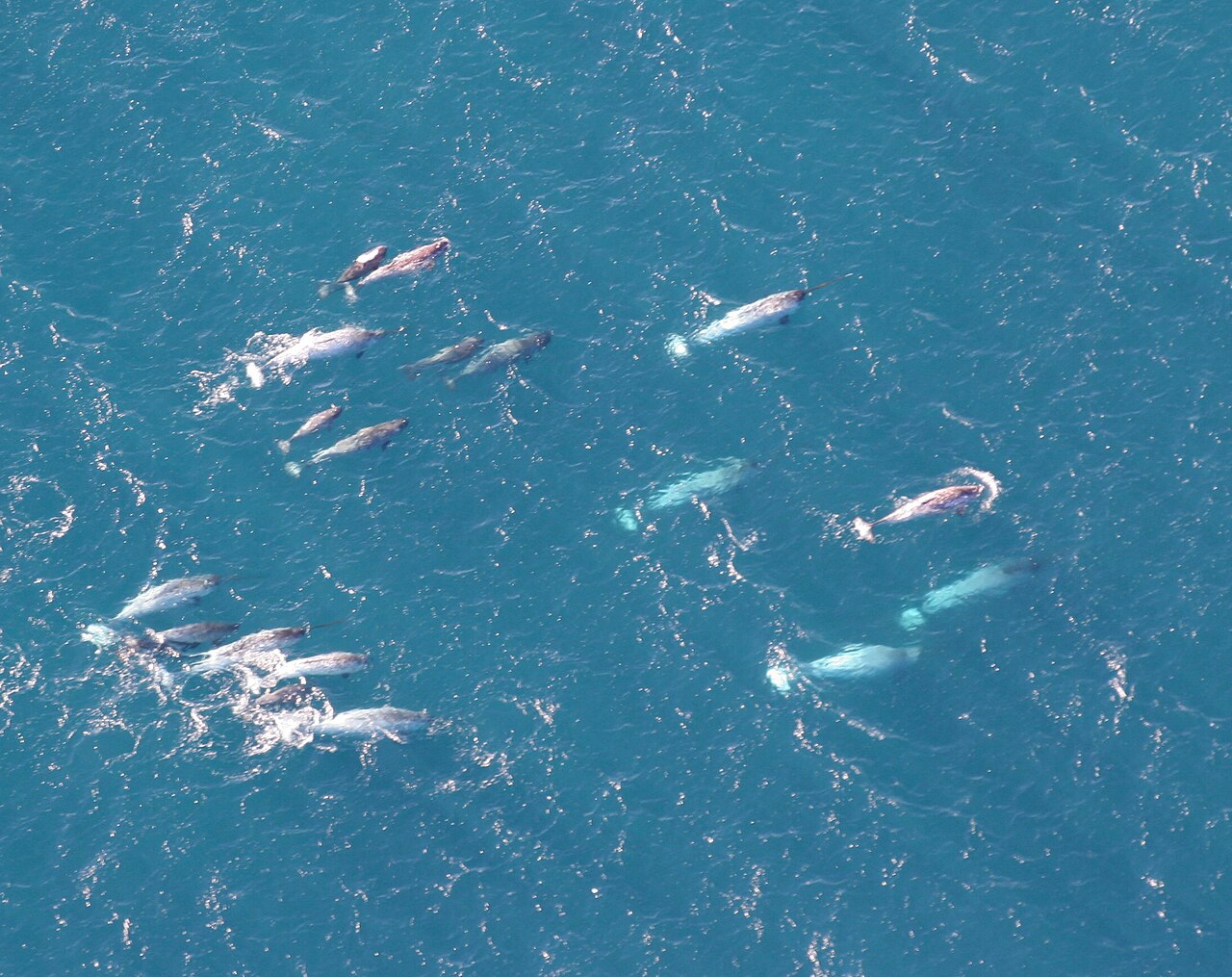
Narwhals dive for food and return to the surface to breathe. Openings and cracks in sea ice can be important access points.
WWF describes seasonal use of Arctic waters, including areas around Canada and Greenland. Their movements connect feeding conditions with the changing ice landscape.
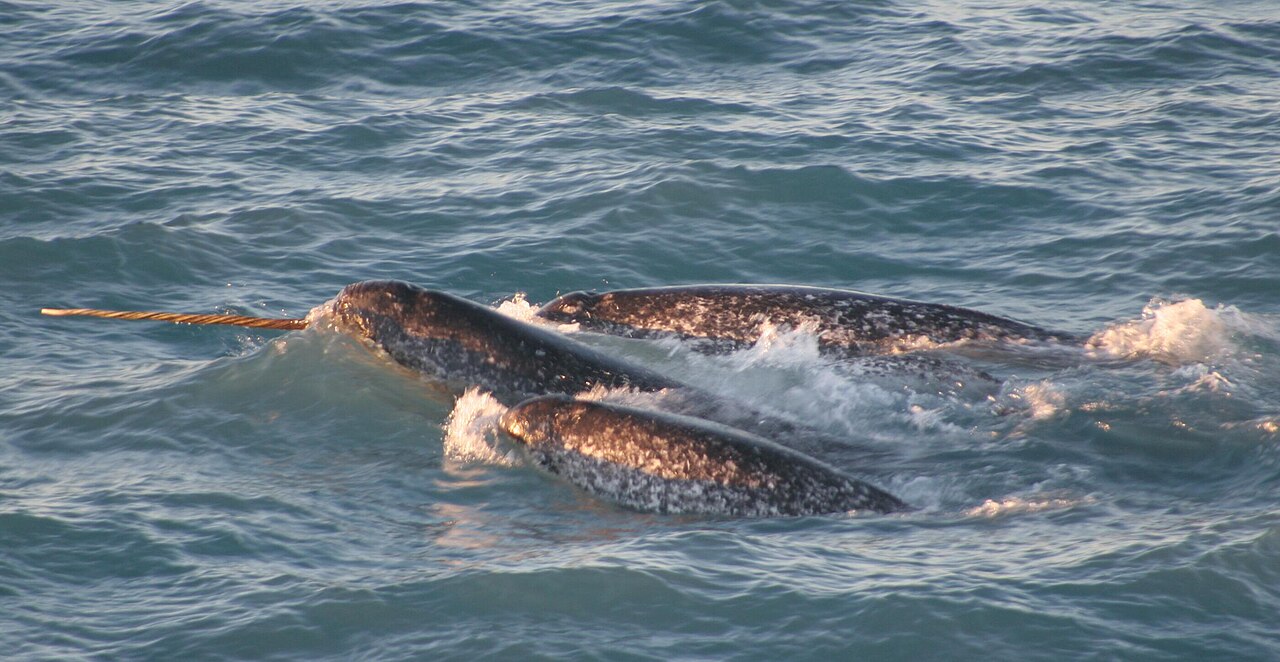
A photograph of a tusk above water shows only a moment. Much of the whale’s life takes place below the surface, beyond ordinary human observation.
An Arctic story still being studied
WWF Arctic highlights the relationship between narwhals and their changing environment. Research and monitoring help explain how these whales use their habitat.
The narwhal’s tusk may be the feature that makes us stop scrolling. Understanding the whale behind it offers something more lasting.
Its life is a reminder that the Arctic is not simply empty ice. It is a living seascape, supporting animals whose remarkable bodies have evolved within conditions that are changing.
Photo credits
Featured image: NOAA United States. National Marine Fisheries Service — Public domain.

Body image 1: Dr. Kristin Laidre, Polar Science Center, UW NOAA/OAR/OER — Public domain.

Body image 2: Dr. Kristin Laidre, Polar Science Center, UW NOAA/OAR/OER — Public domain.

Photographs are illustrative. Captive animals and research specimens are identified in captions. Image adaptations retain their source licenses.