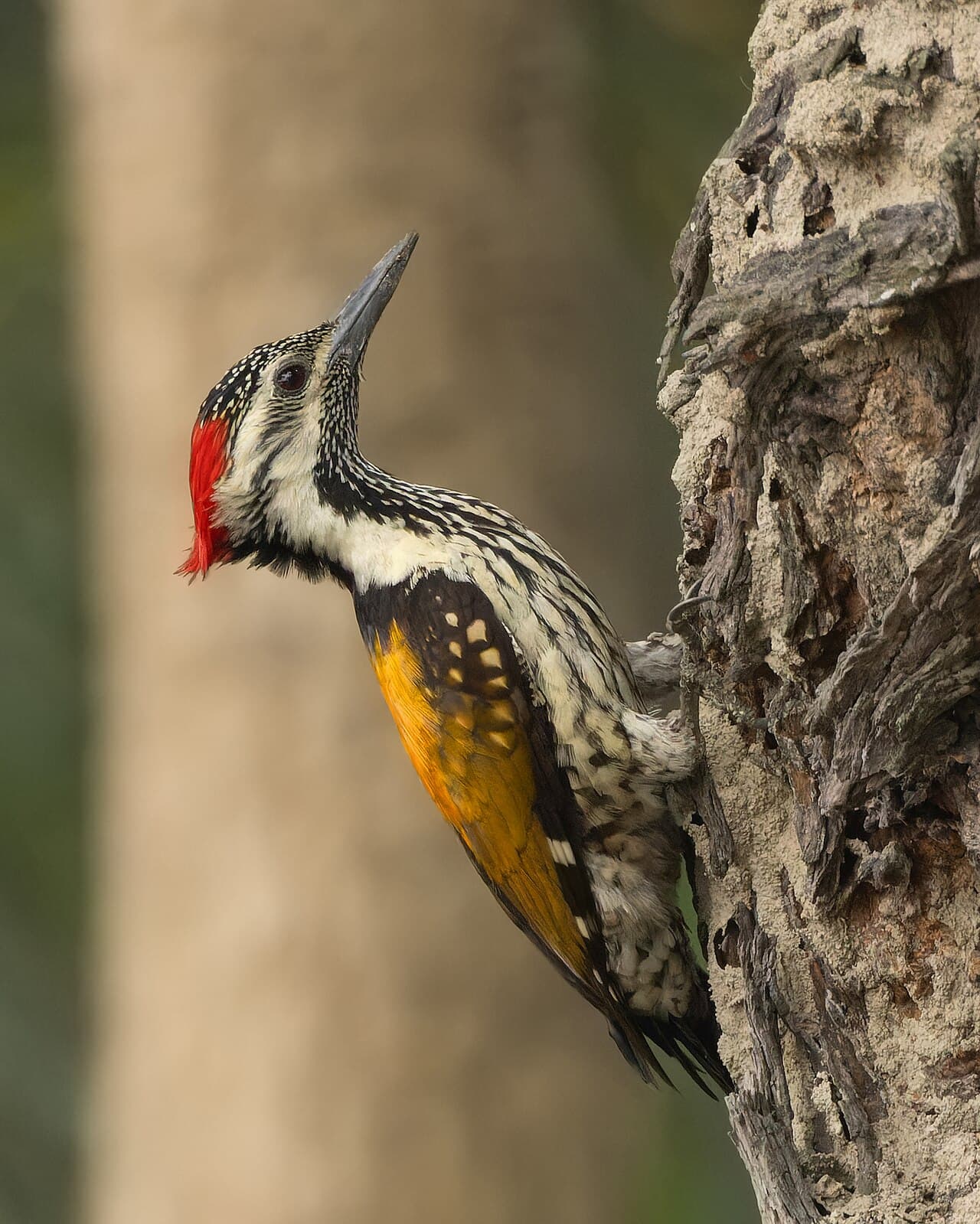
The Black-Rumped Flameback Lights Up a Tree Trunk
Discover the black-rumped flameback, a golden woodpecker whose colors, climbing posture, and nest cavities reward a closer look.
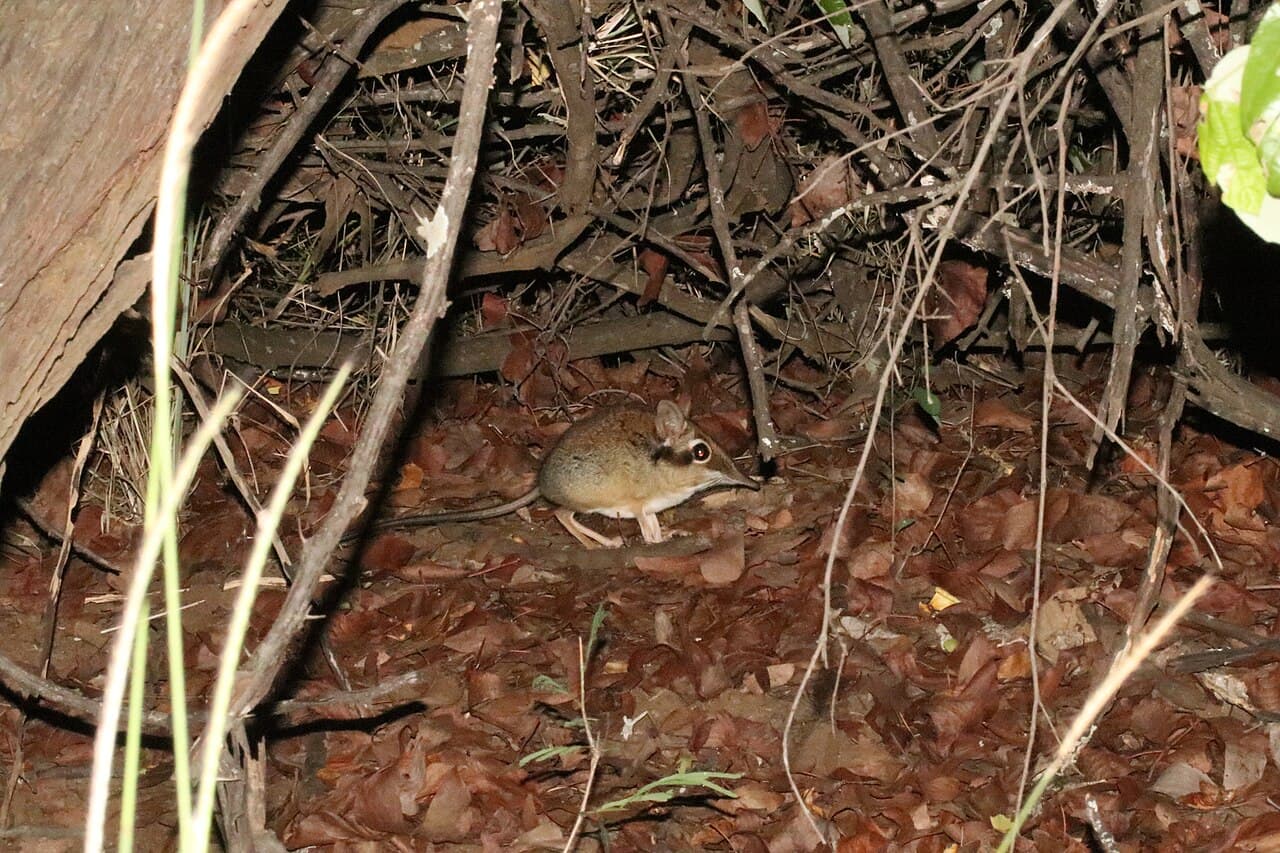
Meet the four-toed elephant shrew, a quick African mammal whose flexible snout helps it find small prey among the leaves.
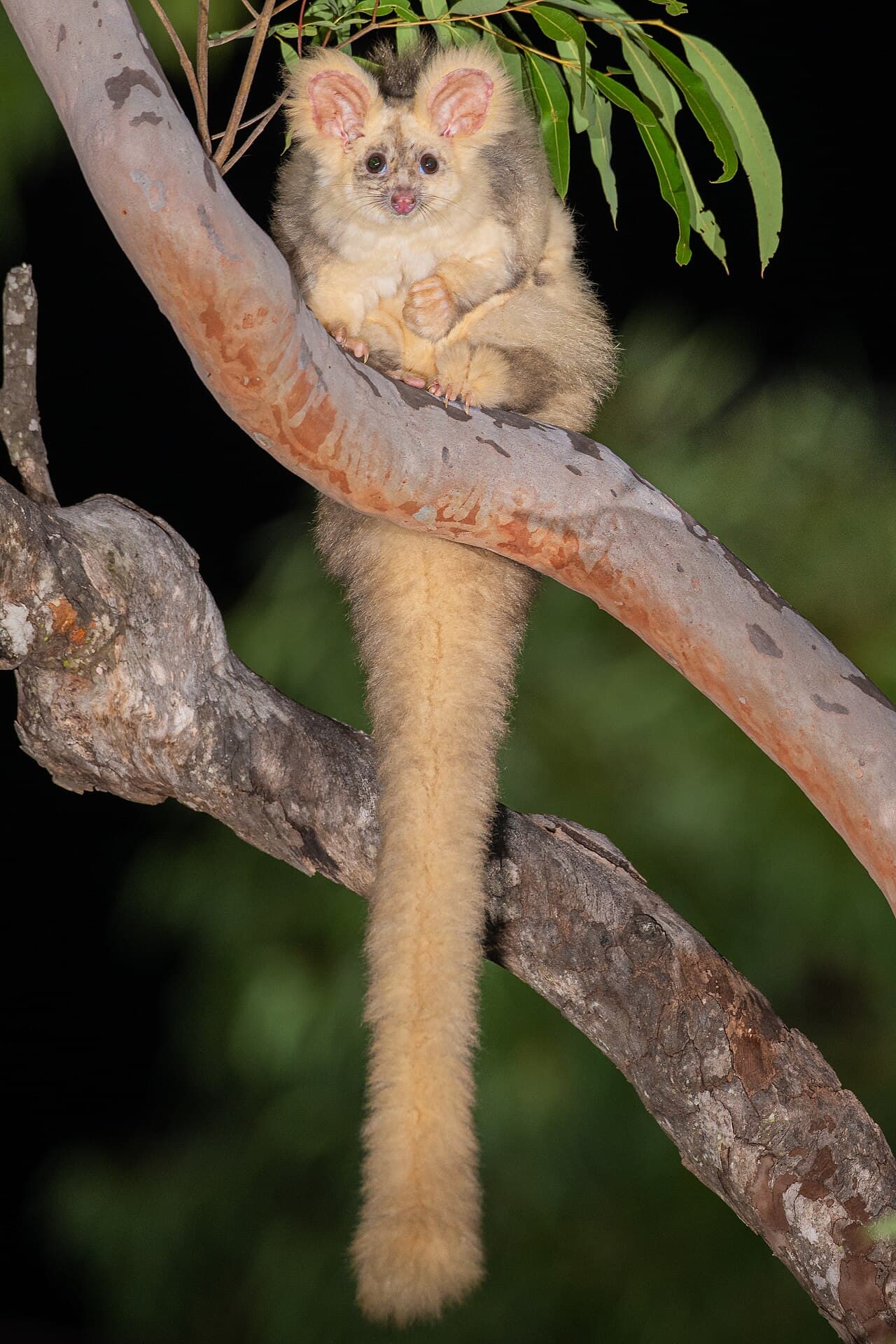
Discover how greater gliders feed on eucalyptus, shelter in tree hollows, and depend on connected Australian forests.
Meet the white-nosed coati, a raccoon relative whose flexible snout, climbing skills, and social bands suit a busy forest life.
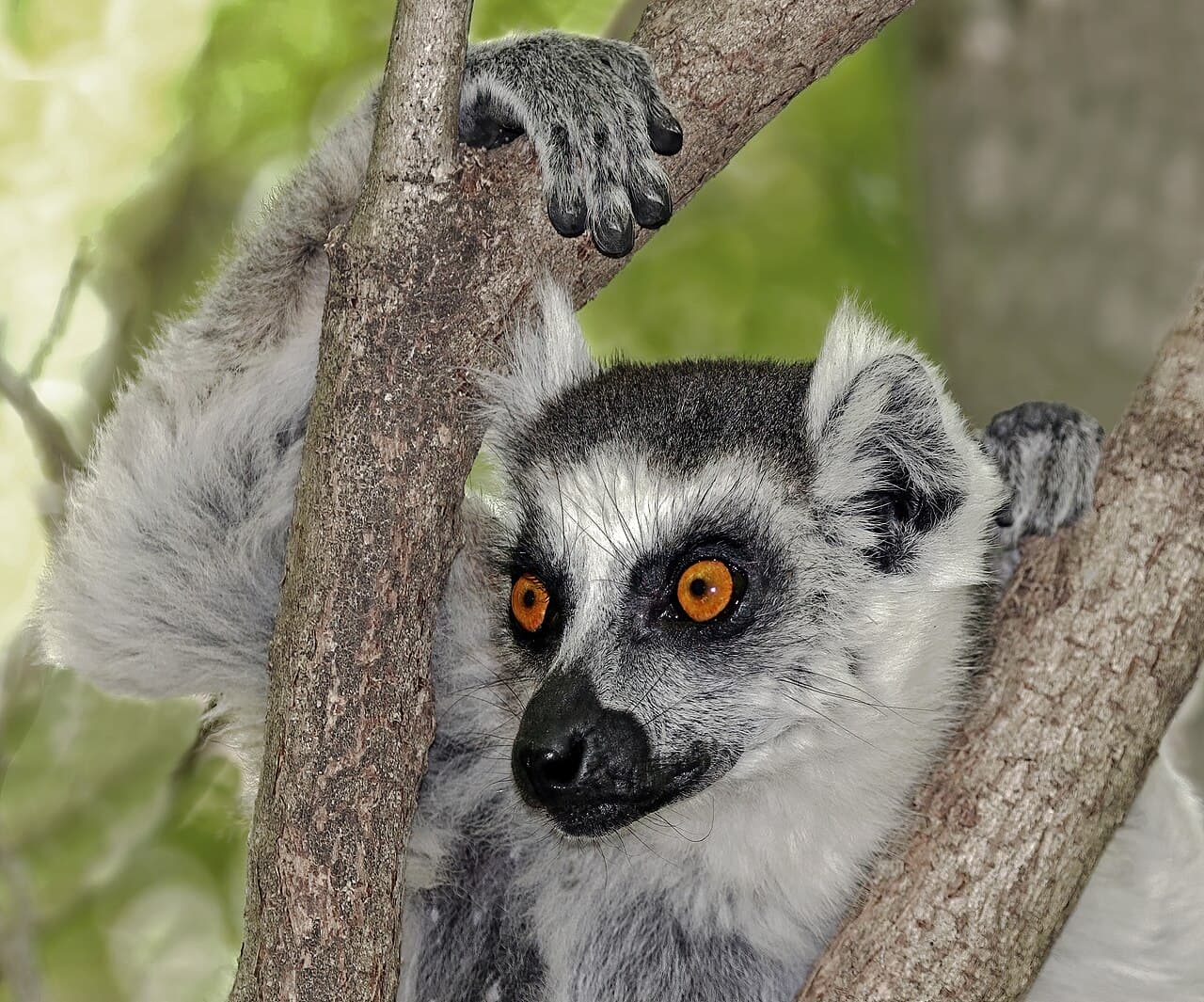
Explore the ring-tailed lemur's striped tail, scent displays, social life, and sunbathing posture in Madagascar.
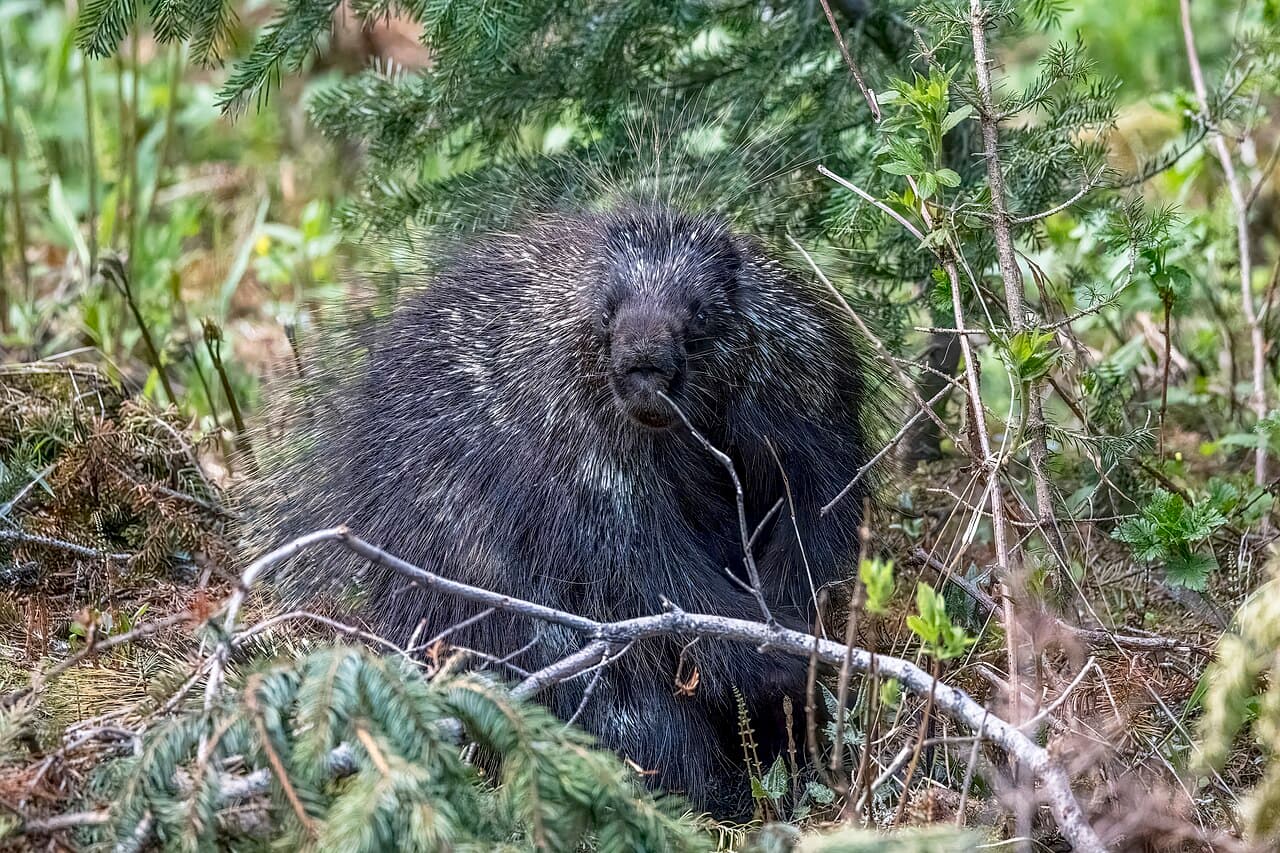
Discover how North American porcupine quills really work, why these rodents climb trees, and what makes their defense effective.
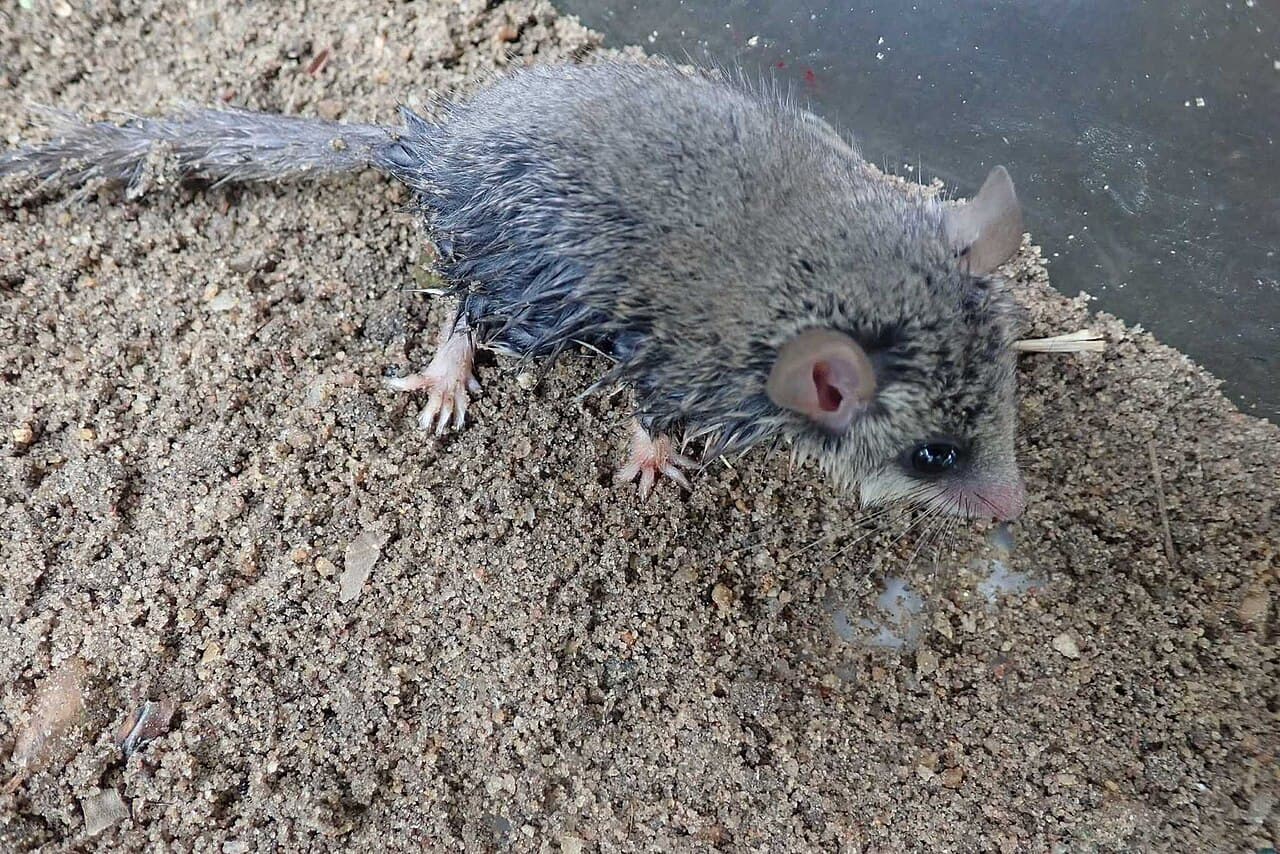
Explore the woodland dormouse's climbing skills, nighttime habits, and sheltered nests—and why its common name needs care.
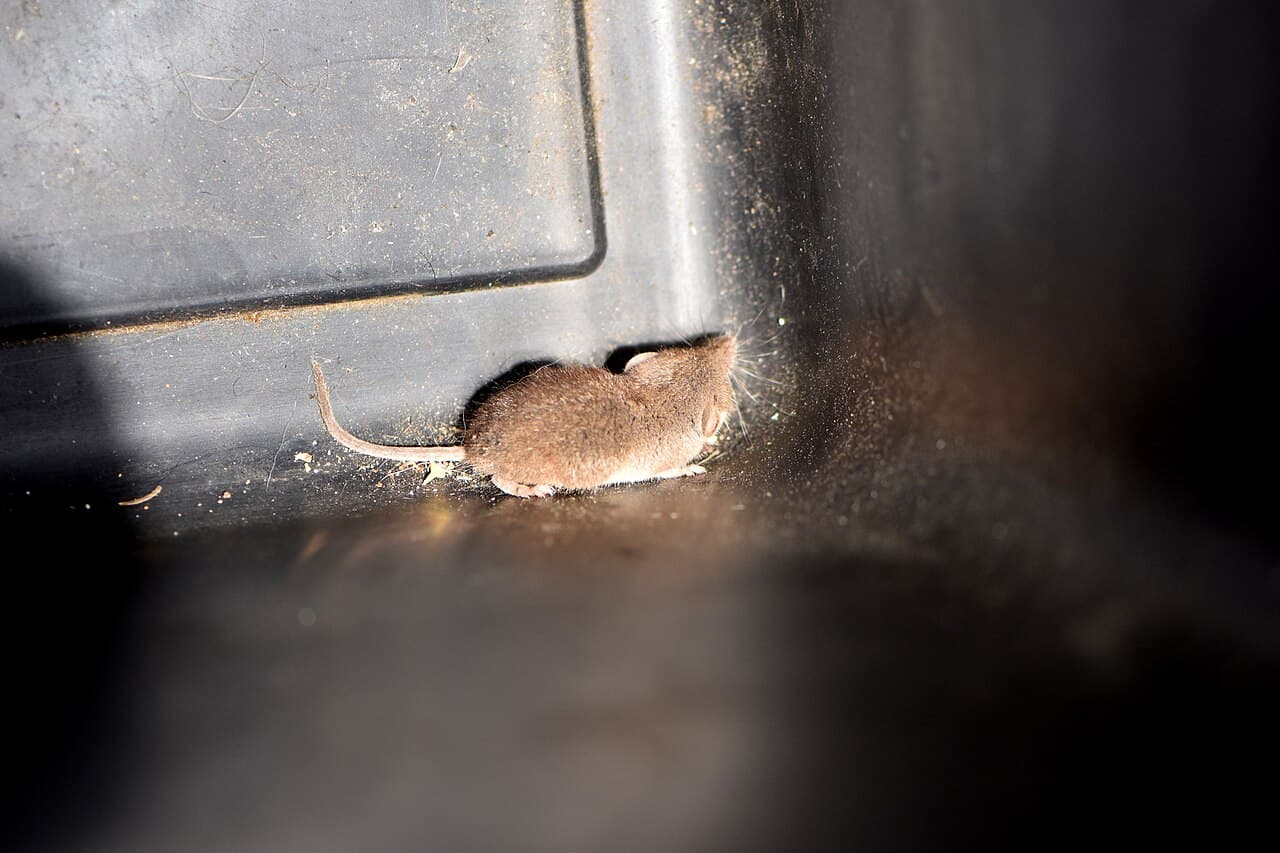
Meet the Etruscan shrew, one of the smallest mammals by weight, and discover how sensitive whiskers help it hunt.
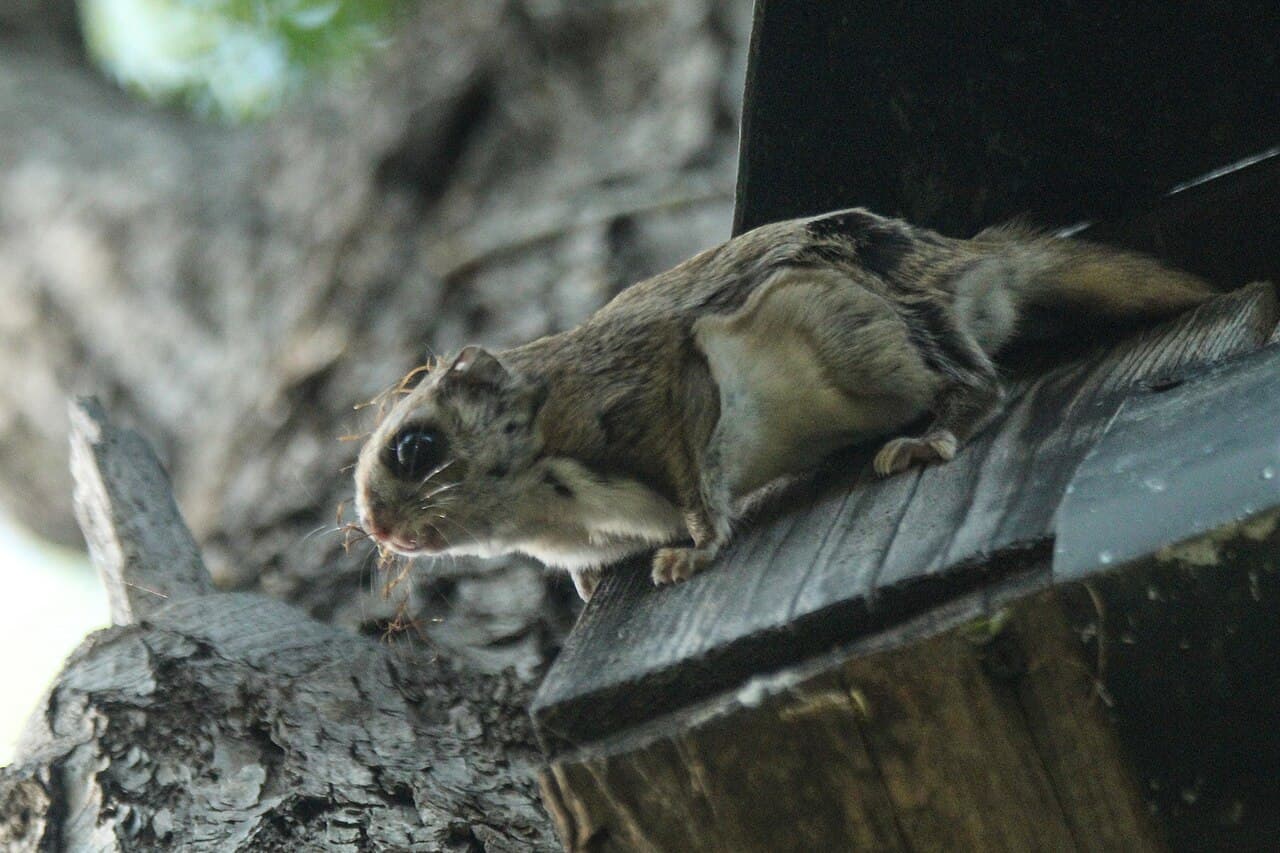
Discover how the Siberian flying squirrel glides between trees, finds shelter in cavities, and depends on a connected forest.
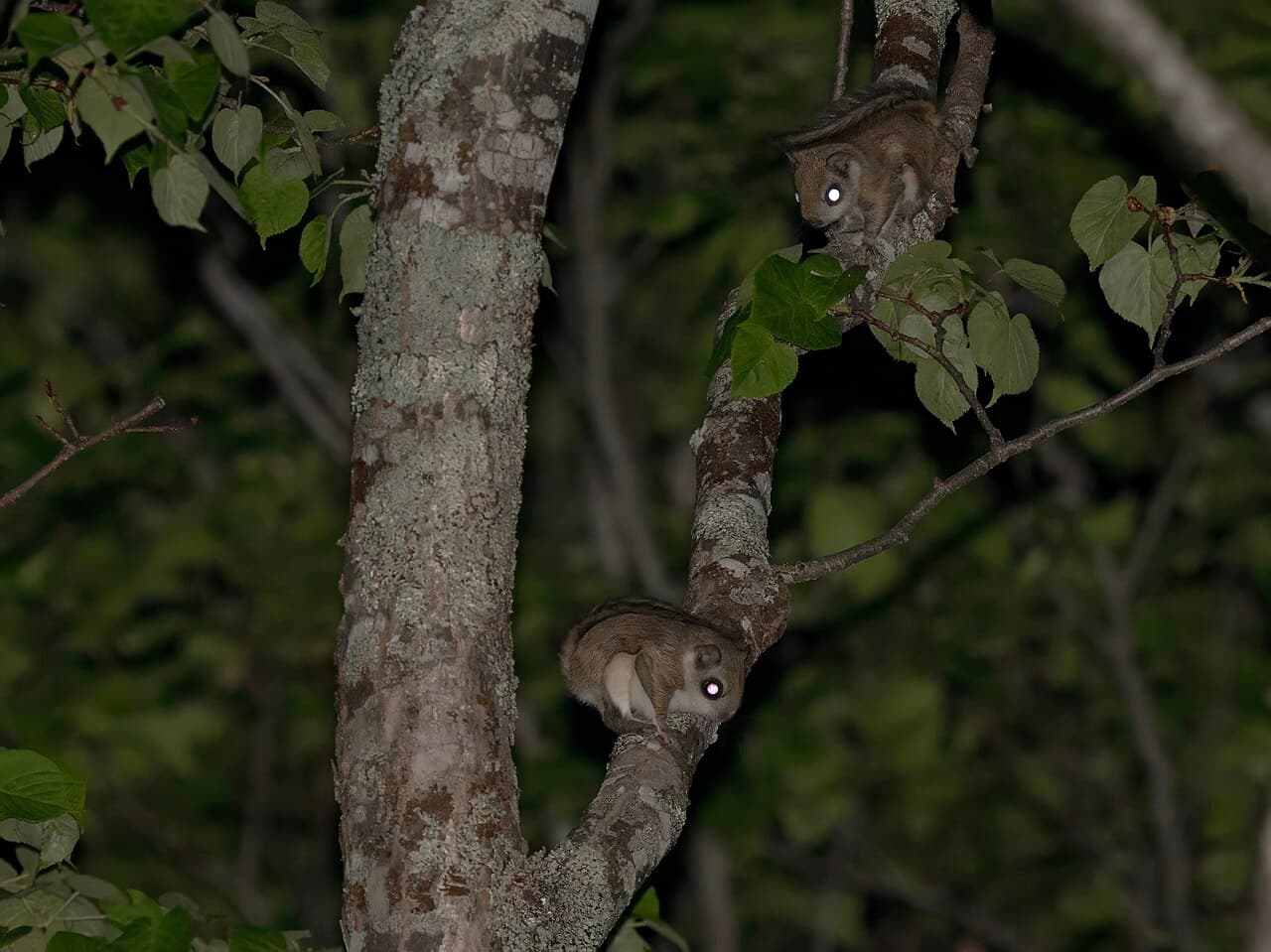
Discover how Pteromys momonga uses a skin membrane to glide and why forest nesting places matter to this small Japanese squirrel.
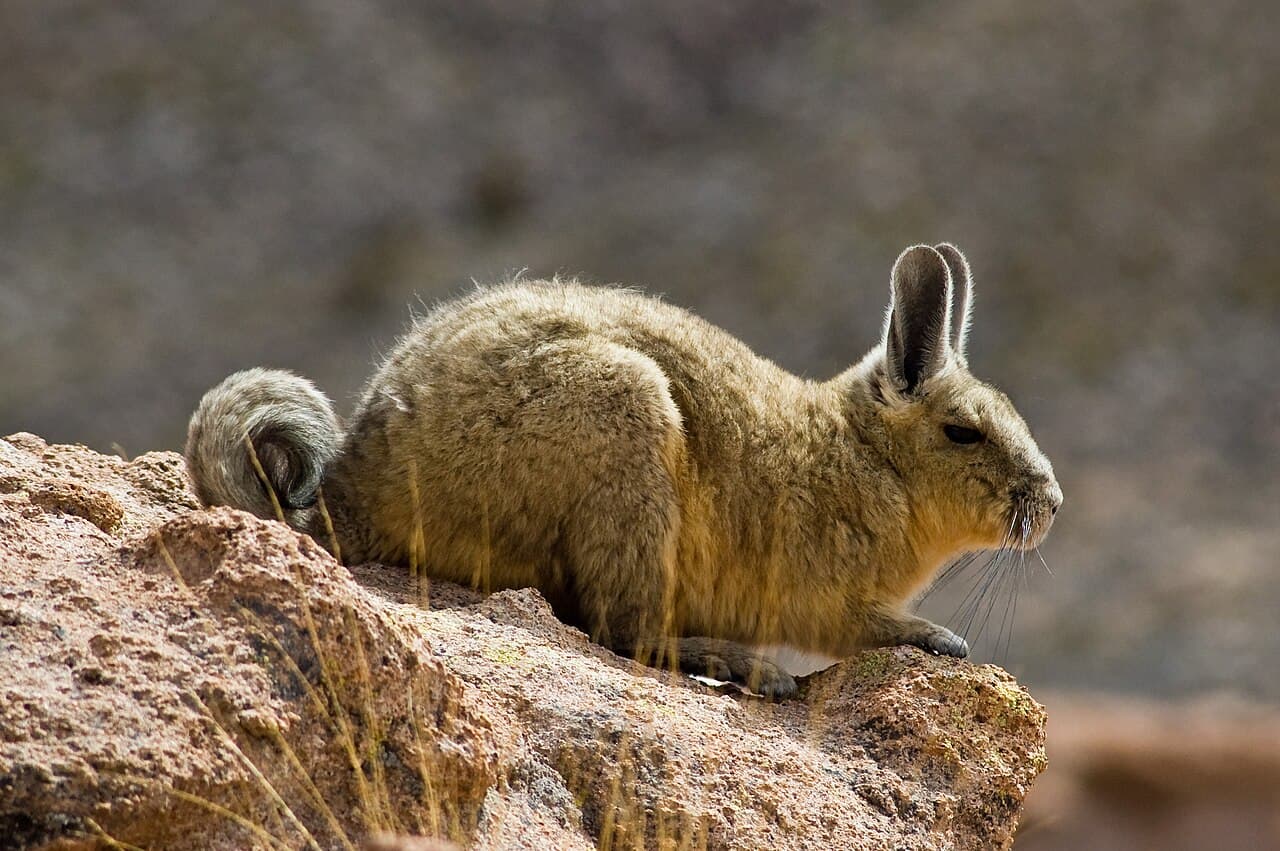
Mountain viscachas look rabbitlike, but belong to the chinchilla family. Explore the fur, hind legs, and rock shelters behind their Andean lives.
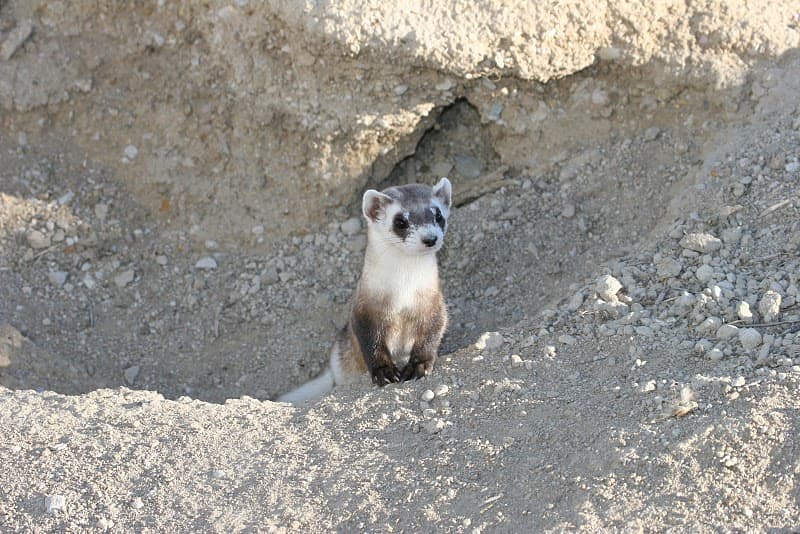
Prairie dogs provide black-footed ferrets with both prey and burrows. Discover the habitat connection behind this North American conservation story.
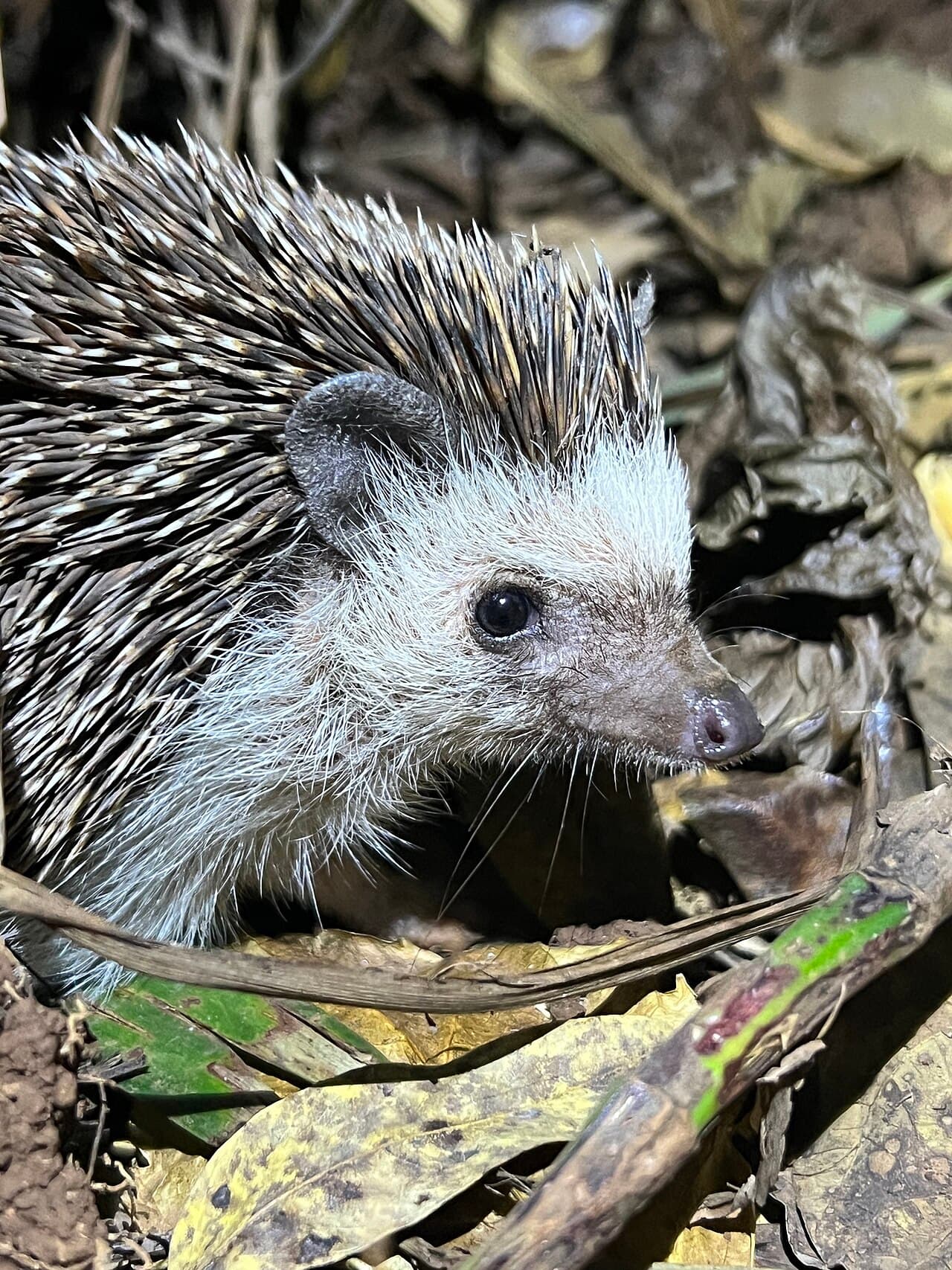
Explore the four-toed hedgehog behind the African pygmy hedgehog name, including its defensive spines, nighttime feeding, and wild African origins.
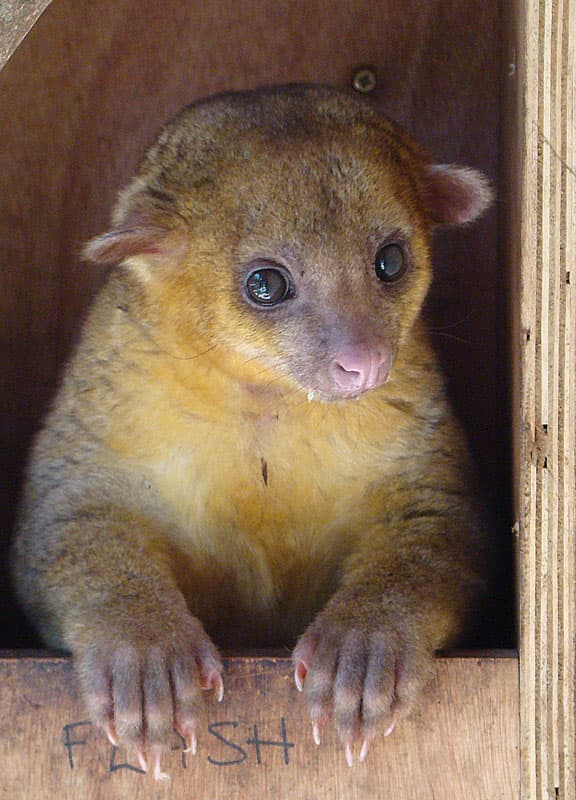
A kinkajou looks monkeylike, but it is a raccoon relative. Explore the gripping tail, nighttime feeding, and forest connections behind its soft appearance.
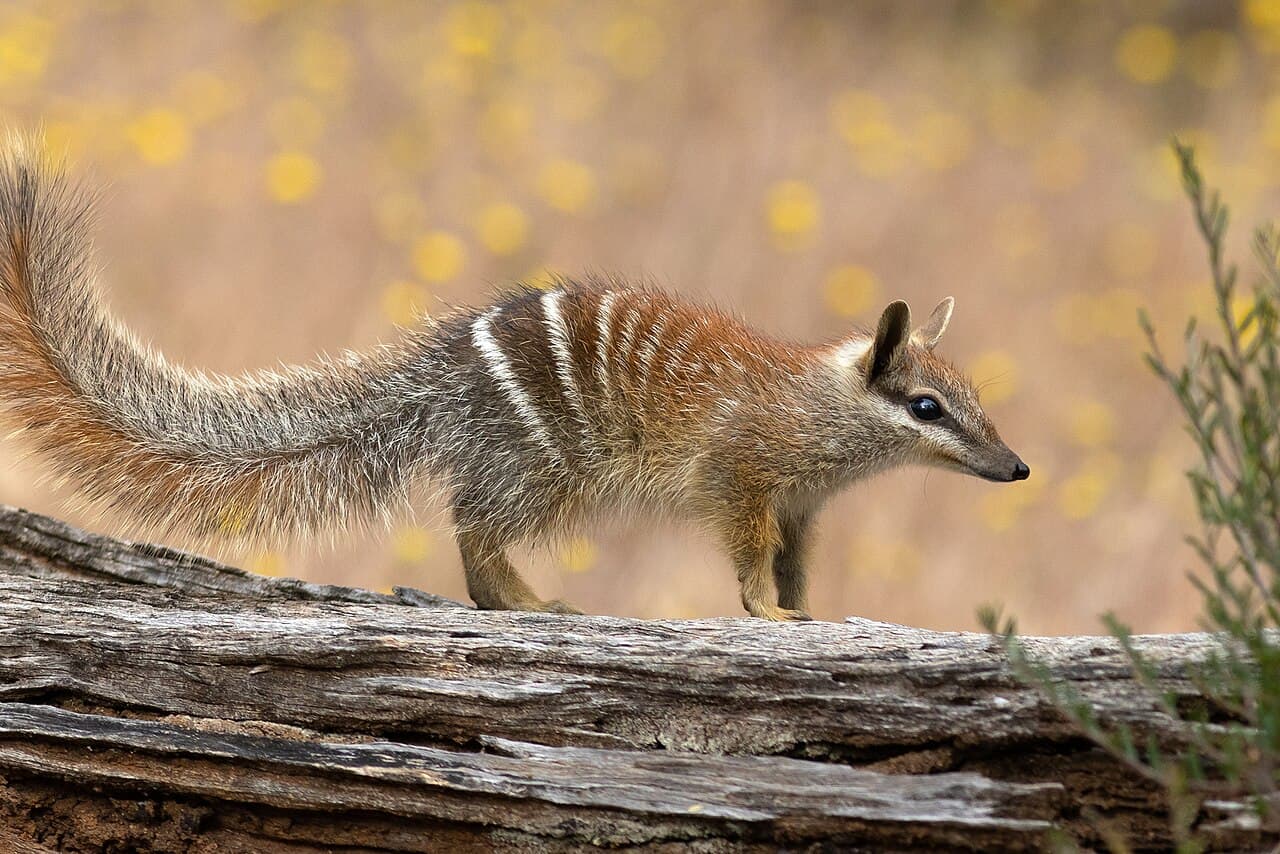
Discover why the striped numbat feeds during daylight and how a termite-focused diet shapes its tongue, schedule, and conservation needs.
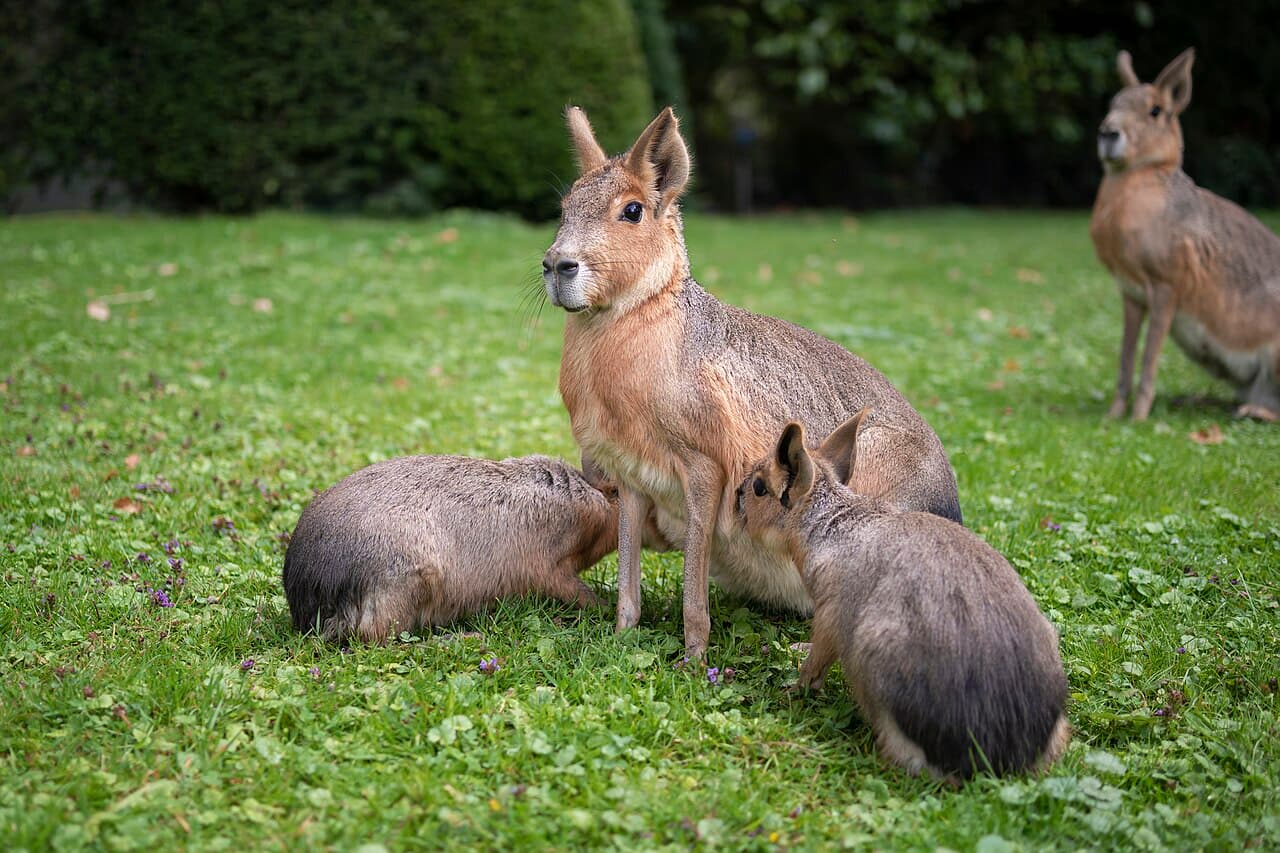
The Patagonian mara looks rabbitlike but is a rodent. Discover its long-legged body, pair bonds, and communal nursery burrows.
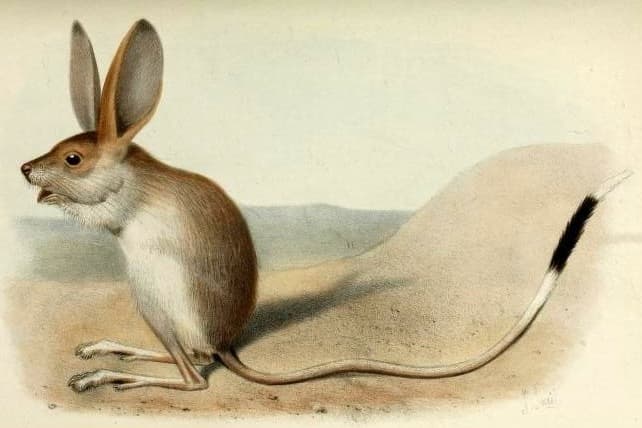
Meet the long-eared jerboa, a nocturnal rodent of Mongolia and China whose large ears and elongated hind legs make a remarkable silhouette.
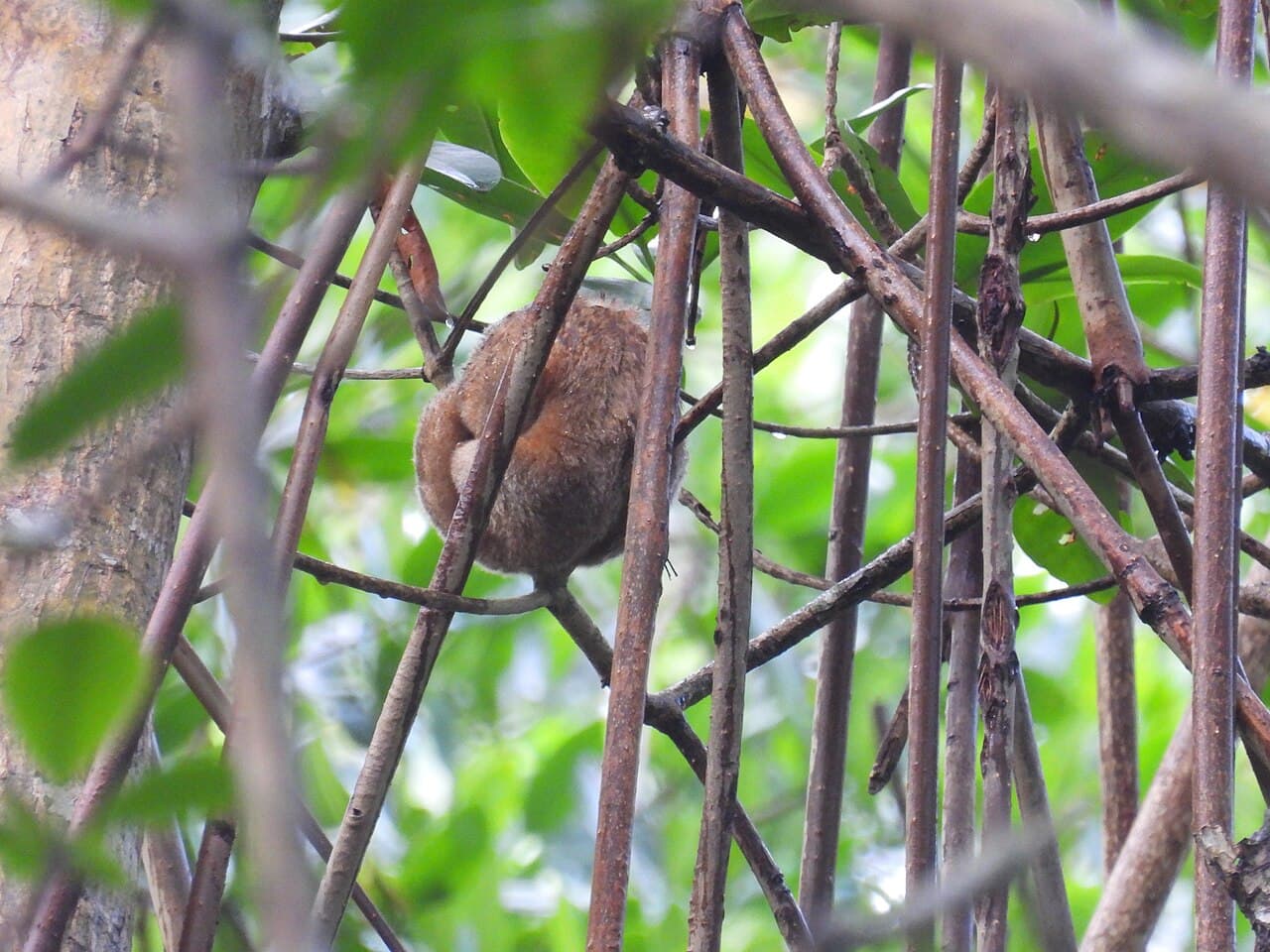
Silky anteaters are tiny, tree-living mammals with gripping tails and specialized claws. Research reveals more diversity than older names suggested.
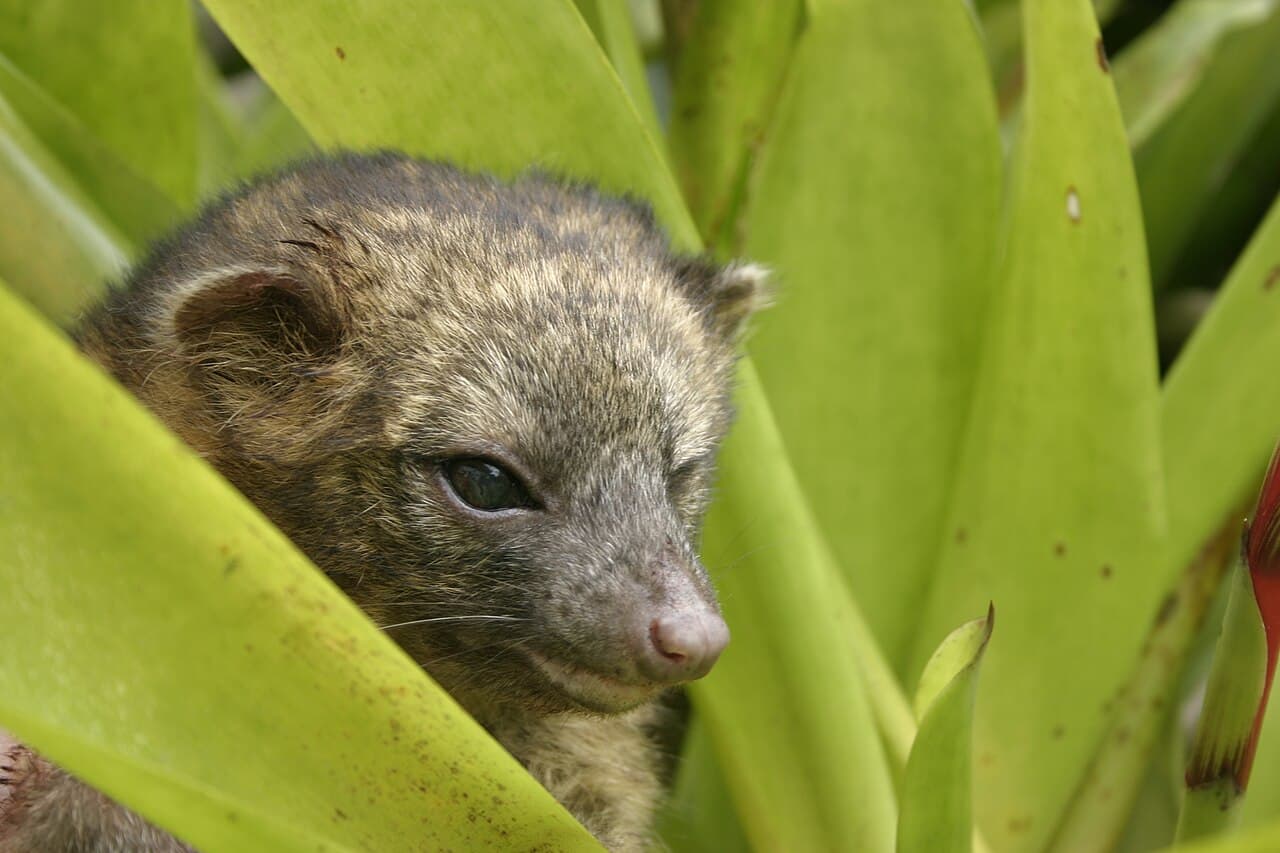
Meet the olinguito, a small Andean raccoon relative recognized through museum research and fieldwork in cloud forests.
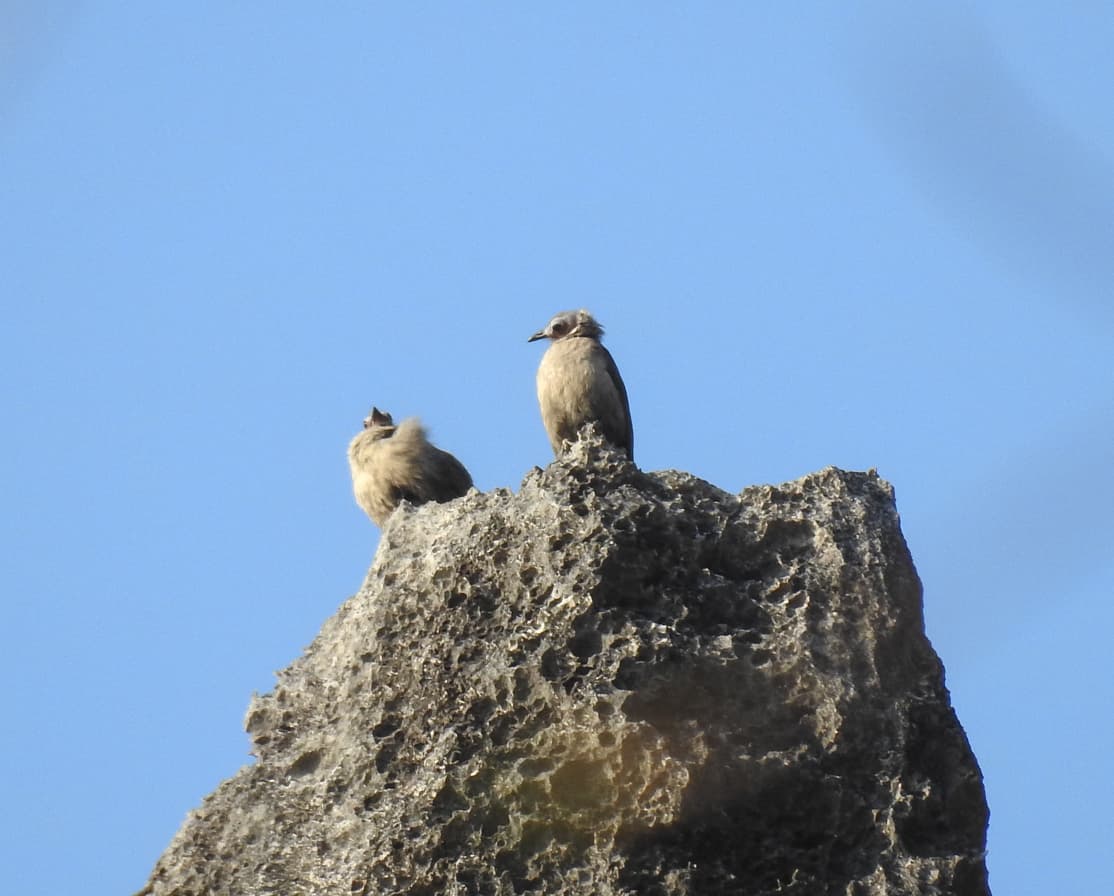
Meet the bare-faced bulbul of Laos, a songbird with exposed head skin and a close connection to rugged limestone habitat.
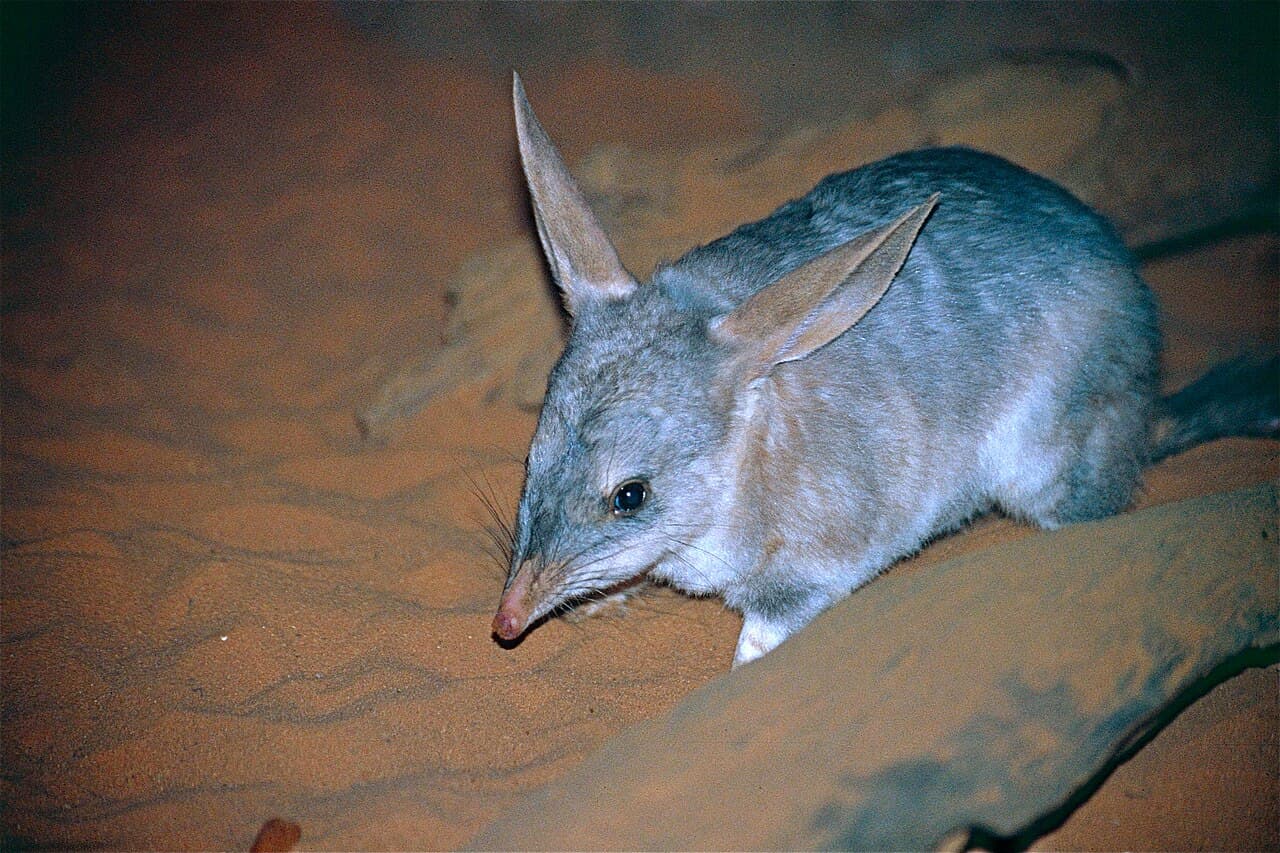
The greater bilby digs for food and shelter. Explore how this long-eared marsupial changes soil and creates opportunities for other desert life.
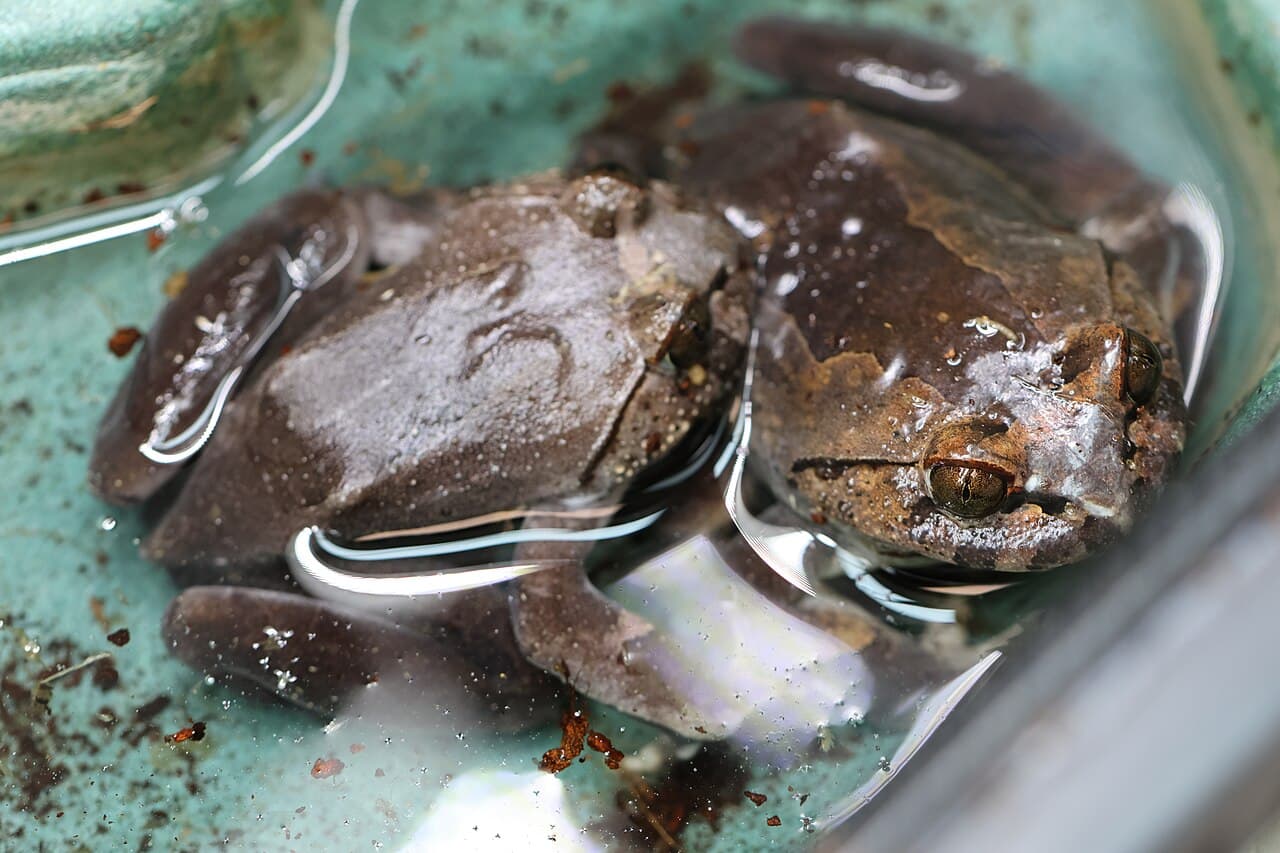
The hairy frog has a remarkable bone-based defense. Discover what its concealed toe structures do—and why its so-called hair is not fur.
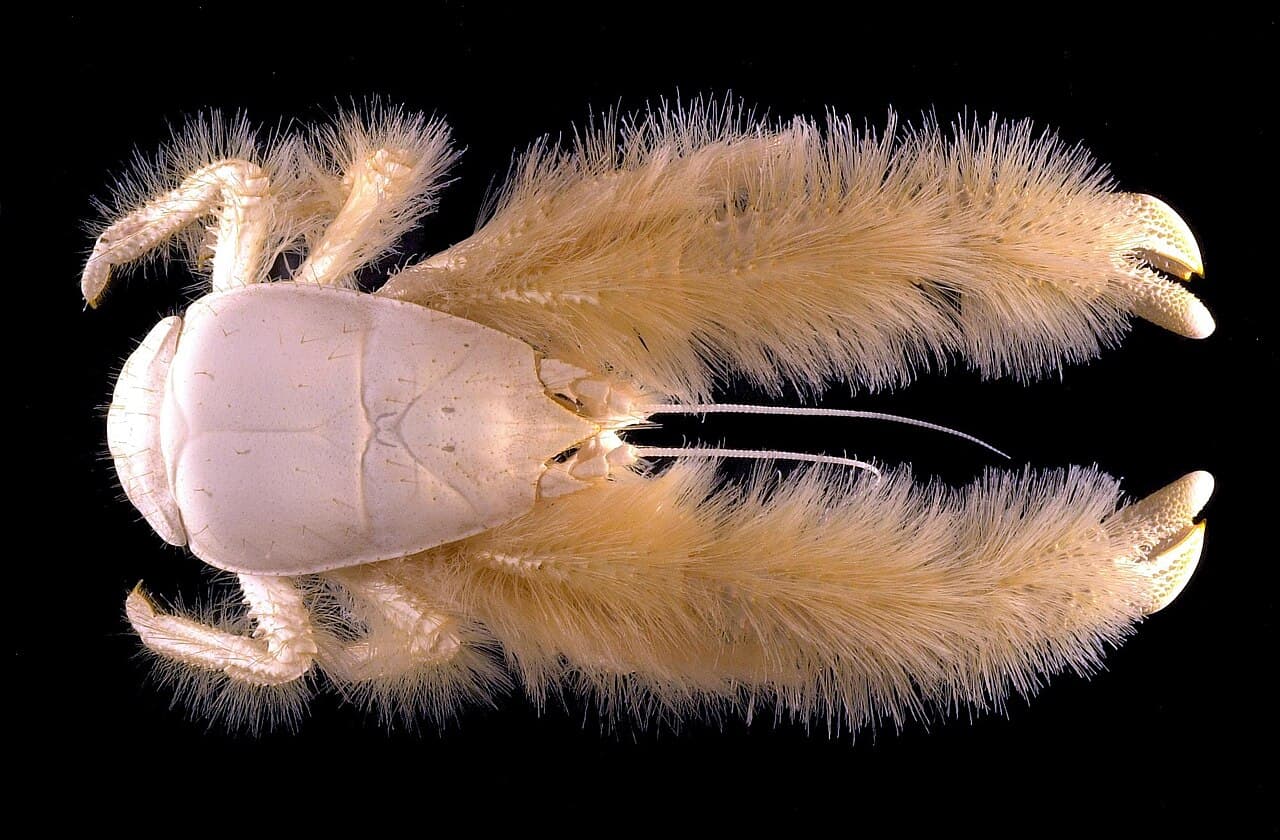
Discover Kiwa hirsuta, the pale deep-sea yeti crab whose bristled claws support bacteria near hydrothermal vents.
Meet Cantor's giant softshell turtle, a broad, flat aquatic reptile whose hidden river life makes community knowledge valuable for conservation.