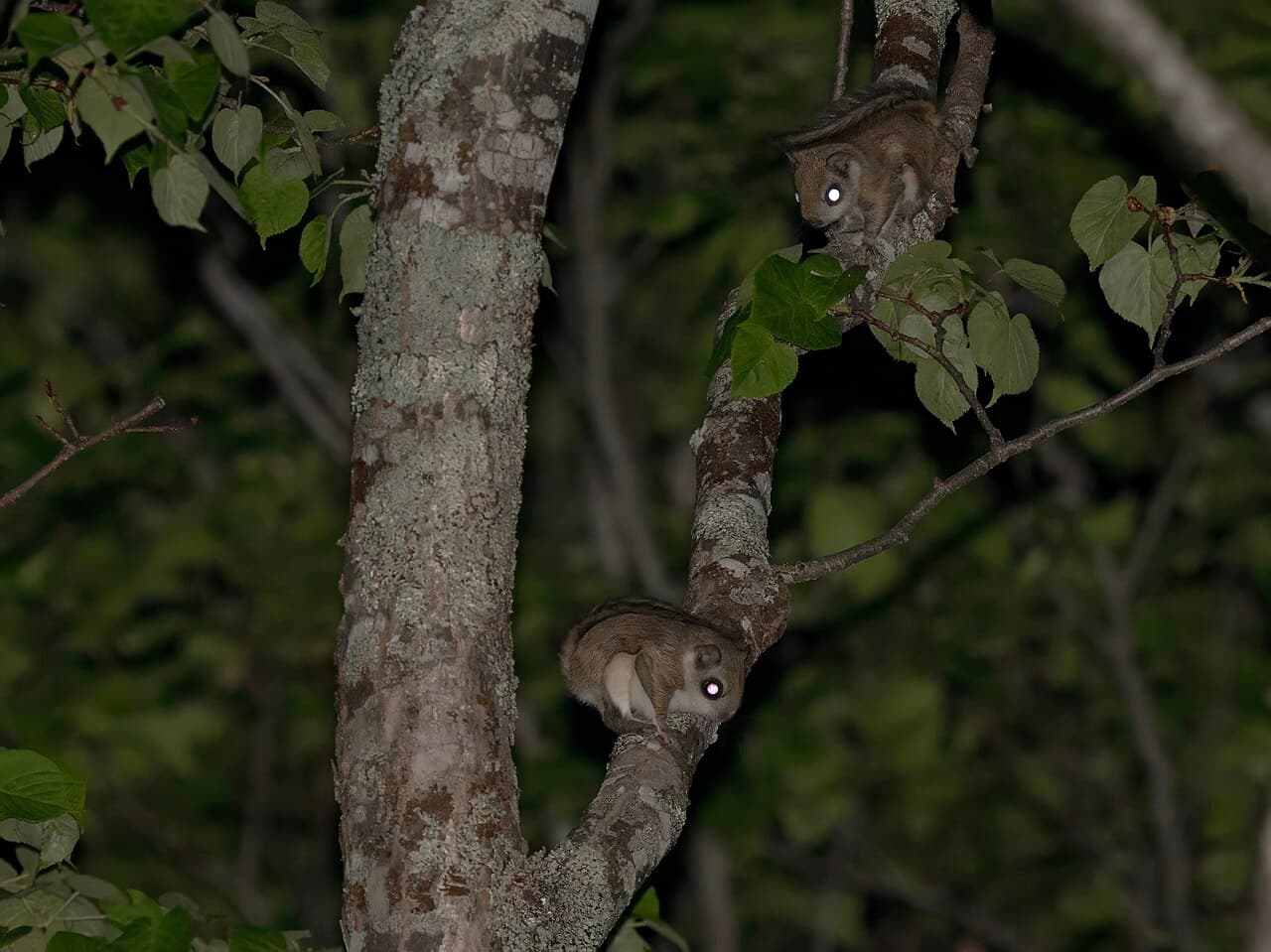
A Japanese dwarf flying squirrel can spread a membrane between its limbs and glide from one tree toward another. Its large eyes belong to an animal that makes much of its living after dark.
It does not flap wings. It turns height into forward movement.
A squirrel with a gliding surface
The species is Pteromys momonga. It is distinct from the Siberian flying squirrel, Pteromys volans, including the form found in Hokkaido.
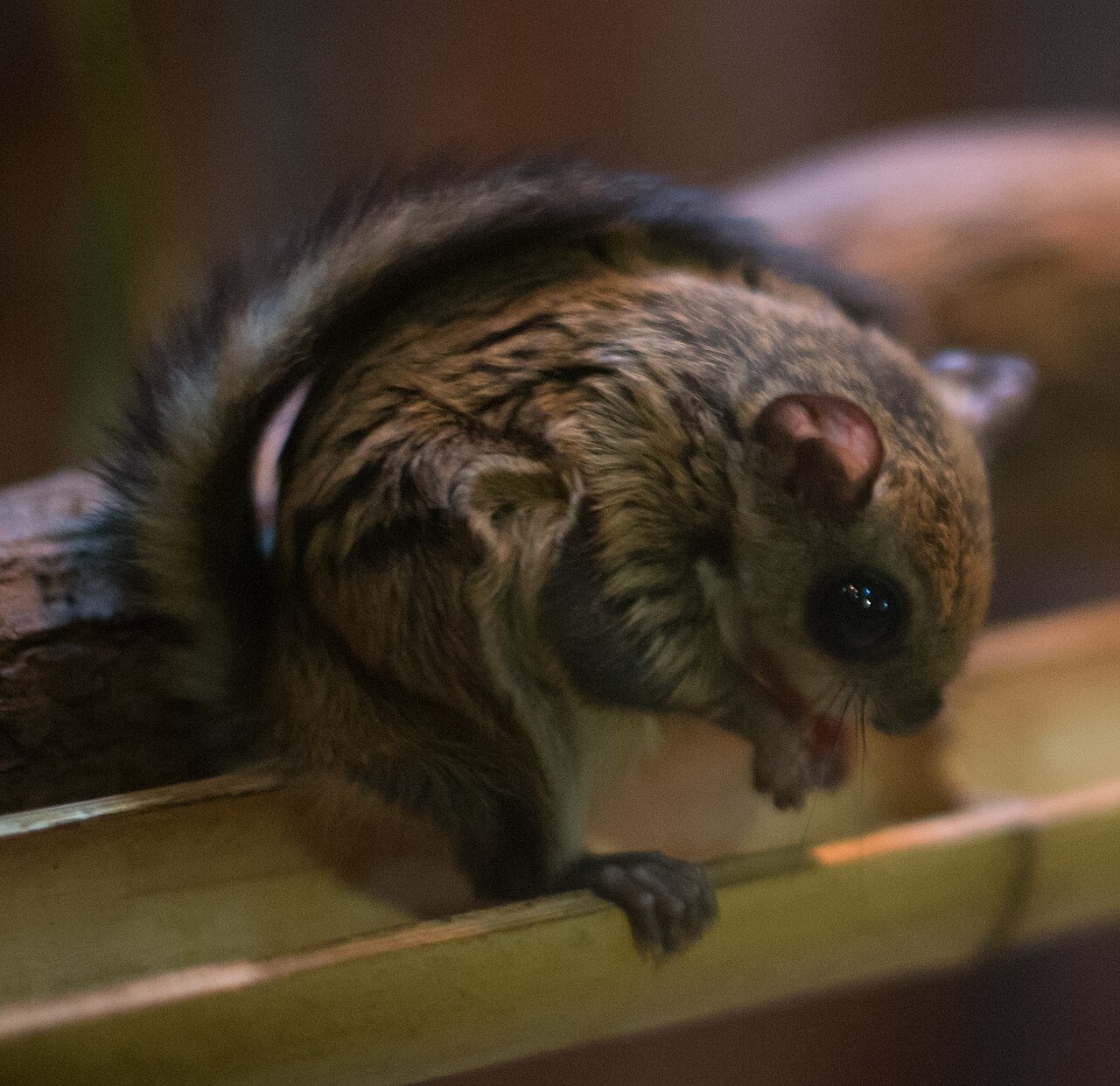
Animal Diversity Web describes the membrane stretching between the forelimbs and hind limbs.
Opening that surface changes the body's aerodynamic shape. Limbs and tail help the animal control its position as it travels.
A night life above the ground
These squirrels use trees for feeding, movement, and shelter. Their menu includes plant foods such as buds, leaves, and seeds.
Large eyes help gather available light, but the animal still depends on a useful forest structure.
A gap can become a route when there is a suitable launch point and landing place. Removing trees can therefore change movement opportunities as well as food supply.
Where a squirrel rests matters
Tree cavities provide important nesting places, although research continues to reveal how the animals use different structures.
A Japanese field study using radio tracking investigated nesting locations.
Such work helps replace assumptions with observations. A quiet daytime resting place can be as important as a spectacular nighttime glide.
Small does not mean simple
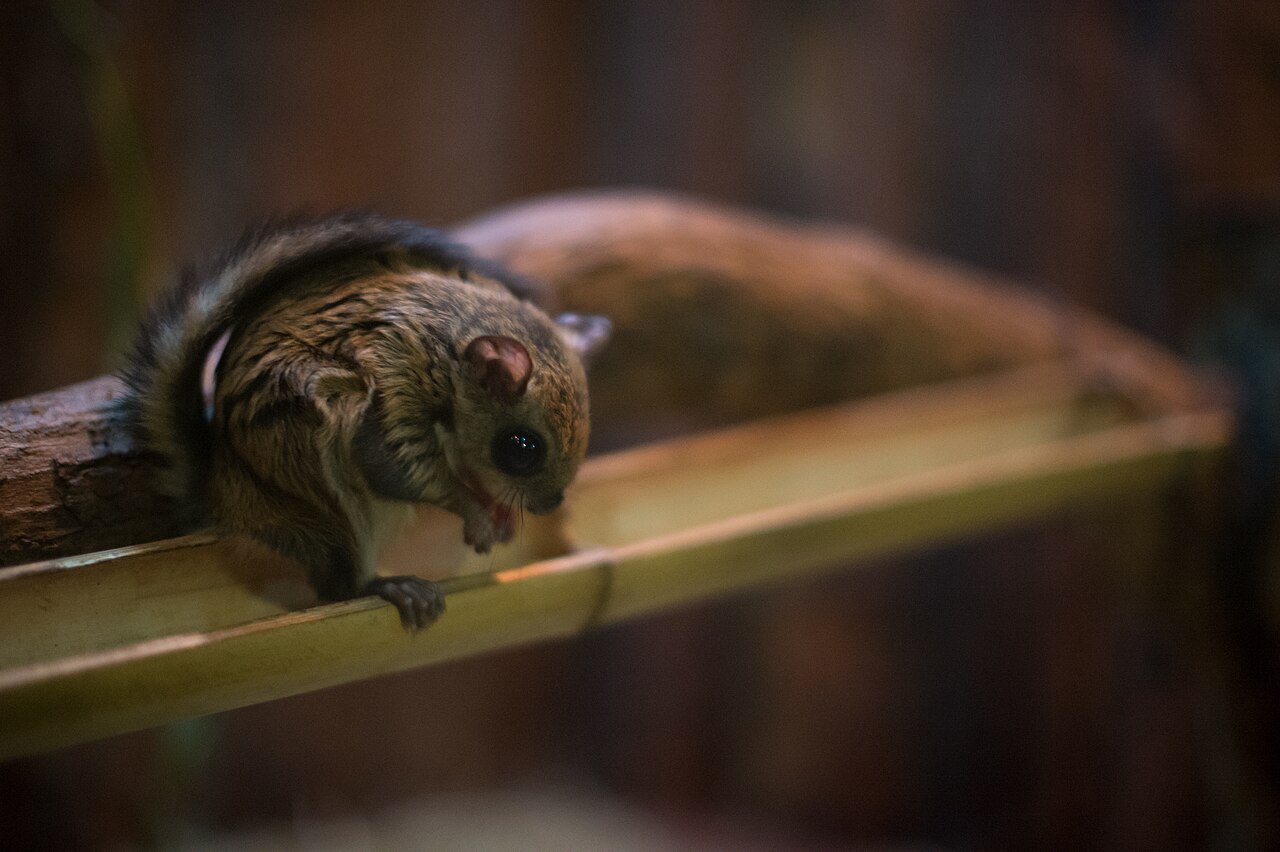
The squirrel's soft appearance can make it seem like a decorative forest inhabitant. Its needs are more complex: feeding trees, secure nests, and connected routes.
The real wonder is how a small mammal turns the spaces between branches into usable habitat. A membrane, a leap, and a carefully placed landing can make an entire forest feel different.
Photo credits
Featured image: James Eaton; Source; CC0. Resized for web display.

Body image 1: Takashi Hososhima from Tokyo, Japan; Source; CC BY-SA 2.0. Resized for web display.

Body image 2: Takashi Hososhima from Tokyo, Japan; Source; CC BY-SA 2.0. Resized for web display.
