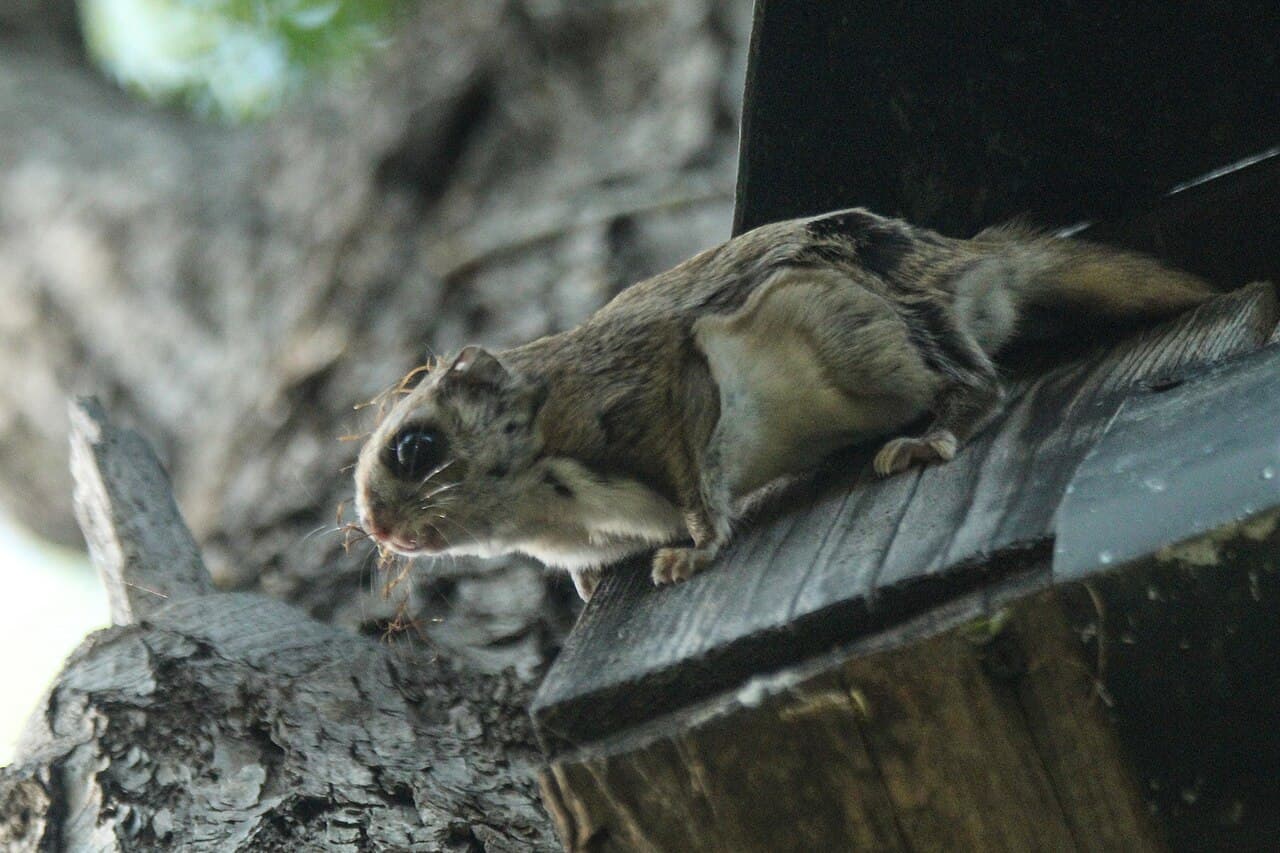
A Siberian flying squirrel can leave one tree and reach another without flapping a wing. It spreads a skin membrane between its limbs, turning a leap into a controlled glide.
Despite its name, this small mammal is a glider. Gravity carries it downward while its stretched membrane helps it travel forward. Watching that journey reveals how much a forest animal can do with the space between branches.
A squirrel with a different travel plan
The Siberian flying squirrel, Pteromys volans, lives across parts of northern Eurasia. It is a different species from the Japanese dwarf flying squirrel, Pteromys momonga.
Animal Diversity Web's species profile describes its nocturnal habits and gliding membrane. Large eyes suit a life that becomes busy after daylight fades.
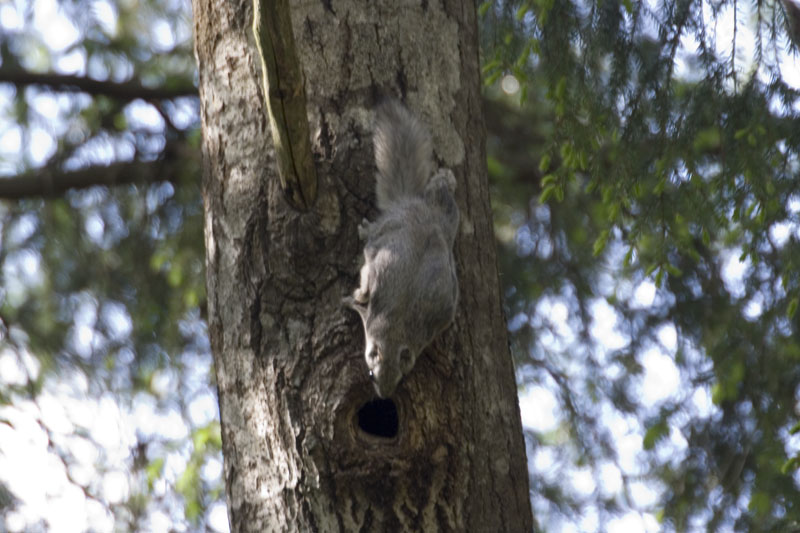
A forest provides food and bedrooms
Leaves, buds, catkins, and other plant foods are part of its diet. Tree cavities offer shelter for resting and raising young.
These needs make a forest more than a collection of trunks. A good home must provide food, safe resting places, and routes between them. A cavity in one tree and a feeding branch in another are useful together.
Why gaps matter
Finnish researchers have examined the species' use of woodland in a study of habitat selection. Forest structure matters when an animal travels through the canopy and relies on particular shelter sites.
Keeping mature trees and connections between wooded areas helps preserve the setting in which this way of life works.
A quiet reason to value trees
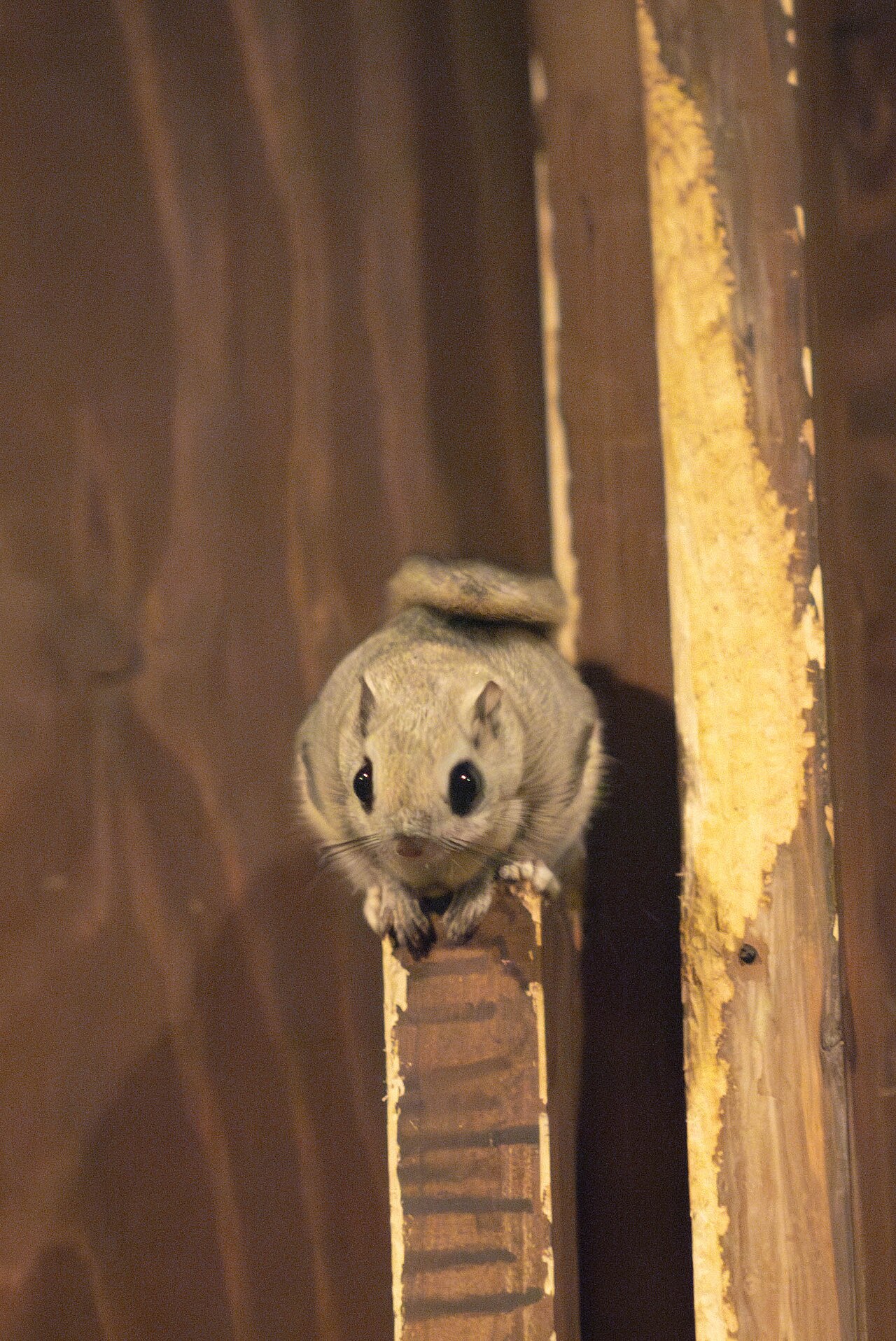
A flying squirrel may remain unseen while people walk beneath its branches. Its hidden life is a reminder to look beyond the obvious inhabitants of a forest.
A hollow tree can be a bedroom. A branch can be a launch point. The space between trees can become a nighttime route.
Photo credits
Featured image: Andrew Bazdyrev; Source; CC BY 4.0. Resized for web display.

Body image 1: “Marko Schrader (Liito-orava)”; Source; CC BY-SA 3.0. Resized for web display.

Body image 2: Kingfiser; Source; CC BY-SA 4.0. Resized for web display.
