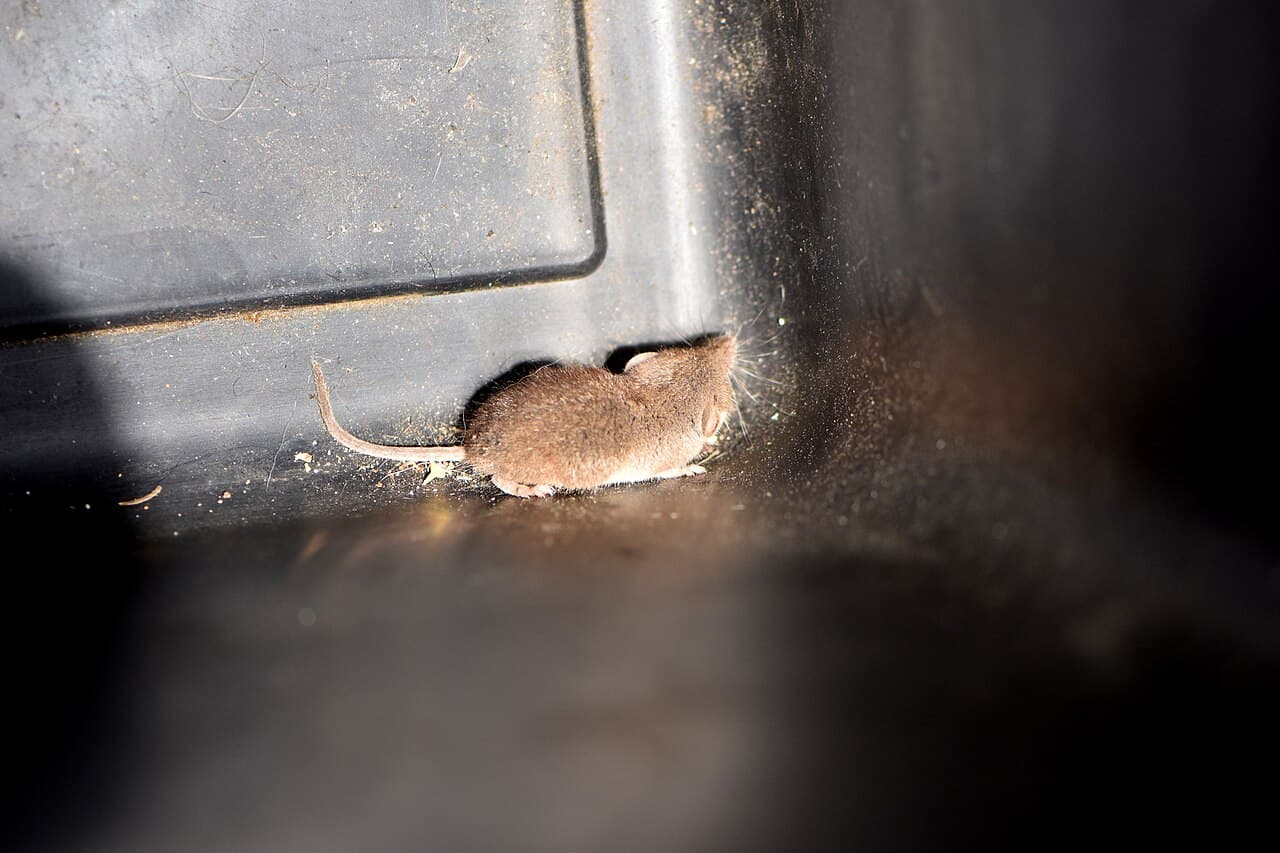
For an Etruscan shrew, a set of whiskers is much more than facial decoration. Those fine hairs help this tiny hunter find and examine prey at close range.
The Etruscan shrew, Suncus etruscus, is among the world's smallest mammals by body weight. Its size is astonishing, but the way it gathers information may be even more interesting.
Small does not mean slow
Animal Diversity Web describes a small, active mammal with a high energy demand. It feeds on invertebrates rather than spending its life nibbling seeds.
A small body loses heat quickly relative to its volume. Finding enough food is therefore a central part of this shrew's daily challenge. Its tiny proportions come with demanding needs.
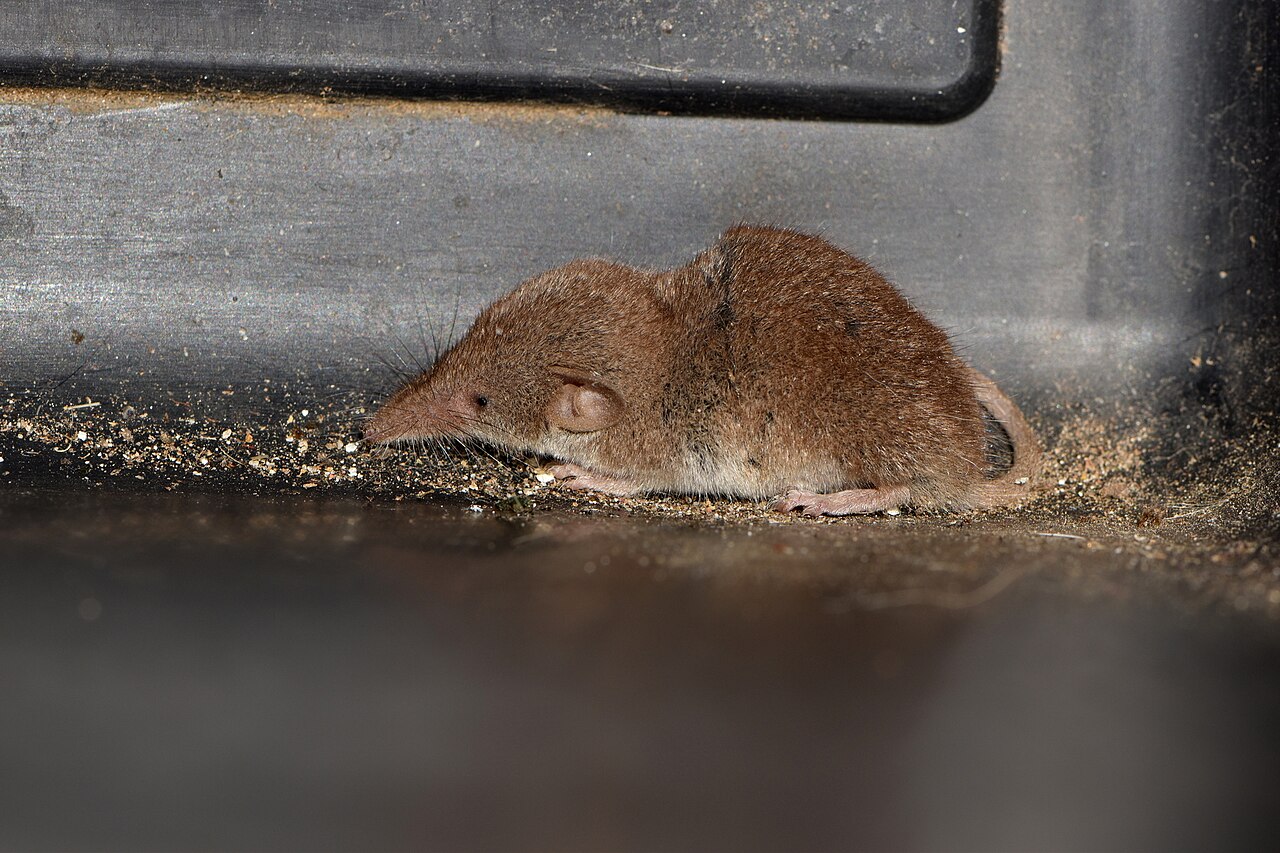
Hunting through touch
Researchers describe the shrew's touch system in a scientific overview of its whiskers. Longer whiskers help detect objects, while shorter ones around the mouth contribute information during close contact.
Whisker movement and contact give the animal clues about a prey item's shape and position. That is especially useful when a meal must be investigated at very short range.
Calling the whiskers “feelers” is a helpful starting point, but they belong to a much richer sensory system.
Which mammal is the smallest?
Record claims need a measurement. The Etruscan shrew is commonly discussed among the smallest by mass; another mammal can rank differently when length is used.
That distinction does not make the shrew less remarkable. It makes the comparison more accurate.
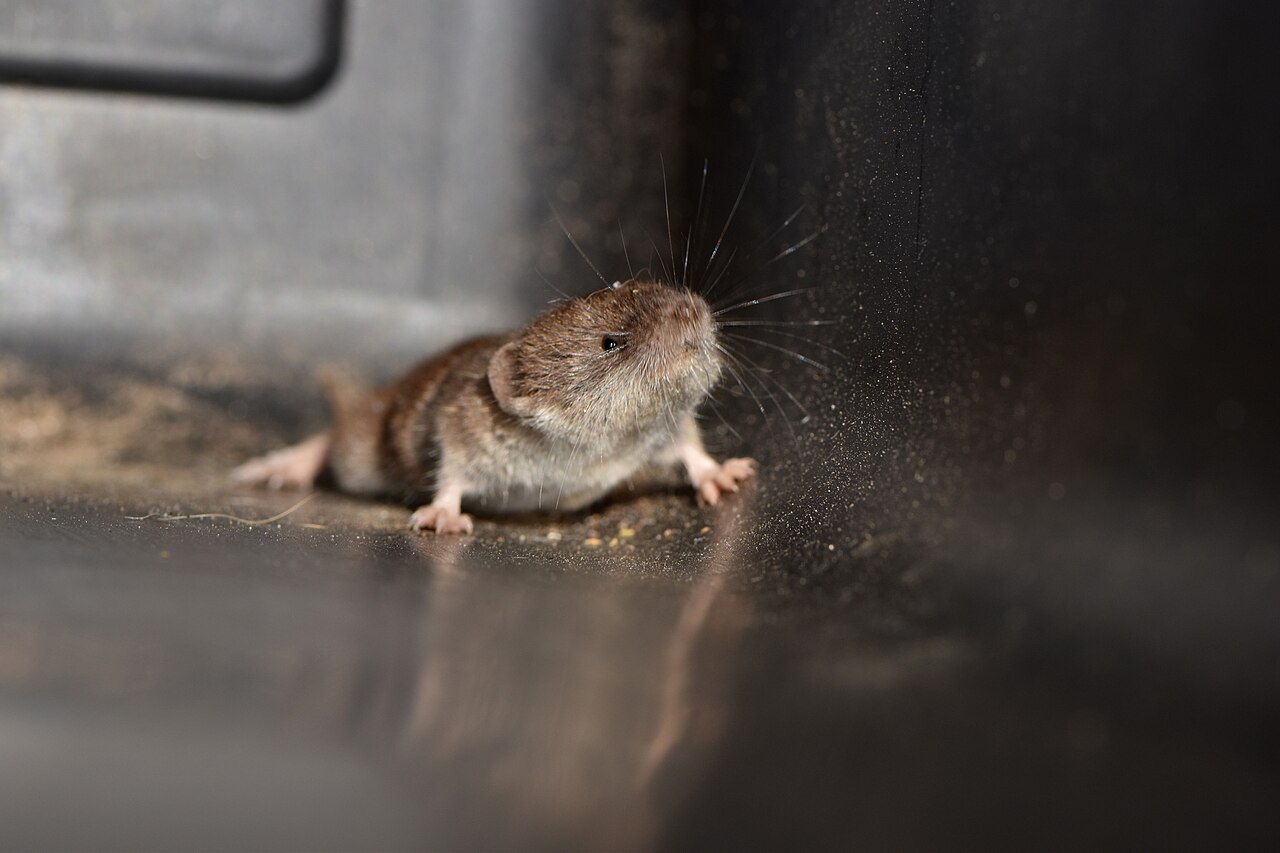
A whole world near the ground
The Etruscan shrew invites us to imagine nature at another scale. A patch of ground can contain hiding places, obstacles, and hunting opportunities that a person barely notices.
Its story is about more than being small. It is about sensing that world well enough to survive in it.
Photo credits
Featured image: Lies Van Rompaey on iNaturalist; Source; CC BY 4.0. Resized for web display.

Body image 1: Lies Van Rompaey on iNaturalist; Source; CC BY 4.0. Resized for web display.

Body image 2: Lies Van Rompaey on iNaturalist; Source; CC BY 4.0. Resized for web display.
