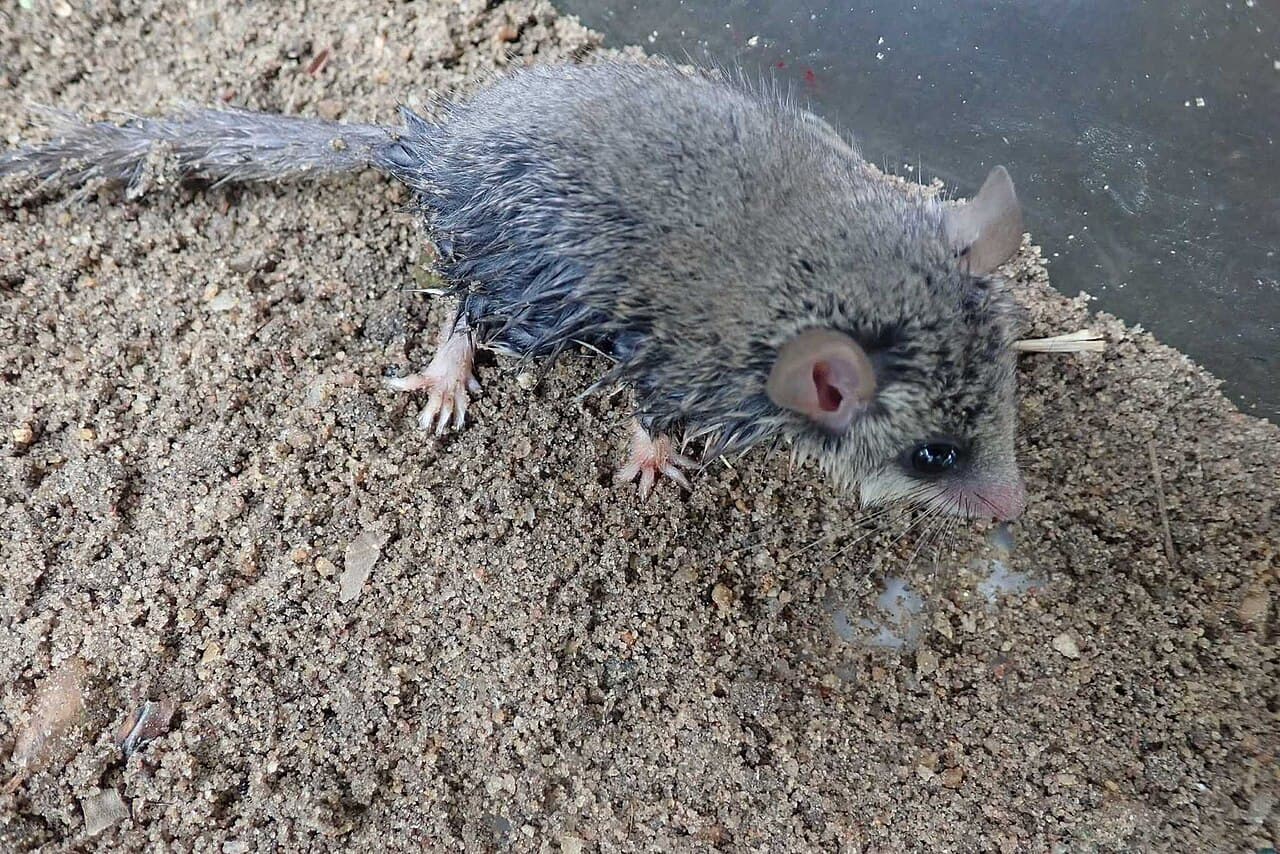
A bushy tail and bright eyes make the African pygmy dormouse easy to admire. But its most interesting feature is how well its small body fits a world of branches, sheltered nests, and nighttime feeding.
“African pygmy dormouse” is a common name used for animals in the genus Graphiurus. This article focuses on the woodland dormouse, Graphiurus murinus, rather than treating every African dormouse as the same species.
A life above the ground
Animal Diversity Web's woodland dormouse profile describes an agile, mainly nocturnal climber. Its grasping feet and balancing tail help it move through vegetation.
Tree cavities and other protected spaces can provide nesting sites. Nests give these small mammals somewhere to rest when they are not searching for food.
More than a seed eater
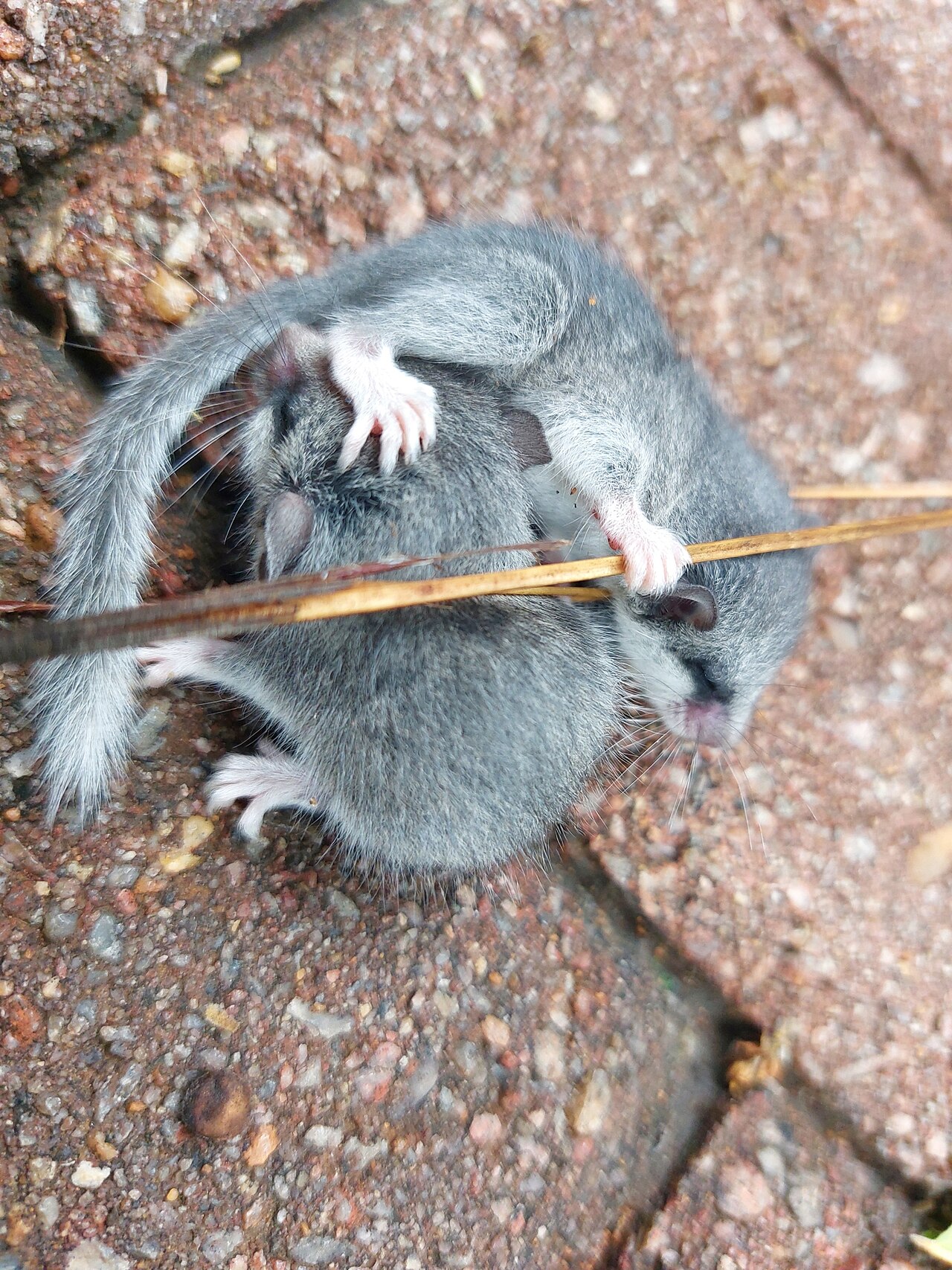
A dormouse's soft appearance does not reveal its whole menu. Woodland dormice can eat both plant material and animal foods, including insects.
Such variety is useful when different foods become available at different times. A branch may offer a route to shelter, a feeding place, or both.
Its habits also explain why looking only on the ground can miss part of the story. SANBI's assessment notes the difficulty of sampling an animal that spends much of its time above ground.
Sleep follows conditions
Dormice are famous for long periods of inactivity, but it is misleading to give every species and population an identical winter schedule.
Temperature, food, and local conditions influence how animals conserve energy. The woodland dormouse's behavior needs to be understood in the setting where it lives.
A small resident worth noticing
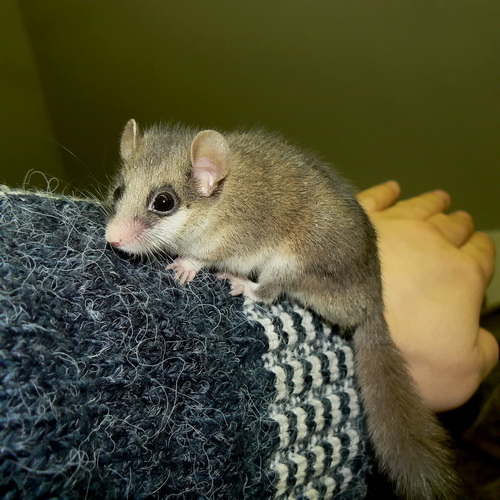
The woodland dormouse shows how much activity can be tucked into an ordinary-looking patch of vegetation.
Preserving trees, sheltered spaces, and varied woodland growth protects more than scenery. It preserves the little routes and hiding places that make a nighttime life possible.
Photo credits
Featured image: Andrew Deacon; Source; CC0. Resized for web display.

Body image 1: Manuel R Popp; Source; CC BY 4.0. Resized for web display.

Body image 2: Николай Усик / http://paradoxusik.livejournal.com/; Source; CC BY-SA 3.0. Resized for web display.
