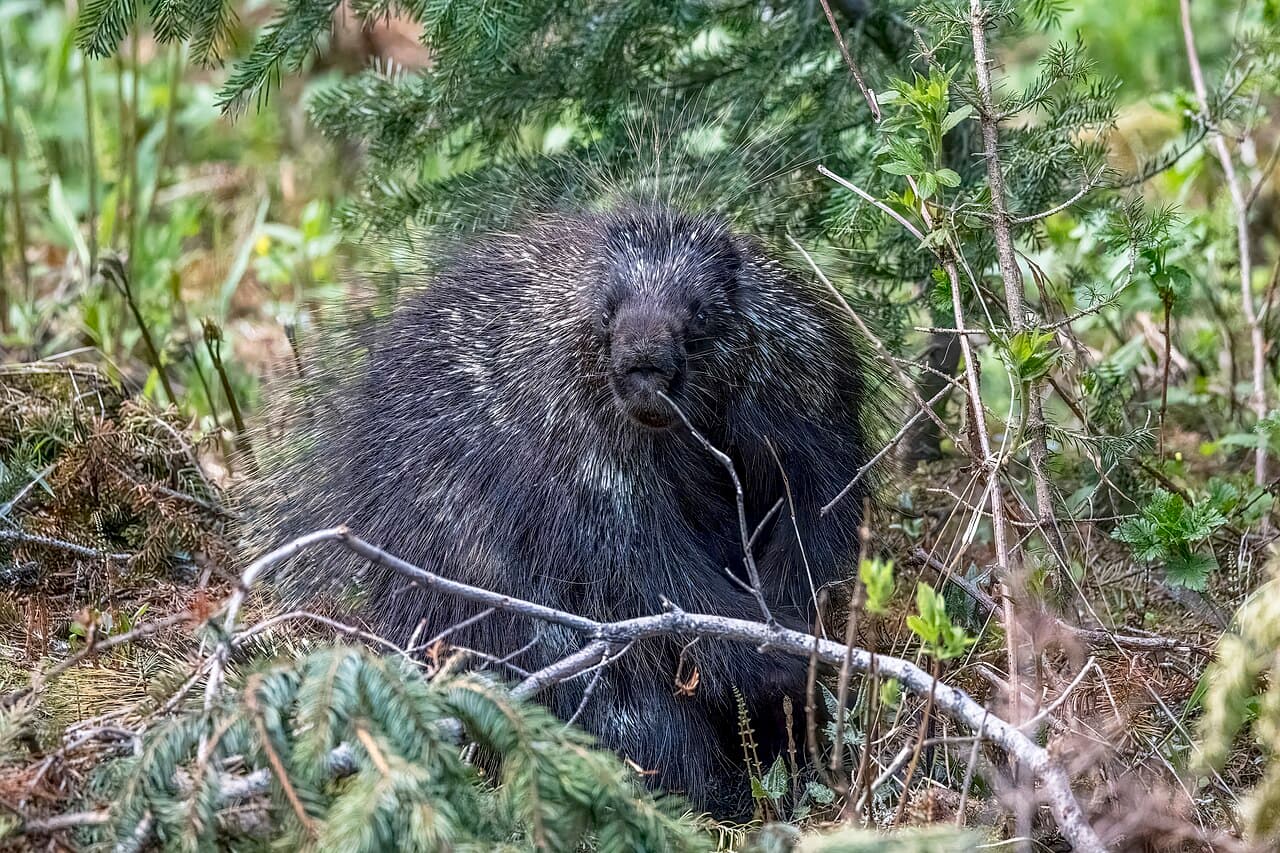
A North American porcupine cannot shoot its quills. The famous spikes work through contact: quills can detach when they become embedded in an animal that gets too close.
That simple correction makes the real animal more interesting. Its defense does not require a flying weapon. It requires a predator to make a costly mistake.
Quills are modified hairs
The North American porcupine, Erethizon dorsatum, is a large rodent with a coat that includes specialized defensive hairs.
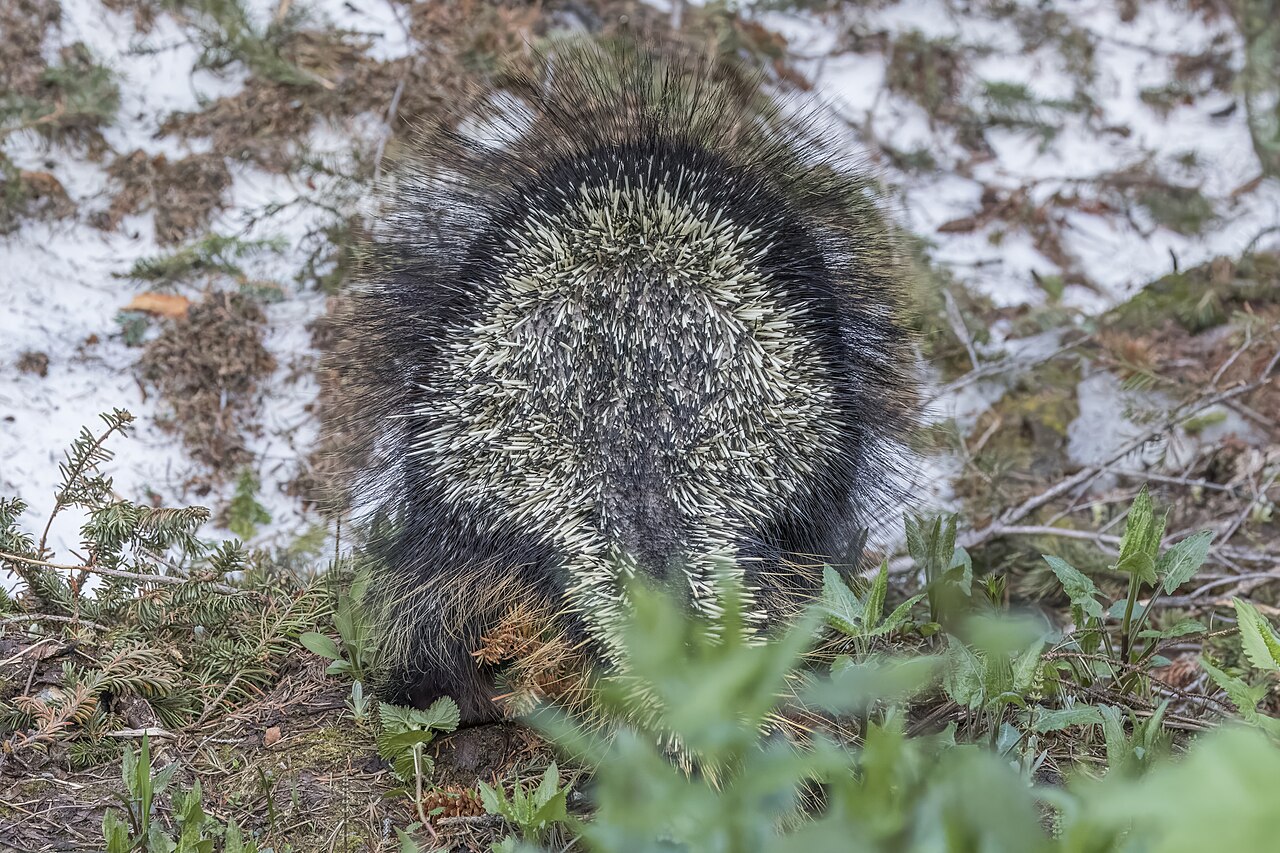
Smithsonian's National Zoo explains its quills and natural history. A threatened porcupine can raise its quills and present its protected back and tail toward danger.
The lesson for people is straightforward: give the animal room. Trying to touch or move it creates the contact its defense is built around.
A surprisingly capable climber
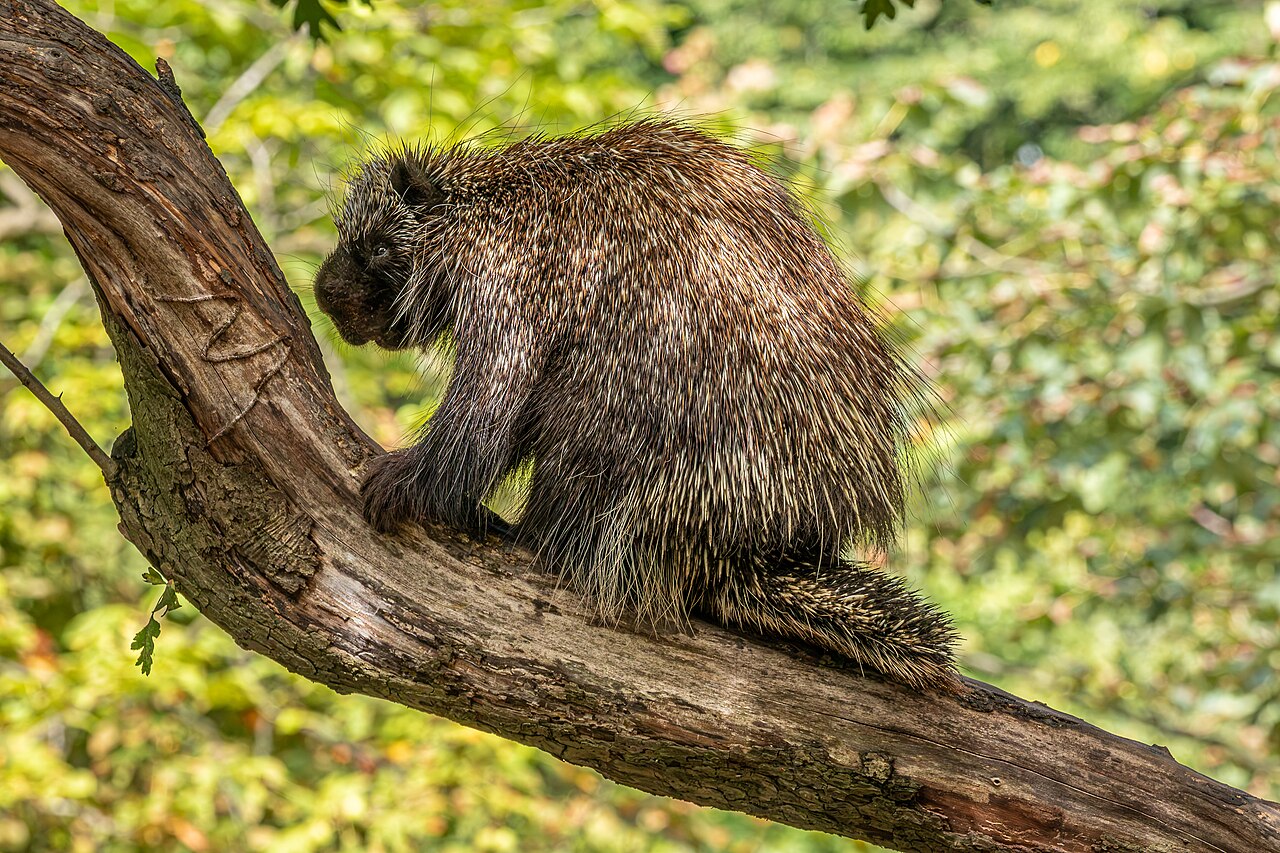
A porcupine's slow movements on the ground can hide its skill in trees. Strong claws help it climb, and trees provide both food and places to spend time.
Its diet includes leaves, buds, bark, and other vegetation. As San Diego Zoo's porcupine overview explains, porcupines are plant eaters with a range of feeding habits.
North American porcupines should not be confused with tropical porcupines that have gripping tails. Their own climbing equipment works without a prehensile tail.
Defense has limits
Quills discourage many attacks, but they do not make a porcupine invulnerable. Roads and encounters with people can still put it in danger.
Keeping dogs away from wildlife is also good for both animals. Curiosity at close range can end in a painful encounter.
Better than the myth
The real porcupine does not need the ability to launch spikes to deserve attention.
It is a tree-climbing rodent whose coat has become an effective warning. Understanding that coat gives us a better story—and a good reason to admire it from a distance.
Photo credits
Featured image: Charles J. Sharp; Source; CC BY-SA 4.0. Resized for web display.

Body image 1: Charles J. Sharp; Source; CC BY-SA 4.0. Resized for web display.

Body image 2: H. Zell; Source; CC BY-SA 3.0. Resized for web display.
