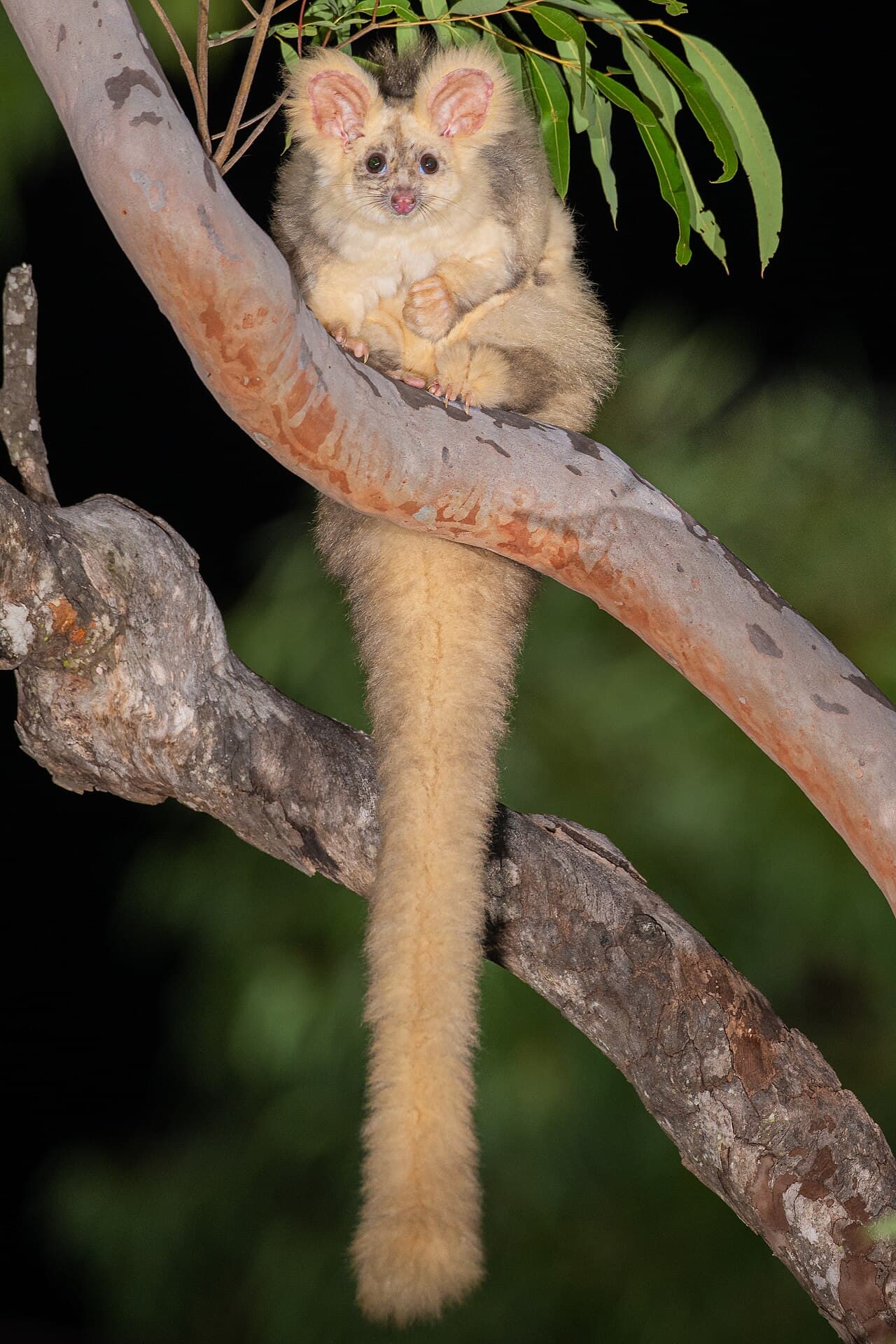
A greater glider can travel from tree to tree on a broad fold of skin. Yet one of the most important things in its life is a space inside a tree: a hollow where it can shelter.
Its story brings together two very different forest features—open air for gliding and old trees for resting.
A marsupial made for the canopy
Greater gliders are Australian marsupials in the genus Petauroides. They feed mainly on eucalyptus leaves and spend much of their time in trees.
Their gliding membrane extends between the elbows and ankles. By spreading their limbs, they turn a leap into a glide rather than powered flight. Animal Diversity Web describes this unusual combination of leaf eating and canopy travel.
The name covers a changing scientific picture
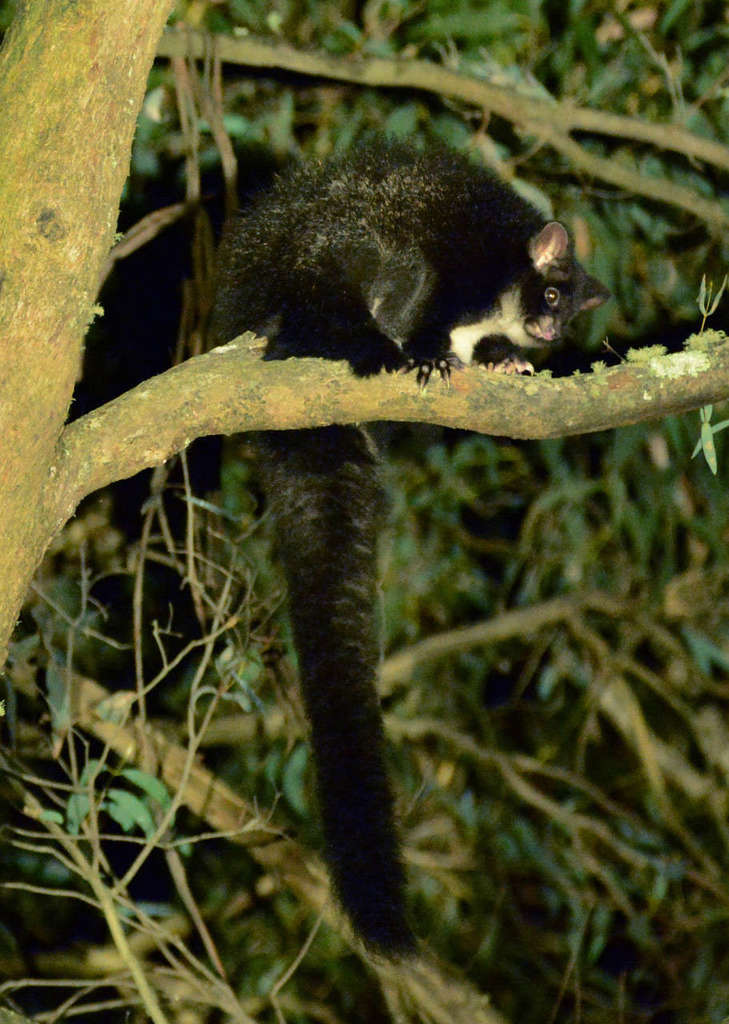
Research has revealed more diversity within greater gliders than older descriptions recognized. Genetic work published by researchers including an Australian National University team supported distinctions among northern, central, and southern forms.
Scientific studies and conservation plans may group these animals differently. It is worth checking which population a particular claim concerns rather than applying every detail to every greater glider.
A hollow is hard to replace
Australia's 2026 national recovery plan for greater gliders highlights their conservation needs.
Mature trees with suitable hollows provide shelter that young trees cannot immediately replace. Retaining food trees and connections between forest patches matters too.
Real gliding is impressive enough
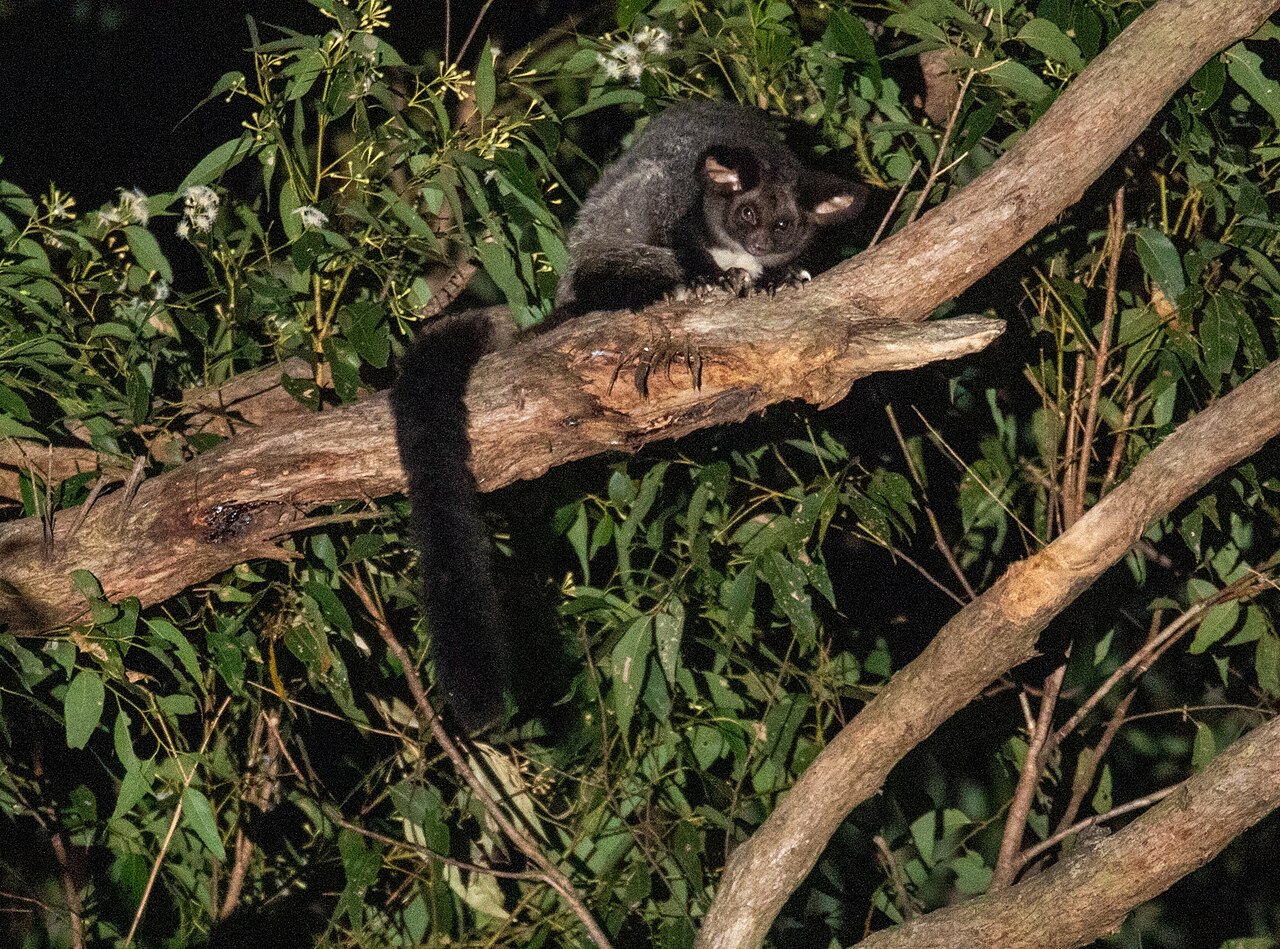
A 2026 ANU report on gliding research also shows why dramatic distance claims need careful measurement and correct species identification.
The greater glider does not need an exaggerated record to inspire wonder. It needs a living forest, with places to feed, launch, land, and hide. Protecting those features protects the whole journey.
Photo credits
Featured image: Samrhorton; Source; CC BY-SA 4.0. Resized for web display.

Body image 1: John Walter; Source; CC BY 4.0. Resized for web display.

Body image 2: Scott Warner; Source; CC BY 4.0. Resized for web display.
