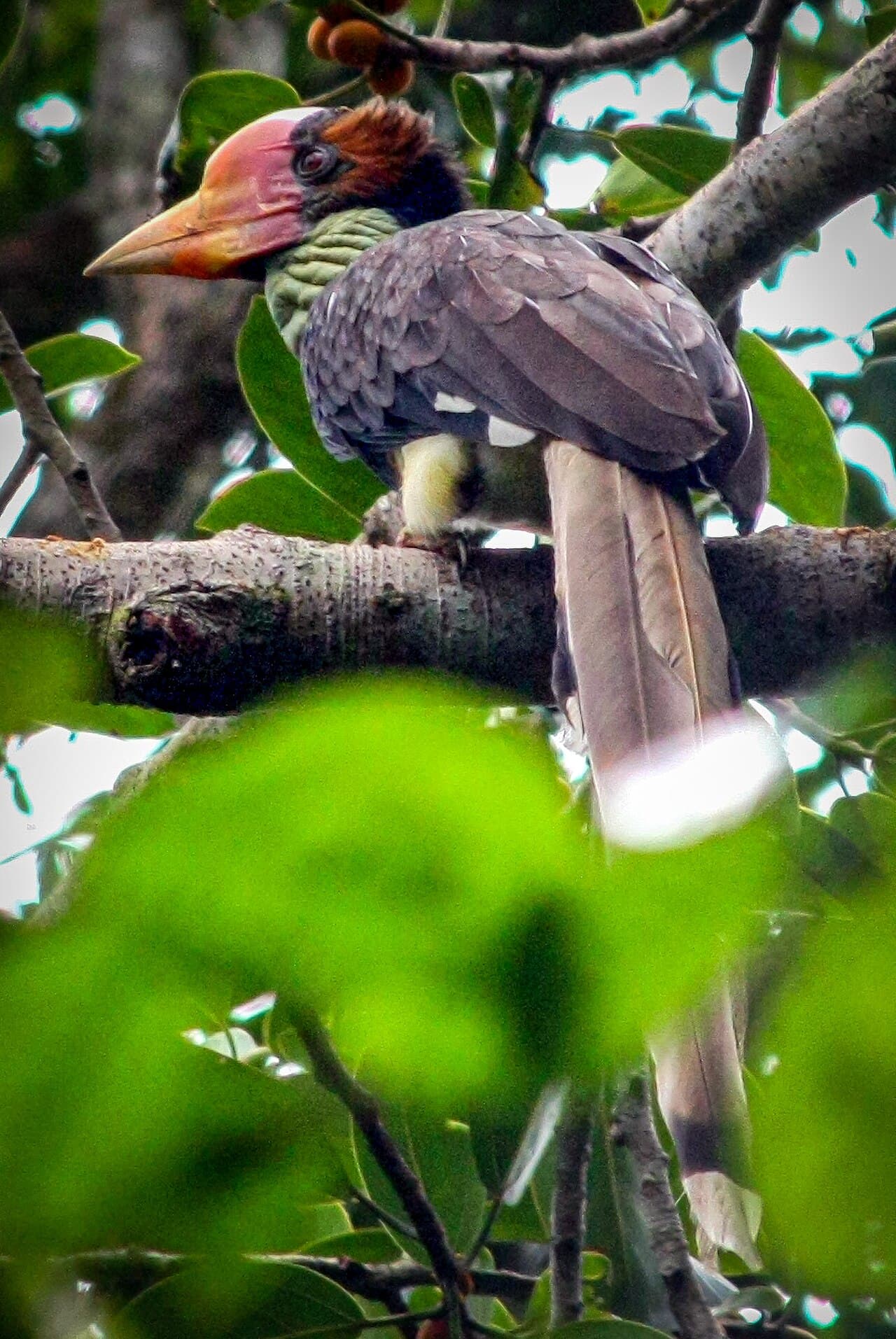
Helmeted Hornbill: The Forest Bird With a Solid Casque
Explore the helmeted hornbill's solid casque, unusual nesting behavior, and the conservation work needed to protect this rainforest bird.
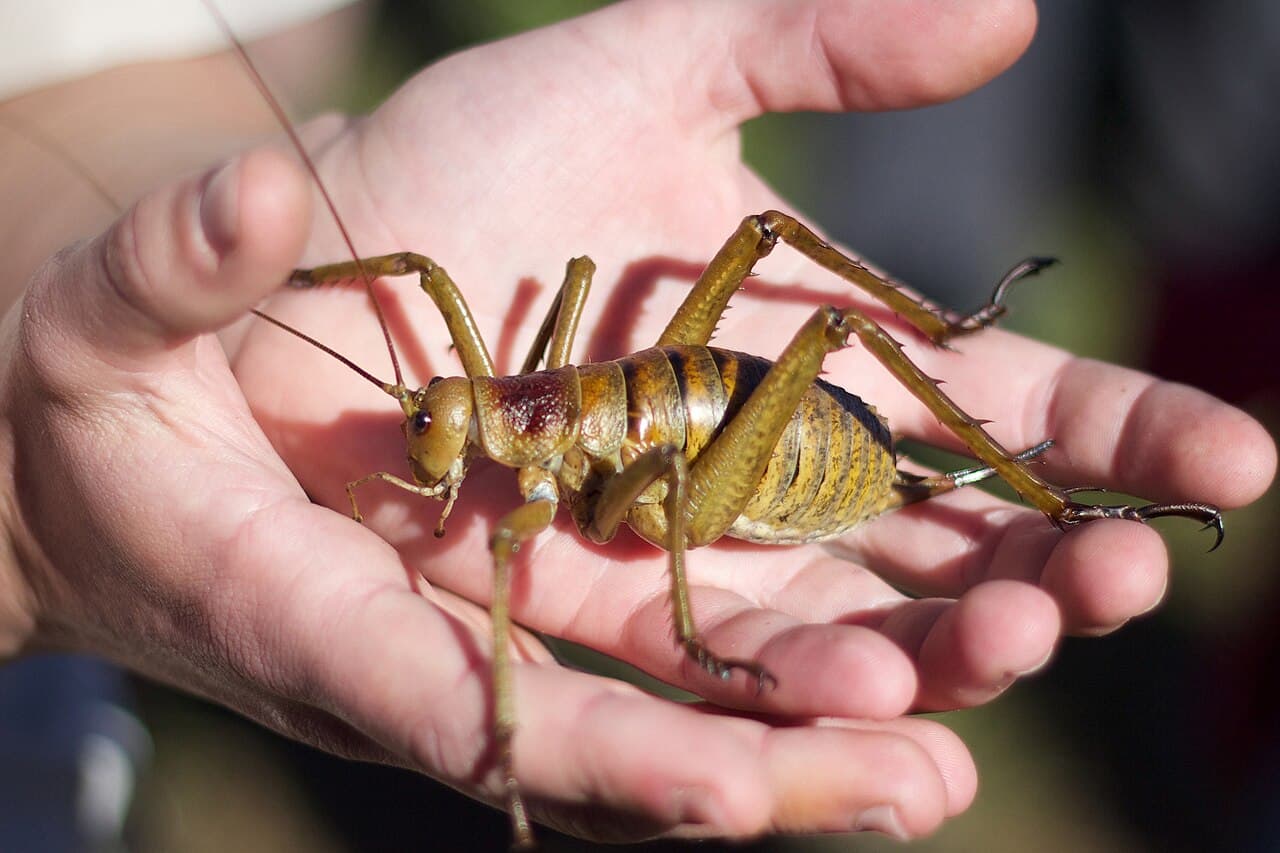
Meet wētāpunga, a giant New Zealand insect with spiny legs, a leaf-based diet, and a remarkable island conservation story.
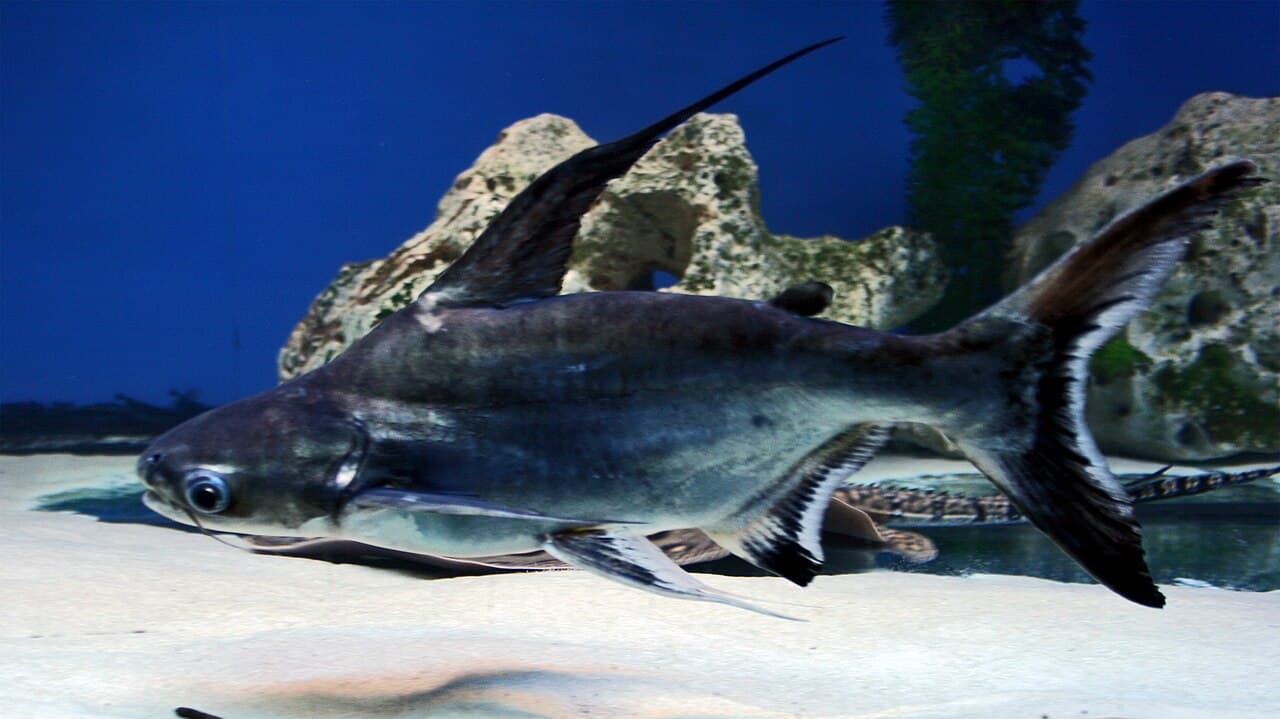
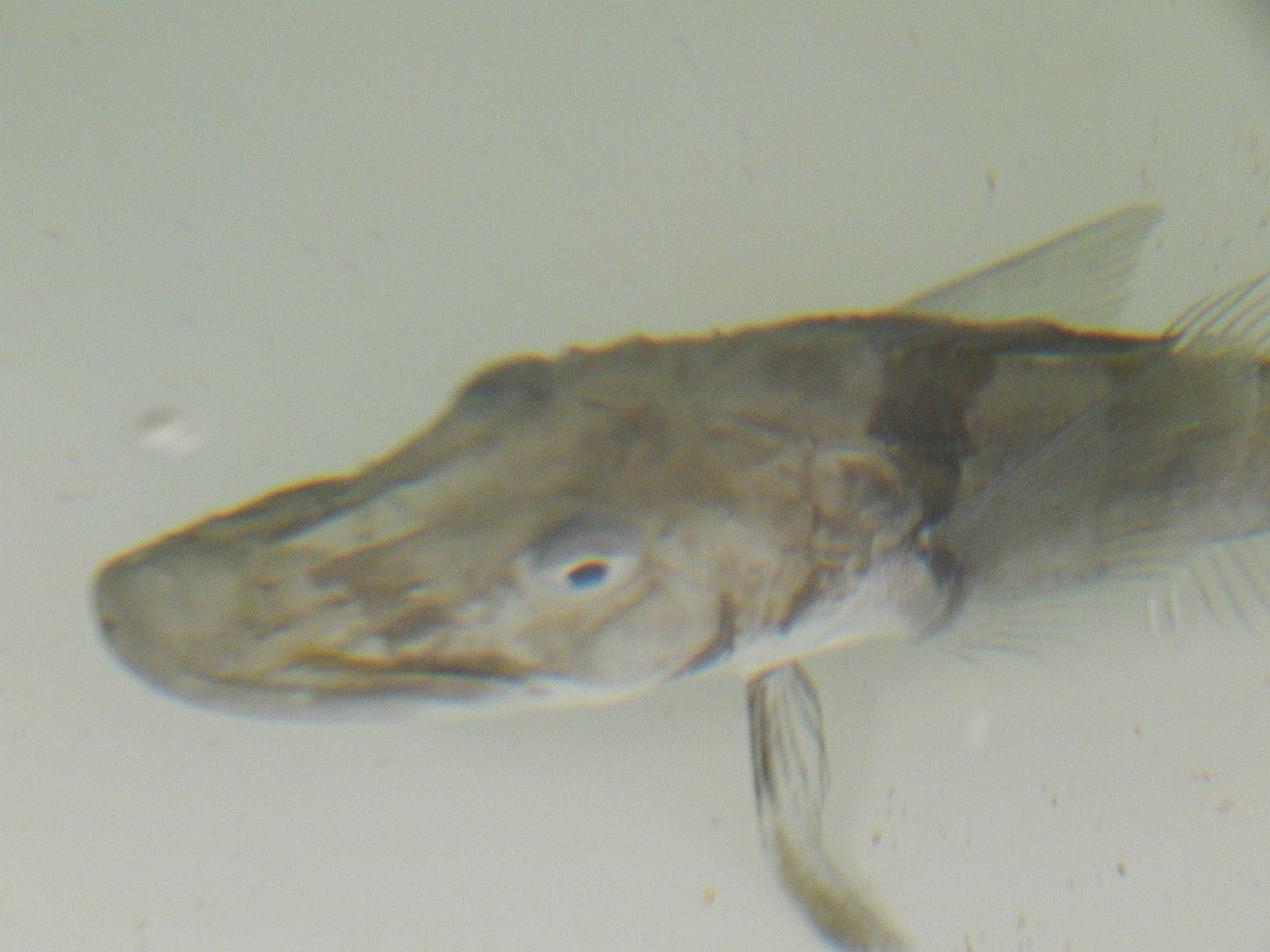
Meet giant pangasius, the huge freshwater catfish with shark-like fins, and discover its river migrations and conservation challenges.
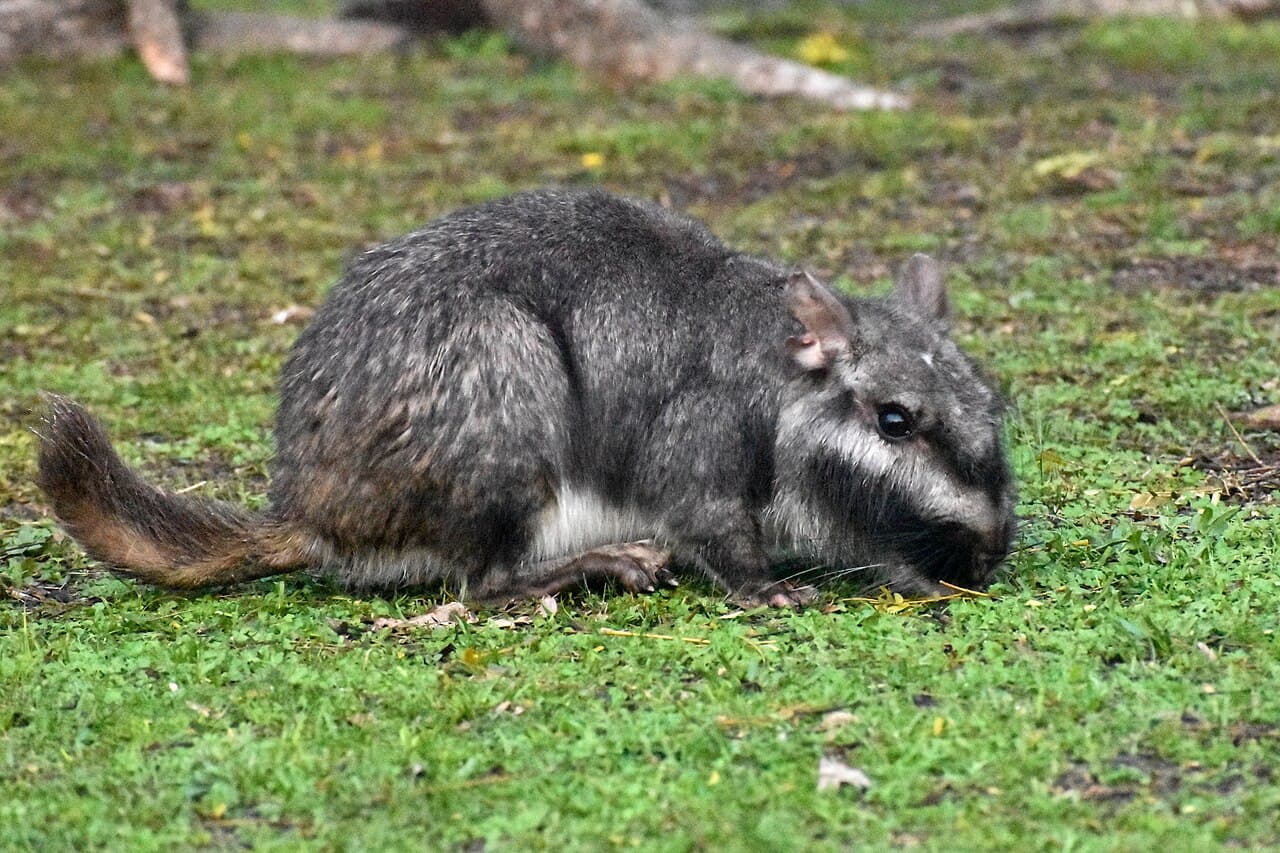
Meet the plains viscacha, a South American rodent with bold facial stripes, powerful digging claws, and a remarkable underground social life.
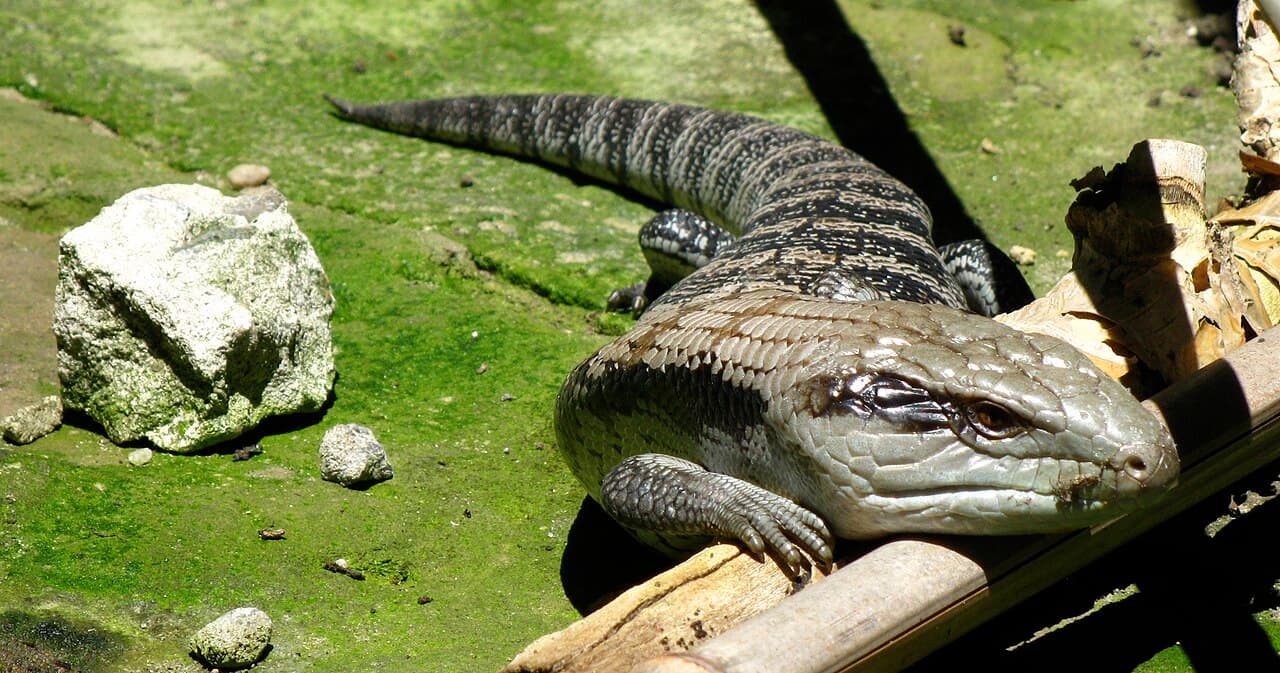
Why does a blue-tongued skink flash its tongue? Meet the eastern blue-tongue and discover its defense display, diet, and garden life.
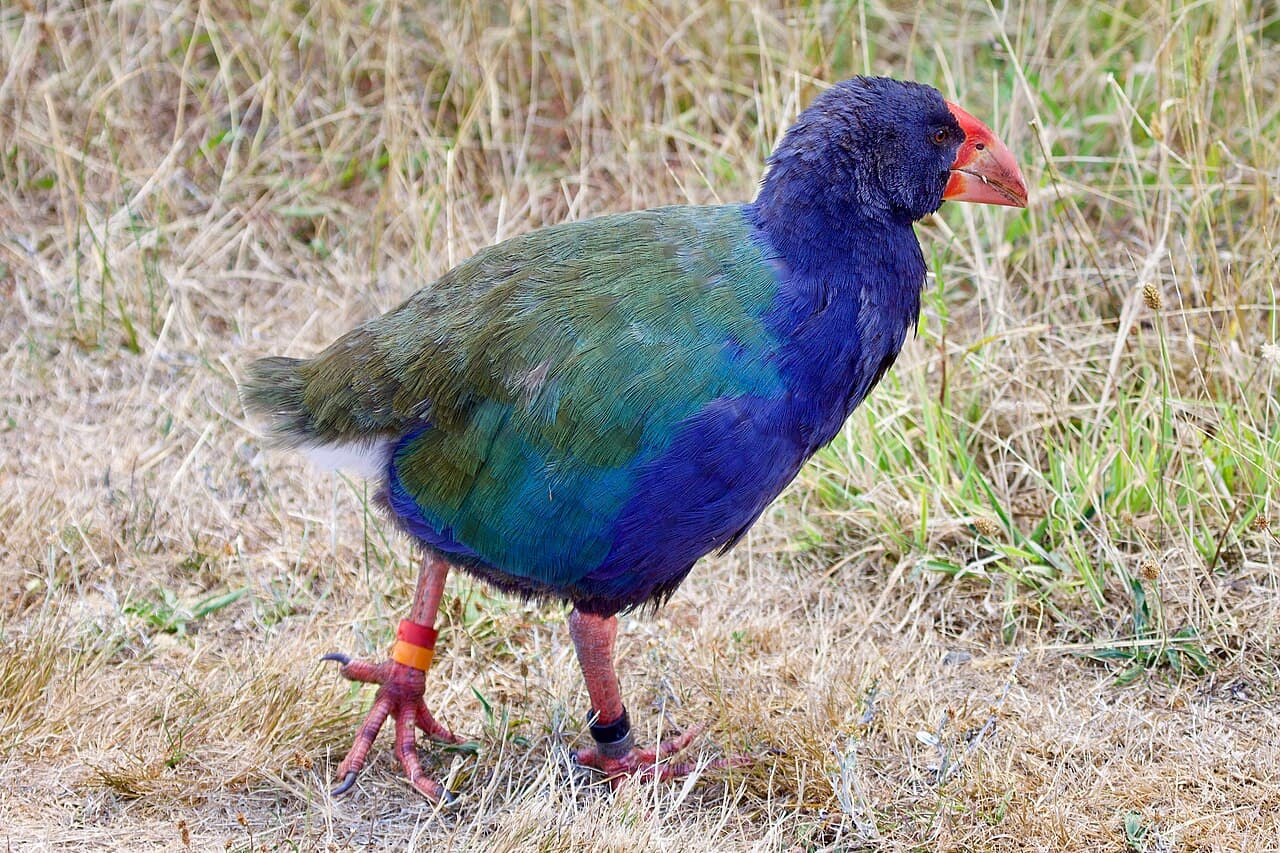
Meet the takahē, New Zealand's colorful flightless rail, and explore its powerful red bill, 1948 rediscovery, and conservation story.
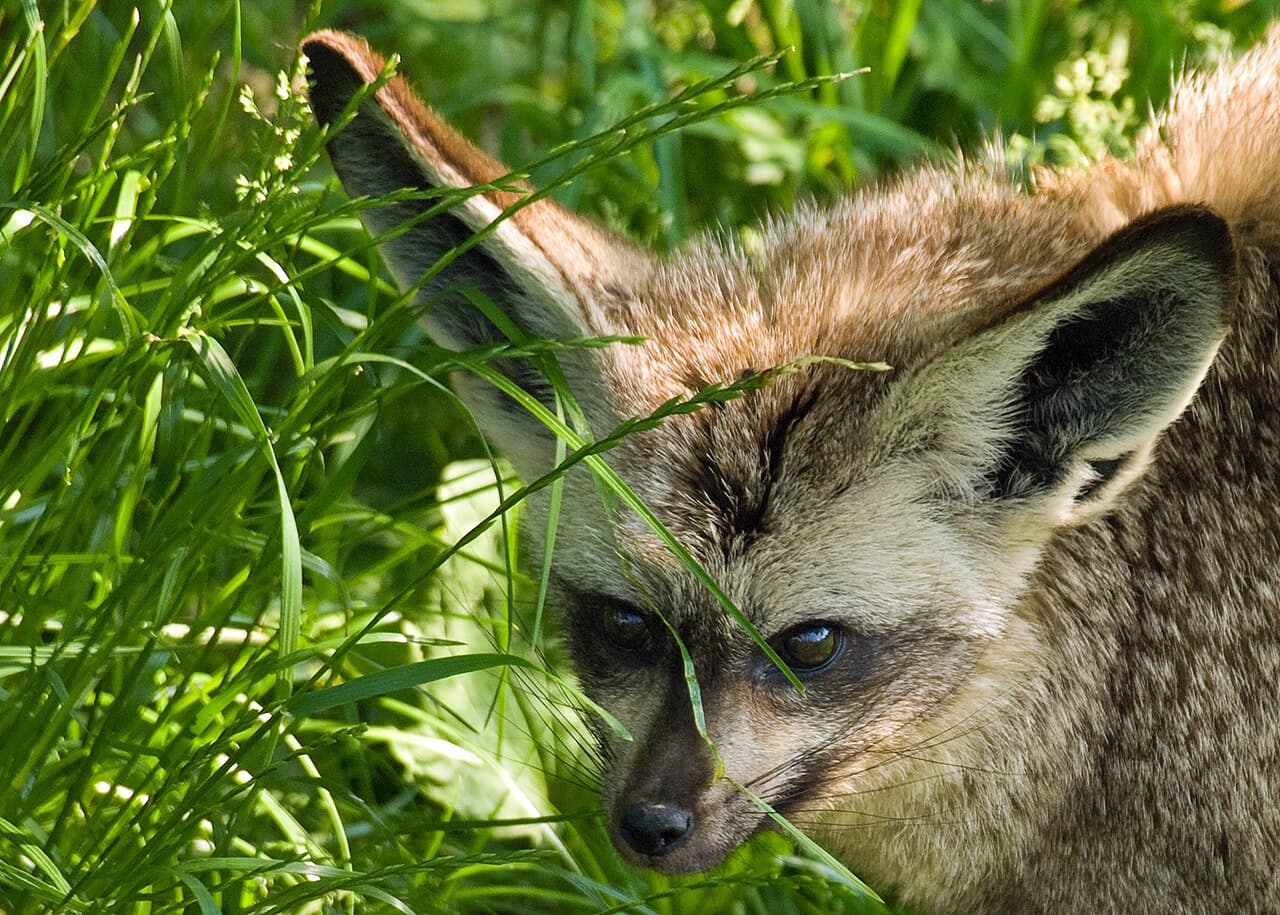
Discover how the bat-eared fox uses oversized ears to find insects, stay cool, and thrive in Africa's open grasslands.
Meet the Pacific spiny lumpsucker, a tiny round fish whose modified fins form a suction disc for gripping rocks and kelp.
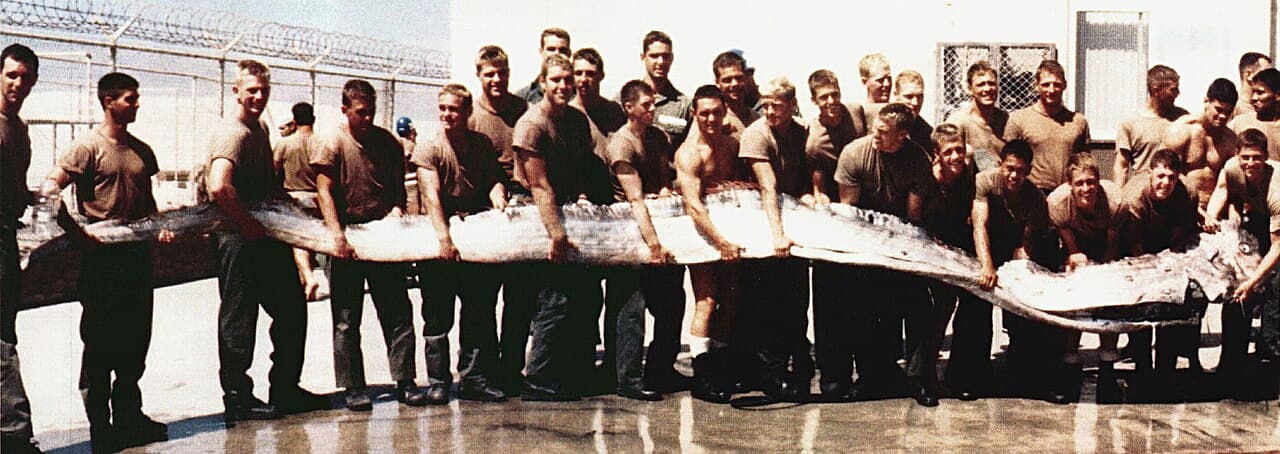
Discover the giant oarfish, a silver ribbon of the deep ocean whose remarkable length may have inspired stories of sea serpents.
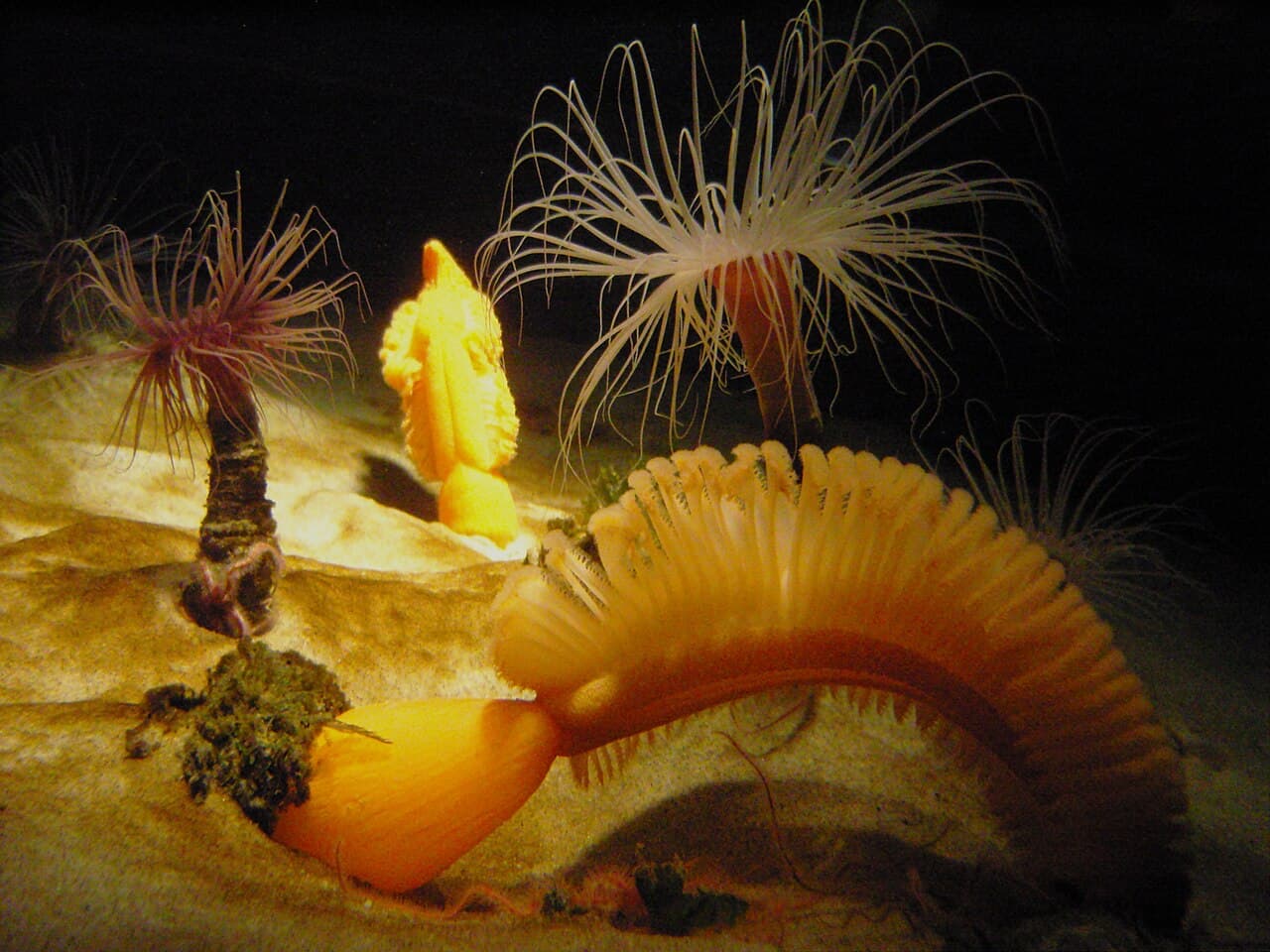
A sea pen looks like a feather rooted in sand, but it is a colony of animals. Explore its feeding polyps, glowing light, and seabed life.
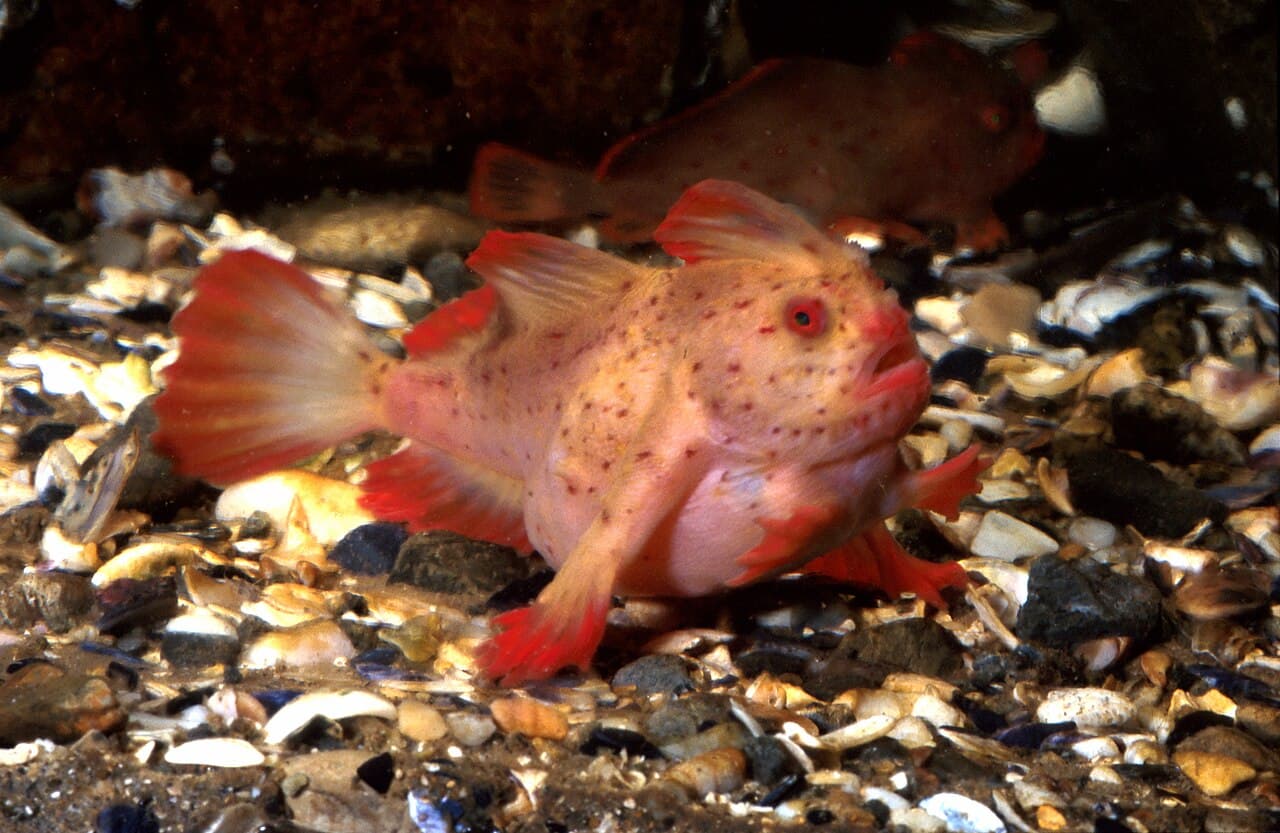
Meet the red handfish, a tiny Tasmanian fish that walks on its fins, and discover why protecting its seaweed habitat matters.
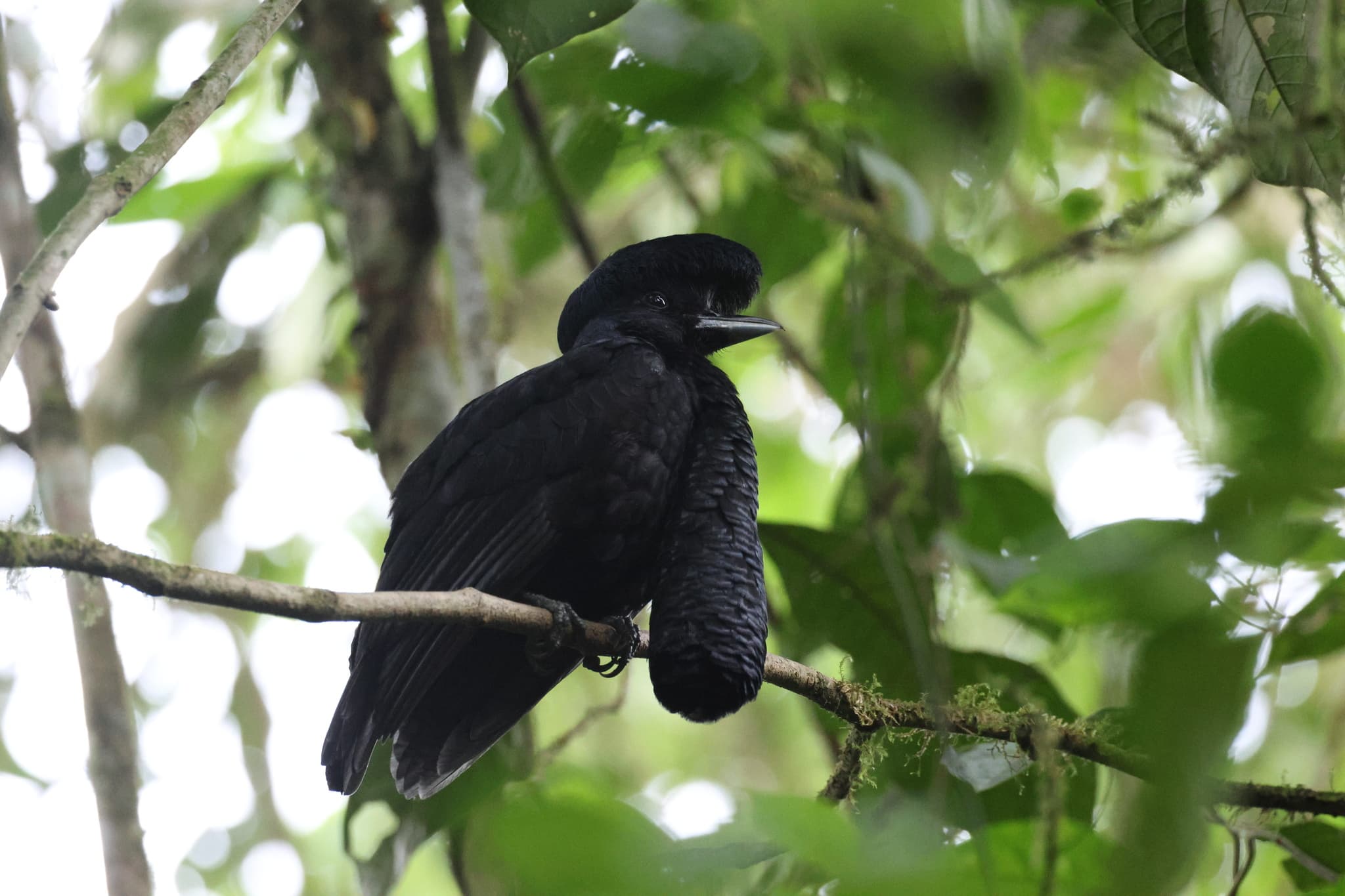
Meet the long-wattled umbrellabird, a rainforest bird with an extraordinary throat wattle, a booming courtship display, and a role in spreading forest seeds.
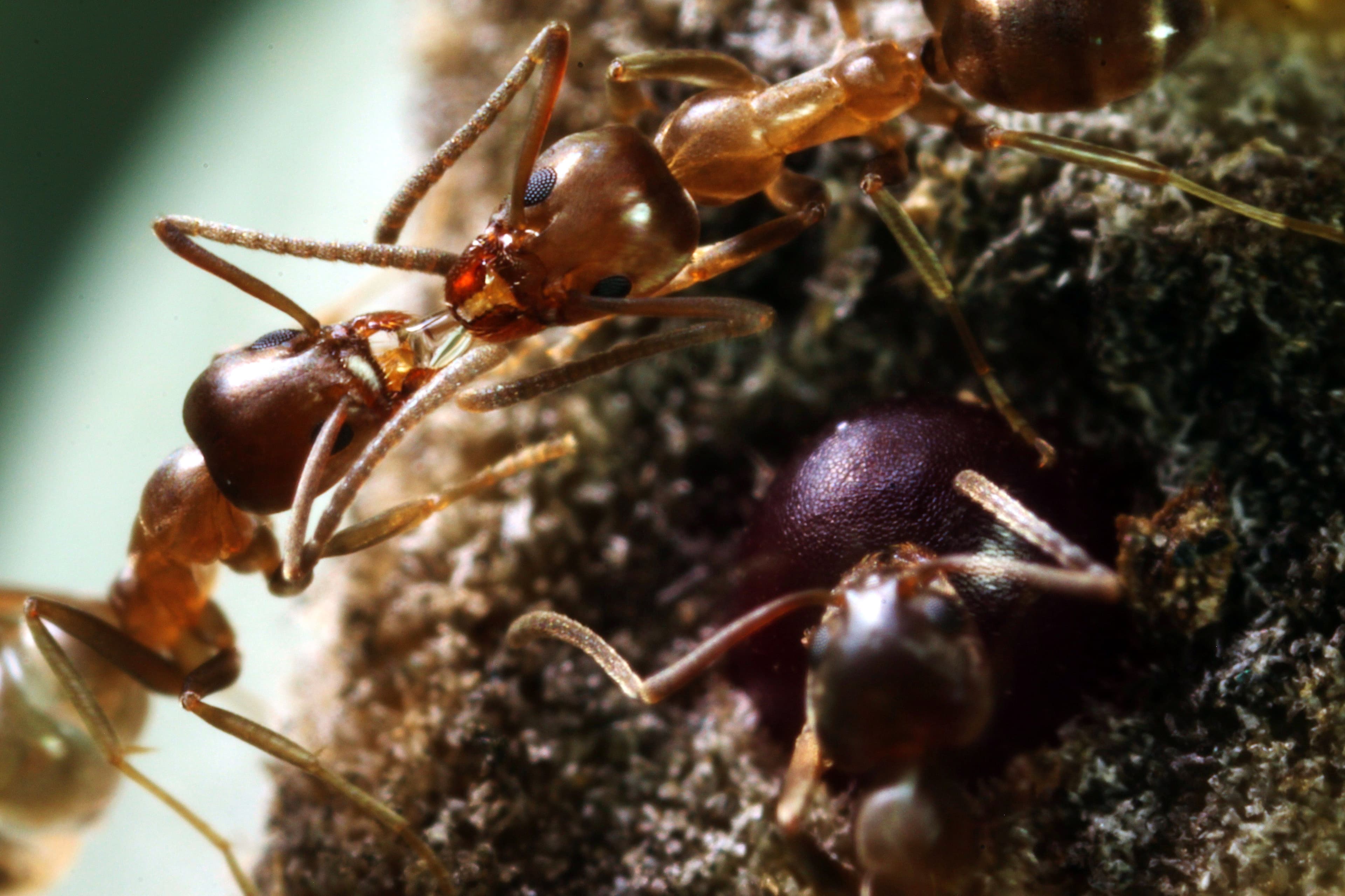
Two Argentine ant supercolonies have fought along a miles-long border north of San Diego for decades. New genetic research suggests the smaller side has been quietly gaining ground.
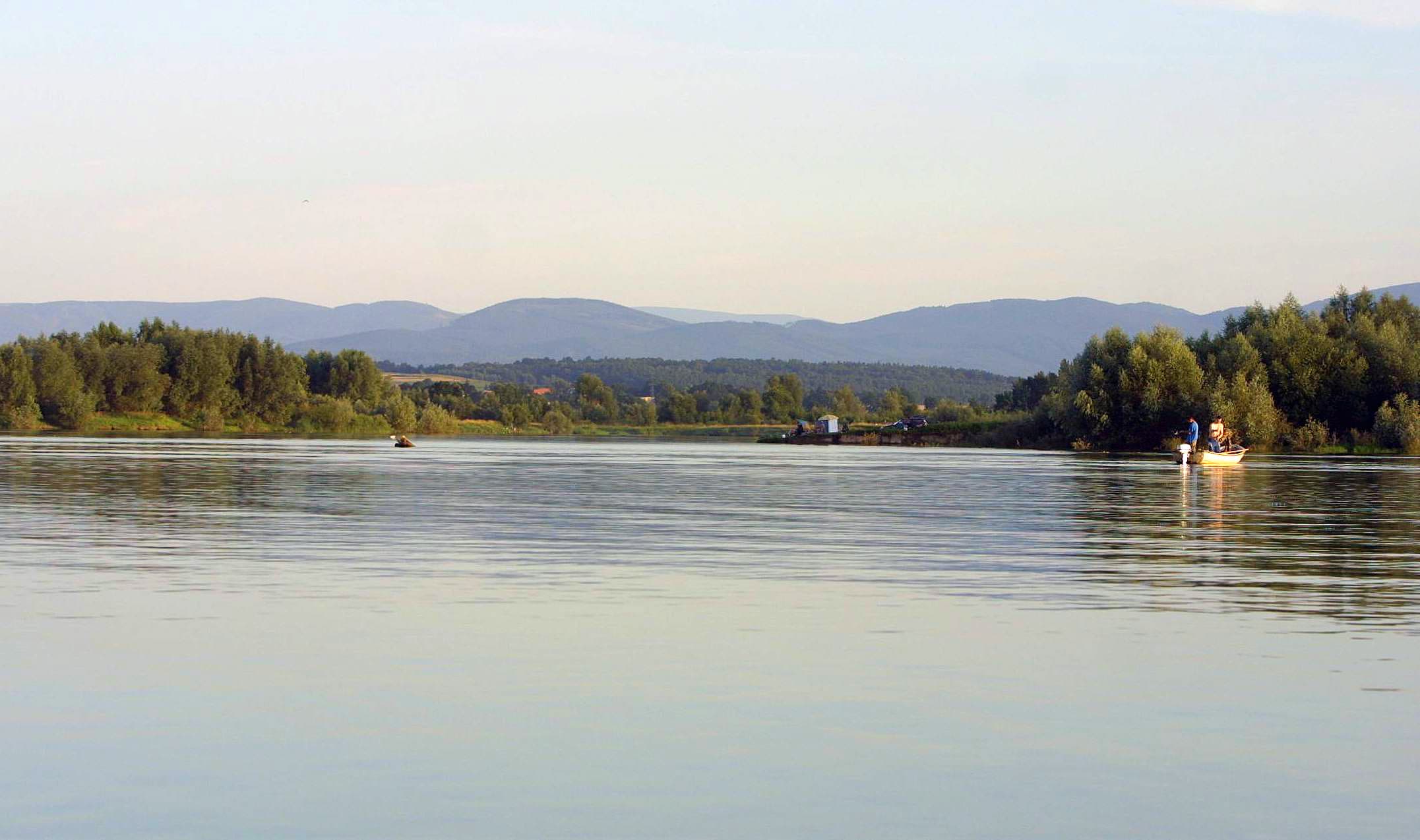
In 2018, a cow escaped before slaughter and took refuge around Lake Nysa's islands. Plans to spare her life ended tragically after she was captured.
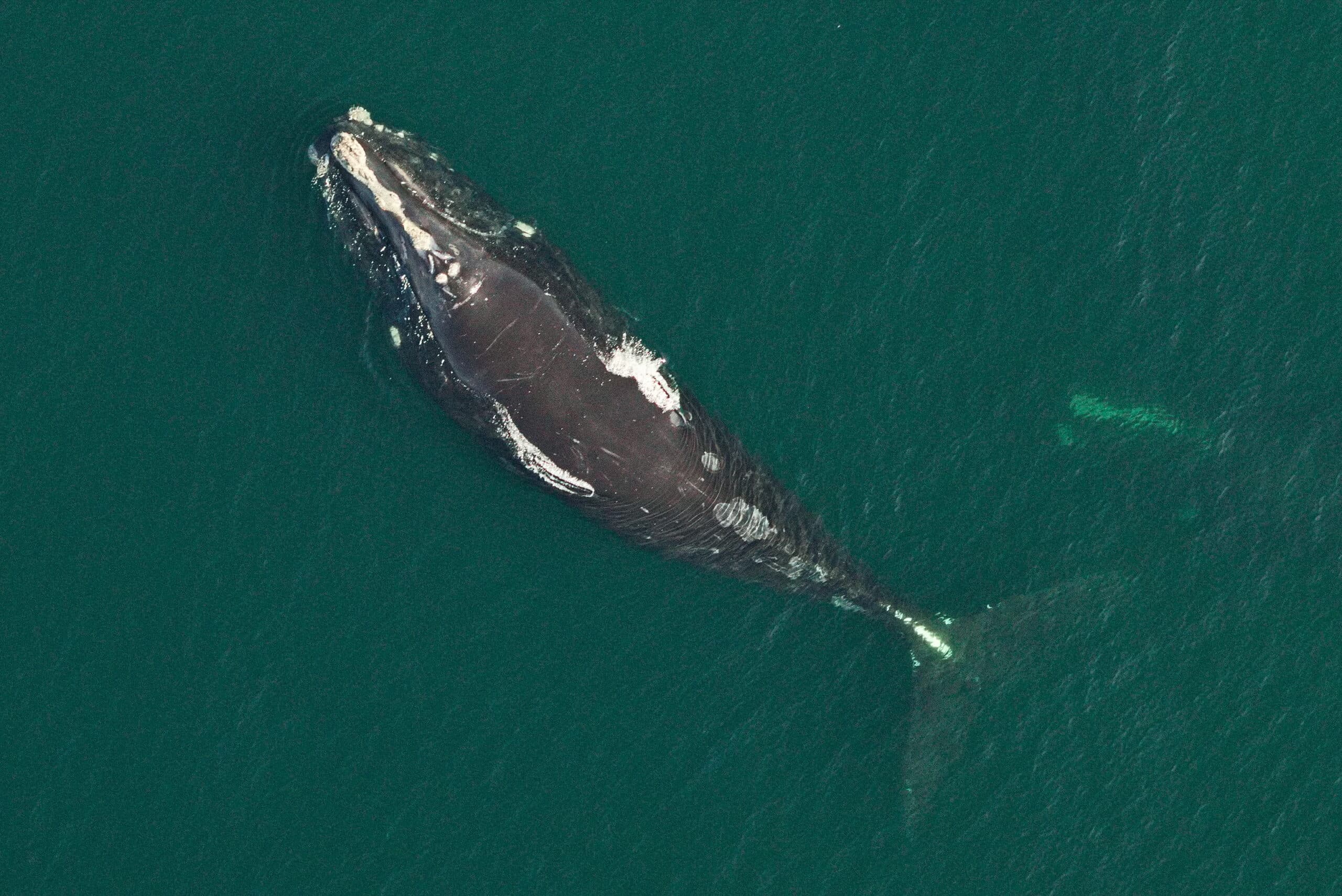
At five years old, North Atlantic right whale 5192 had already experienced four documented entanglement events. His story shows why rescue and prevention matter.
In the Southern Ocean, a remarkable family of fish survives without the red oxygen-carrying pigment found in other vertebrates.
A grizzly's paws are impressive tools for digging and finding food, and their shape leaves clues in the tracks they make.
A remote camera caught a real frog in the air during NASA's 2013 LADEE launch. The image is verified; the animal's fate is not.
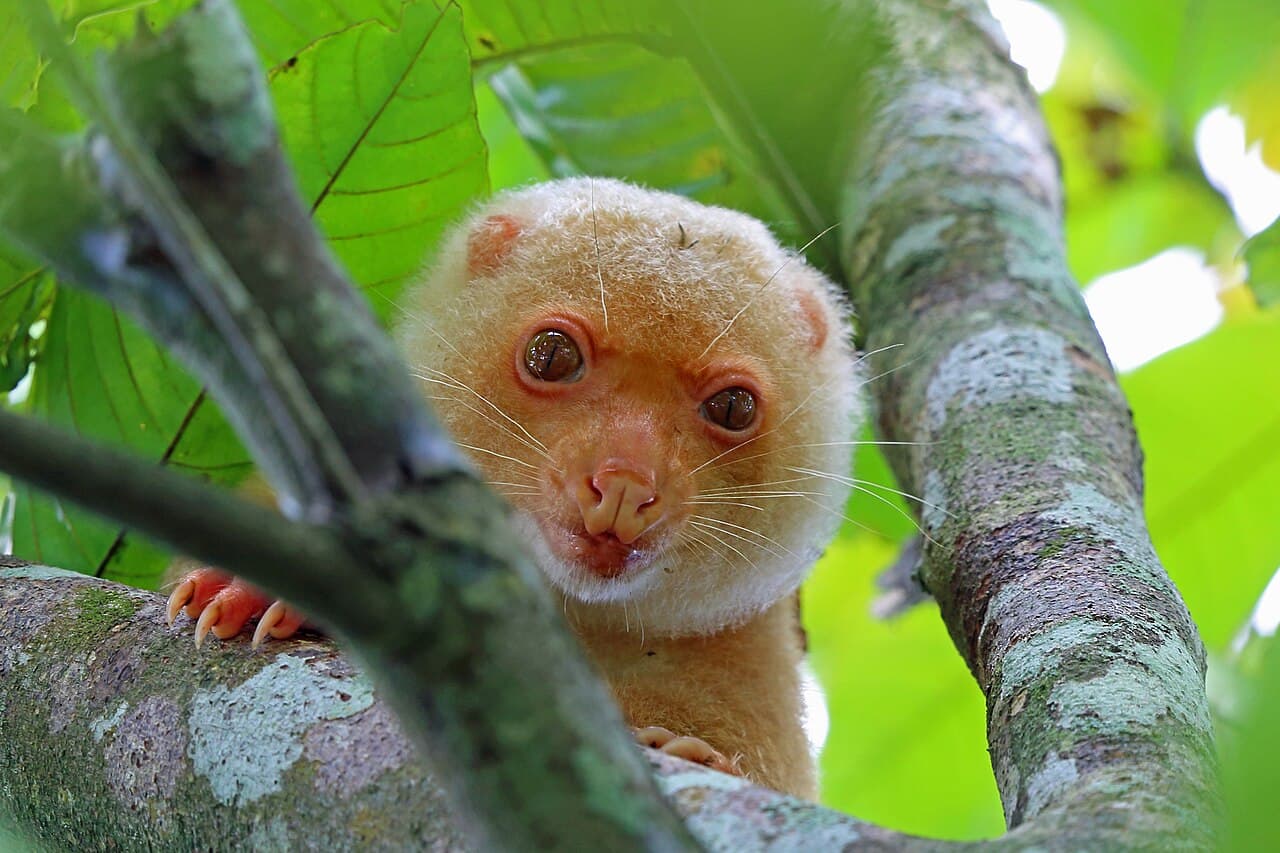
Explore the common spotted cuscus, a tree-dwelling marsupial whose grasping tail, thick fur, and variable coat reward a closer look.
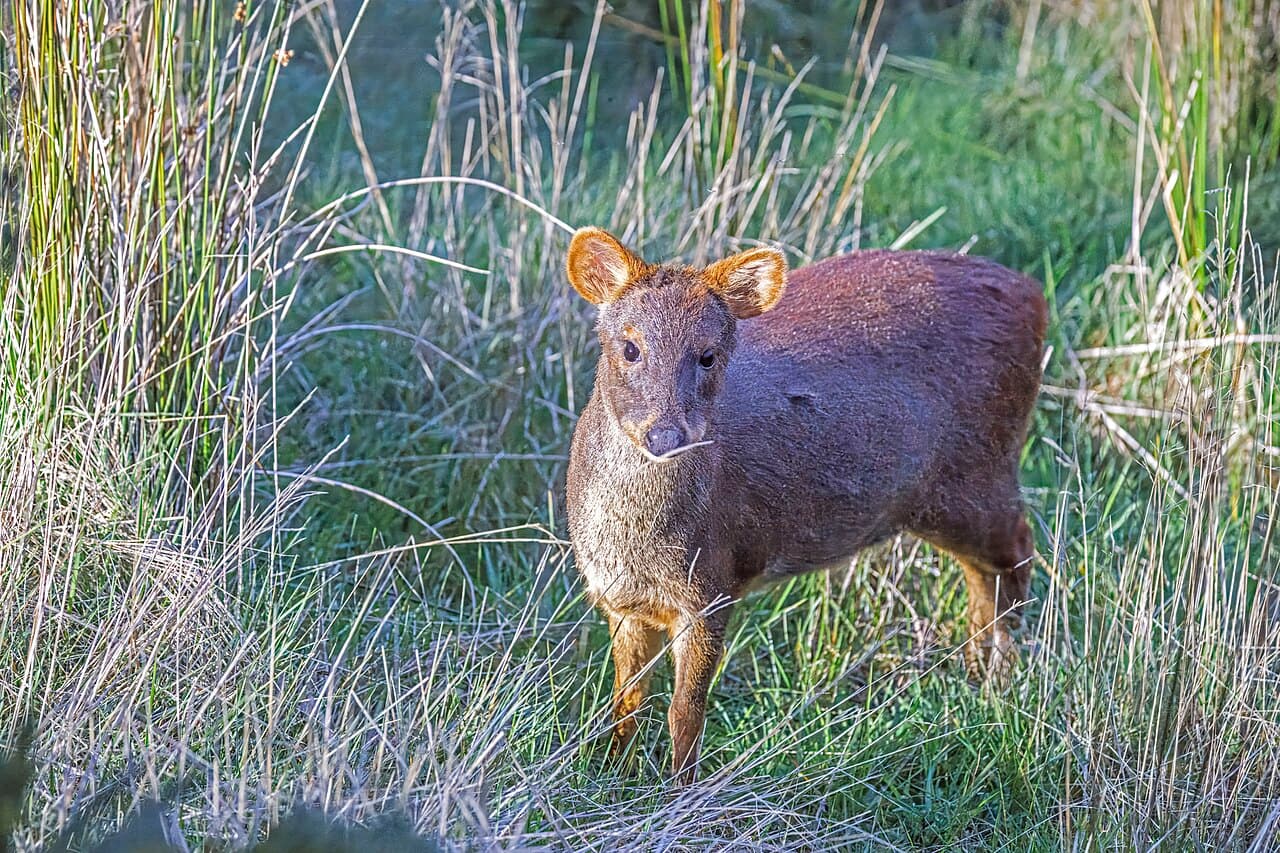
Meet the southern pudu, one of the smallest deer, and explore how its compact body and forest habits fit a life in thick vegetation.
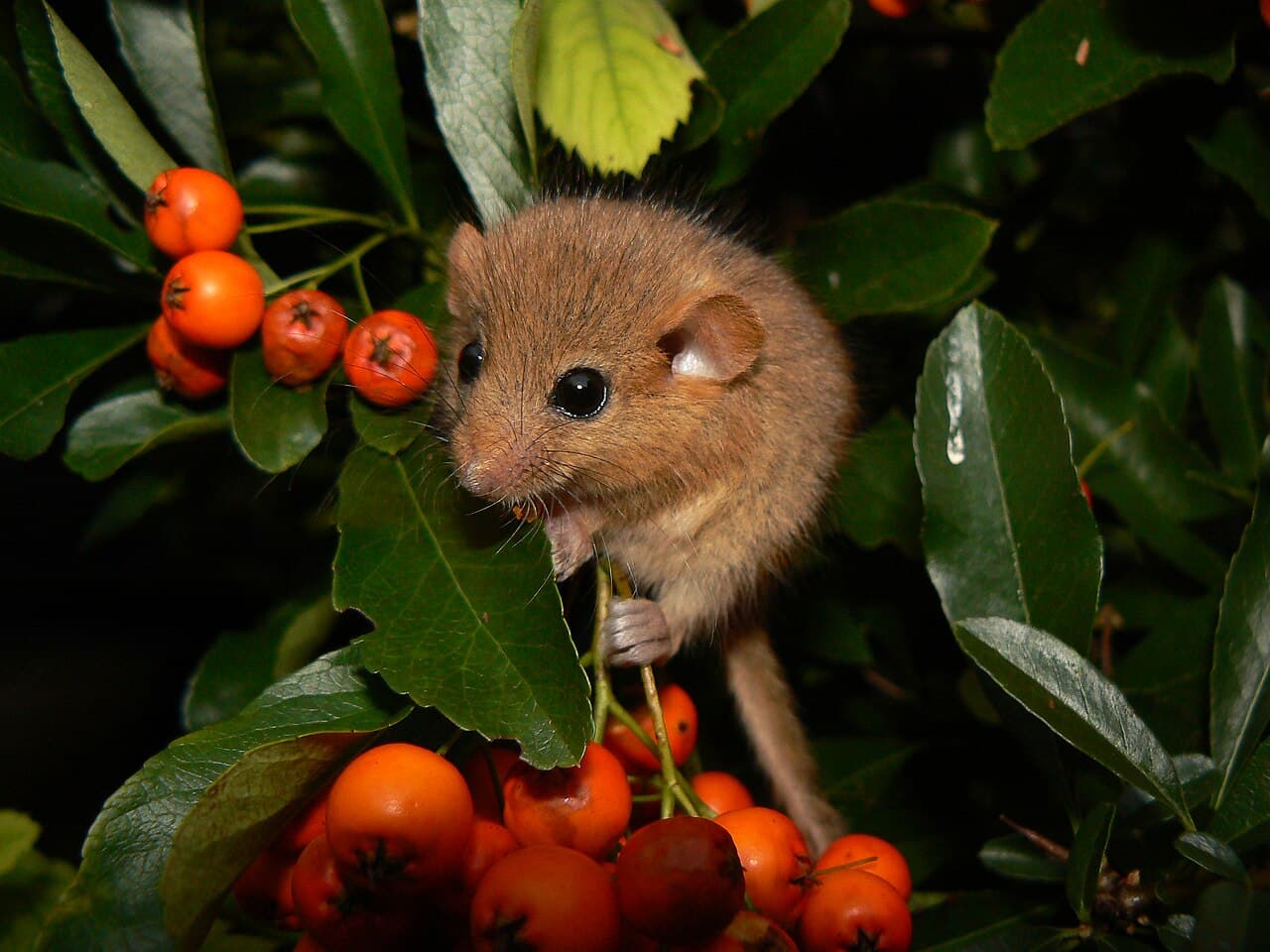
Discover the hazel dormouse's tree-climbing life, ground-level winter nests, and the hedgerows that connect its habitat.
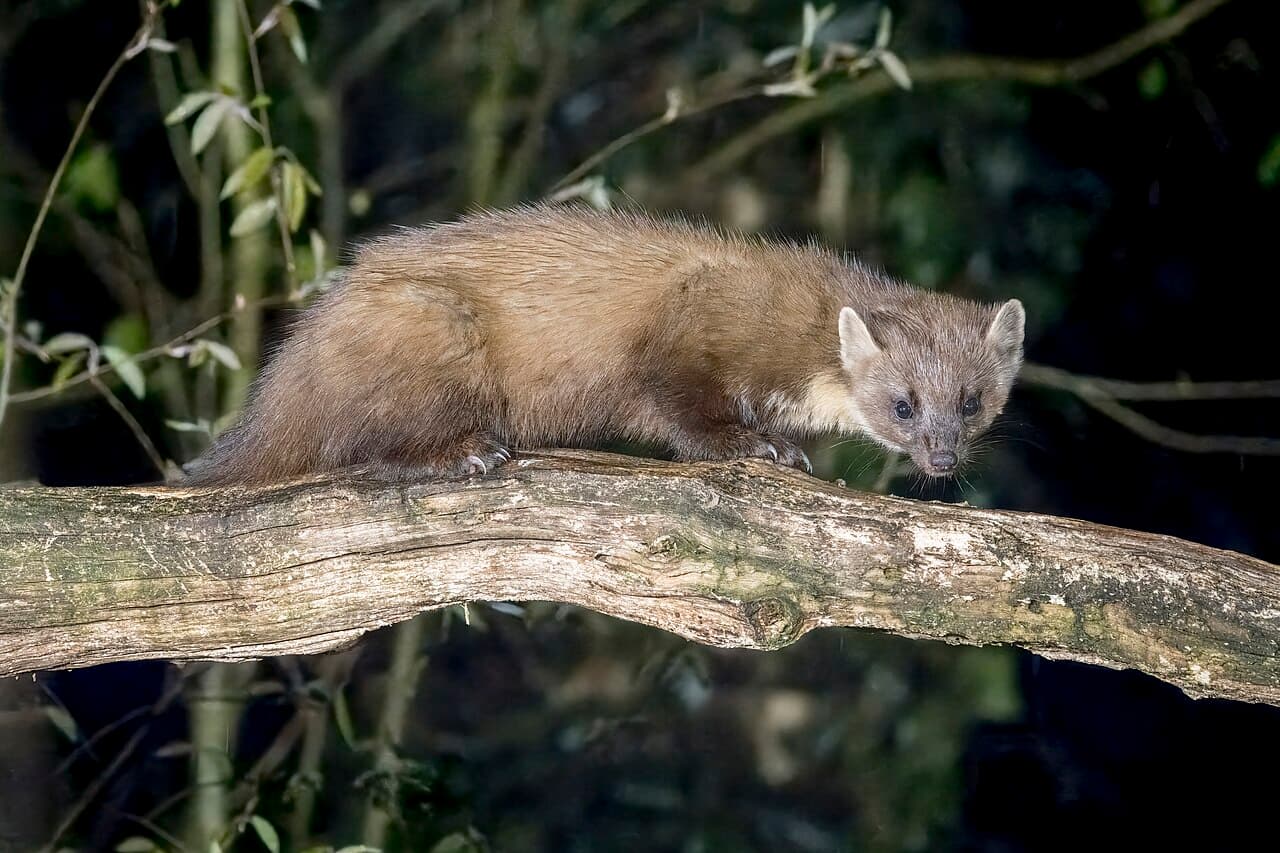
Meet the European pine marten, a climbing woodland mammal with a varied diet, a bushy tail, and a need for suitable shelter.
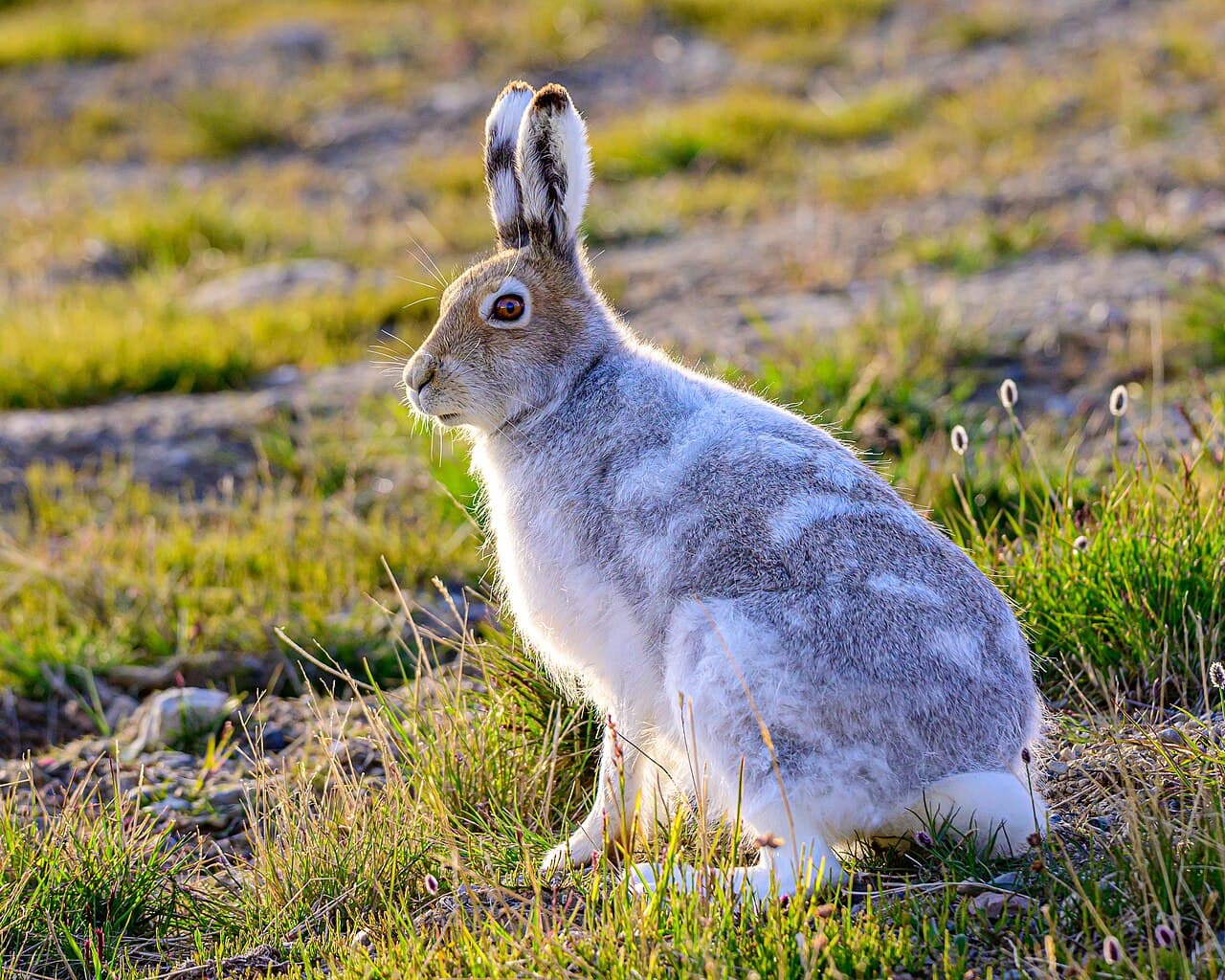
Explore the Arctic hare's thick coat, compact ears, powerful legs, and the surprising regional differences in its summer color.
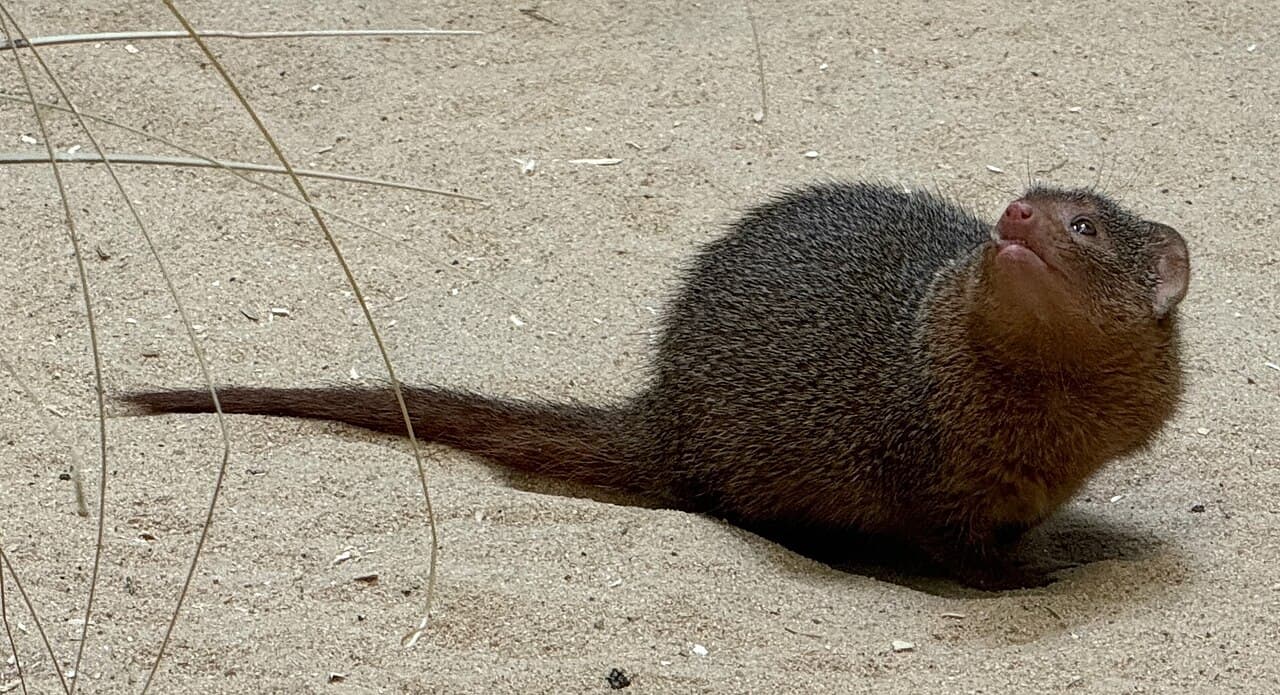
Discover how dwarf mongooses forage, use lookout calls, and respond to familiar companions in their closely linked social groups.