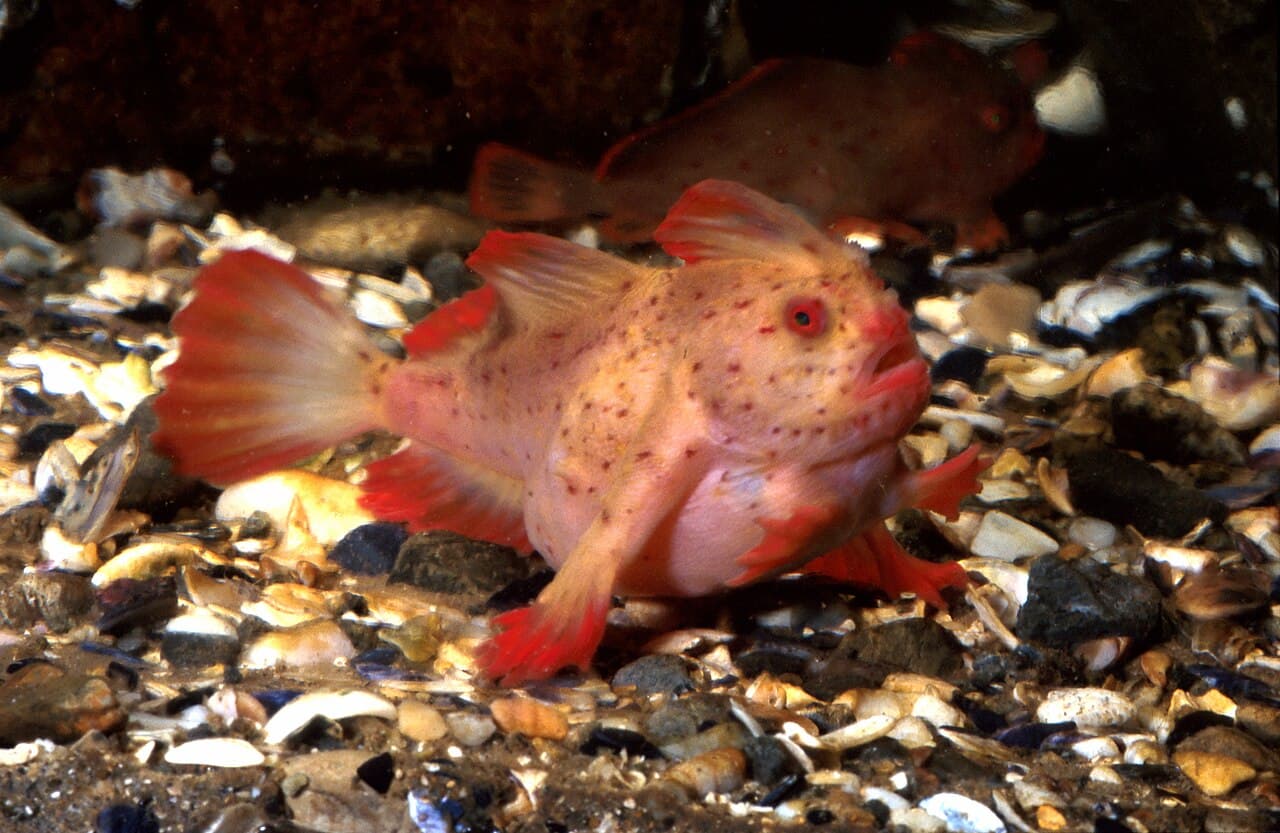
A fish takes a step across the seabed. Then another. Its broad fins look so much like little hands that its name seems almost inevitable: red handfish.
This small Australian animal is real, and its unusual way of moving is part of a much bigger story about life in a very small corner of the ocean.
How Does a Red Handfish Walk?
Red handfish use their modified pectoral and pelvic fins to move along the bottom. They lack the swim bladder that helps many fish stay afloat. Even so, they can make short bursts through the water when startled.
The Handfish Conservation Project describes red handfish as typically just 7–9 centimeters long. Their meals include small crustaceans, worms, and molluscs.
That makes this a tiny seabed hunter. A short stretch of reef can be an entire world of hiding places and food.
A Whole Species in a Small Coastal Region
Scientifically named Thymichthys politus, the red handfish survives in small reef patches in Frederick Henry Bay, near Hobart in southeastern Tasmania.
Its colors vary. Some individuals are pale tan or orange, while others are strongly red, with different spots and markings. The name does not mean every fish looks the same.
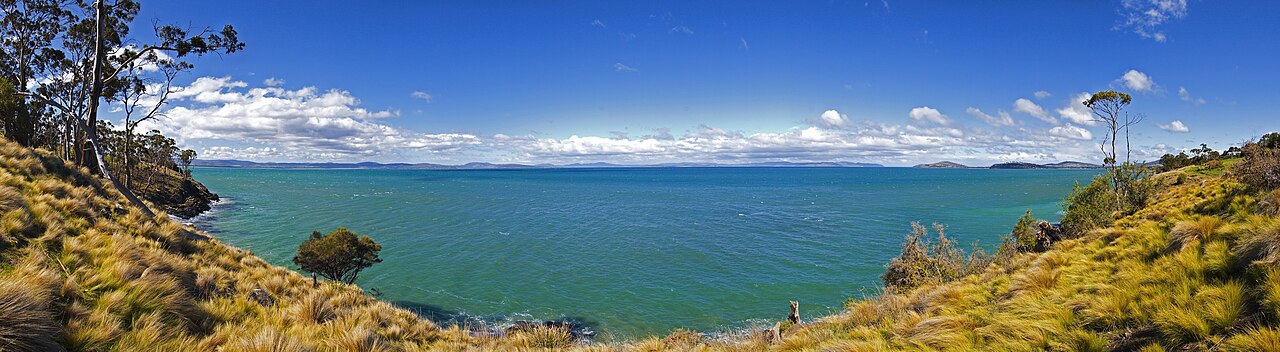
These fish move only short distances. That makes healthy habitat nearby especially important: they cannot simply shift across a large stretch of unsuitable seabed to find a better home.
Seaweed Is More Than Scenery
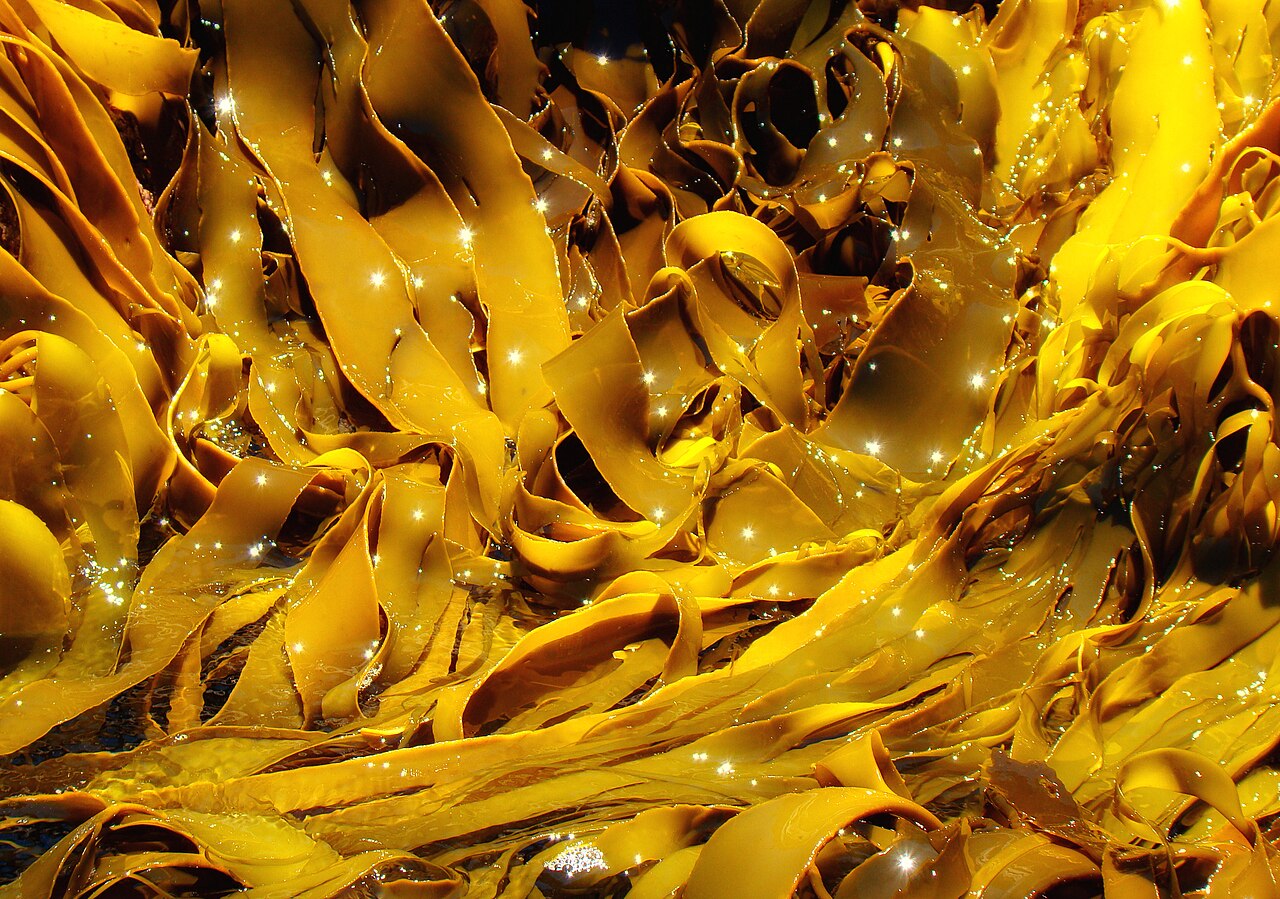
Seaweed and seagrass offer cover and surfaces for eggs. A bare reef can therefore mean much more than a change in the view.
The Australian Government's species profile lists the red handfish as Critically Endangered. Threats include seaweed loss from heavy urchin grazing, pollution, warming water, and direct disturbance.
Small, separated populations also have fewer opportunities to breed with one another.
Giving a Walking Fish a Future
Recovery work combines habitat protection with captive breeding and releases. Restoring shelter and reducing damage from anchors and other activities are part of the effort.
The conservation project explains that handfish eggs hatch into tiny, fully formed fish rather than a free-drifting larval stage. Their lives stay closely tied to the seabed from the start.
A red handfish may cross its world one small fin-step at a time. Protecting that world would preserve something extraordinary: a little fish that makes an ordinary movement—walking—look wonderfully unexpected.
Photograph Credits
Featured image: CSIRO; Thor Carter and Mark Green / CSIRO Marine Research, CC BY 3.0. Resized for display. Red handfish photographed by CSIRO.

Body image 1: Flying Freddy; edit by Noodle snacks, CC BY-SA 3.0. Resized for display. Frederick Henry Bay, the coastal region where red handfish survive; not an exact fish location.

Body image 2: Bjørn Christian Tørrissen, CC BY-SA 3.0. Resized for display. Bull kelp at Hazards Bay, elsewhere in Tasmania; regional seaweed context, not a red handfish site.
