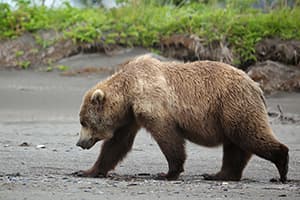
A grizzly bear's paw looks powerful even before its claws come into view. Yet those long claws are useful for something less dramatic than a swipe: digging into the ground for food.
Roots, insects and ground squirrels are among the foods grizzlies can reach with them, according to Parks Canada.
The paw is a practical tool shaped by the work of surviving in the wild.
Long front claws help with digging
The U.S. National Park Service describes grizzly and brown bear front claws as slightly curved and about two to four inches long.
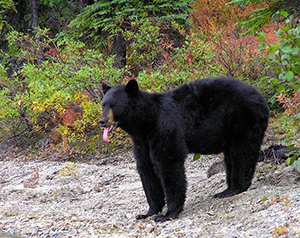
Parks Canada gives a comparable range of five to ten centimeters. It contrasts these with the shorter, more curved claws of black bears, which are well suited to climbing.
The difference helps explain why two bear species can use their feet in different ways, even when they live in some of the same landscapes.
The shoulder hump is part of the story
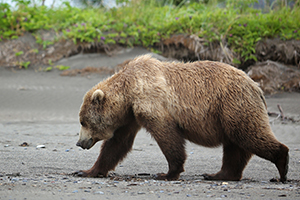
A grizzly's paws do not work alone. Parks Canada describes a prominent mass of muscle over its shoulders, giving the bear its recognizable hump.
Look at the whole animal and the paws become part of a much larger system: the feet meet the ground, while the body supplies the strength behind the movement.
That makes a photograph of a single paw fascinating, but incomplete. Its shape and claws make more sense when seen alongside the bear using them.
What a footprint can reveal
Grizzly tracks often show toes arranged in a relatively straight line above the main pad. Black bear toes tend to form more of an arc.
The U.S. Geological Survey's comparison of track casts shows this difference using front and rear footprints from both species.
Claw marks can provide another clue. Grizzly claws may leave impressions well in front of the toes, although ground conditions affect what a print preserves.
Why size claims need context
A paw photographed beside a human hand can look enormous. But a photograph without a scale, a clear view and information about the animal cannot establish a reliable measurement.
There is no single paw size that describes every grizzly. Age, sex and individual body size vary. The claim that an adult's front paw is routinely 12 inches wide should not be repeated as a standard measurement without a dependable source.
The real features are remarkable enough: broad feet, long digging claws and a track pattern that tells part of the animal's story.
A closer look at a familiar animal
Grizzlies are often pictured as symbols of strength. Their paws reveal something more detailed: the everyday equipment of an animal finding food and moving through its habitat.
Understanding that work adds another reason to appreciate them, from a respectful distance.