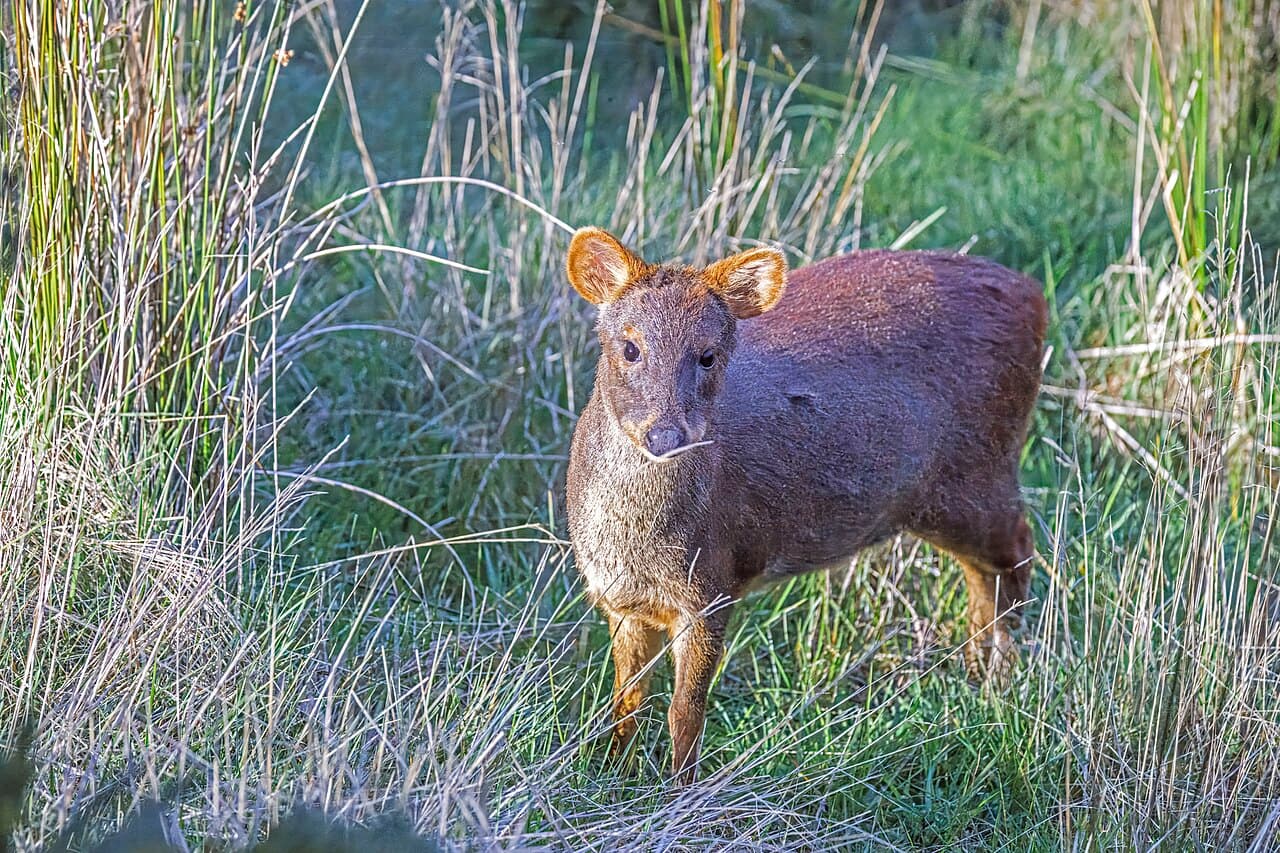
A deer does not have to tower above the grass. The southern pudu is so compact that dense vegetation can hide an adult from view.
Its size makes it appealing, but it also offers a clue to where this animal lives: a world of low leaves, narrow routes, and protective cover.
A small deer with a clear identity
The southern pudu is Pudu puda, a deer native to parts of Chile and Argentina. Pudus are among the world's smallest deer.
It is safer to say “among the smallest” than to give every pudu the same record. Different species and measurements complicate claims about a single smallest deer.
Chester Zoo's pudu profile introduces the southern species and its natural history.
Built for a leafy world
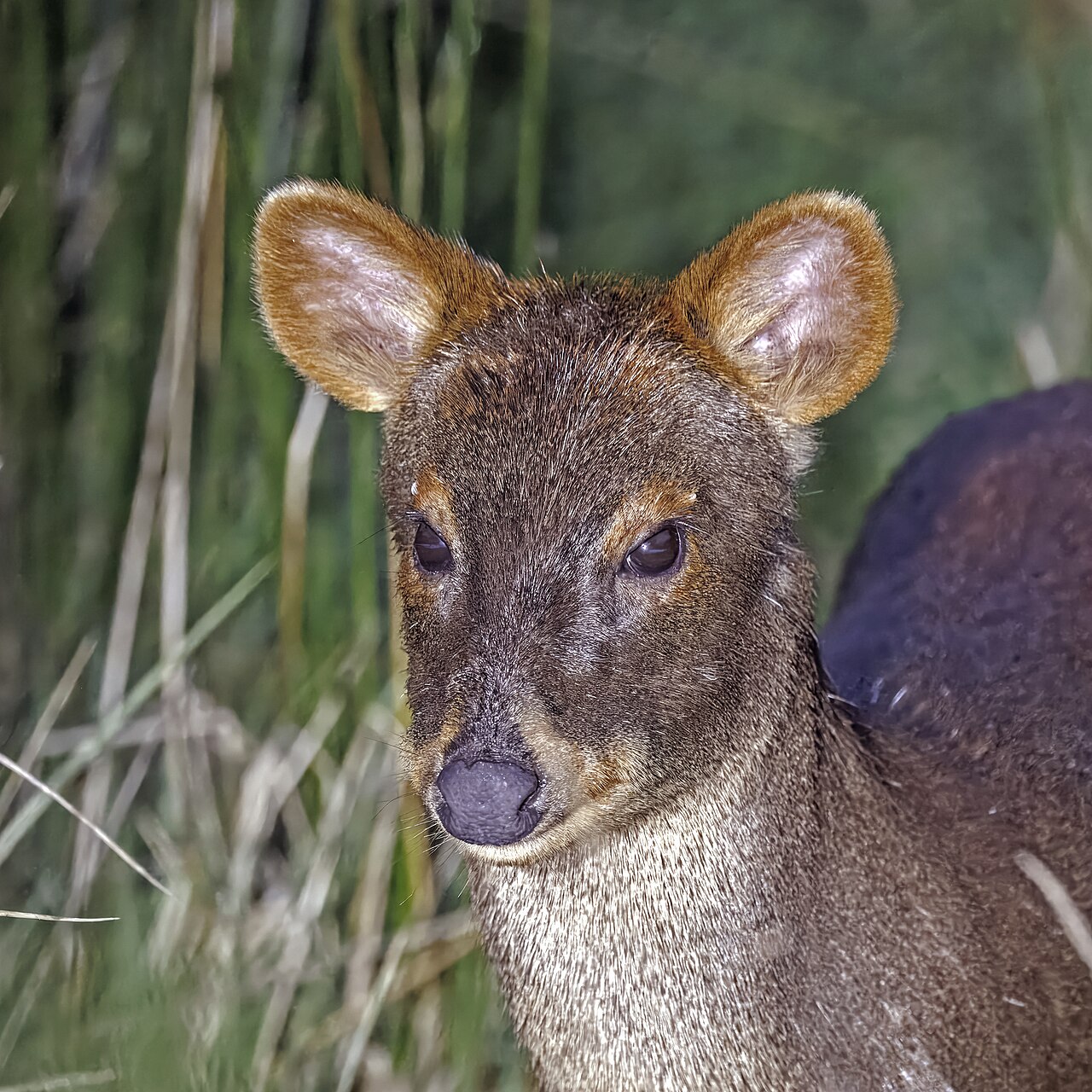
A compact body and short legs allow the pudu to move within vegetation that would feel like a barrier to a much larger deer.
Los Angeles Zoo describes networks of routes through the undergrowth. Those paths connect places where a pudu can feed and rest while keeping cover nearby.
This is a useful reminder that small size can be an advantage in a particular setting.
Small antlers, real deer
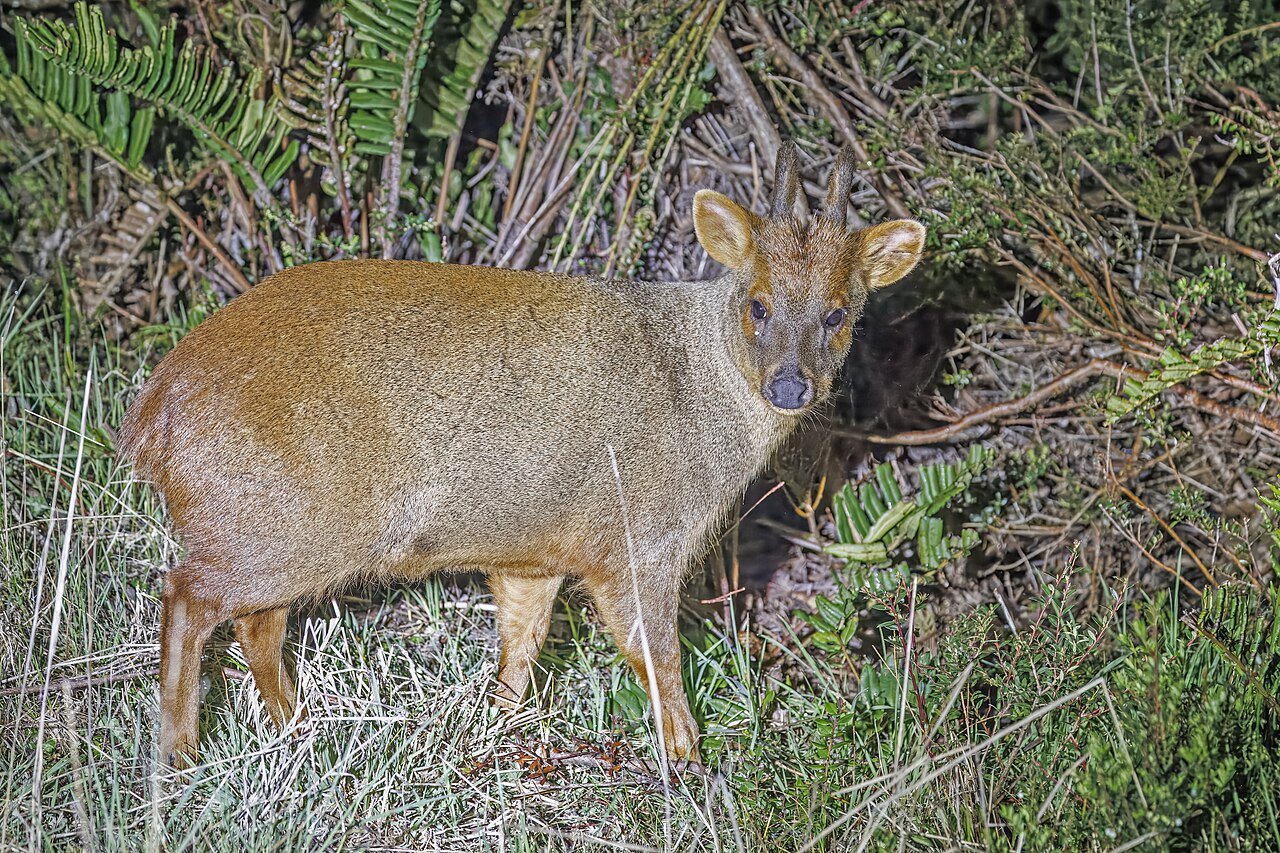
Males grow short, simple antlers rather than a large branching crown. Belfast Zoo's species account describes these antlers and the animal's forest habitat.
Like other deer, pudus eat plant material. Their gentle appearance should not be mistaken for an invitation to touch or feed them.
Protect the cover, protect the animal
Clearing or breaking up forest habitat can remove the vegetation that gives a pudu food and shelter.
Admiring this small deer is a good starting point. Understanding its home takes that appreciation further: a tangle of leaves can be a route, a refuge, and a pantry all at once.
Photo credits
Featured image: Charles J. Sharp; Source; CC BY-SA 4.0. Resized for web display.

Body image 1: Charles J. Sharp; Source; CC BY-SA 4.0. Resized for web display.

Body image 2: Charles J. Sharp; Source; CC BY-SA 4.0. Resized for web display.
