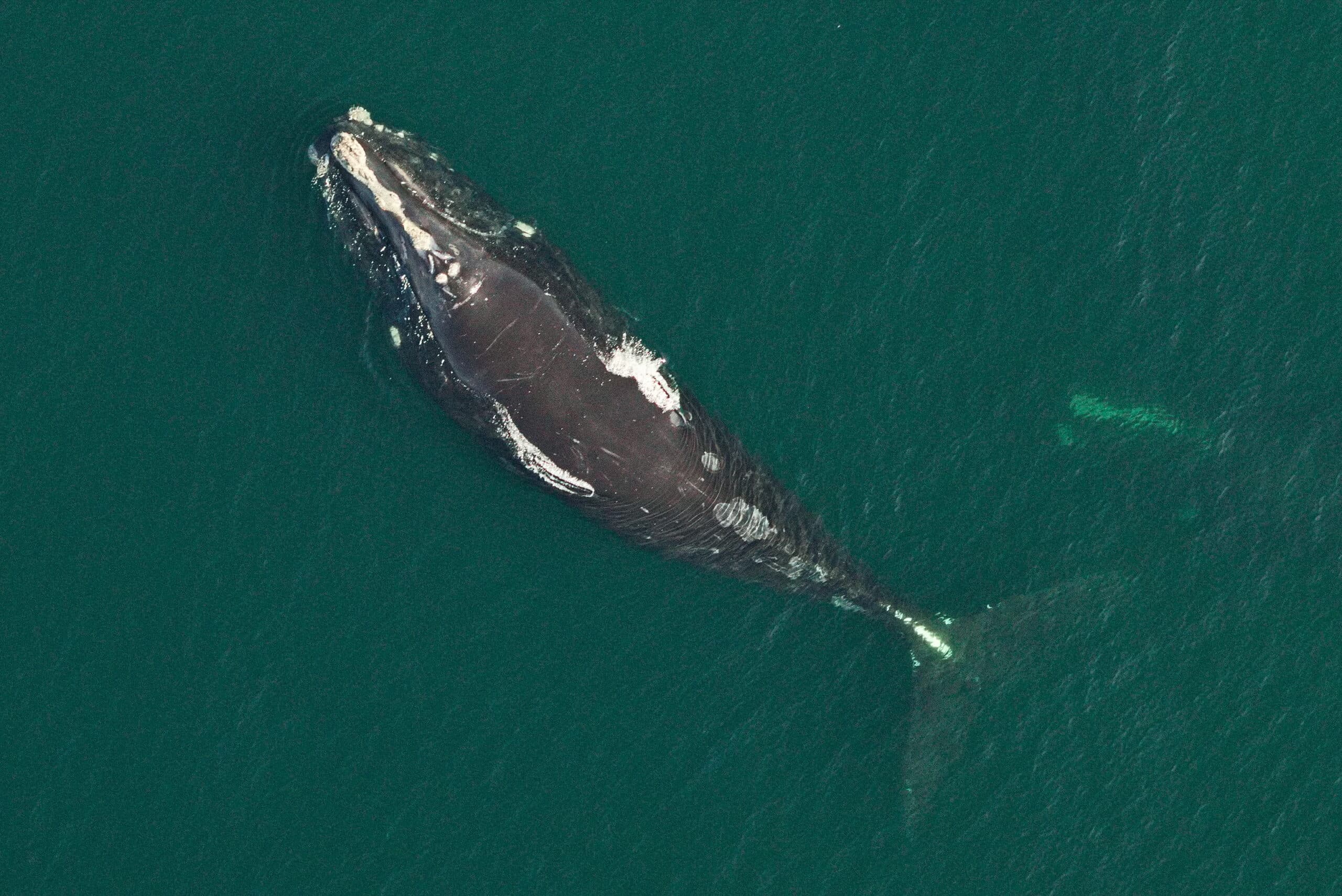
At just five years old, North Atlantic right whale 5192 had already experienced four documented entanglement events.
In April 2026, researchers photographed him swimming without attached fishing gear. By June, he was dragging a line caught along his mouth and extending beyond his tail.
His story follows one young animal through an ocean shared with people. It also shows how difficult it can be to protect a species with only about 380 whales remaining.
Reporting checked November 9, 2026. The sources reviewed do not confirm that 5192 has been freed or has died.
More than a number in a catalog
Scientists know this male whale as Catalog #5192. The New England Aquarium identifies him as the calf of a whale named Millipede and the great-grandson of Wart, a well-studied member of the population.
That family connection is part of a much larger record of individual lives.
Right whales have distinctive patterns of rough patches on their heads, called callosities. Researchers use these patterns to recognize individuals in photographs and follow their histories, according to NOAA Fisheries.
For 5192, those records already include wounds consistent with a previous entanglement in 2022. His history does not mean that he carried the same rope continuously for four years.
A new entanglement in Canadian waters
On June 8, 2026, an aerial survey team spotted 5192 in Canada's Gulf of St. Lawrence.
NOAA's case update described a line running along the left side of his mouth. It trailed beyond his flukes—the two broad lobes of his tail—and sank into the water.
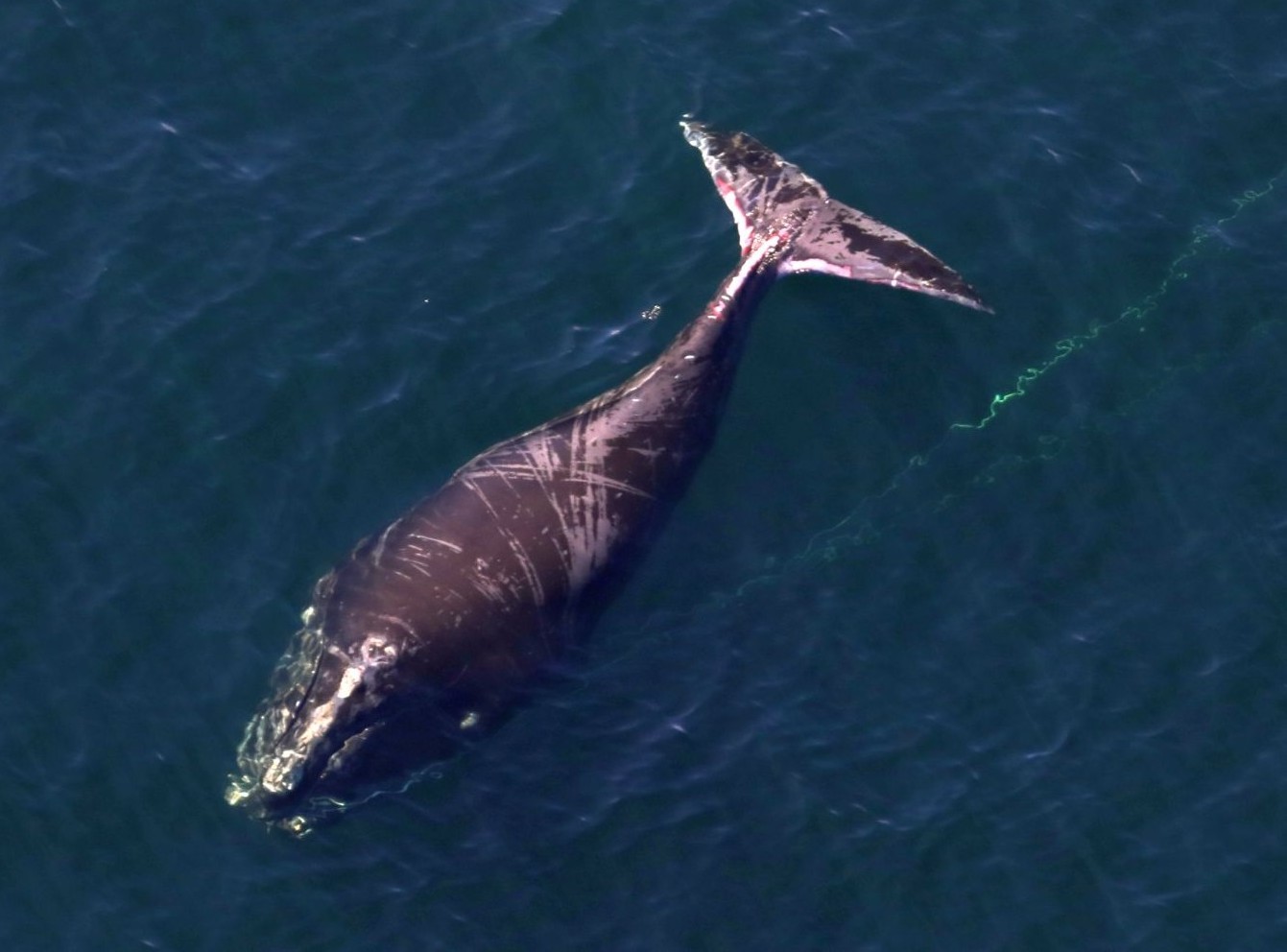
Responders found him again near the Magdalen Islands on June 10. They tried to attach a satellite tag so he could be located again, but bad weather prevented a successful attempt.
The Aquarium described this as his fourth documented entanglement event and the first in which attached fishing gear had been observed.
Why swimming does not mean a whale is safe
A large whale may keep moving while carrying fishing gear. That can make its condition difficult to judge from a brief sighting.
NOAA explains that entangling lines can cut into flesh, cause infections, interfere with feeding and exhaust an animal. The fact that a whale can swim does not remove those risks. NOAA's entanglement explanation
After reviewing 5192's new entanglement, NOAA made a preliminary “serious injury” determination. In this case, the agency said the whale was likely to die because of the entanglement.
That assessment describes the danger he faces. It is not a confirmed report of his death.
Reported again off New Jersey
The story continued beyond the summer feeding grounds.
In an October 15 report, Patch cited the research organization Gotham Whale, which reported 5192 off Barnegat Inlet, New Jersey, the previous Saturday, October 10.
The organization said he was still badly entangled. Its account also referred to a September sighting off Montauk, New York.
These reports document sightings along the coast. They do not establish that a later rescue succeeded.
Why every right whale matters
North Atlantic right whales are enormous animals that feed on tiny prey. Baleen plates in their mouths strain small organisms from seawater.
Yet their population is very small. NOAA estimates approximately 380 individuals, including only about 70 reproductively active females.
Entanglements and vessel strikes remain leading causes of death. Those pressures affect a population that has struggled to recover from historic whaling.
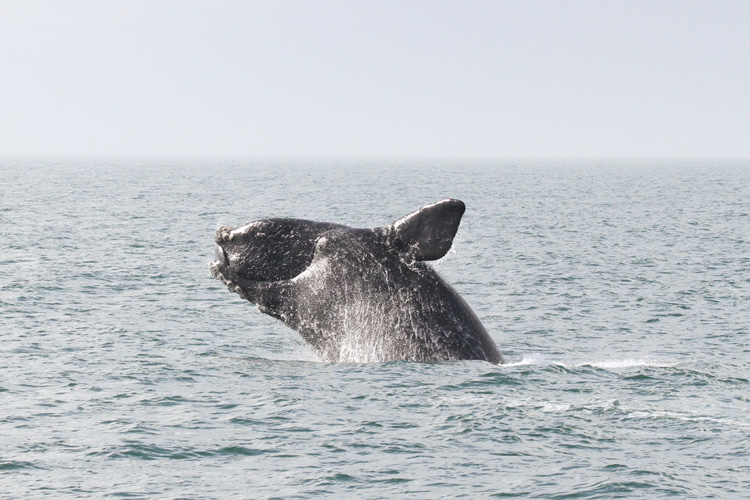
Following a whale such as 5192 makes that population easier to understand: each number represents an animal with a history, family connections and a place in the ocean.
Rescue requires care for people, too
Freeing a large whale is dangerous work. NOAA says it should be attempted only by trained, authorized responders with the necessary equipment and support.
The risks became tragically clear on July 10, 2017, when experienced rescuer Joe Howlett was killed during a right whale disentanglement.
Canada's official investigation found that the whale's tail struck him after it was freed from the ropes.
His death is a reason to take responder safety seriously. Decisions about approaching 5192 must rest with the teams assessing the whale, the gear and conditions at sea.
Protecting the next whale before it becomes trapped
Rescue addresses an immediate emergency. Prevention can reduce how often those emergencies happen.
NOAA is working with fishing communities and gear developers on on-demand fishing systems, an approach intended to reduce reliance on persistent vertical buoy lines in the water.
People who encounter an entangled whale can help by reporting its location to authorized response teams. They should keep their distance and leave disentanglement to professionals.
For 5192, the outcome remains unconfirmed in the sources reviewed here. His story deserves attention without an invented happy ending or a premature obituary.
A whale known by four digits has made the challenge deeply personal: protecting ocean wildlife means noticing individual lives—and making the waters they travel safer.