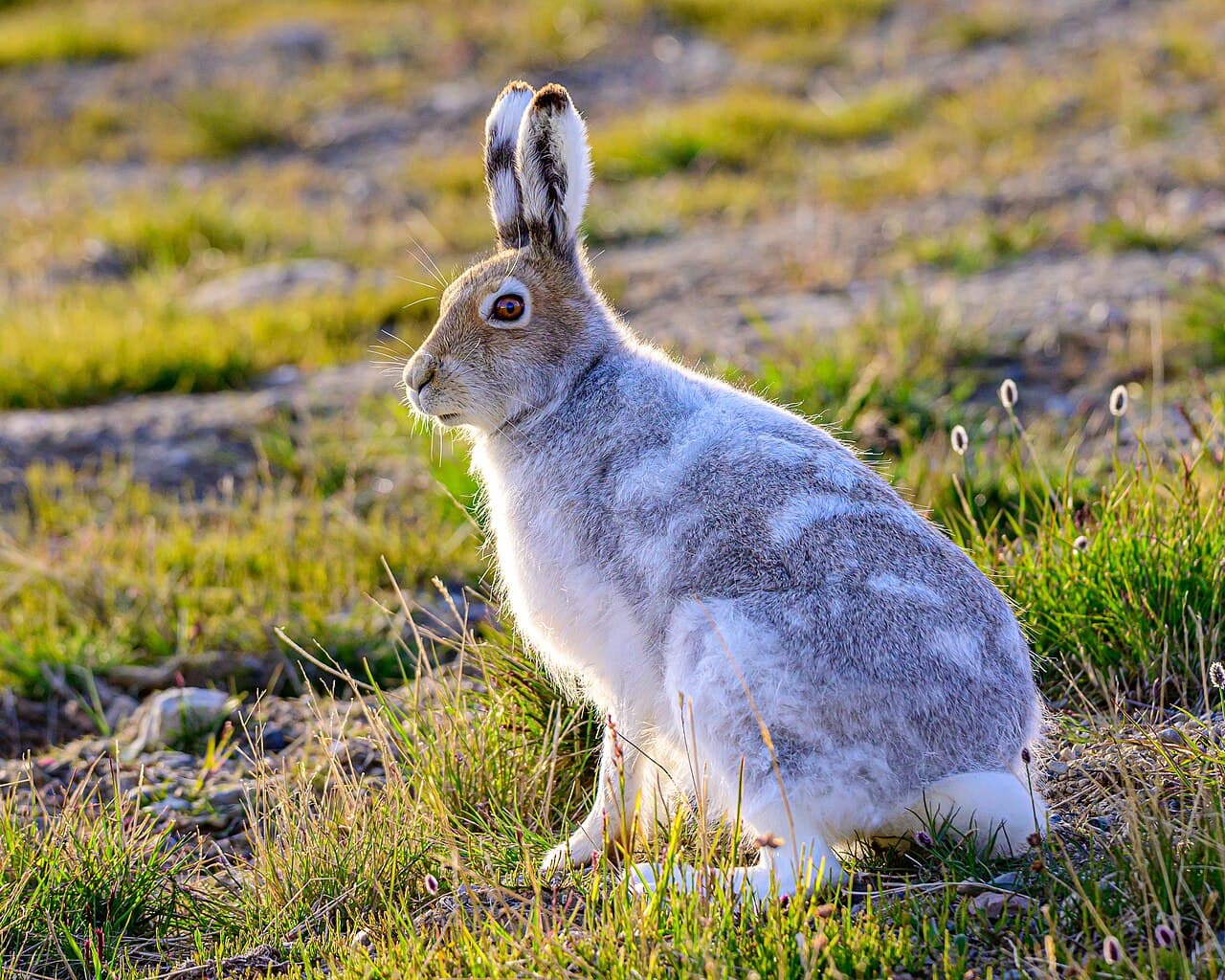
An Arctic hare can look like a snow-covered stone until it moves. Then its powerful hind legs reveal an animal built for more than sitting quietly in the cold.
Its pale winter coat is famous. Less familiar is the fact that its summer appearance depends on where it lives.
A hare of northern landscapes
The Arctic hare, Lepus arcticus, lives in Greenland and northern parts of Canada, including Arctic islands. It occupies open tundra and other cold landscapes.
Animal Diversity Web describes its thick fur, padded feet, and strong limbs. Relatively short ears help give it a compact appearance compared with many warm-country hares.
Those features work together. Insulation helps conserve warmth, while the legs provide the power to escape danger.
Not every summer coat is the same
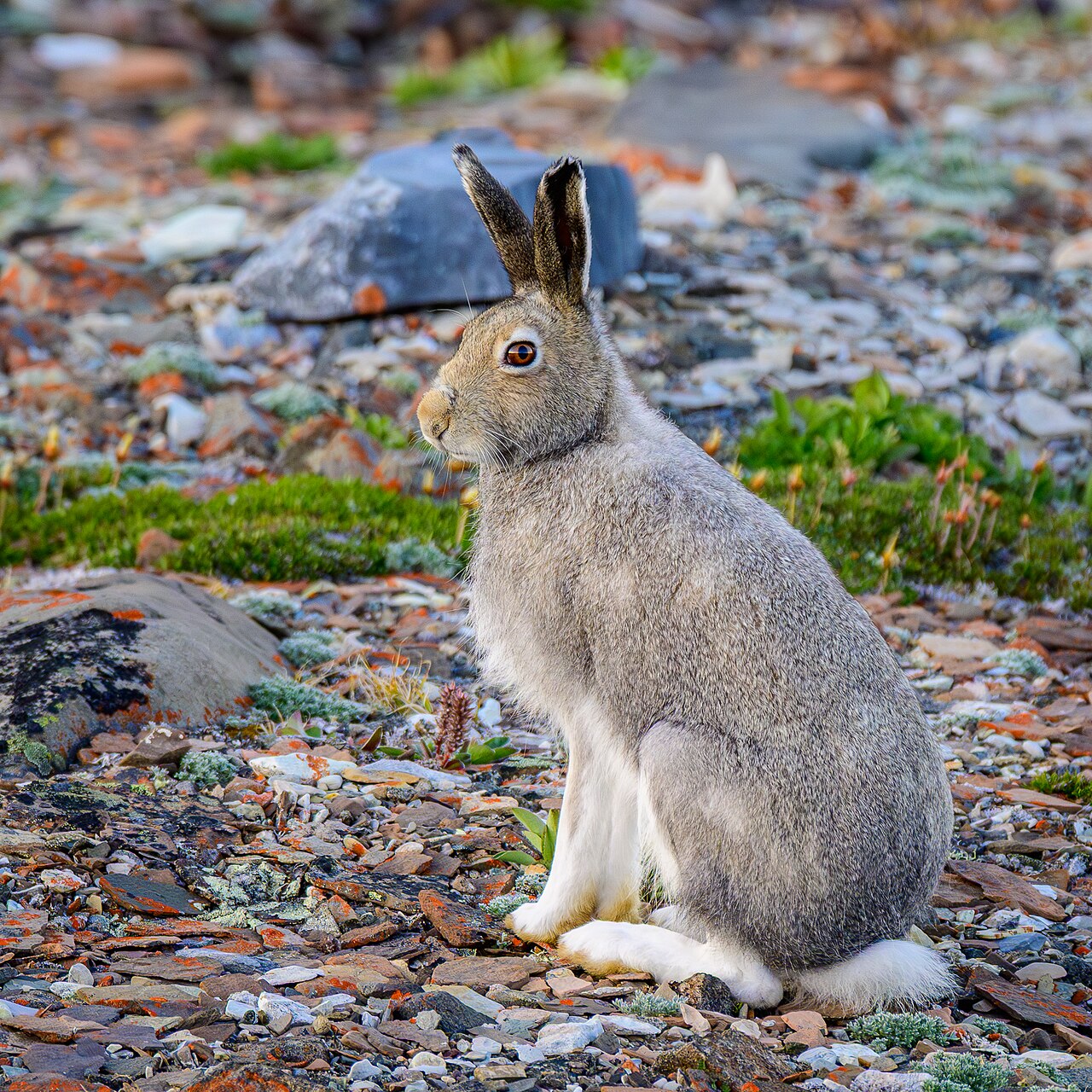
In southern parts of its range, Arctic hares can become darker in summer. Farther north, populations may remain white throughout the year.
That regional difference is noted in Newfoundland and Labrador's Arctic hare status report. A blanket statement that every Arctic hare turns brown each summer misses part of the species' story.
Seasonal adaptation is shaped by local conditions, rather than following one identical schedule everywhere.
Finding a meal in the tundra
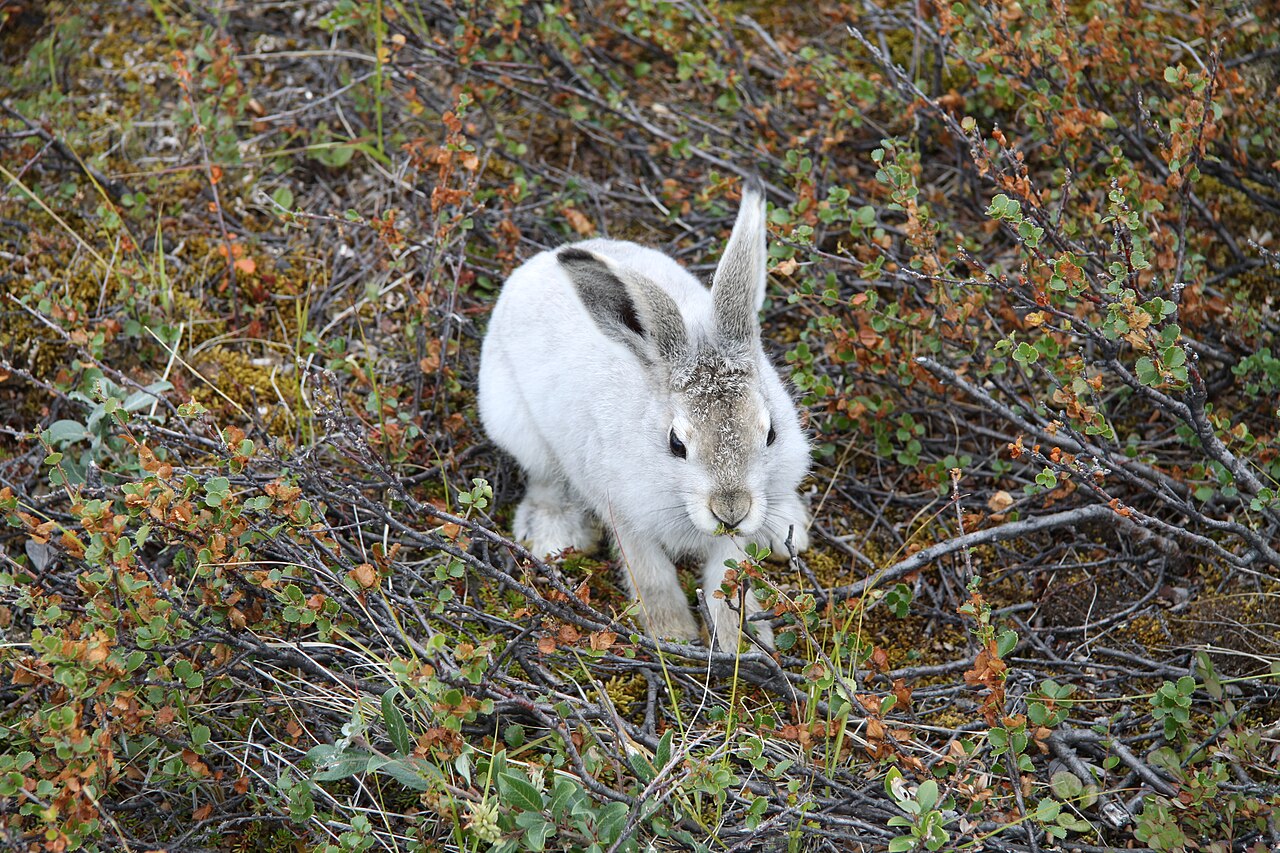
Arctic hares eat plant foods, including low vegetation and woody material. Food may be close to the ground or partly hidden by snow.
Nunavut's wildlife fact sheet describes a diet that includes tundra vegetation and twigs.
White fur, many challenges
A winter coat can help an animal blend in, but it does not remove the need to eat, avoid predators, and cope with changing conditions.
The Arctic hare's appeal goes beyond looking soft against the snow. It shows how an animal's shape, movements, diet, and seasonal changes can fit together in a demanding place.
Photo credits
Featured image: Stephan Sprinz; Source; CC BY 4.0. Resized for web display.

Body image 1: Stephan Sprinz; Source; CC BY 4.0. Resized for web display.

Body image 2: Chmee2; Source; CC BY 3.0. Resized for web display.
