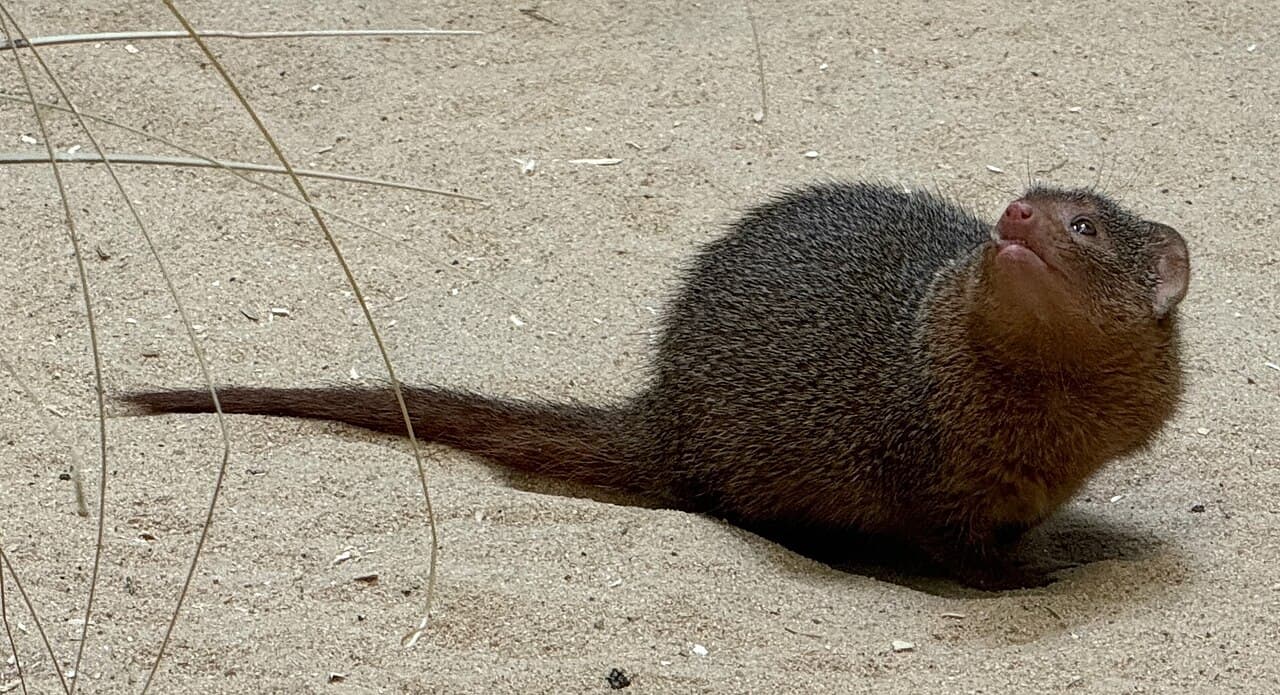
While some dwarf mongooses search for food, another may climb to a lookout and watch for danger. That shared vigilance is one reason these small mammals are so interesting to study.
Their lives show that being little does not mean facing every problem alone.
A small mongoose with a social life
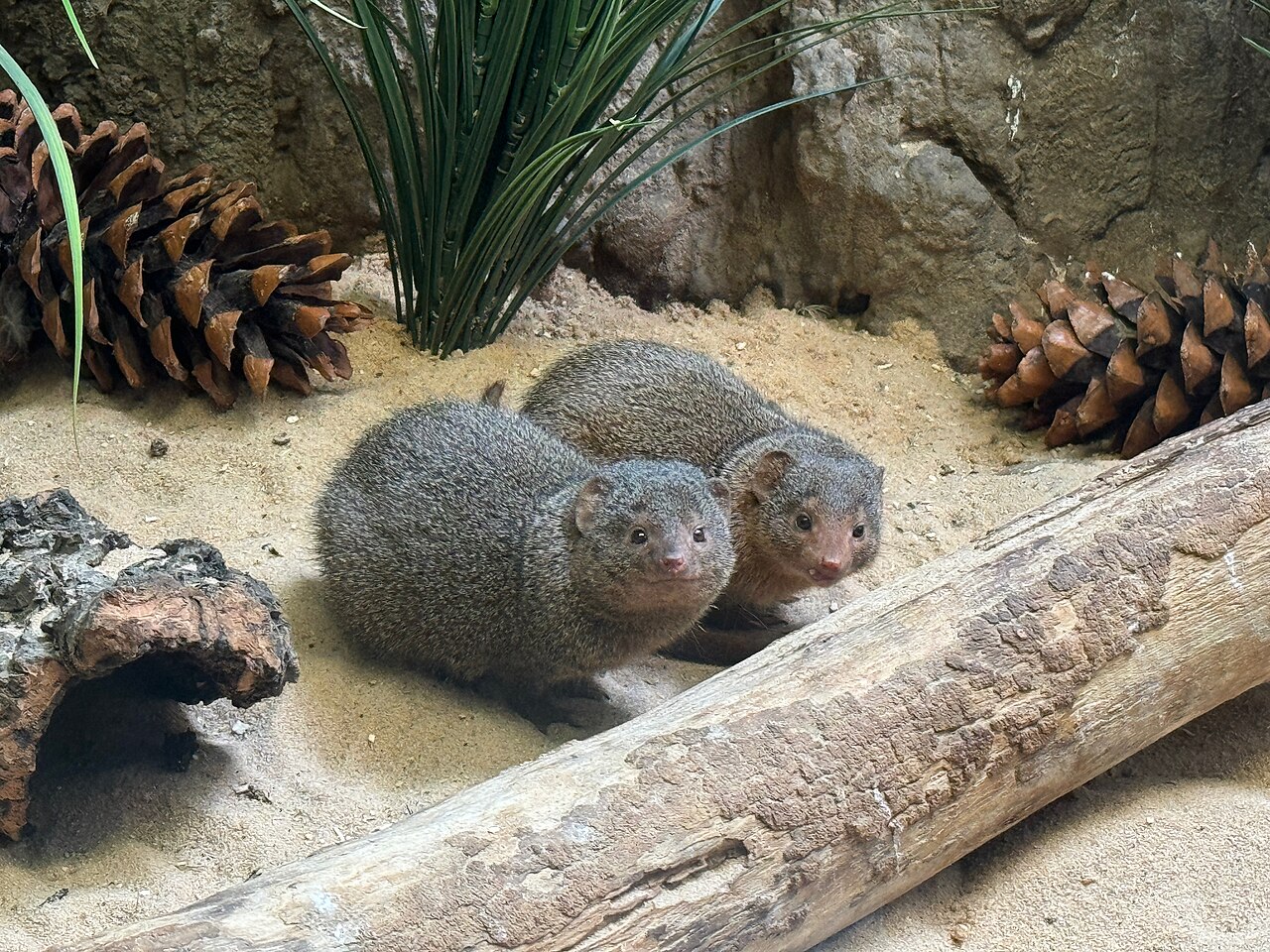
The common dwarf mongoose, Helogale parvula, lives in parts of Africa. It feeds on small animal prey, including insects, and belongs to a social group.
San Diego Zoo's species overview describes its group life and use of shelters such as termite mounds. A mound can offer far more than an interesting shape on the landscape: it can provide refuge.
What a lookout contributes
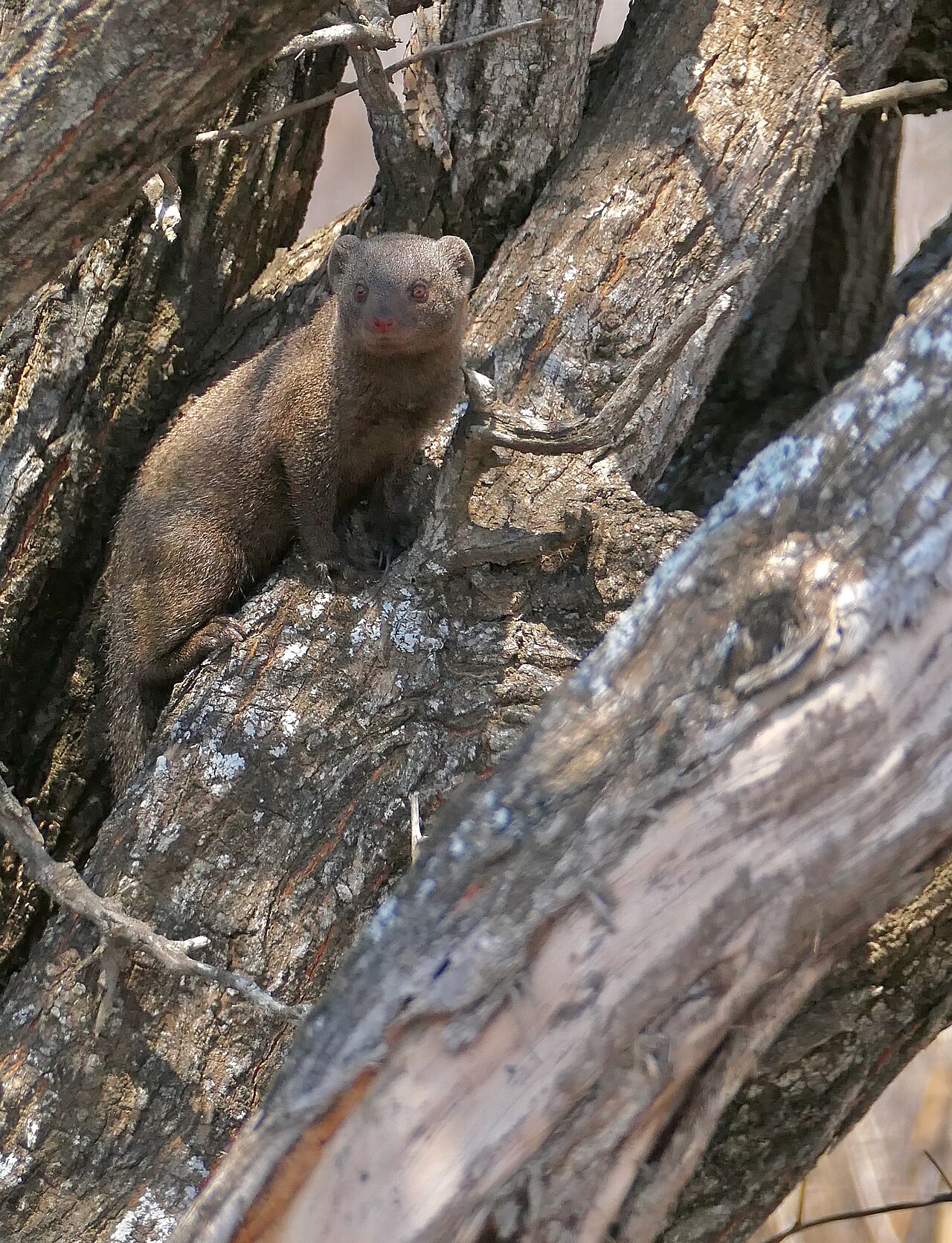
A mongoose feeding with its head close to the ground cannot watch every direction at once. A raised lookout can detect things that a busy forager might miss.
Researchers at the University of Bristol have examined dwarf mongoose sentinel behavior. Calls help connect an animal watching from above with companions searching below.
It is a working communication system, rather than proof that every group member behaves identically.
Familiar voices can matter
In research reported by Bristol, foraging mongooses responded differently to lookout calls from established group members and recent immigrants.
That finding adds depth to the familiar image of a cooperative group. Who gives a signal can matter as well as the signal itself.
A group is more than a crowd
The appeal of dwarf mongooses goes beyond their faces and quick movements. Their behavior reveals relationships built through repeated contact.
Watch a group with enough distance to avoid changing its behavior. The animal on a mound and the one searching below may be doing different jobs in the same moment—and together they reveal how social life works in the wild.
Photo credits
Featured image: Oleg Yunakov; Source; CC BY-SA 4.0. Resized for web display.

Body image 1: Oleg Yunakov; Source; CC BY-SA 4.0. Resized for web display.

Body image 2: Bernard DUPONT; Source; CC BY-SA 2.0. Resized for web display.
