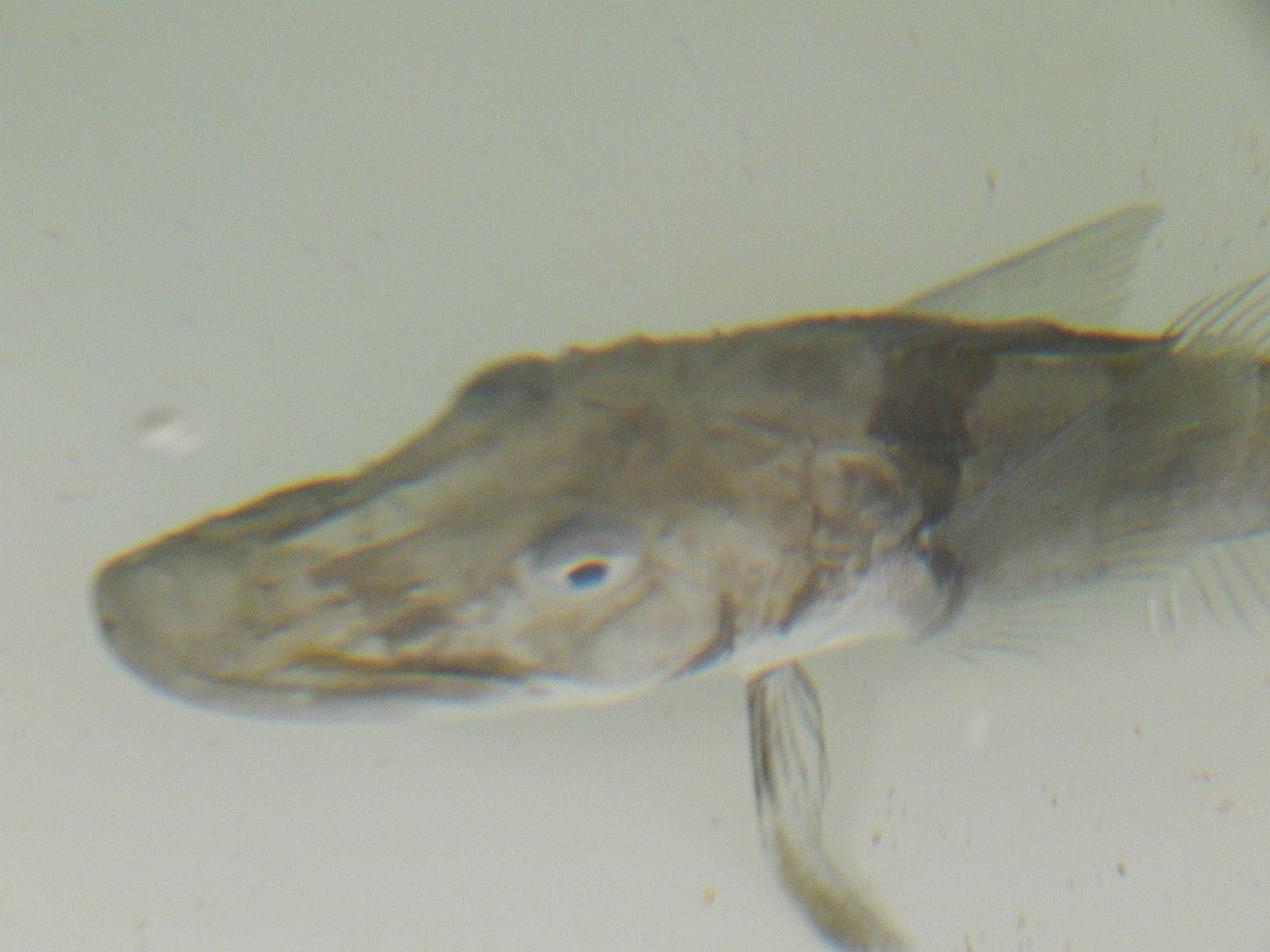
Some fish around Antarctica live without the protein that makes our blood red.
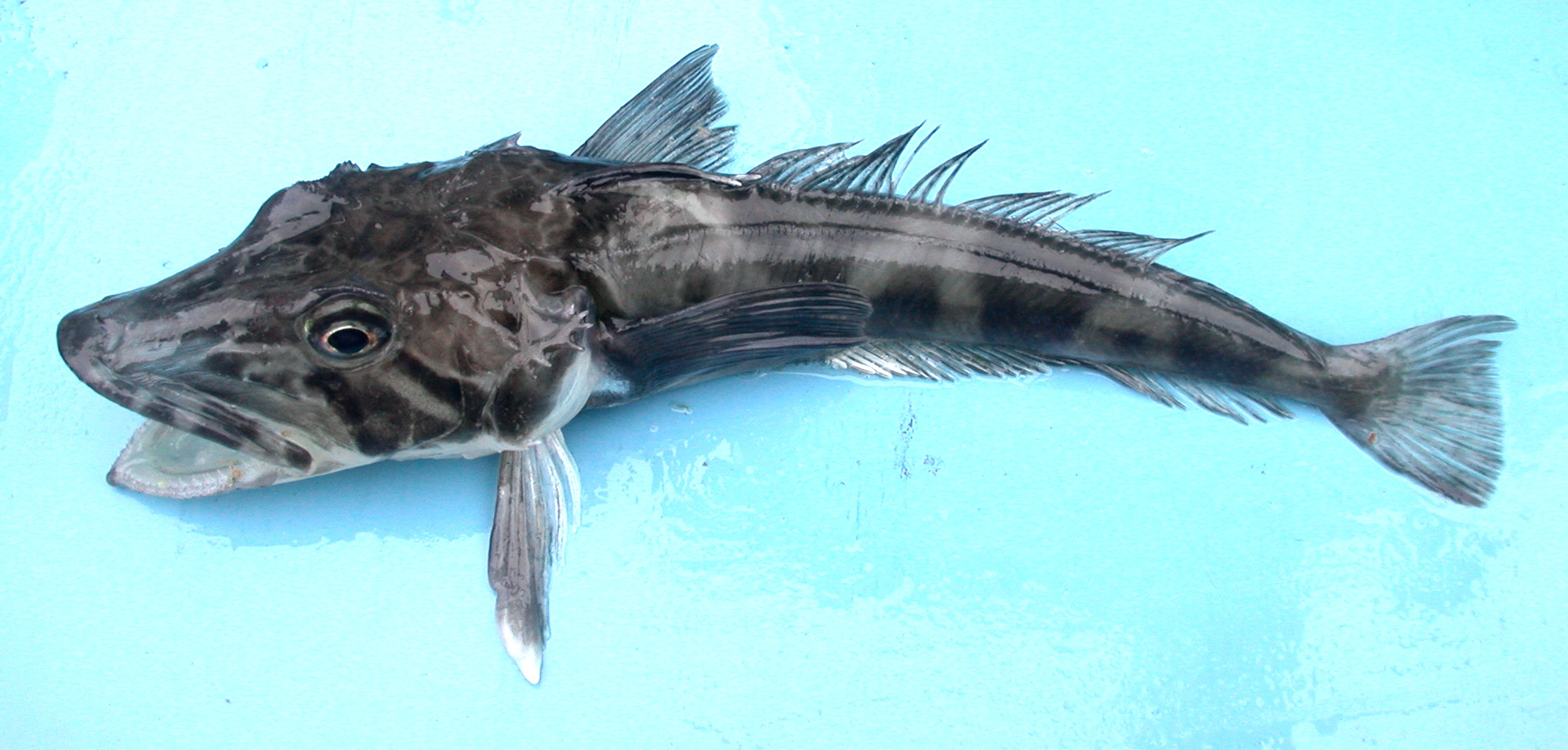
These animals belong to the icefish family, Channichthyidae. Their pale, nearly clear blood lacks hemoglobin, the oxygen-carrying pigment found in other vertebrates.
It sounds like an impossible arrangement. In the cold Southern Ocean, it works through a remarkable combination of body features and environmental conditions.
Why their blood is different
Hemoglobin normally helps carry oxygen around an animal's body. Antarctic icefish have lost functional hemoglobin and red blood cells, making them an exceptional group among animals with backbones.
Instead, oxygen travels dissolved in their blood plasma, according to the British Antarctic Survey.
The blood still has a job to do. Being nearly colorless does not mean it is empty or unnecessary.
Cold water helps make it possible
Water holds more dissolved oxygen when it is cold than when it is warm.
The near-freezing conditions of the Southern Ocean help icefish obtain the oxygen they need. Their bodies also compensate for the absence of hemoglobin.
The University of Texas Marine Science Institute describes large hearts and blood vessels that help move blood through the body.
The result is a different way of meeting the same basic need faced by other fish: getting enough oxygen to living tissues.
Antifreeze protects them from another danger
Surviving without red blood is only part of the challenge. These fish also live in water cold enough to threaten the body fluids of less specialized animals.
Antarctic notothenioid fishes, the wider group that includes icefish, evolved antifreeze proteins. These interfere with the growth of ice crystals.
The British Antarctic Survey's account of a 2023 genome study explains how researchers examined 24 species to investigate the history of their cold adaptations.
The proteins do not turn the fish into warm-blooded animals. They help prevent freezing while the animals continue to live in their cold surroundings.
An adaptation with limits
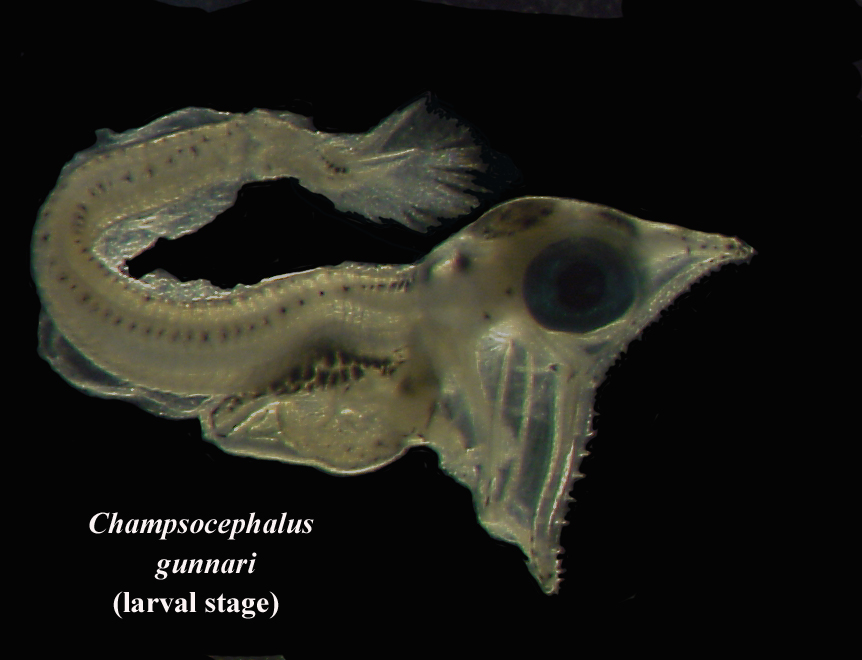
These traits fit a demanding environment. They also make icefish useful to scientists studying how highly specialized animals respond to change.
Researchers at the University of Leeds have examined the challenges that warming could pose for their circulation and oxygen supply.
A feature that works in very cold water does not automatically work equally well as conditions change.
A different way to be a fish
“Icefish” can refer to different groups of animals. The clear-blooded Antarctic family is the subject here, rather than every fish carrying that common name.
Their story is a reminder that familiar biology is not the only possible biology. In an ocean near the edge of freezing, a backbone, a beating heart and nearly clear blood can all belong to the same living animal.
Featured photograph: Ambiederman / Wikimedia Commons, CC BY-SA 4.0.
