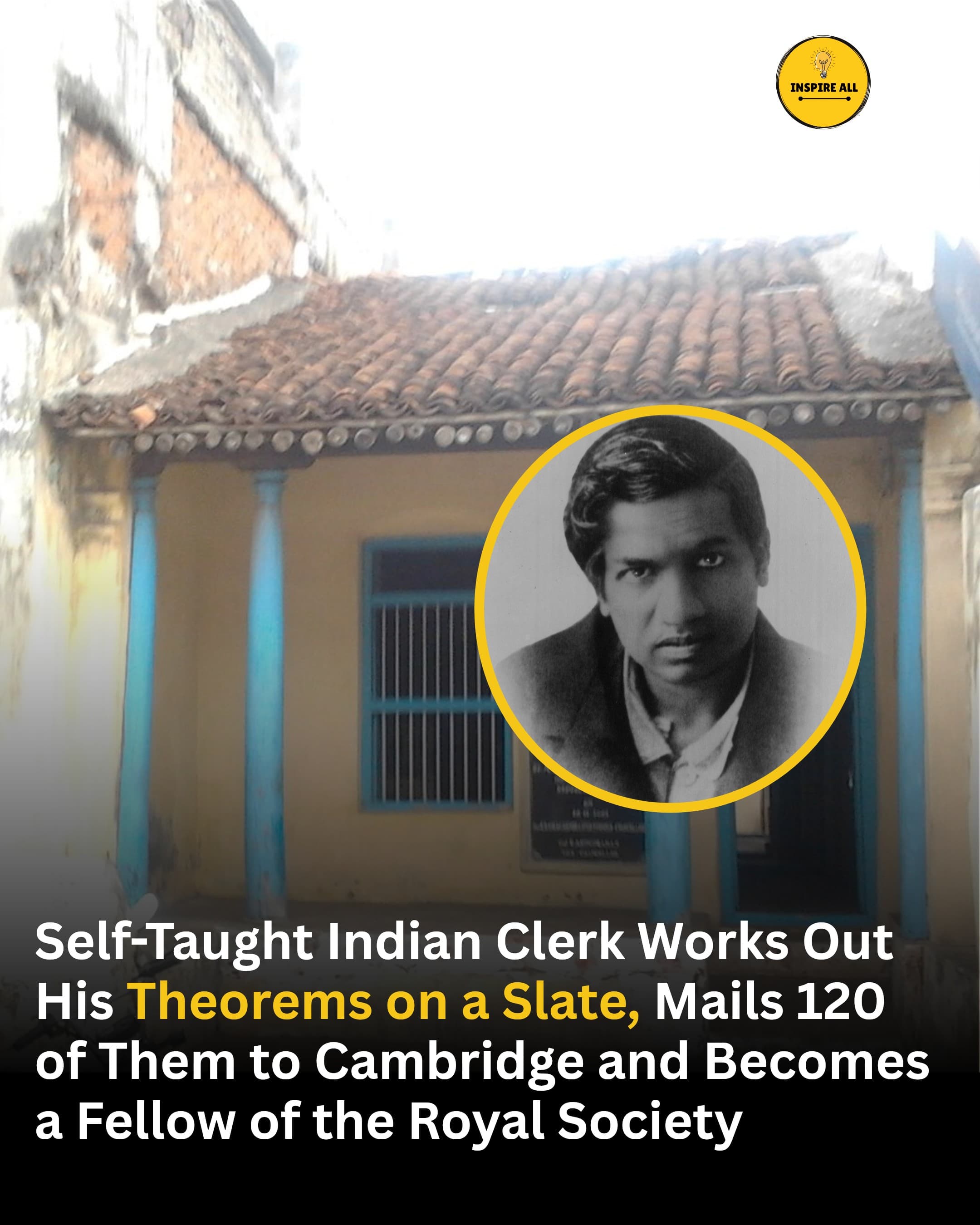
A Clerk’s Letter to Cambridge Helped Bring Ramanujan’s Mathematics to a Wider World
Srinivasa Ramanujan wrote to G. H. Hardy in 1913 while working as a clerk. Their correspondence led to collaboration and recognition for his mathematics.
Srinivasa Ramanujan wrote to G. H. Hardy in 1913 while working as a clerk. Their correspondence led to collaboration and recognition for his mathematics.
Ann Makosinski’s Hollow Flashlight used the temperature difference between a hand and surrounding air to generate power, earning recognition in 2013.
Deepika Kurup began investigating water treatment as a teenager. Her solar-powered research earned science awards, with further testing needed for wider use.
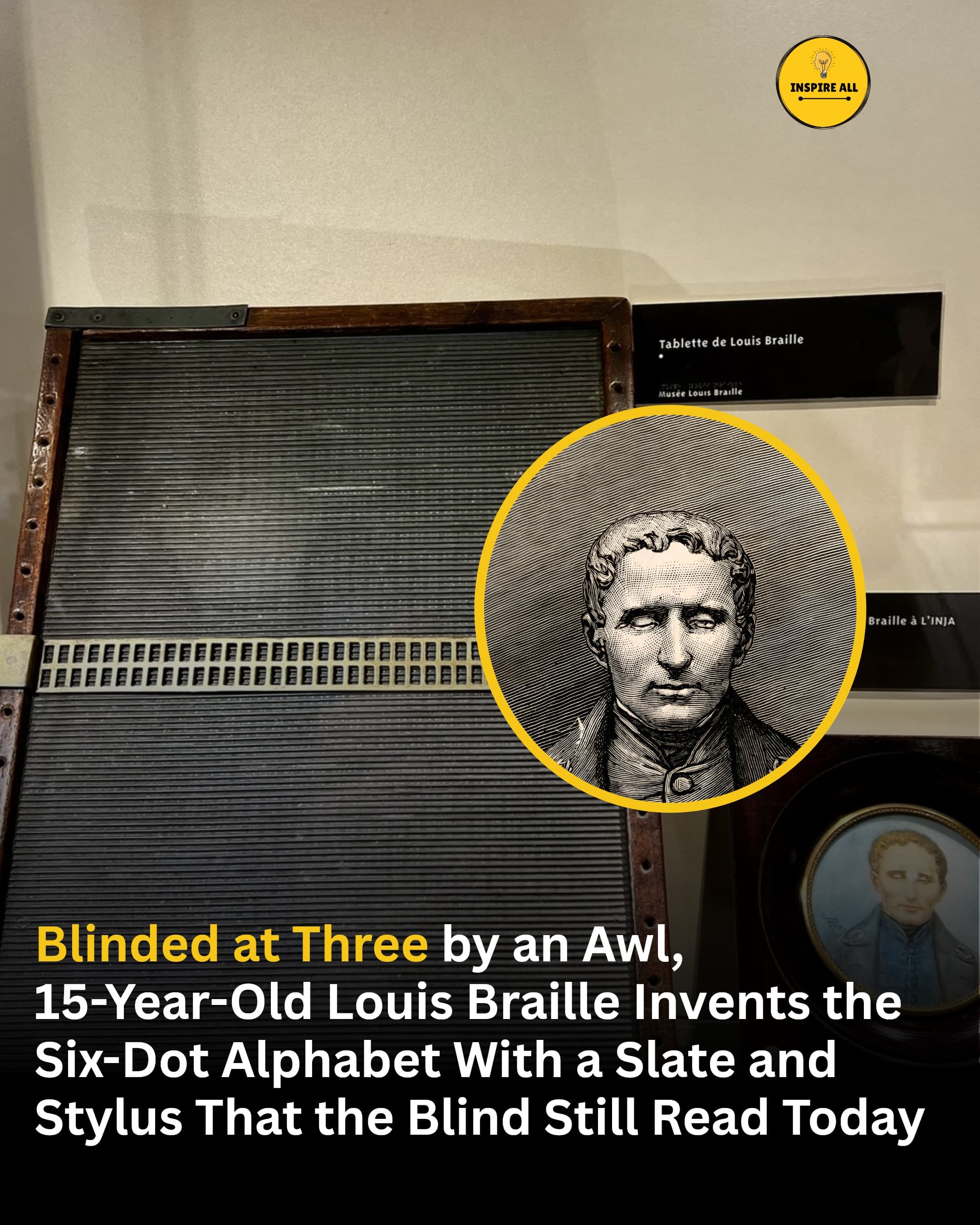
Louis Braille developed a tactile reading and writing system built around six dots. His work adapted earlier ideas into a code readers could use by touch.
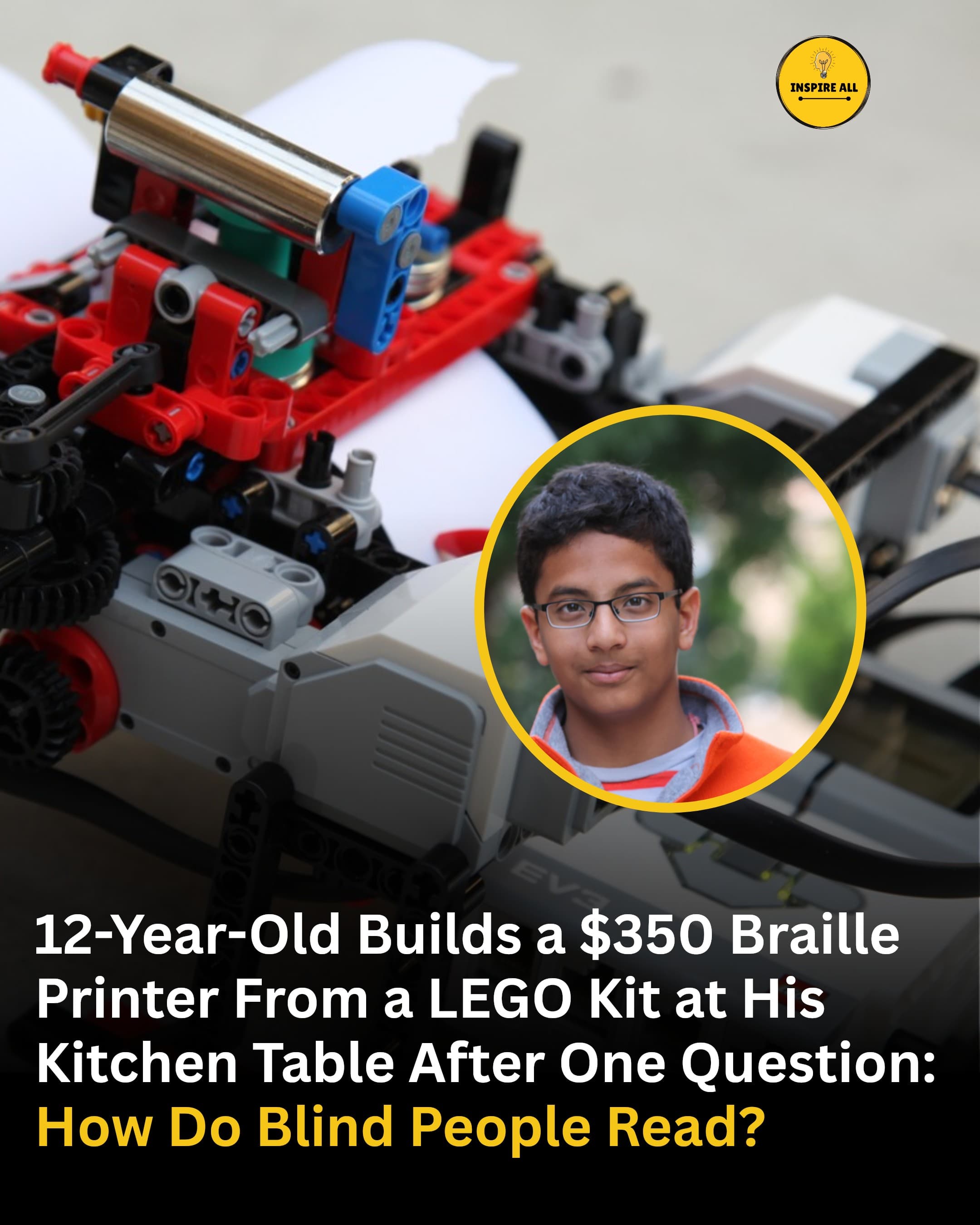
Shubham Banerjee used a LEGO robotics kit to build Braigo after learning about Braille. His 2014 interview explains the question that started the project.
Jack Andraka won the top 2012 Intel ISEF award for a paper-sensor project. Here is what the research established, and why it was not a proven screening test.
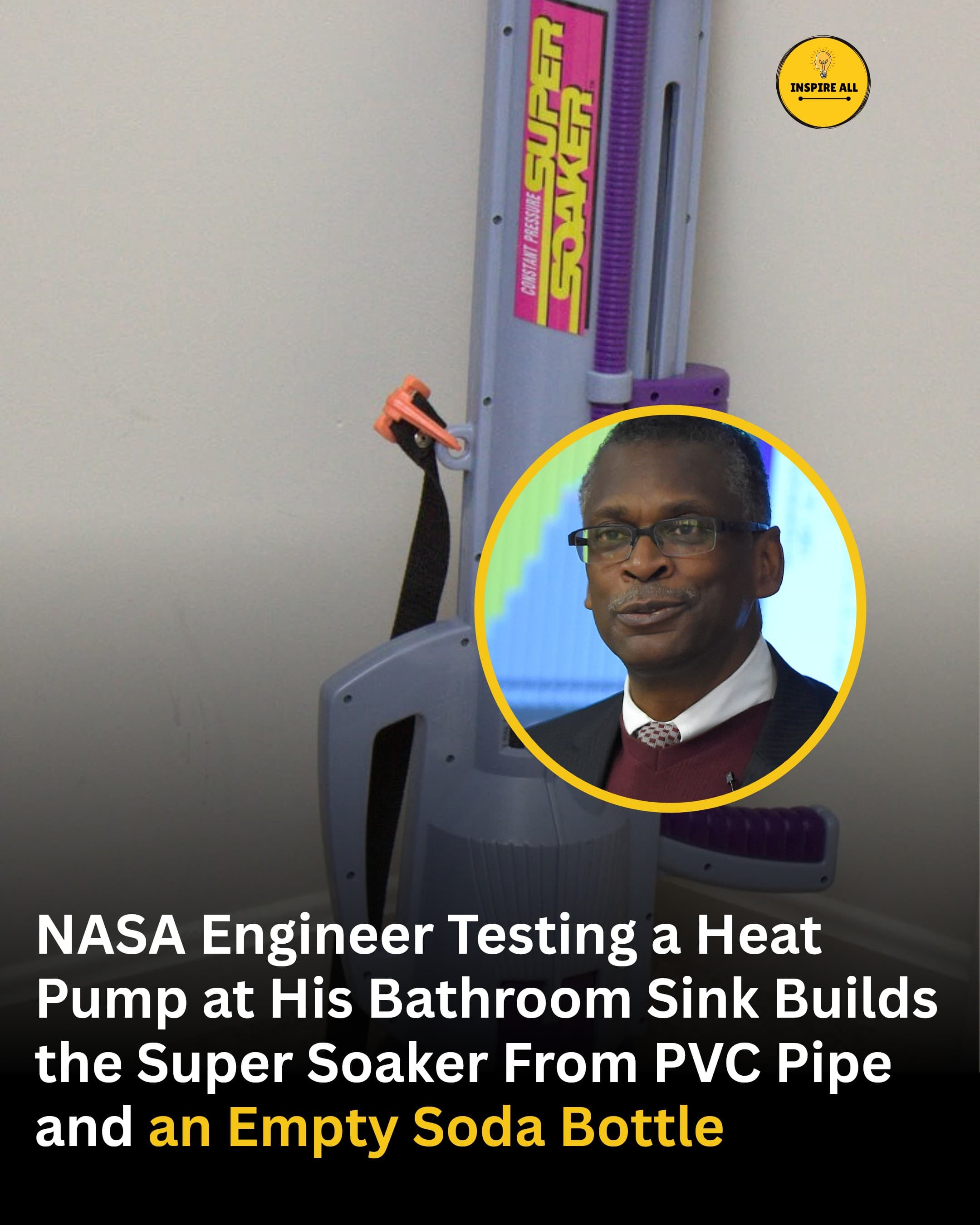
Lonnie Johnson’s bathroom heat-pump experiment inspired a powerful water toy. The Super Soaker began with an improvised model and years of development.
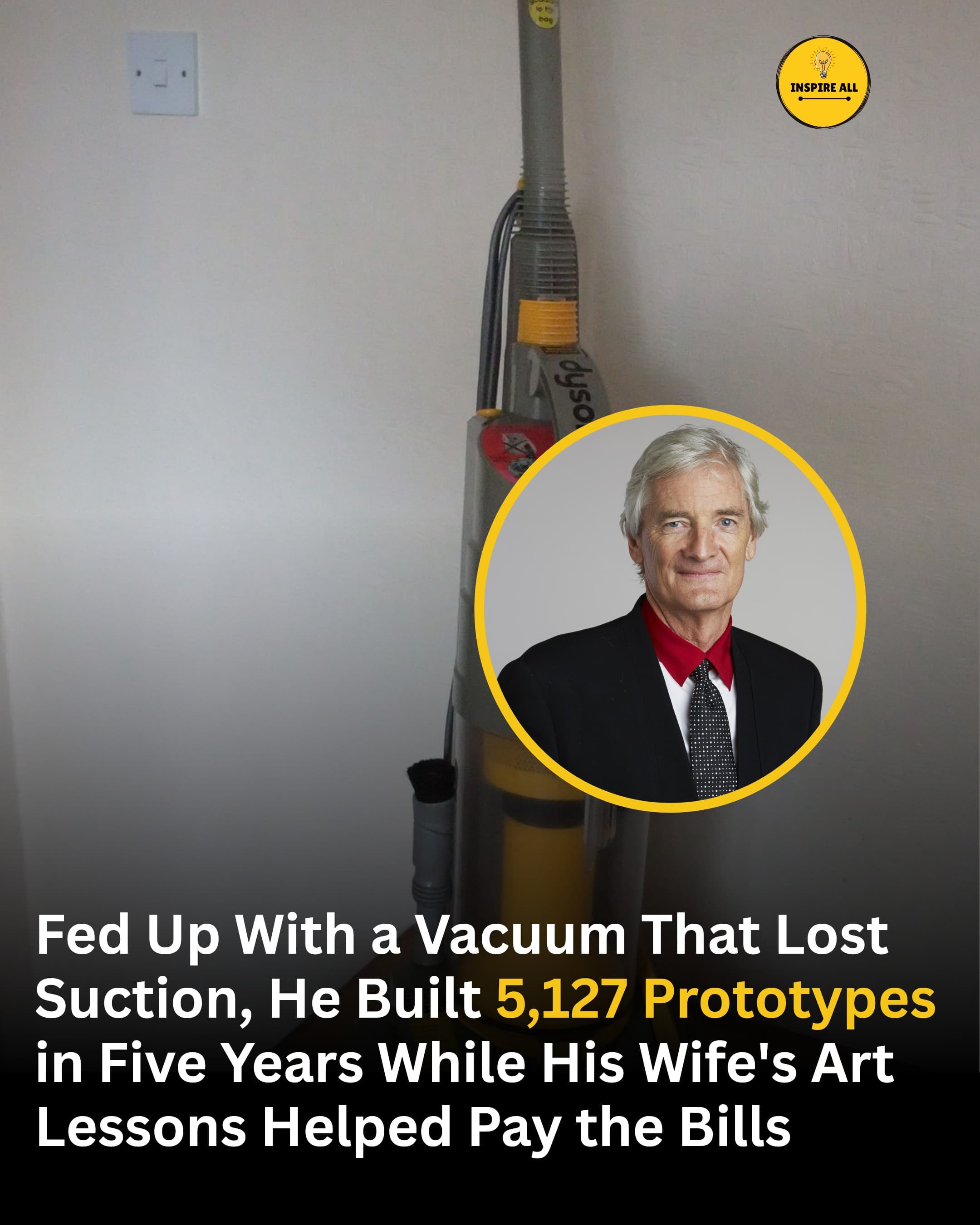
James Dyson’s bagless vacuum developed through thousands of prototypes. His own accounts explain the difference between an early idea and a marketable machine.
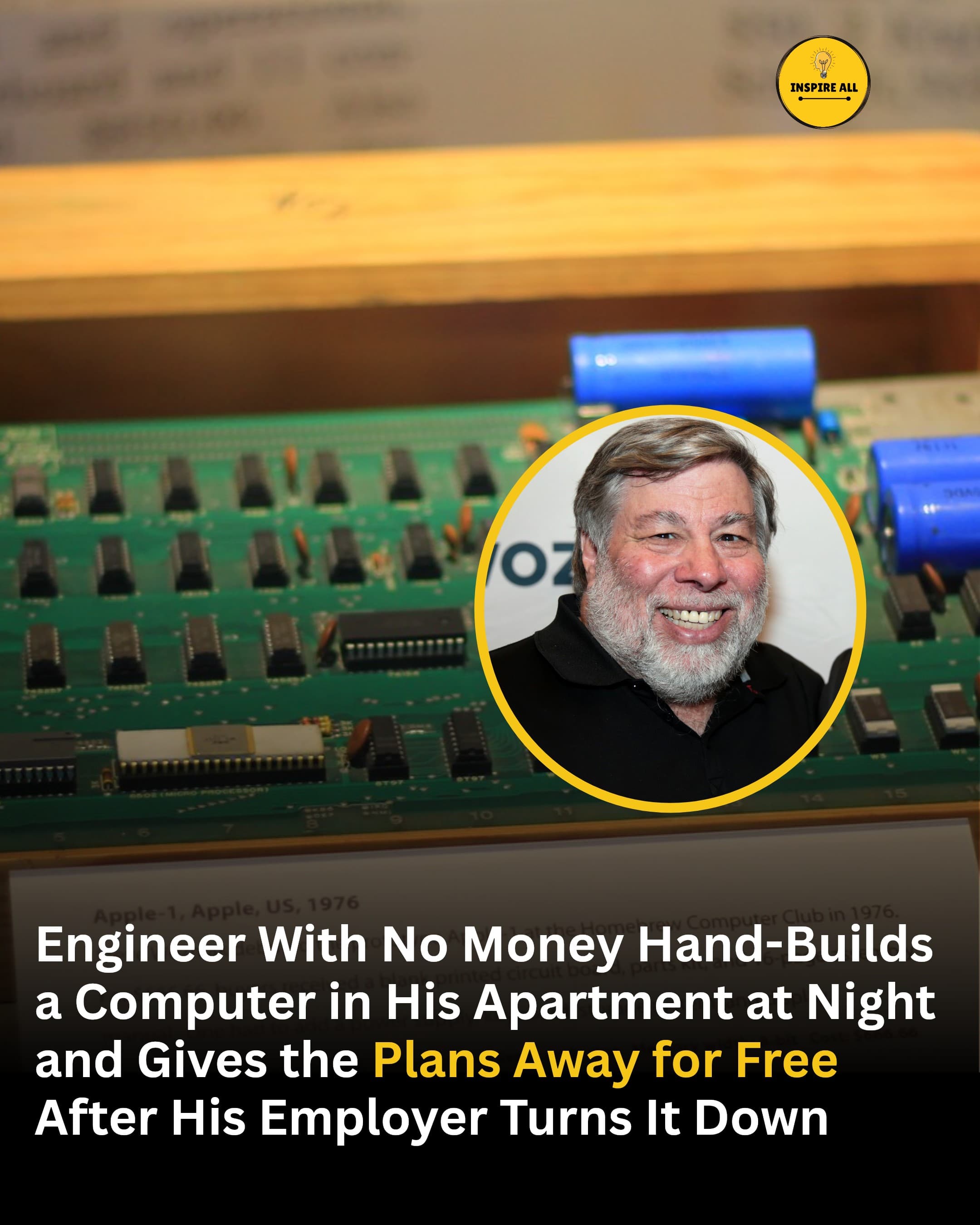
Steve Wozniak developed and shared a home-built computer before the Apple I became a product. His interview and museum records explain the early design.
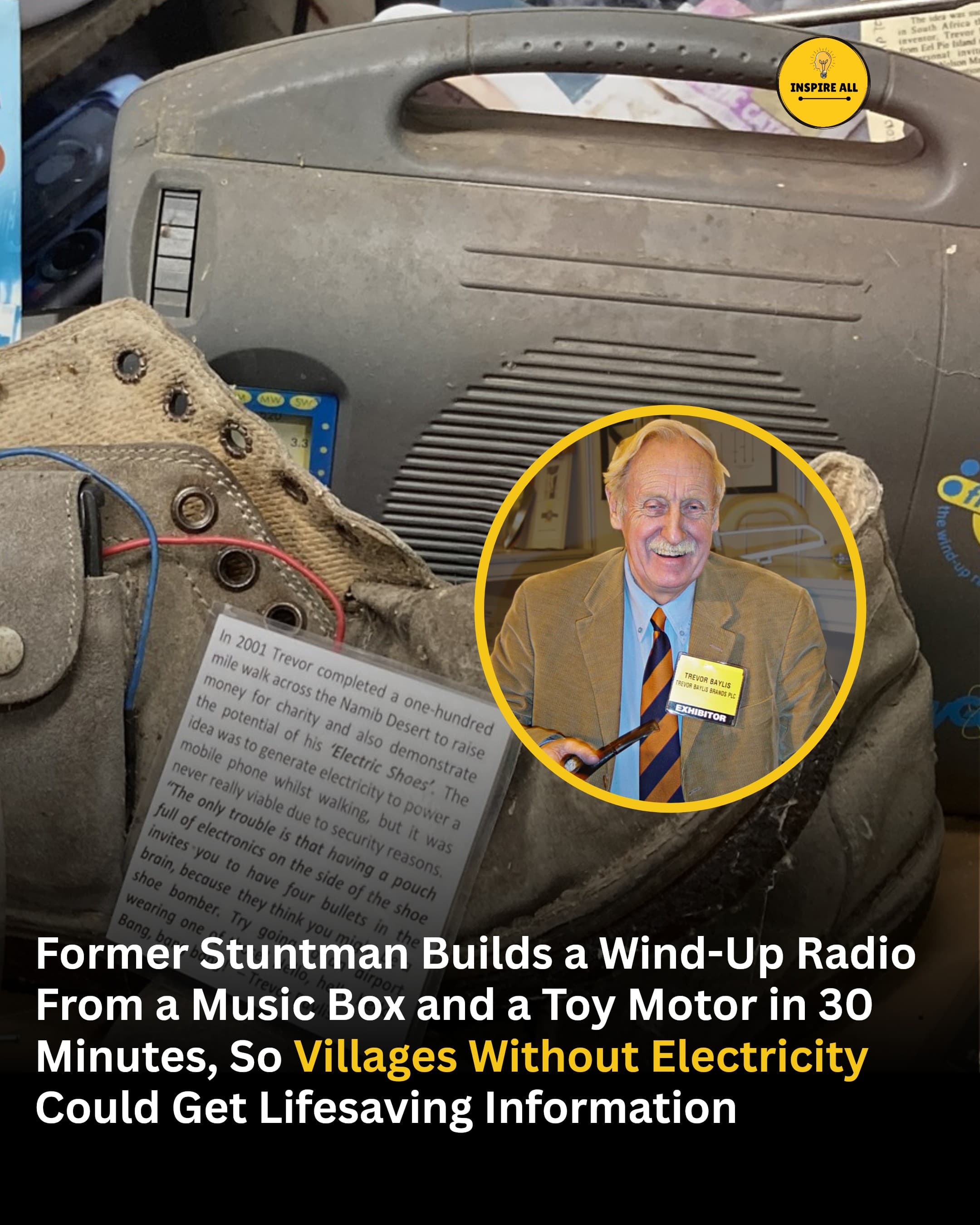
Trevor Baylis developed a wind-up radio after seeing how battery costs limited access to information. Clockwork and a generator offered another power source.
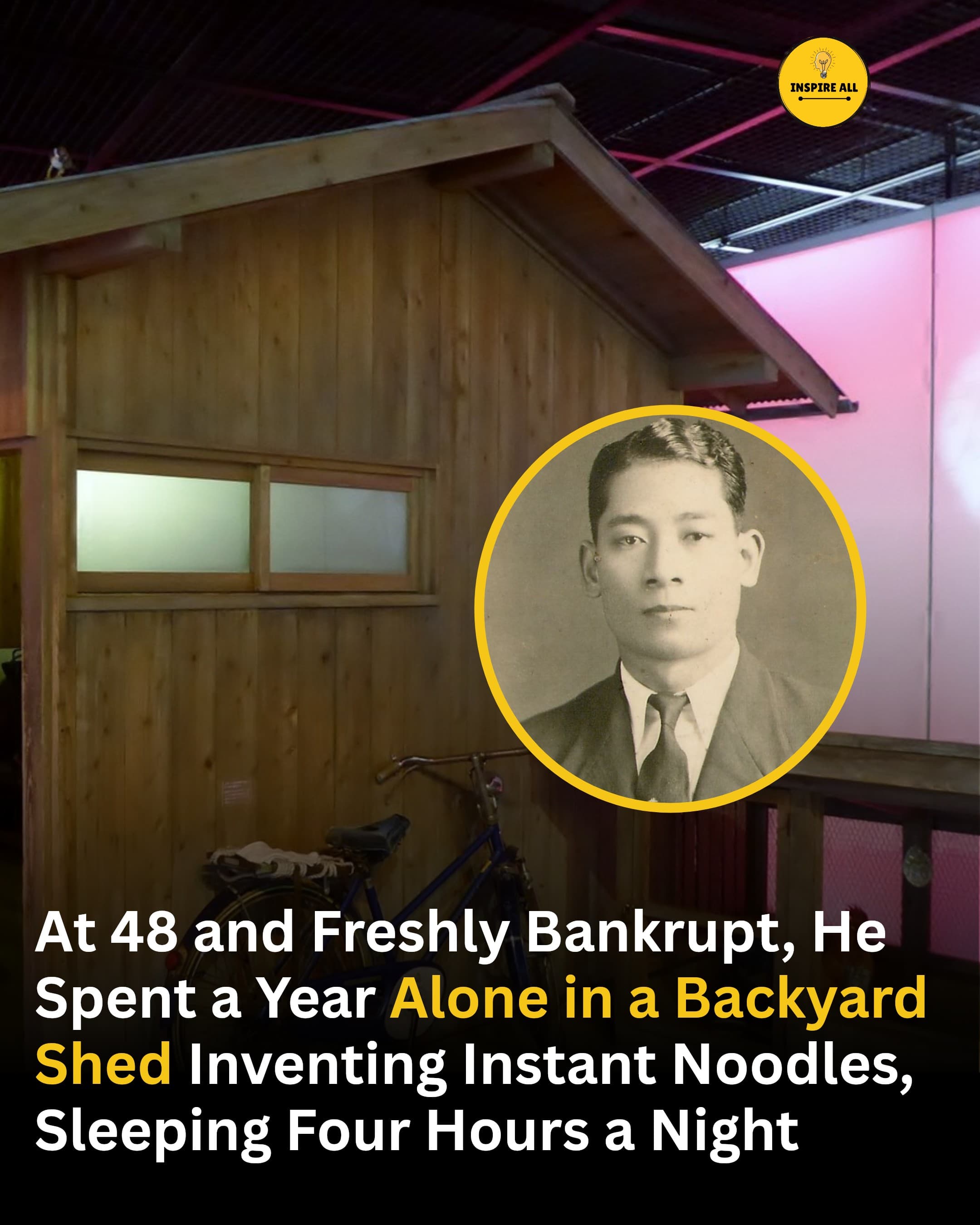
After a financial setback, Momofuku Ando developed Chicken Ramen in a backyard shed. A kitchen observation helped solve his noodle-drying problem.
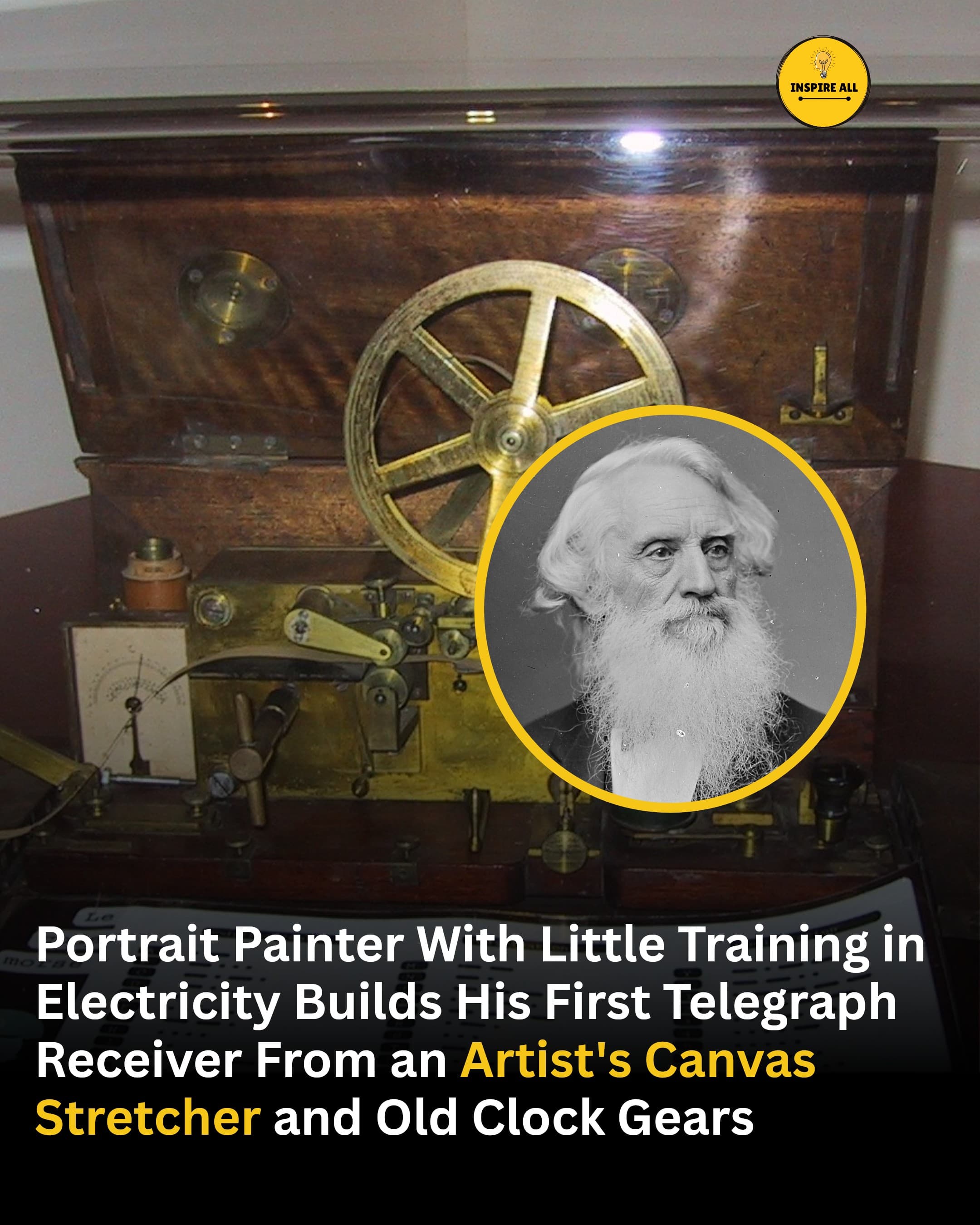
Painter Samuel Morse used an artist’s canvas stretcher in an 1837 telegraph prototype. Collaborators helped turn the experiment into a practical communications system.
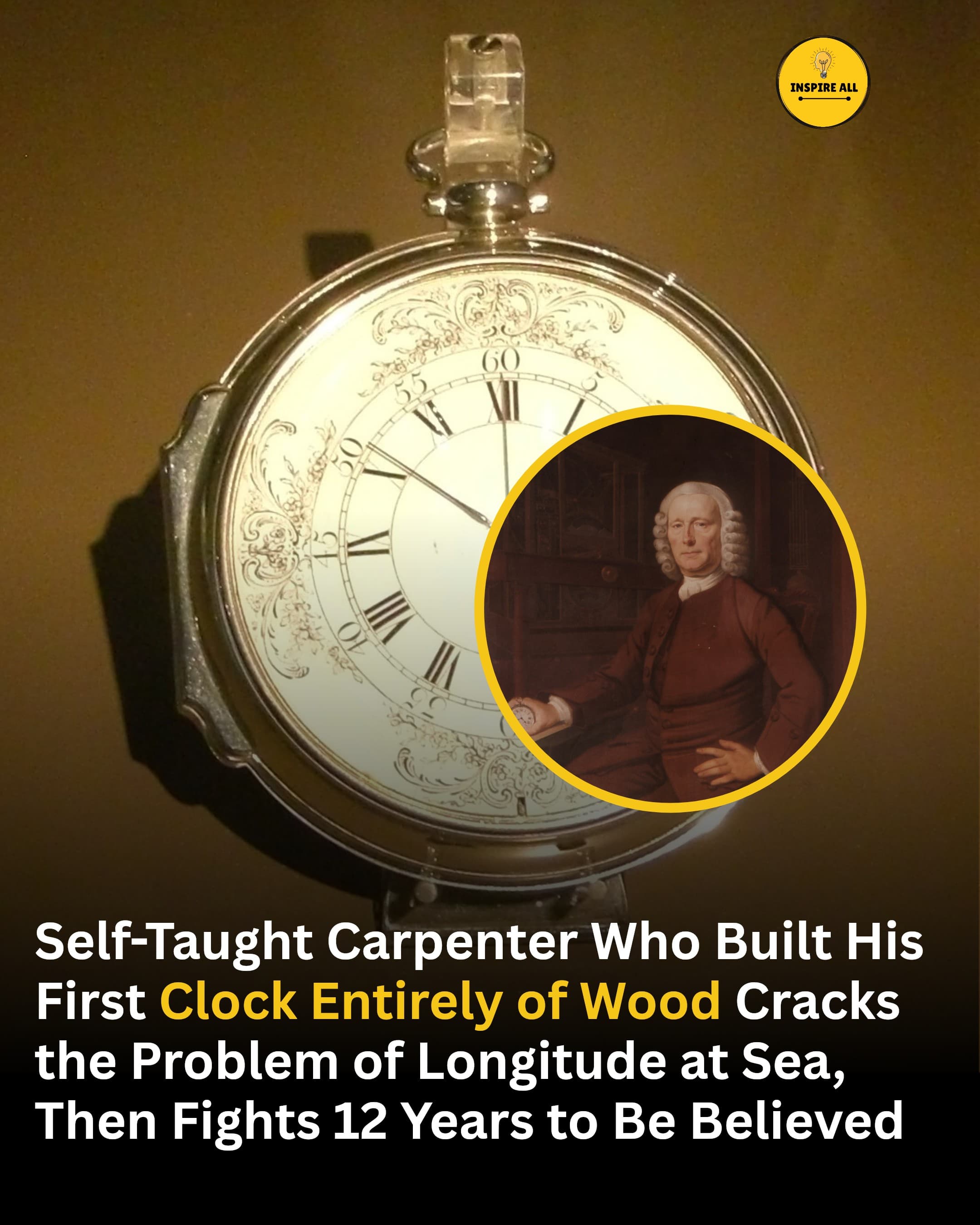
Carpenter and self-taught clockmaker John Harrison developed marine timekeepers including H4. Sea trials and years of dispute shaped the longitude story.
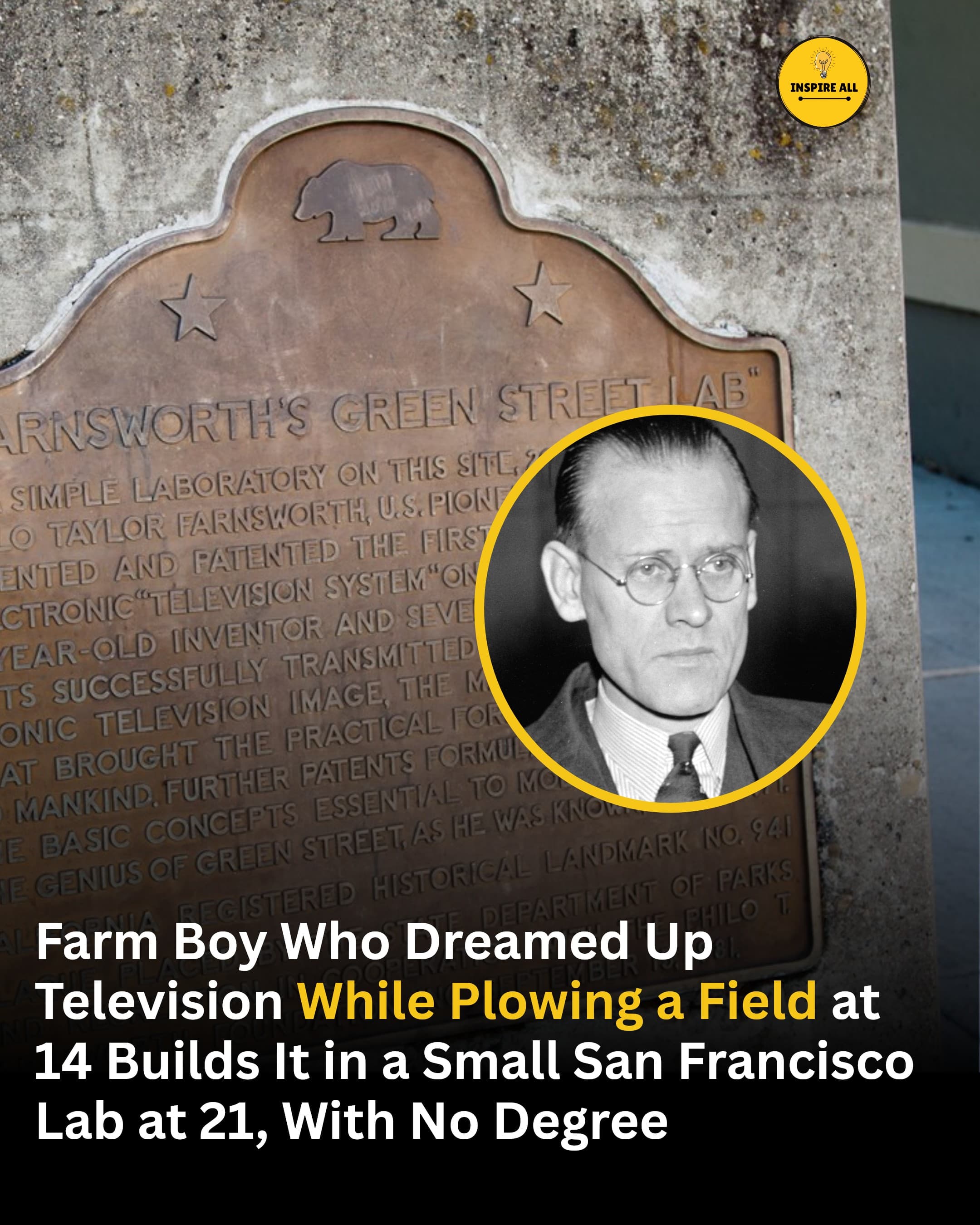
Philo Farnsworth’s electronic television experiments reached a milestone in 1927. His story connects a farm-inspired idea with a collaborative laboratory effort.
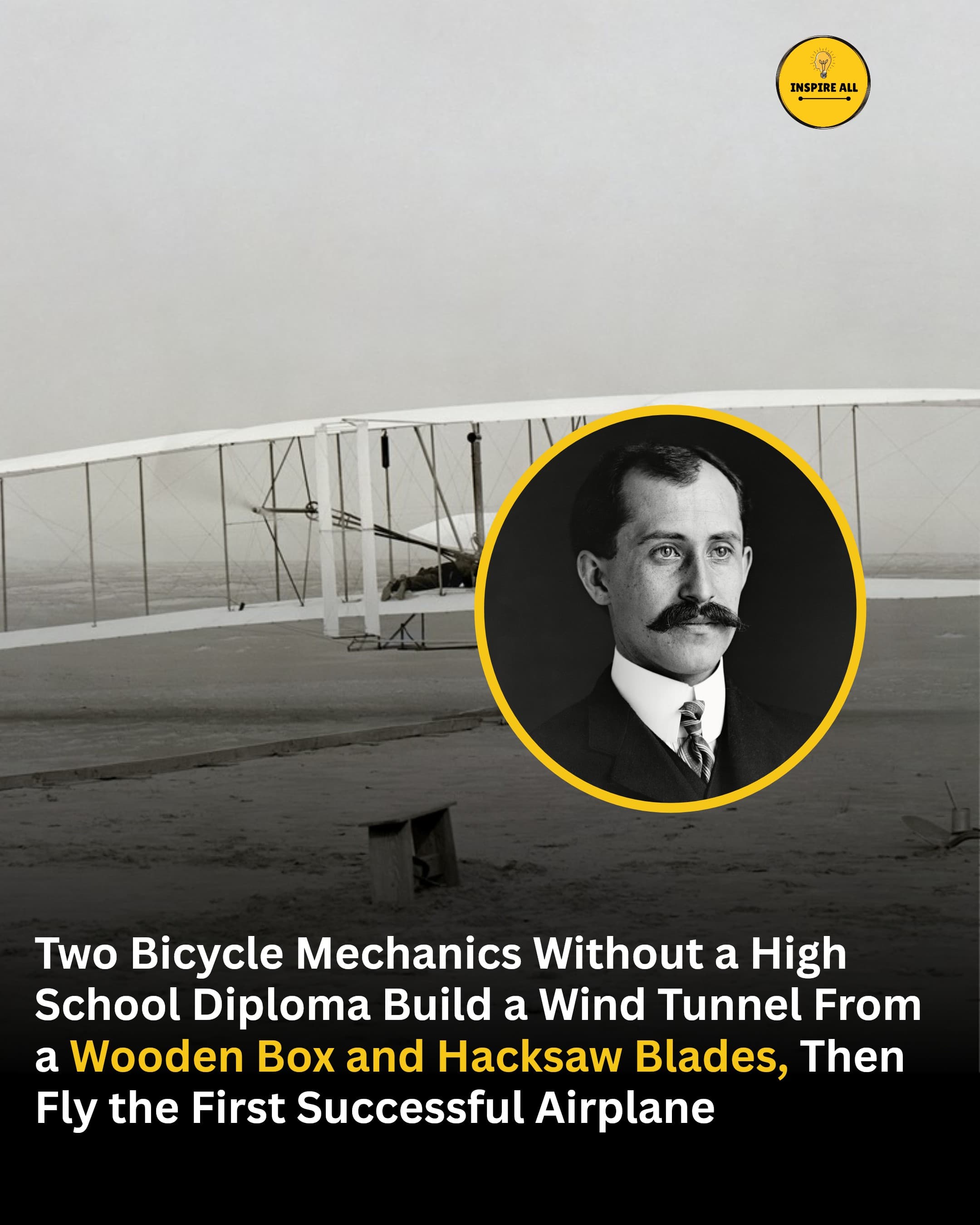
Before their 1903 flights, Wilbur and Orville Wright tested wing designs in a homemade wind tunnel, combining experiments with hard-earned piloting experience.
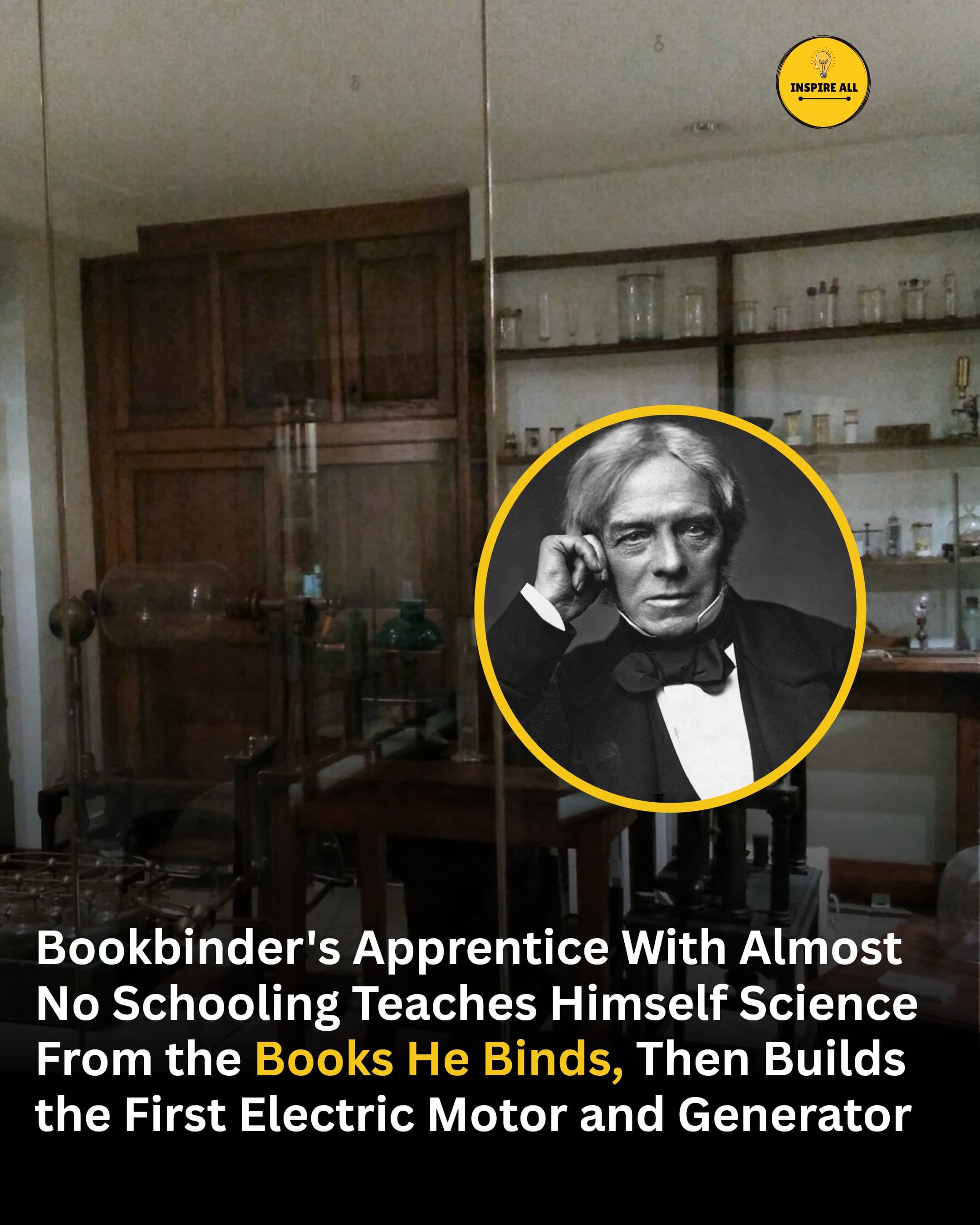
Michael Faraday began as a bookbinder’s apprentice. His notes, experiments and Royal Institution work helped lay foundations for motors and electricity generation.
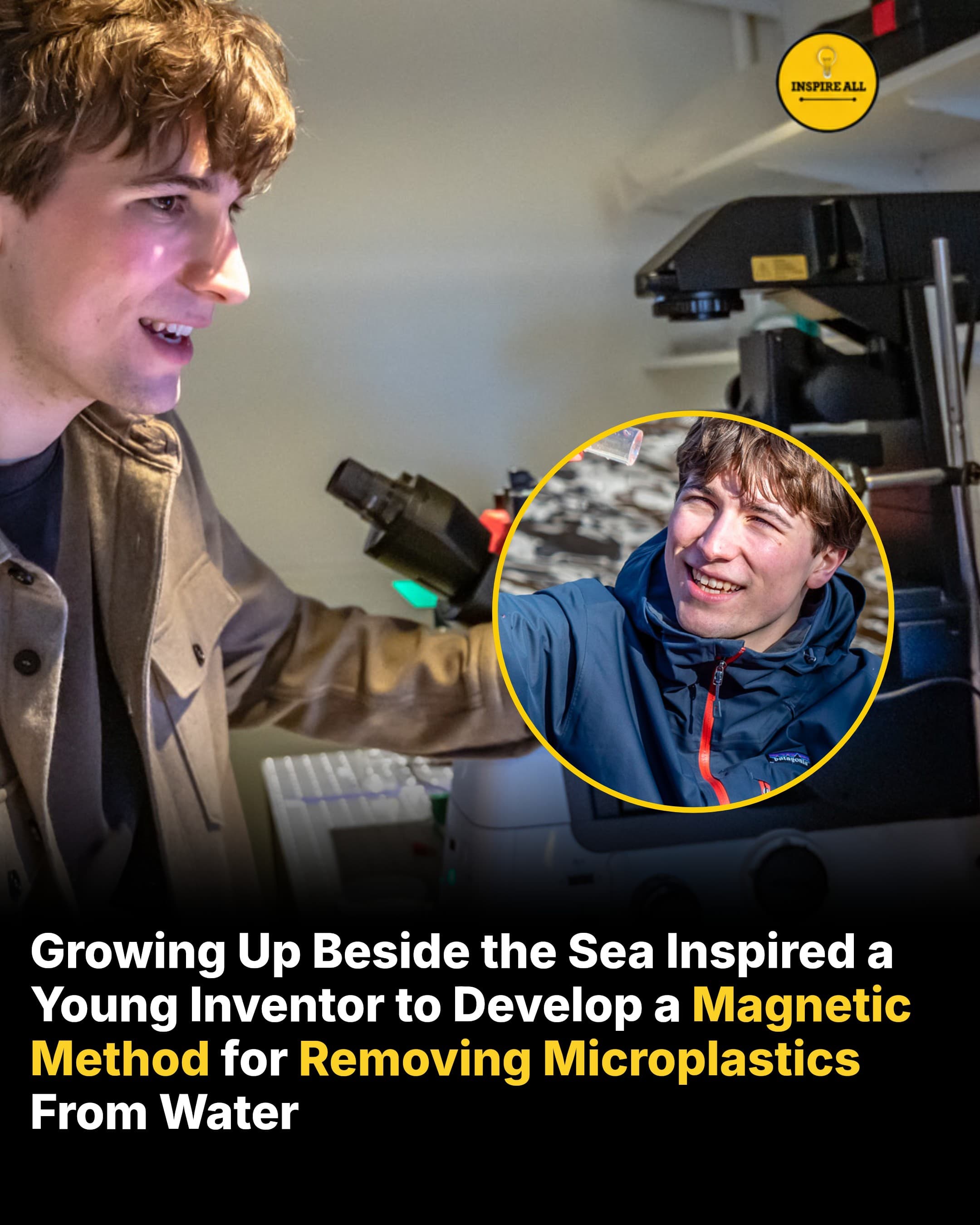
Fionn Ferreira’s experimental method uses a magnetic liquid to collect microplastics from water. The EPO recognized his work in the 2023 Young Inventors Prize.
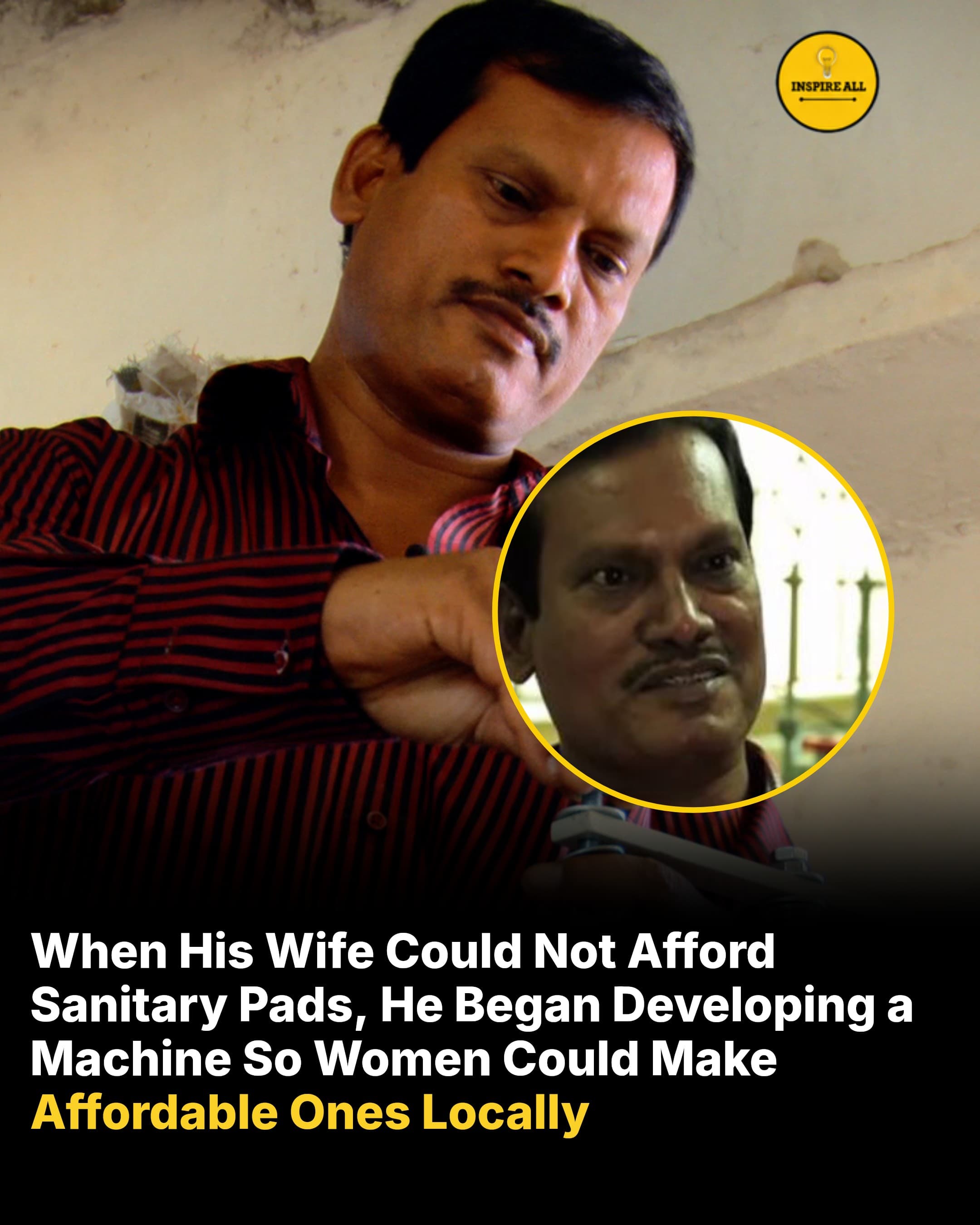
Arunachalam Muruganantham developed a low-cost sanitary pad machine after learning about his wife’s difficulty affording pads, supporting local production.
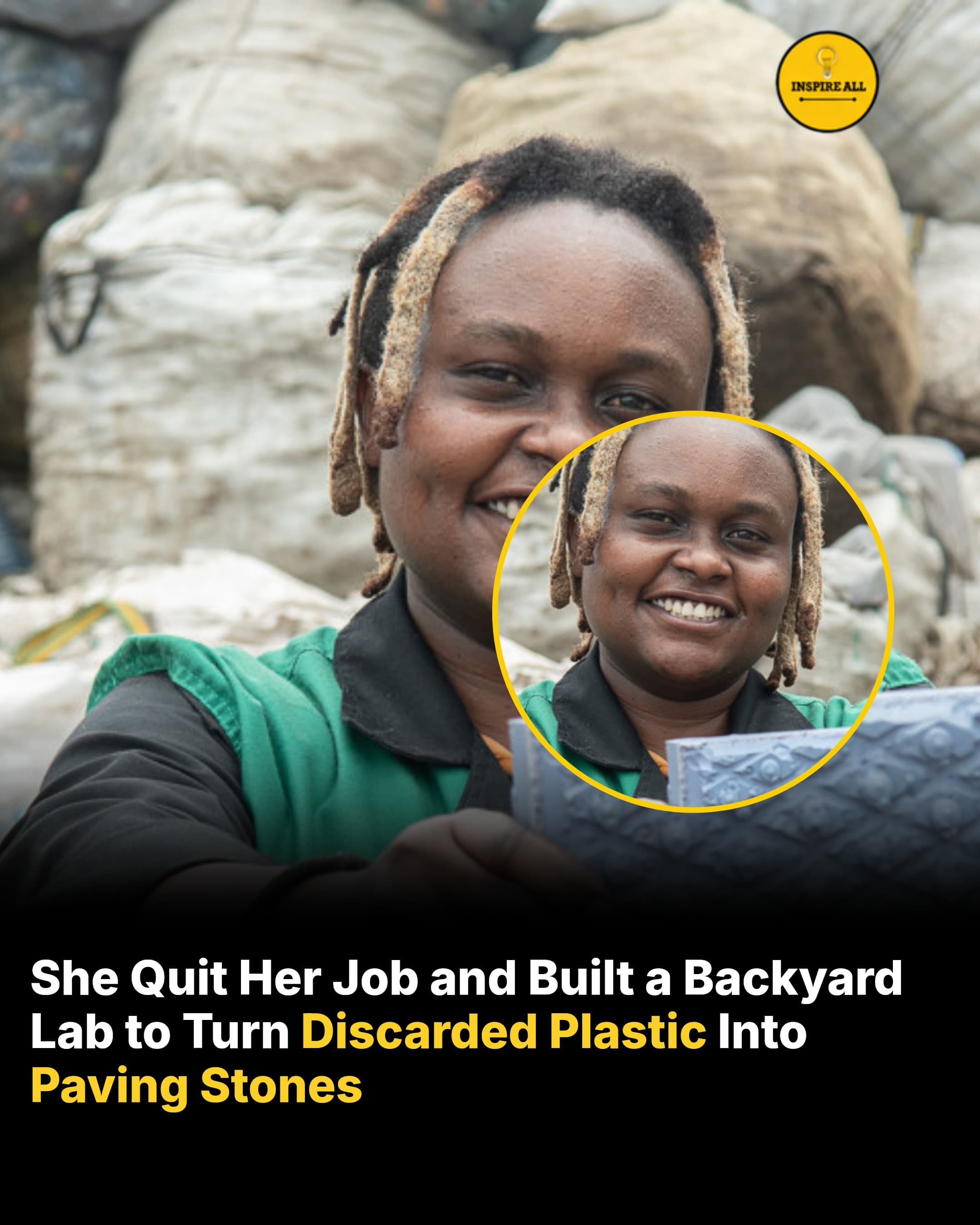
Nzambi Matee began testing plastic-and-sand pavers in her mother’s backyard. Her Nairobi business earned UNEP recognition for rethinking discarded plastic.
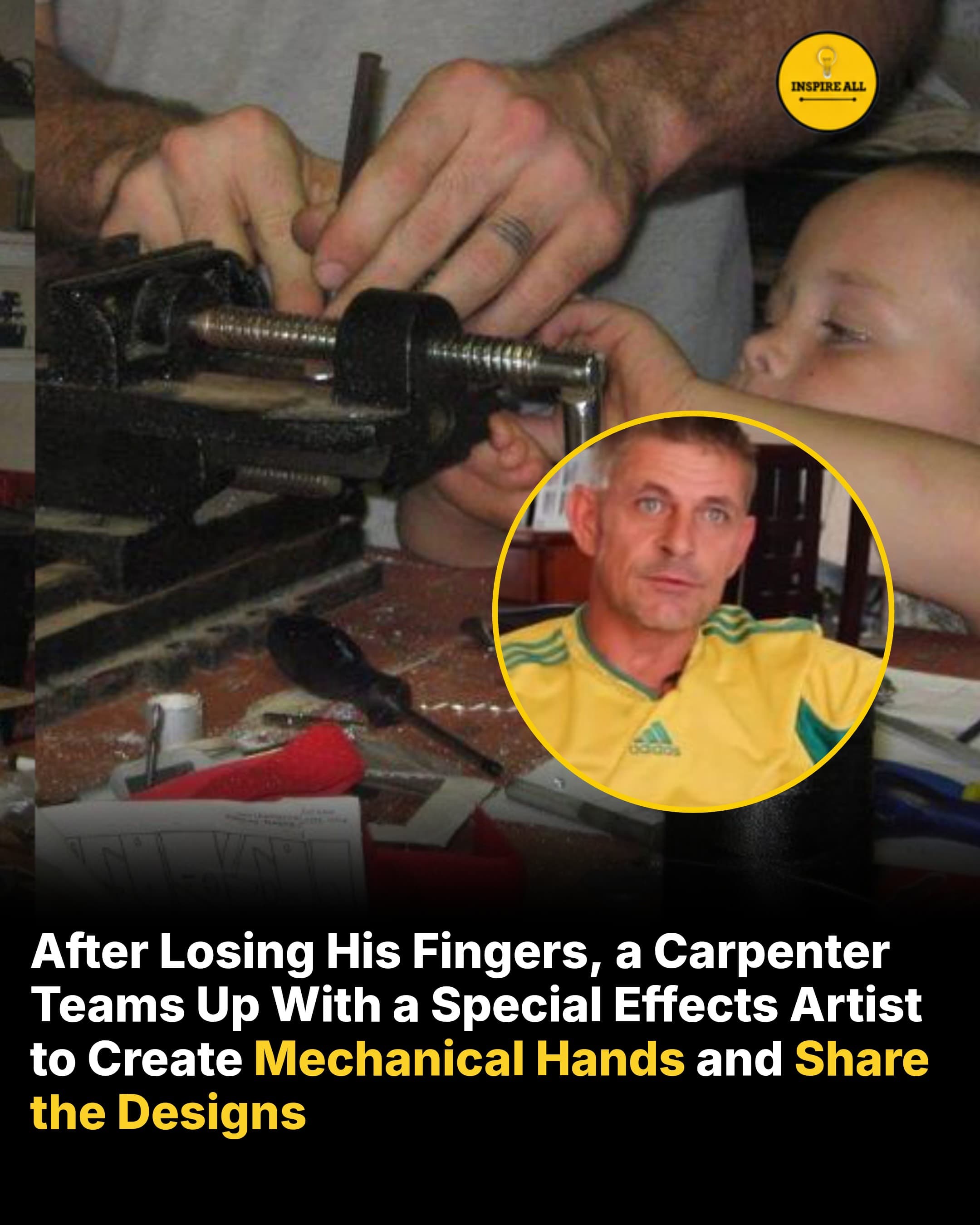
Richard Van As and Ivan Owen collaborated on mechanical fingers after a woodworking accident. Their shared designs helped inspire the e-NABLE community.
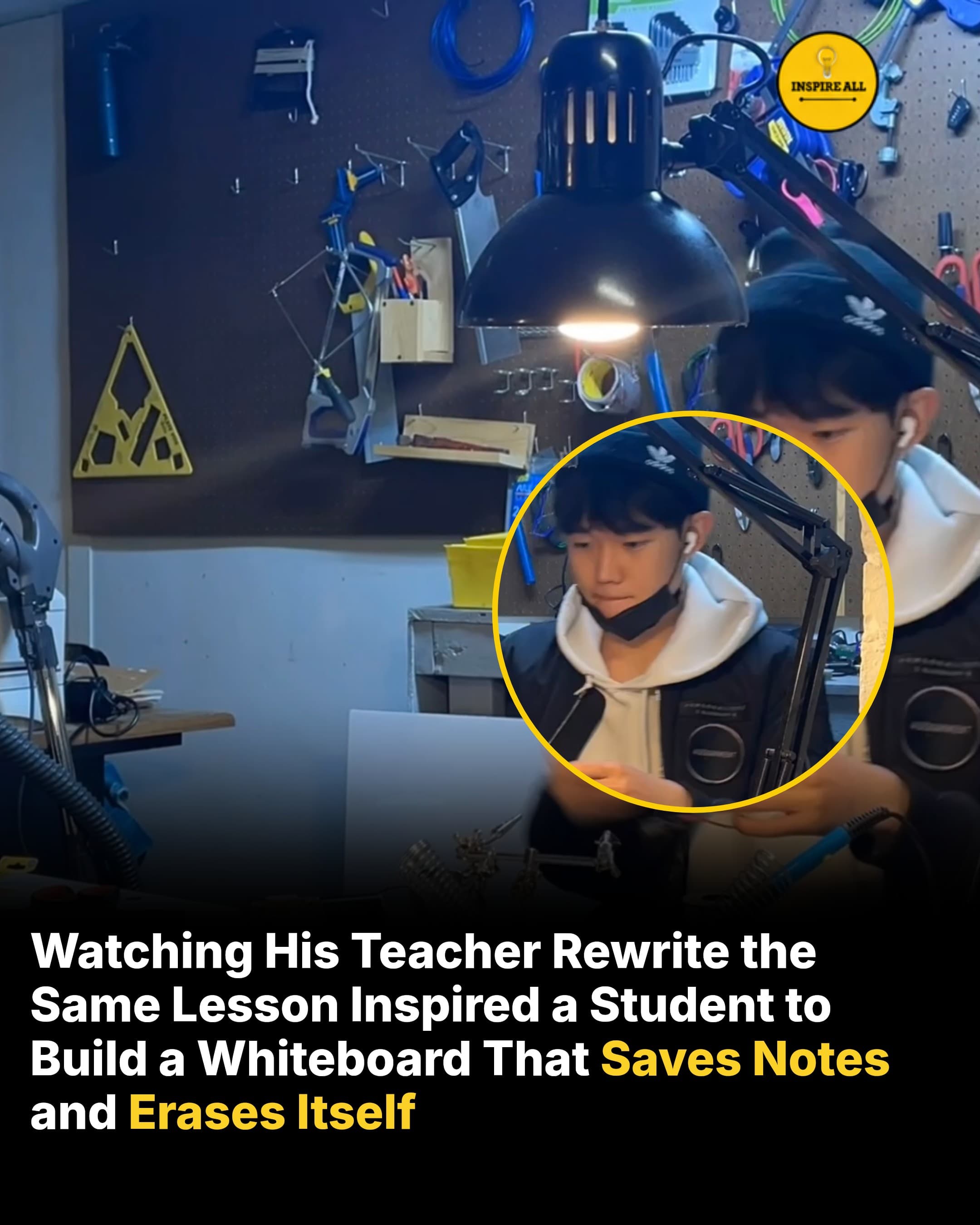
Jason Ahn developed the ARE Board after watching a teacher rewrite lessons. His rolling whiteboard captures notes digitally and erases its writing surface.