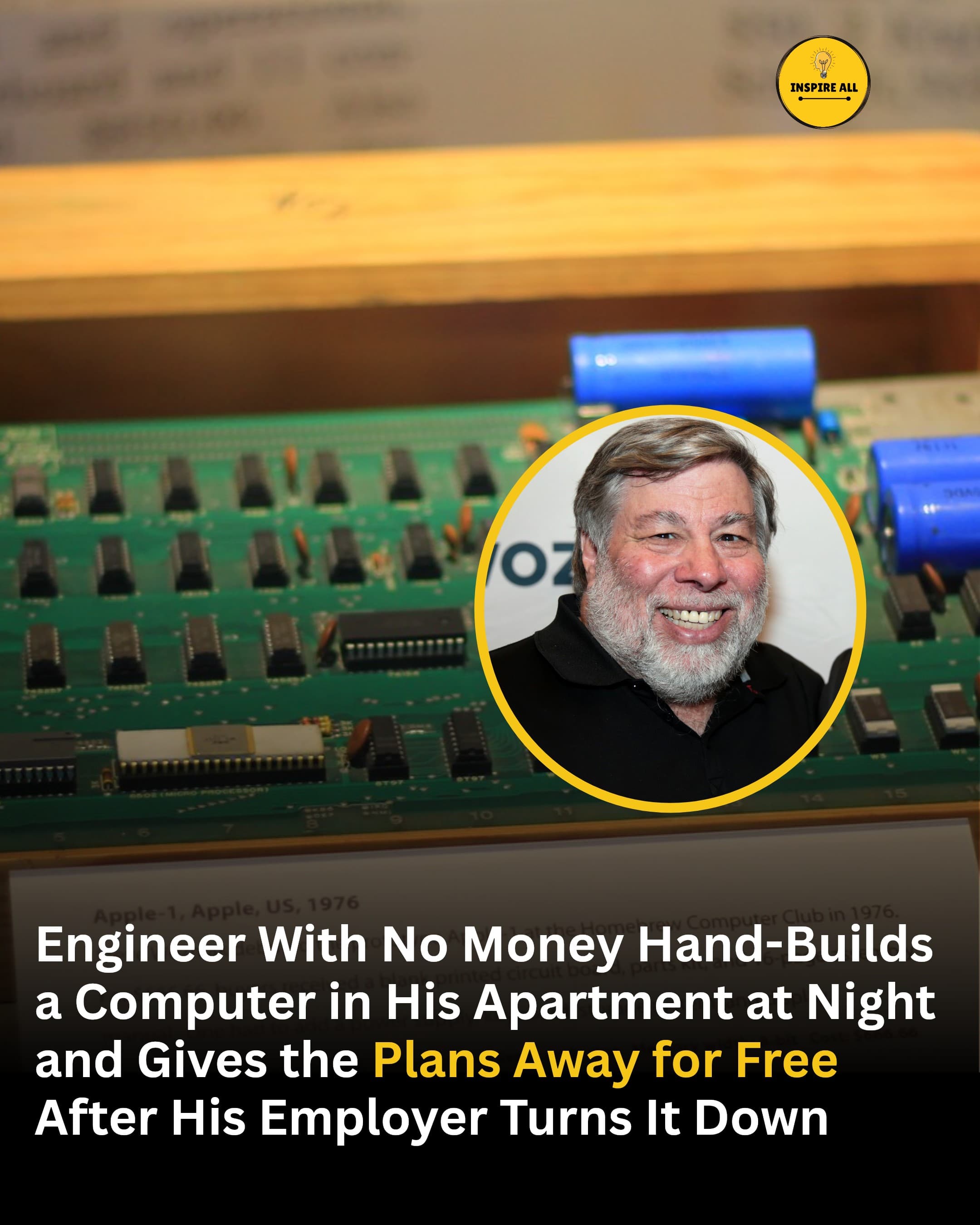
A hobbyist computer, a club where people exchanged ideas and a friend’s commercial ambitions helped shape Apple’s beginnings.
Steve Wozniak designed the computer that became the Apple I while working at Hewlett-Packard. Before it was a product, it was something he wanted to build and show to other enthusiasts.
In his Founders at Work interview, Wozniak describes valuing designs that achieved more with fewer components. Limited money for parts encouraged him to simplify circuits and find alternatives.
Building for a community of enthusiasts
Wozniak brought his work to the Homebrew Computer Club, where people exchanged technical ideas. His account describes sharing designs rather than beginning with a conventional product-launch plan.
Steve Jobs recognized a sales opportunity. That brought another set of tasks alongside the engineering: obtaining orders, assembling boards and delivering something customers would buy.
The distinction between a hobbyist project and a business helps explain why both men appear in the story.
What buyers actually received
The Computer History Museum’s Apple-1 record dates its debut to 1976.
For $666.66, buyers received a single-board computer with 4K of memory. They still needed to add items including a power supply, keyboard, storage and display to create a fully functioning setup.
That corrects the impression that the original board was a complete modern-style desktop computer ready to use straight from a box.
The museum’s object record provides a useful companion to Wozniak’s personal recollections: it documents what the machine offered and what remained for the owner to supply.
More than a story about scarce money
Wozniak’s account is striking because engineering economy was both a constraint and a preference. Fewer parts could mean a design he considered more elegant as well as less expensive.
It also shows how an invention can change purpose. A machine made to explore and share became the basis of a commercial product through collaboration.
The early Apple I story is therefore about circuitry and community together: technical choices made at a workbench, then tested against the interests of other people.
Based on Wozniak’s published interview and Computer History Museum records. Featured graphic supplied by Inspire All.
Related reading: Momofuku Ando’s instant-noodle experiments and Michael Faraday’s route from bookbinding into science.