An online video connected a South African carpenter with an American artist, setting off a collaboration that helped shape a volunteer assistive-device movement.
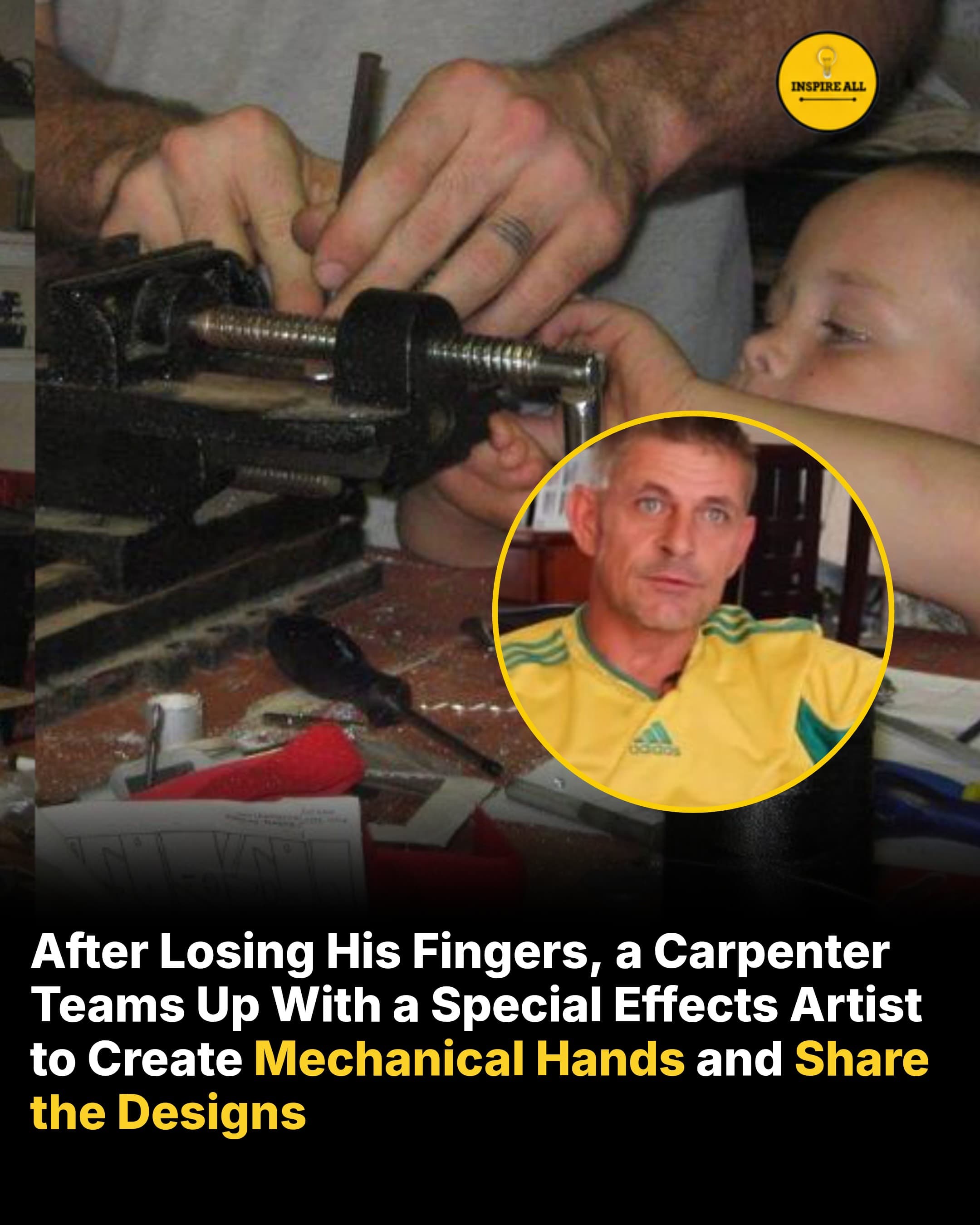
After losing fingers in a woodworking accident, Richard Van As searched for a replacement he could afford. A video of a mechanical costume hand by artist Ivan Owen suggested another possibility.
According to e-NABLE’s illustrated history, published December 3, 2019, Van As contacted Owen in December 2011. The two began developing a device across continents.
Designing across the distance
Van As sent a mould of his hand in early 2012 so Owen could work around his needs. They exchanged ideas through email and calls, using materials available to both of them.
Later that year, Owen travelled to South Africa. The work also reached the family of a young child, Liam, who had been born with missing fingers.
Their experiments moved from mechanical prototypes toward designs that could be reproduced with 3D printing. Sharing the work helped inspire what became the e-NABLE community.
This was a chain of contributions, rather than one person independently creating a finished solution.
What the community shares
e-NABLE’s general FAQ explains that its work builds on original files and later redesigns contributed by others. It also distinguishes the e-NABLE community from the separate Robohand project associated with Van As and his team.
That distinction matters when tracing the history. Related projects can share roots without remaining the same organization.
The FAQ emphasizes appropriate fit and medical advice when a device causes discomfort. A printed assistive hand is not automatically suitable for every person or activity.
Why the original request mattered
The first connection was practical: someone saw a mechanism made for one purpose and asked whether it could serve another.
A costume prop and an assistive device have different requirements. Moving between them meant adapting the design around a particular person, then learning from use.
Open files can make collaboration easier, but successful use still depends on individual needs, fitting and responsible testing.
The lasting human story is the willingness to answer that initial request, then let other people contribute improvements of their own.
This historical account draws on e-NABLE’s retrospective and guidance. It does not establish current device availability or offer fitting advice. Featured graphic supplied by Inspire All.
Related reading: Himaja’s voice-controlled Braille printer and Gargi Agrawalla’s portable alert prototype.