Veronica Bekoe Put a Tap on a Container to Bring Running Water to Handwashing in Ghana
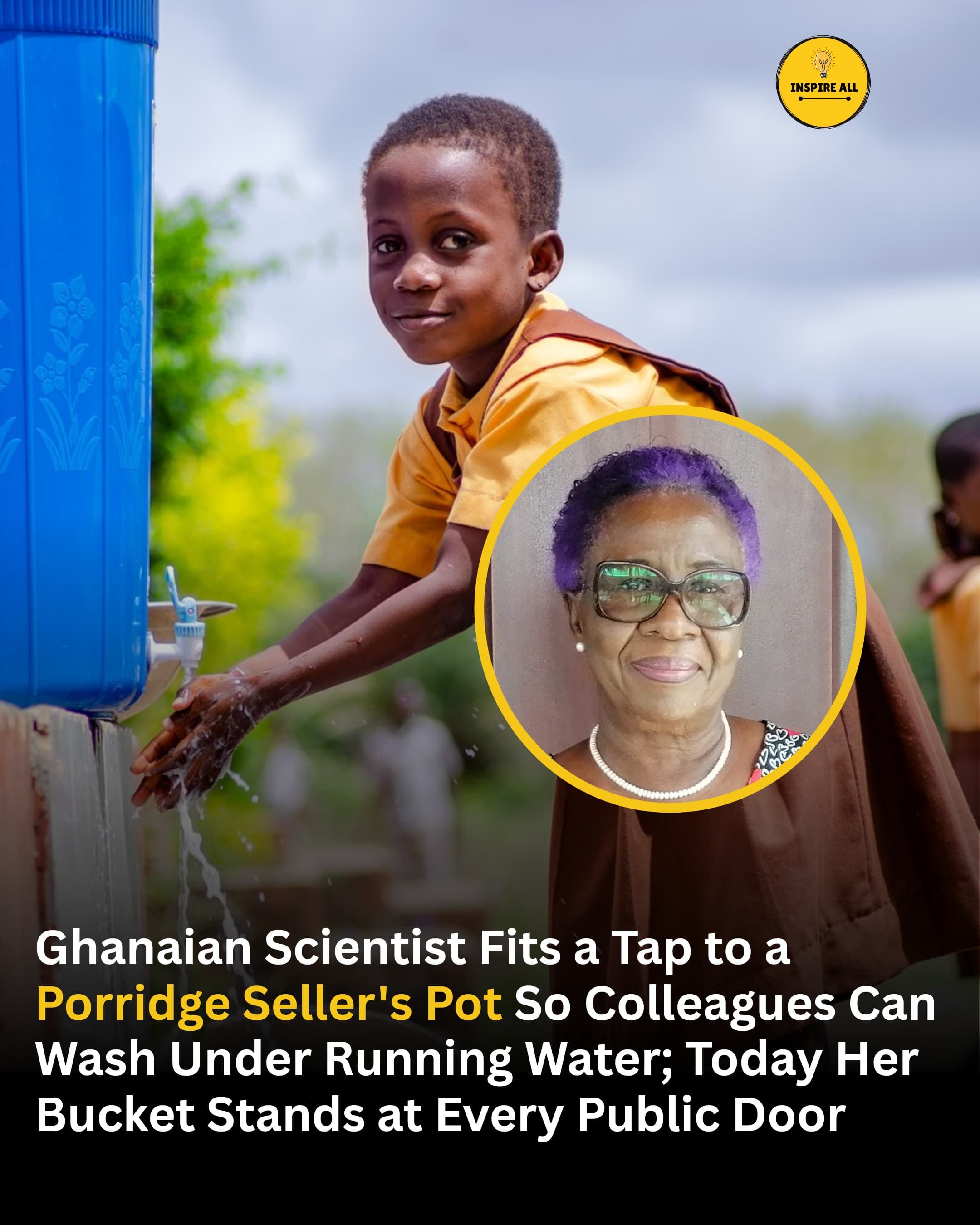
Biologist Veronica Bekoe developed the Veronica Bucket for facilities without running water. Her practical design became widely used in Ghana.
Biologist Veronica Bekoe developed the Veronica Bucket for facilities without running water. Her practical design became widely used in Ghana.
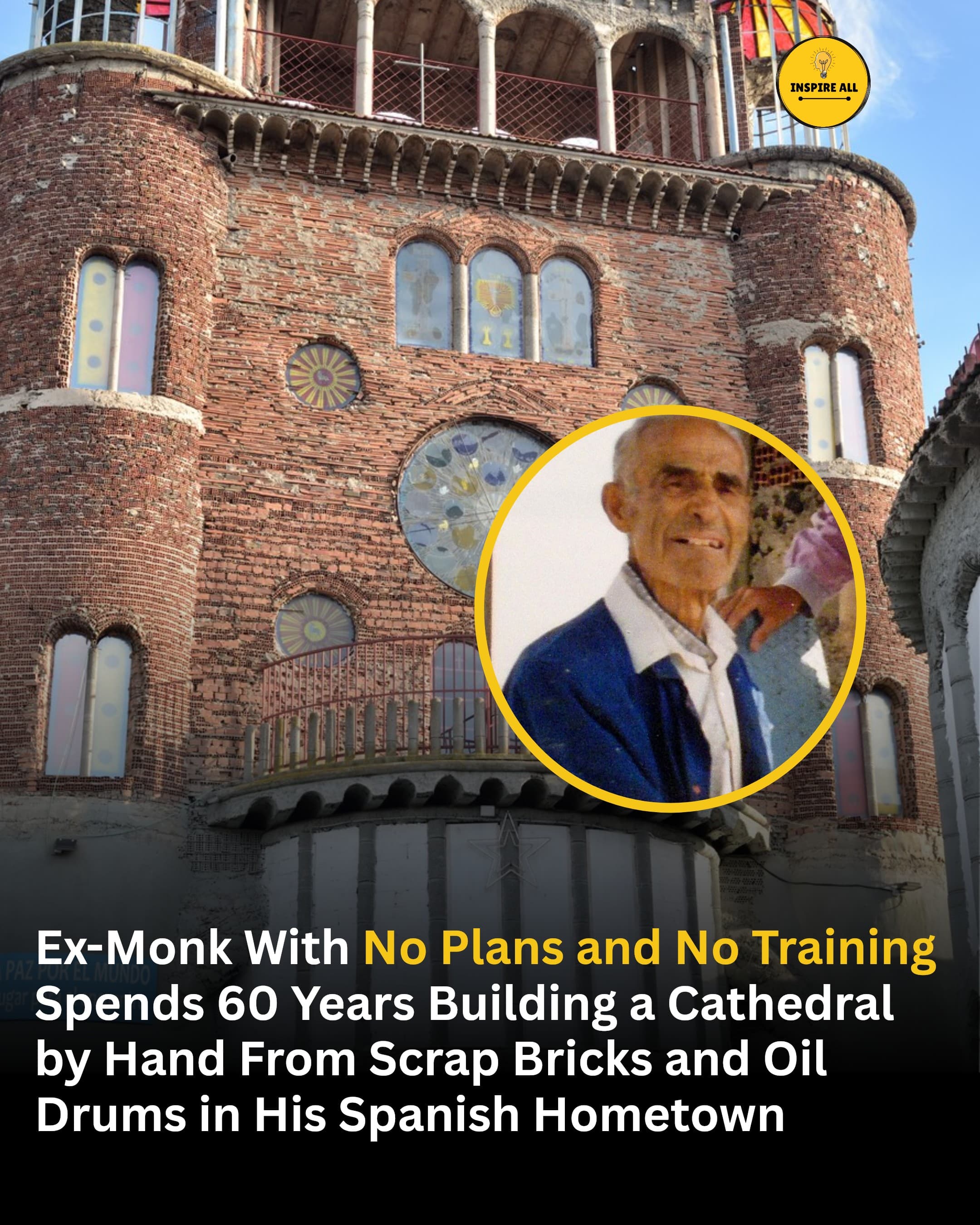
Former monk Justo Gallego began building in Mejorada del Campo in 1961. His decades of work turned reclaimed materials into a vast unfinished church.
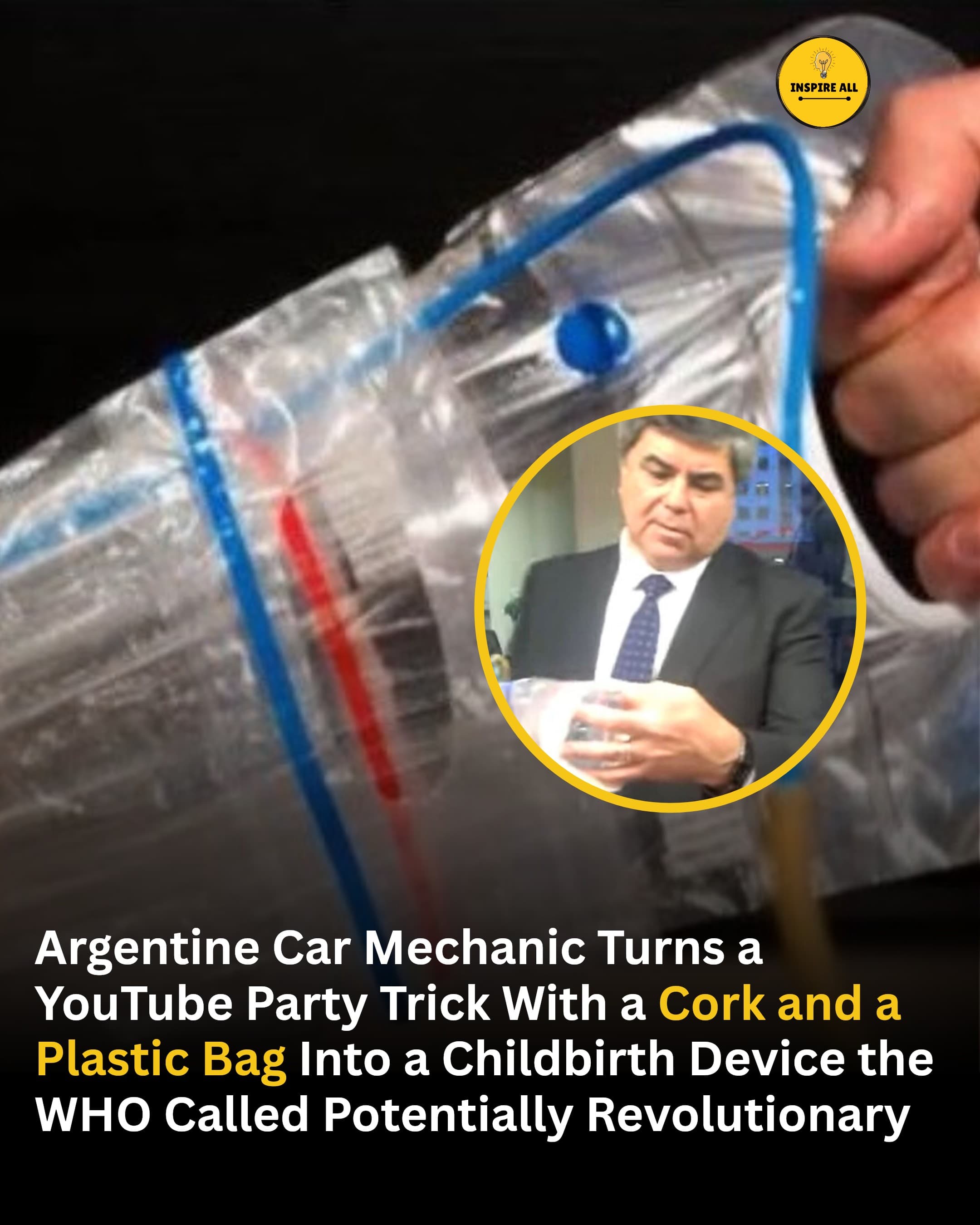
Argentine mechanic Jorge Odón’s unusual idea led to OdonAssist. Follow its path from an early model to clinical studies and CE-marked development.
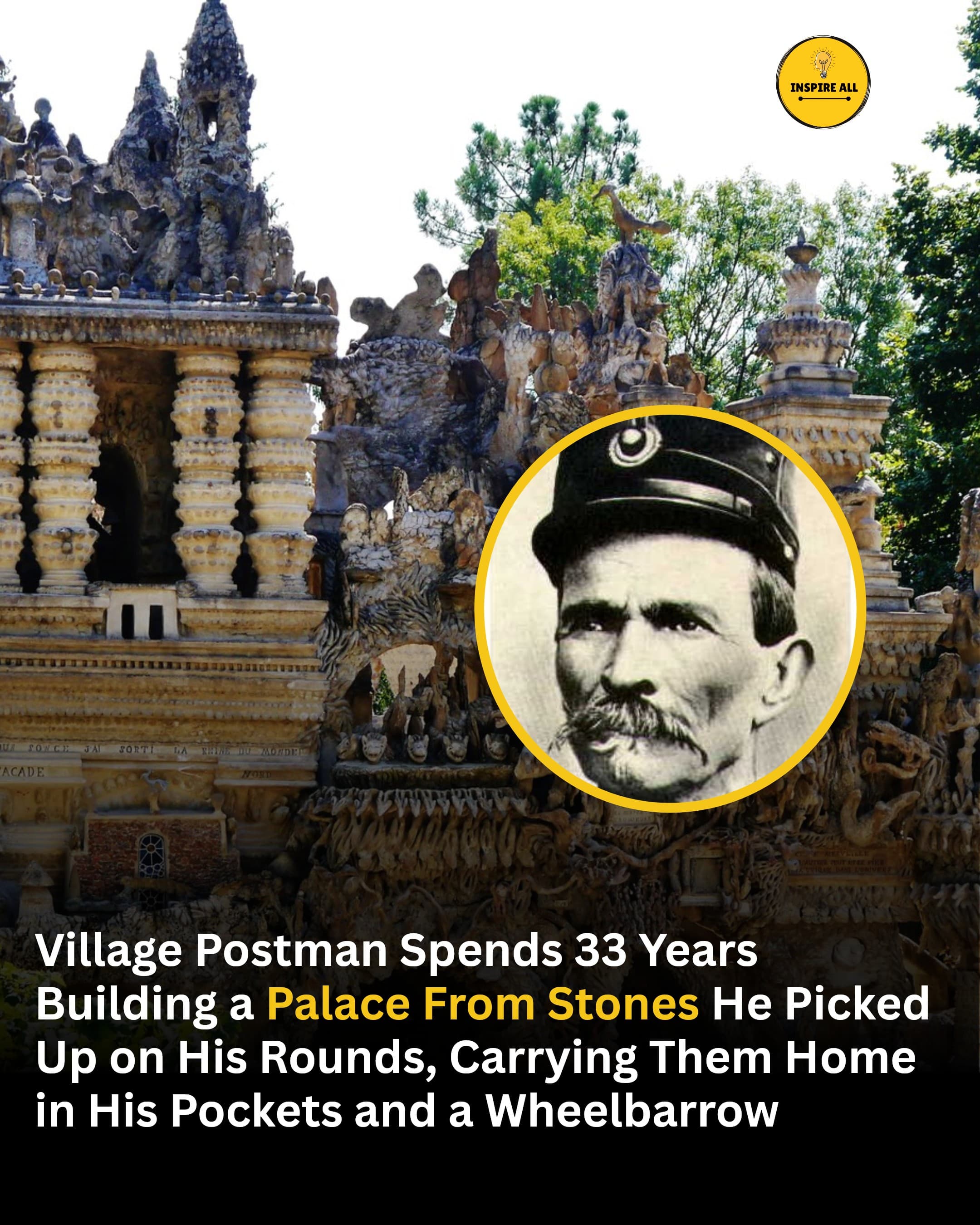
Postman Ferdinand Cheval began his Palais Idéal after finding an unusual stone in 1879. He spent 33 years turning collected stones into a monument.
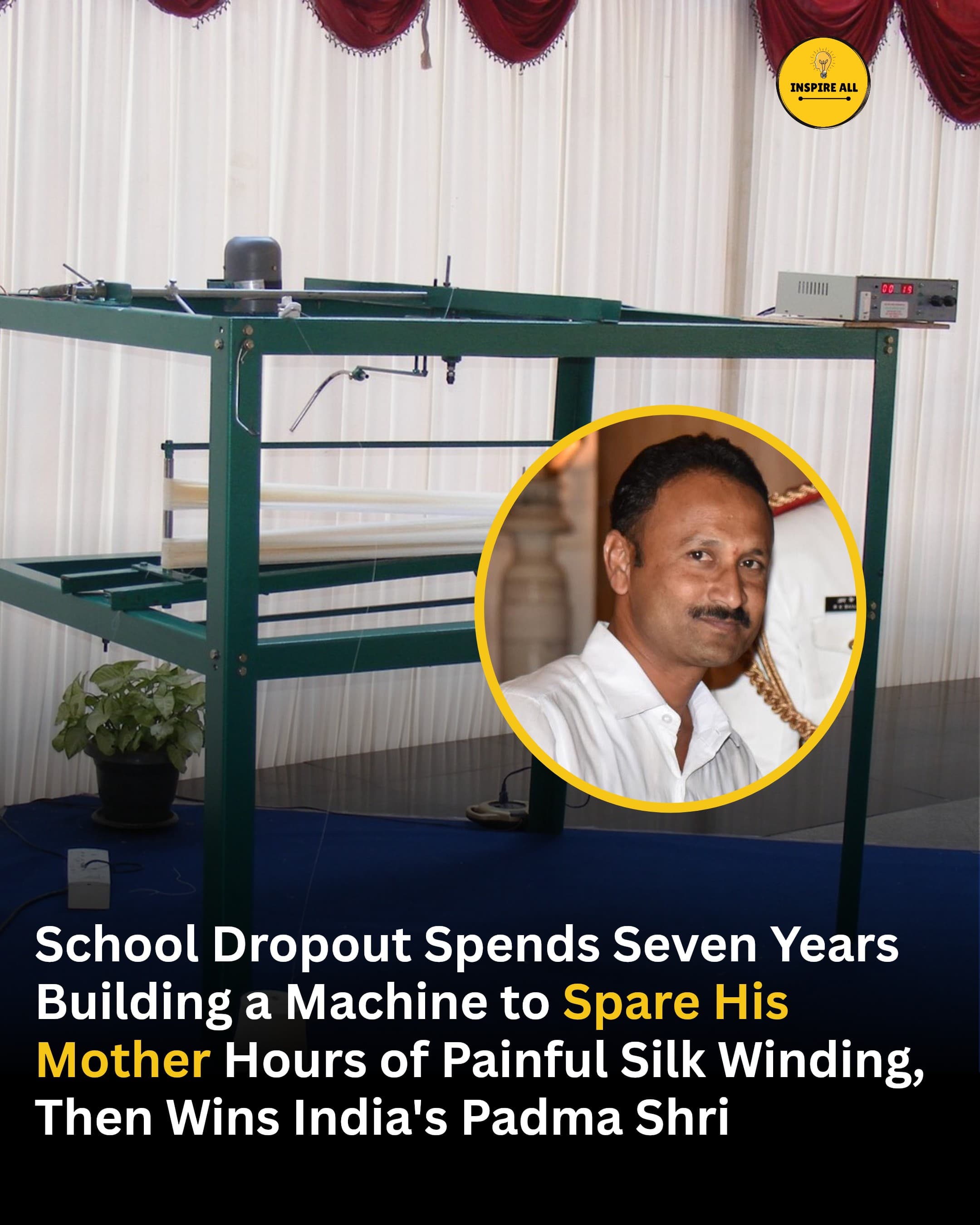
Watching his mother’s painful yarn-winding work led Chintakindi Mallesham to develop the Laxmi Asu machine and earn national recognition in India.
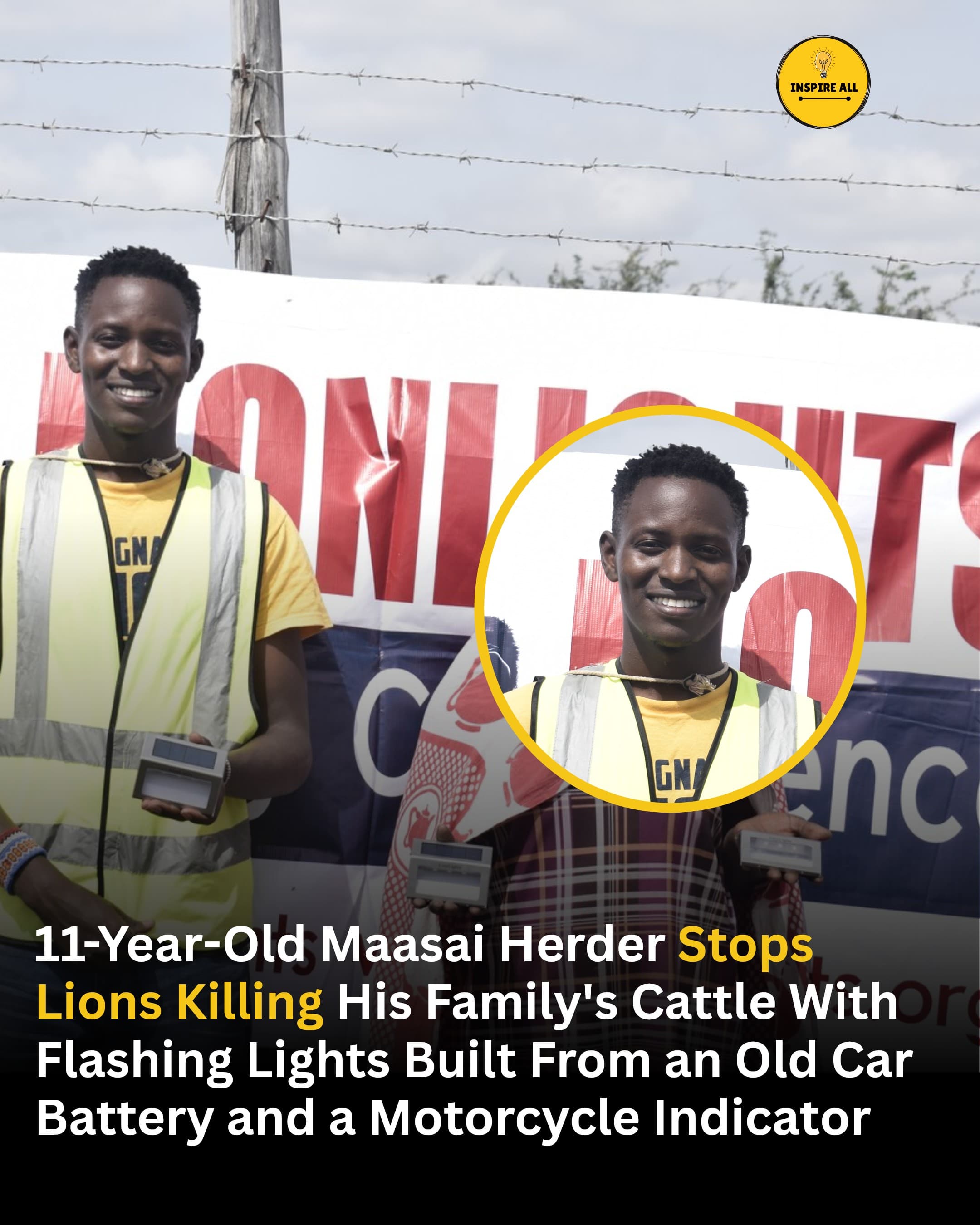
Richard Turere developed Lion Lights as a young Maasai herder. The flashing system deters predators while helping families protect their livestock.
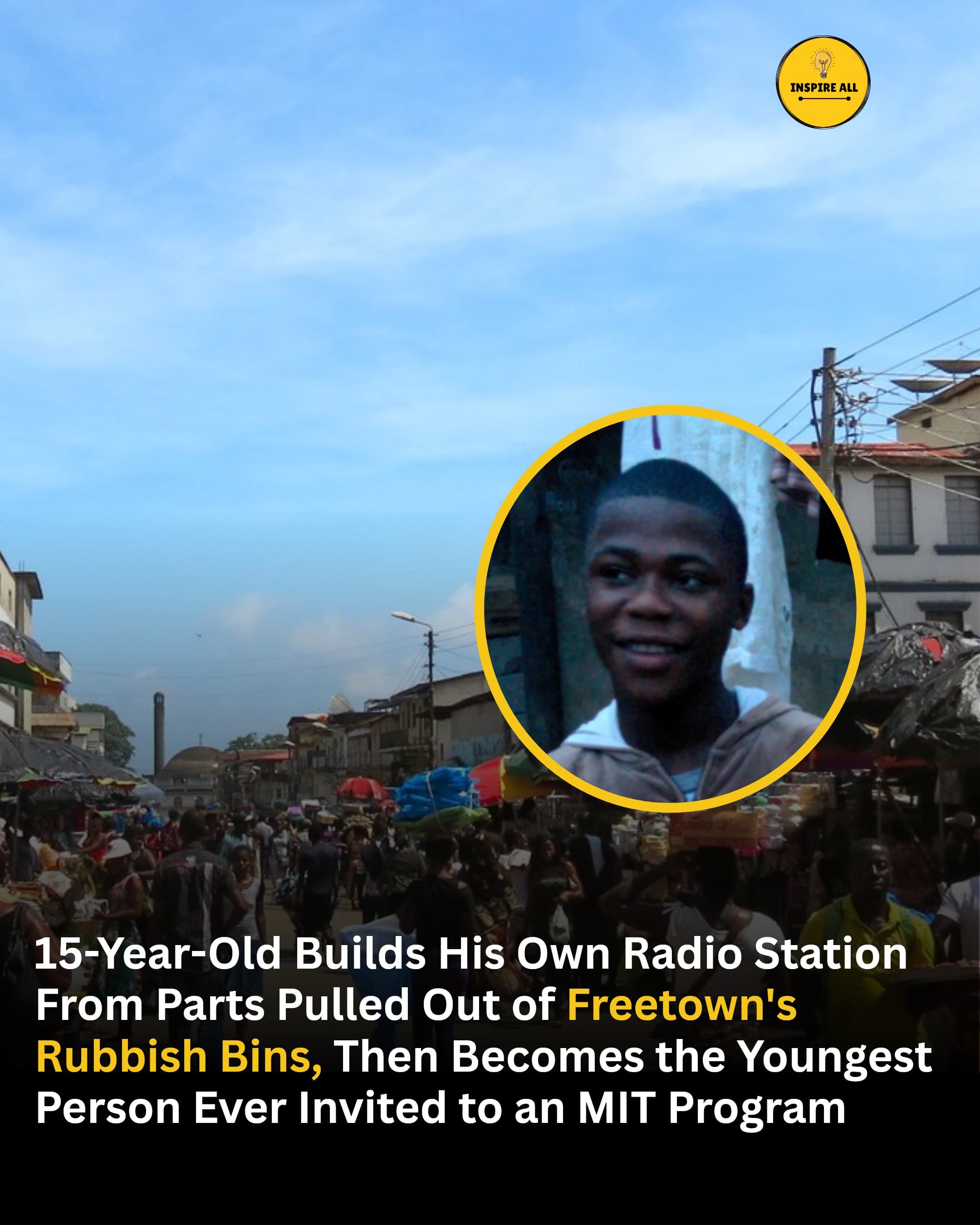
At 15, Sierra Leone’s Kelvin Doe built an FM transmitter from discarded parts. His community radio project led to a 2012 visit to MIT.
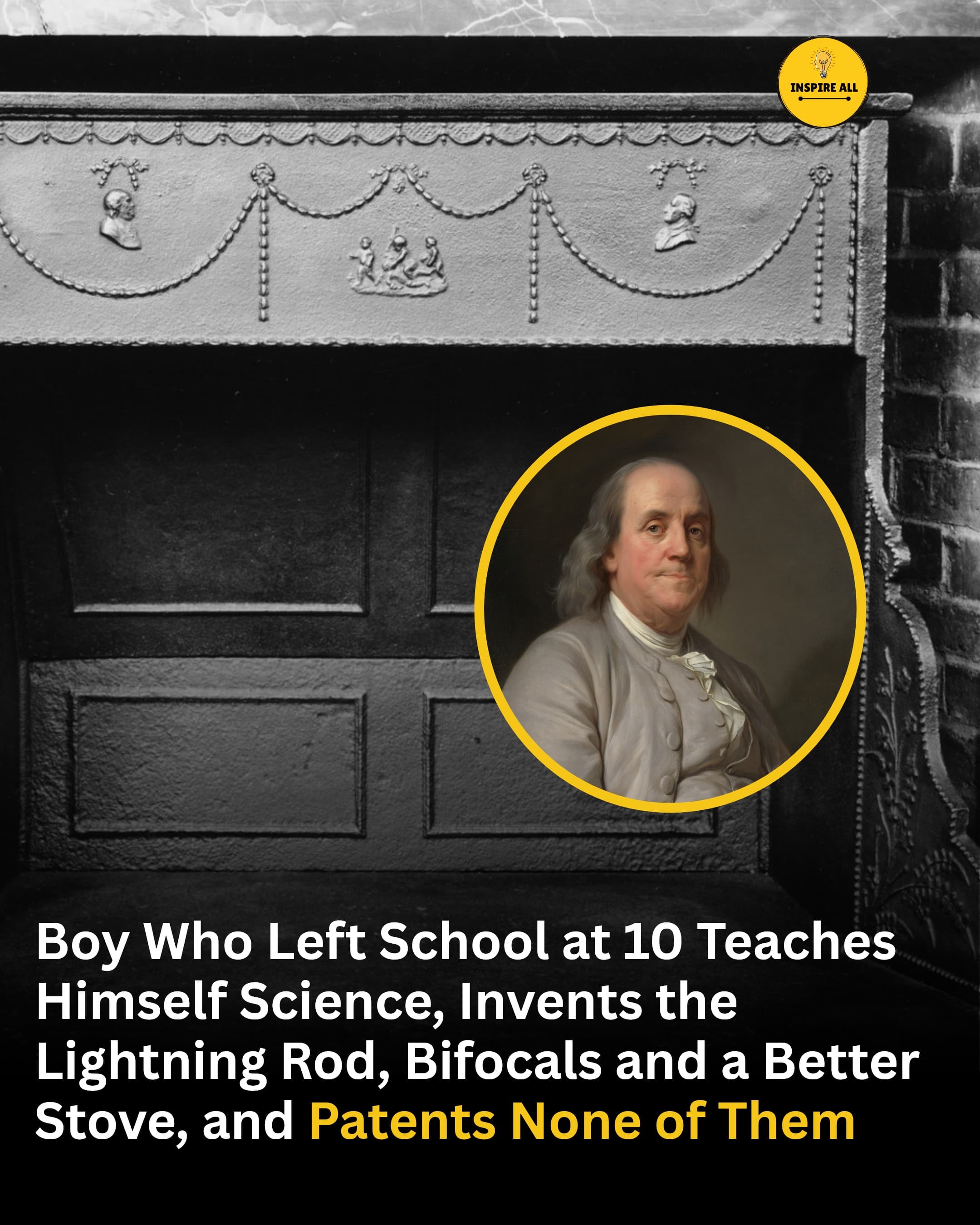
Benjamin Franklin’s practical inventions included bifocals and the lightning rod. Discover how he kept learning and why he chose not to patent them.
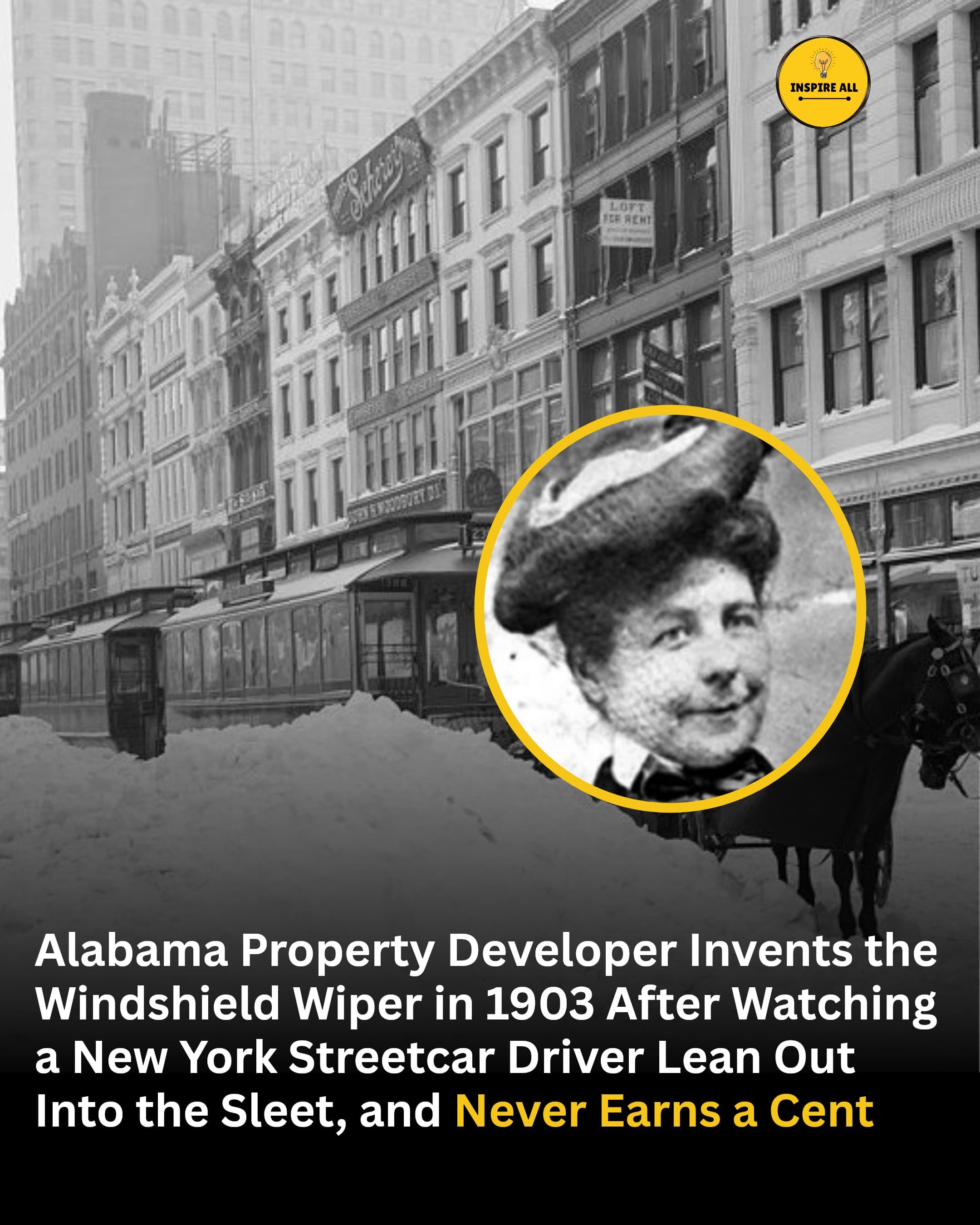
A snowy streetcar ride inspired Mary Anderson’s windshield wiper. Her 1903 patent met rejection before wipers became standard equipment.
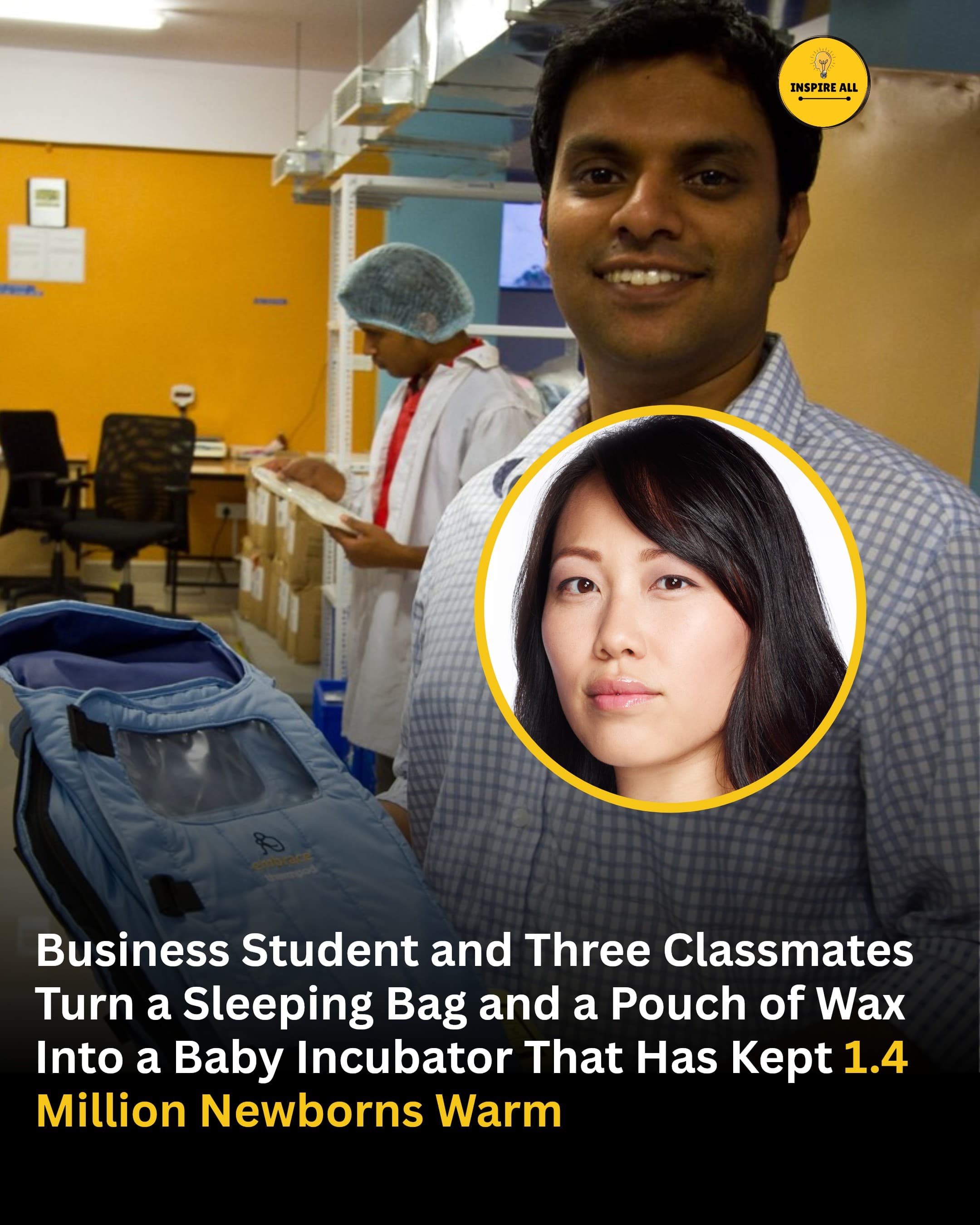
Jane Chen and her classmates developed a portable infant warmer at Stanford. Embrace Global reports reaching more than 1.4 million newborns since 2011.
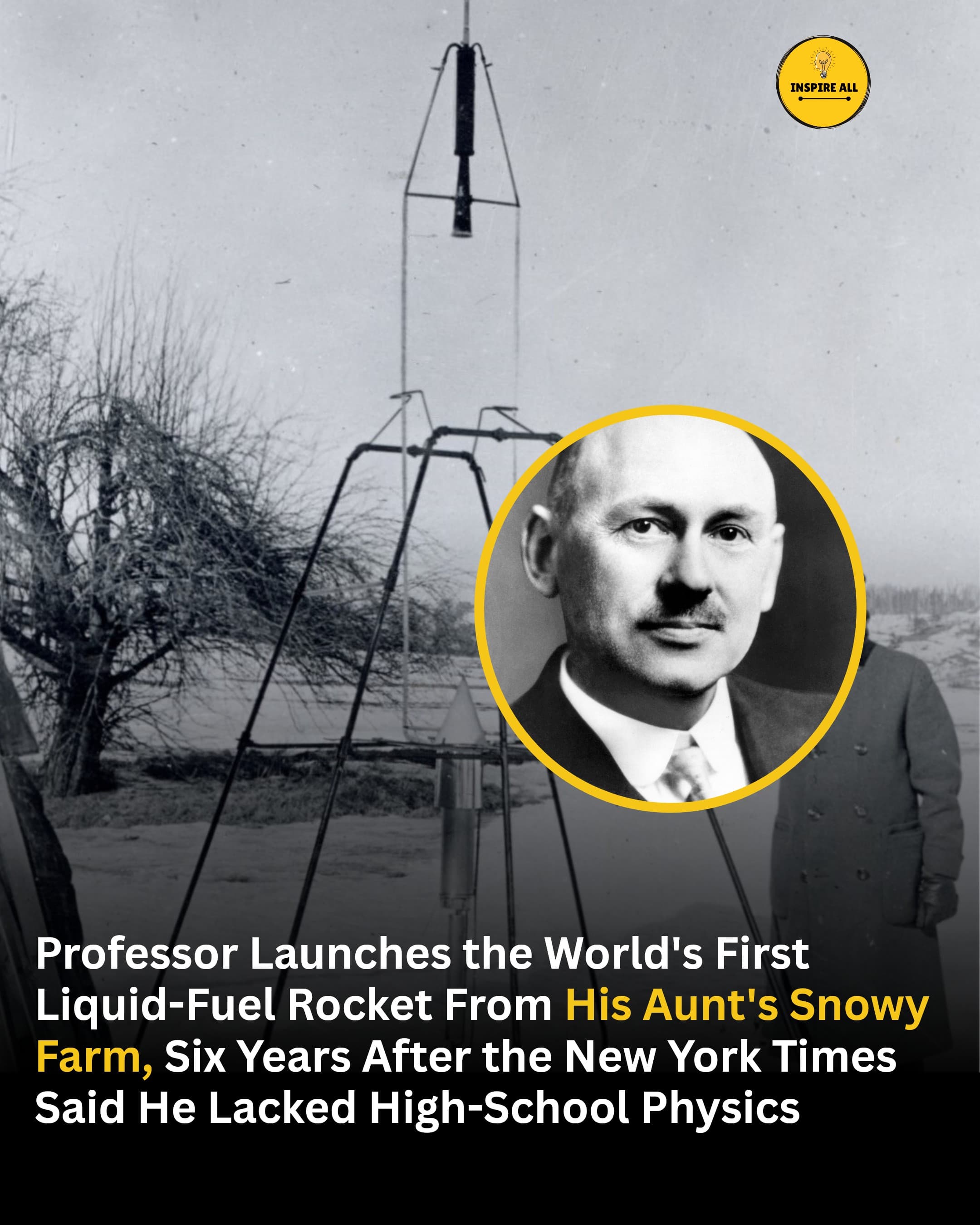
Robert Goddard’s 1926 rocket flew for 2.5 seconds from a Massachusetts farm. The short flight followed years of experiments and public skepticism.
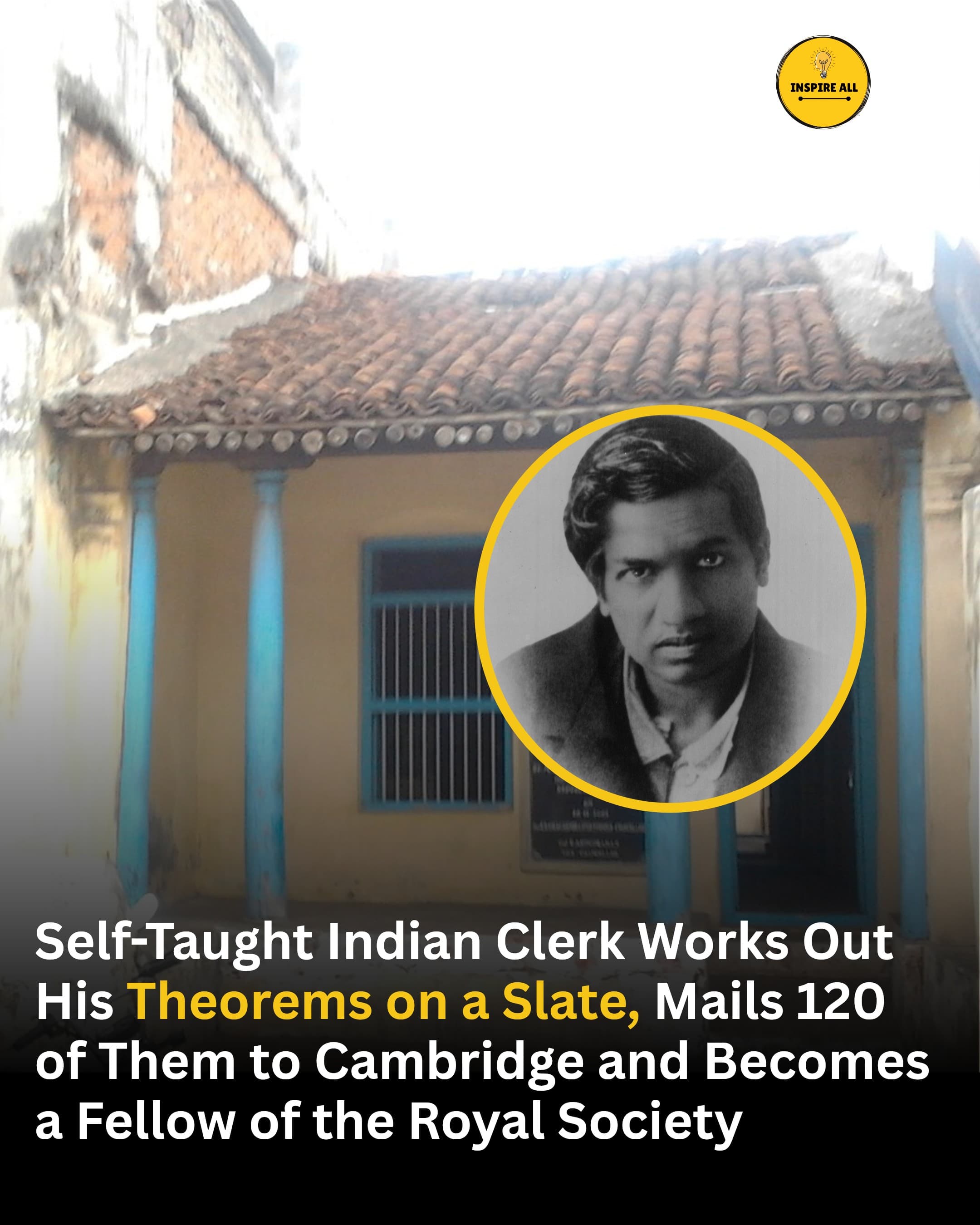
Srinivasa Ramanujan wrote to G. H. Hardy in 1913 while working as a clerk. Their correspondence led to collaboration and recognition for his mathematics.
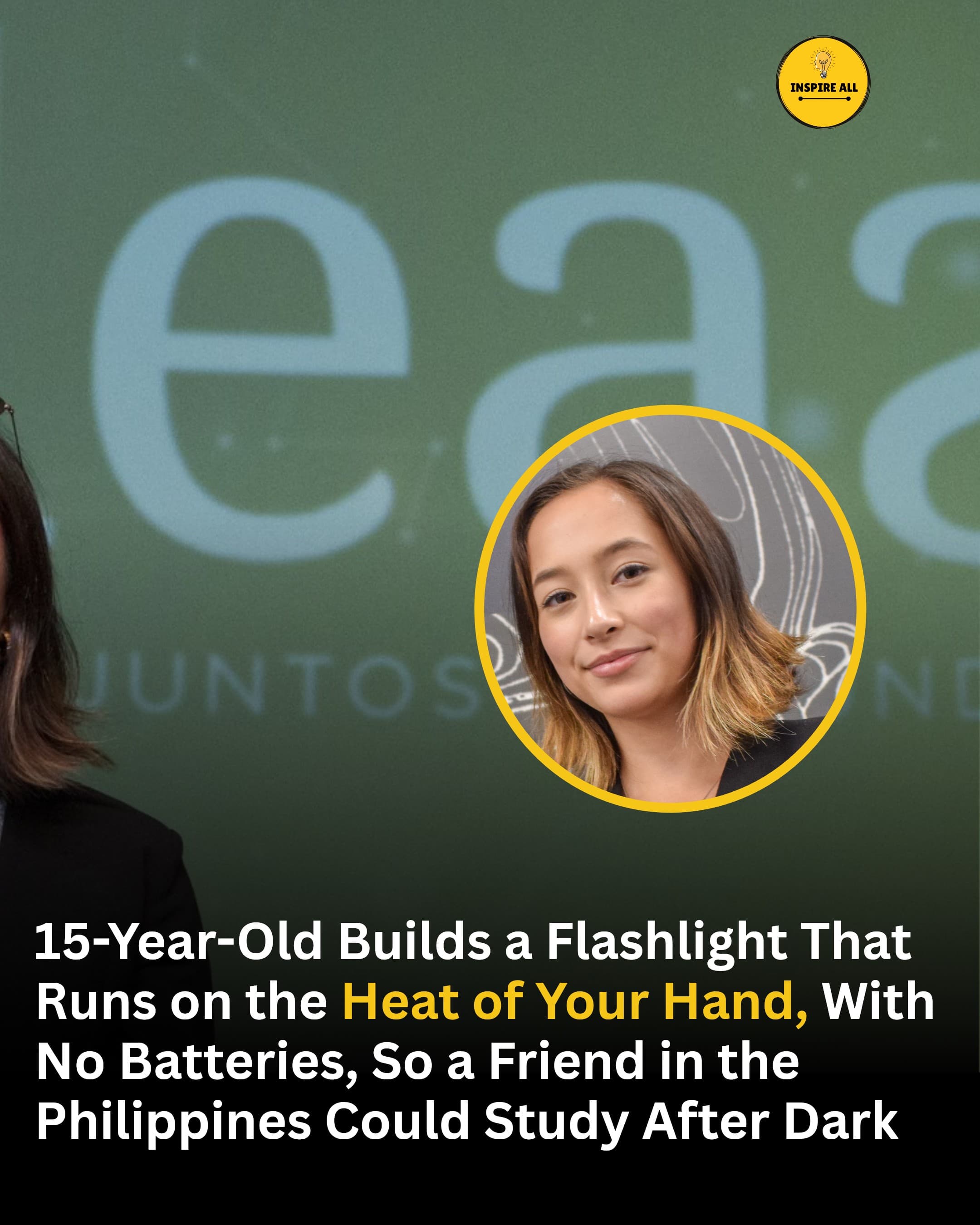
Ann Makosinski’s Hollow Flashlight used the temperature difference between a hand and surrounding air to generate power, earning recognition in 2013.
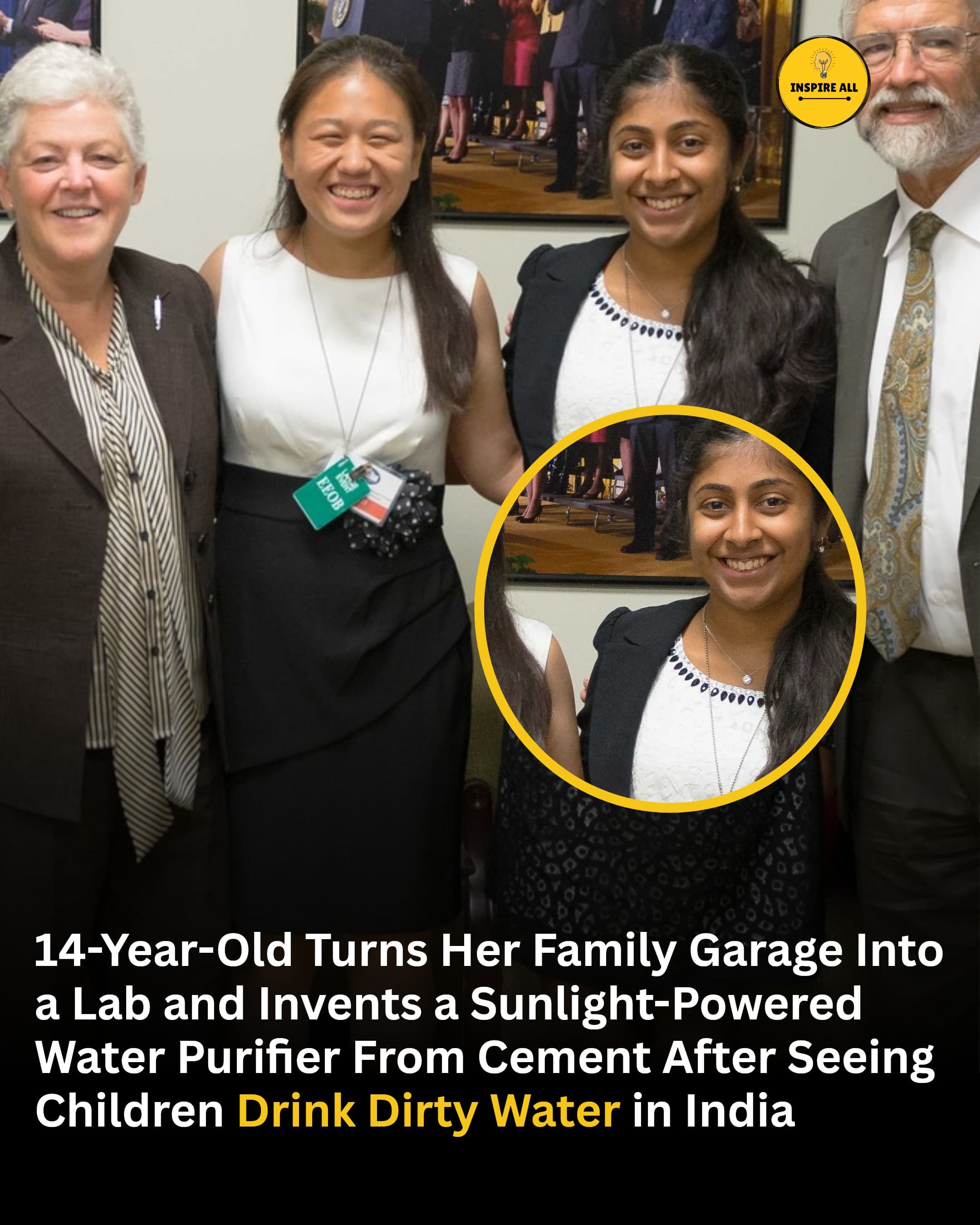
Deepika Kurup began investigating water treatment as a teenager. Her solar-powered research earned science awards, with further testing needed for wider use.
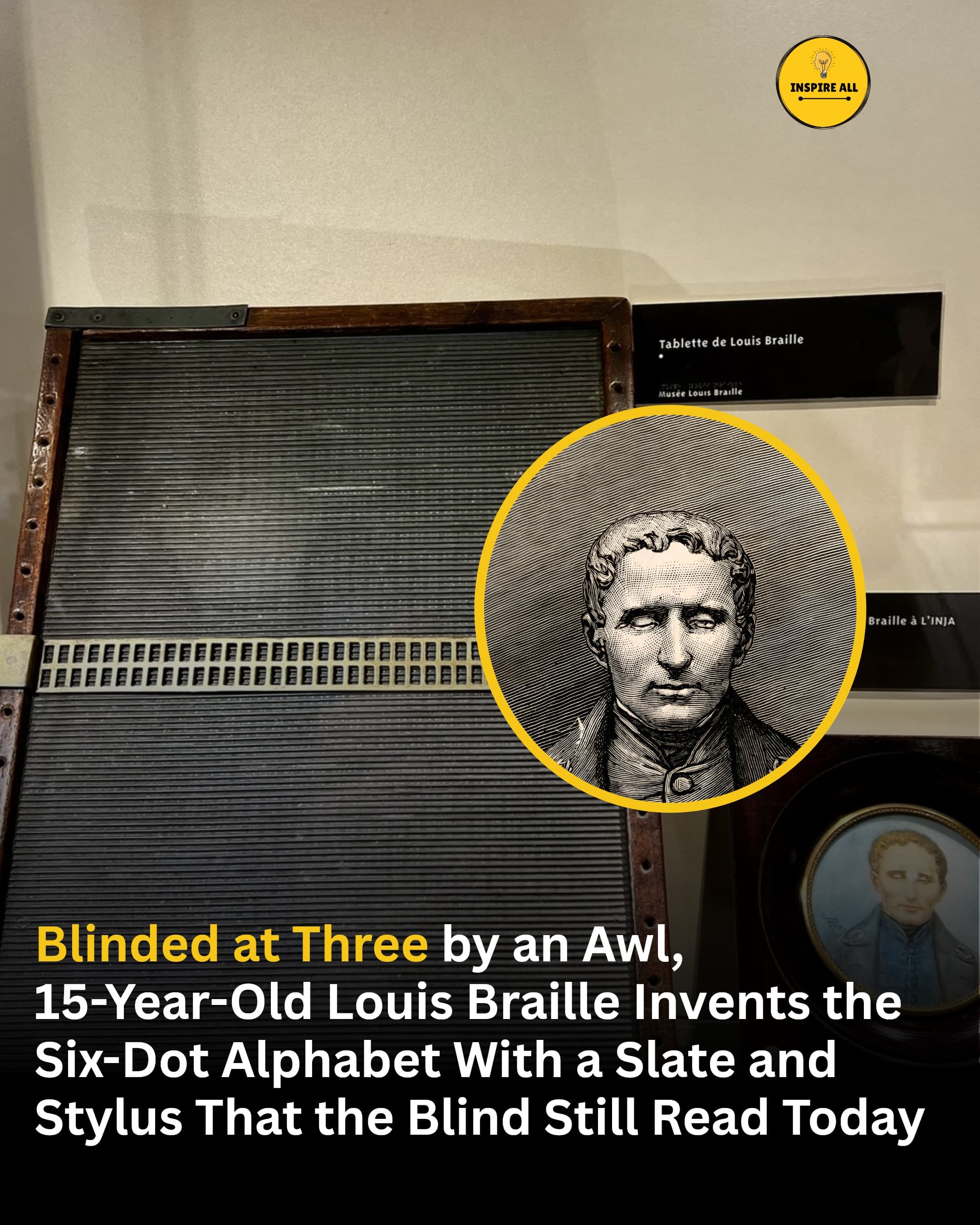
Louis Braille developed a tactile reading and writing system built around six dots. His work adapted earlier ideas into a code readers could use by touch.
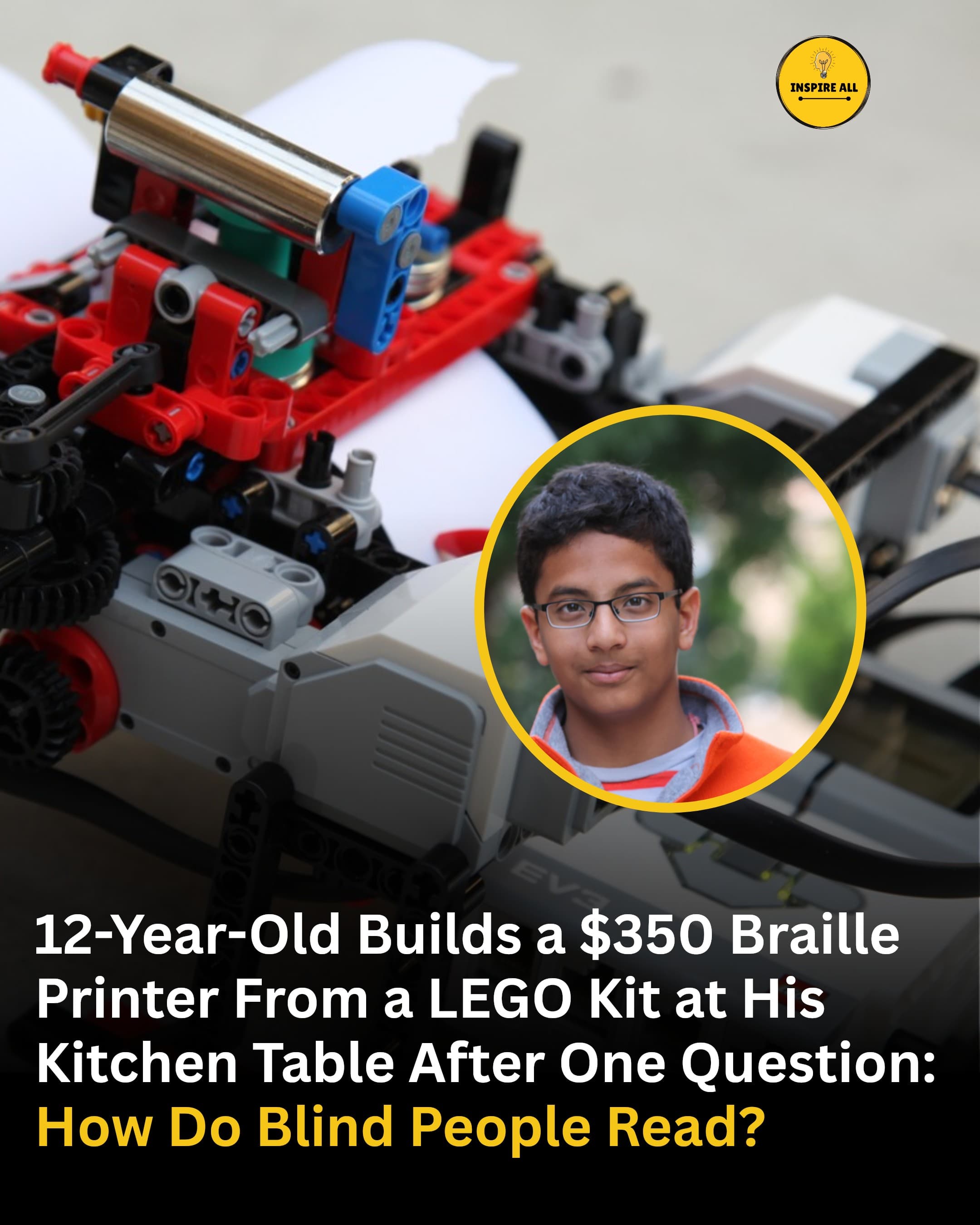
Shubham Banerjee used a LEGO robotics kit to build Braigo after learning about Braille. His 2014 interview explains the question that started the project.
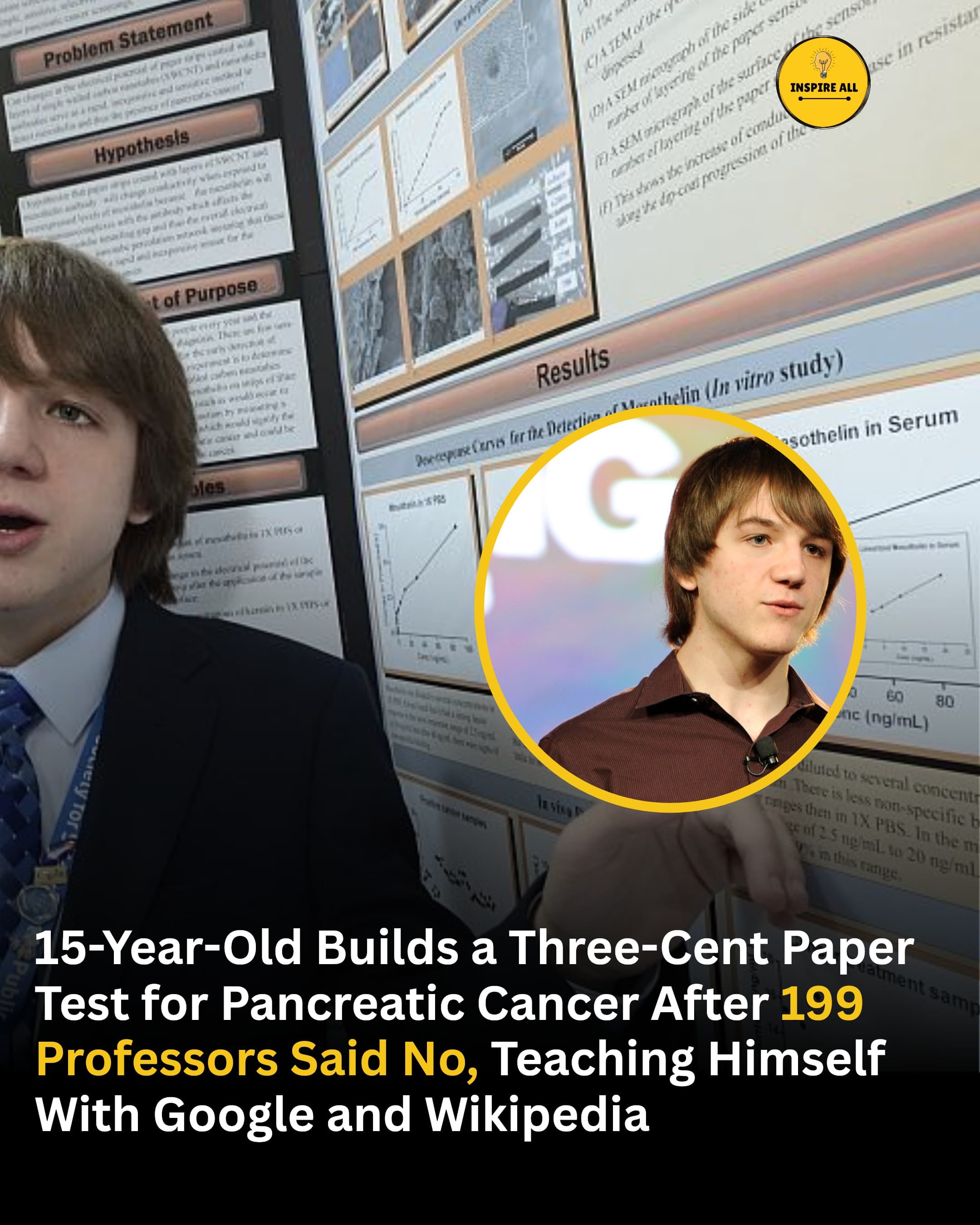
Jack Andraka won the top 2012 Intel ISEF award for a paper-sensor project. Here is what the research established, and why it was not a proven screening test.
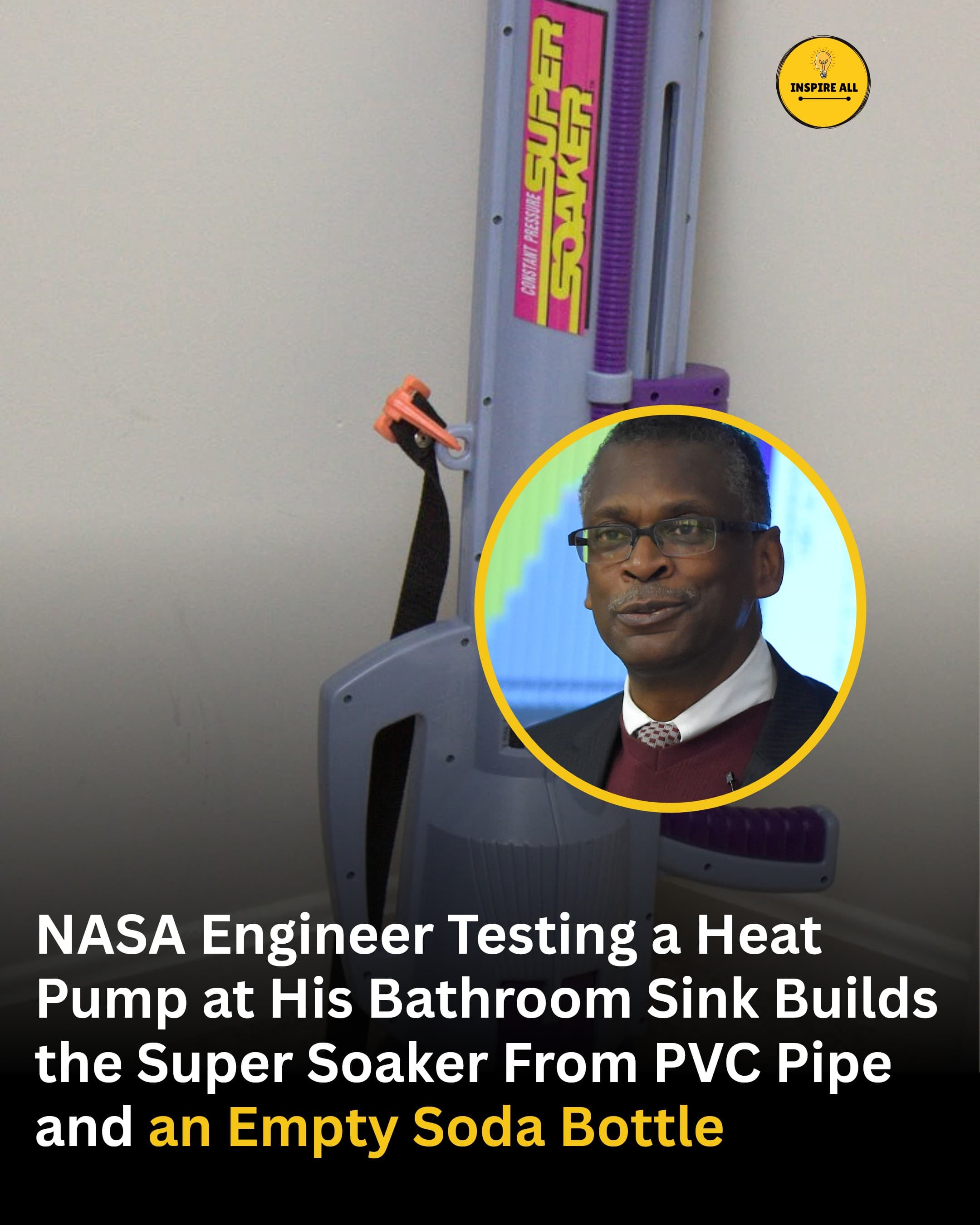
Lonnie Johnson’s bathroom heat-pump experiment inspired a powerful water toy. The Super Soaker began with an improvised model and years of development.
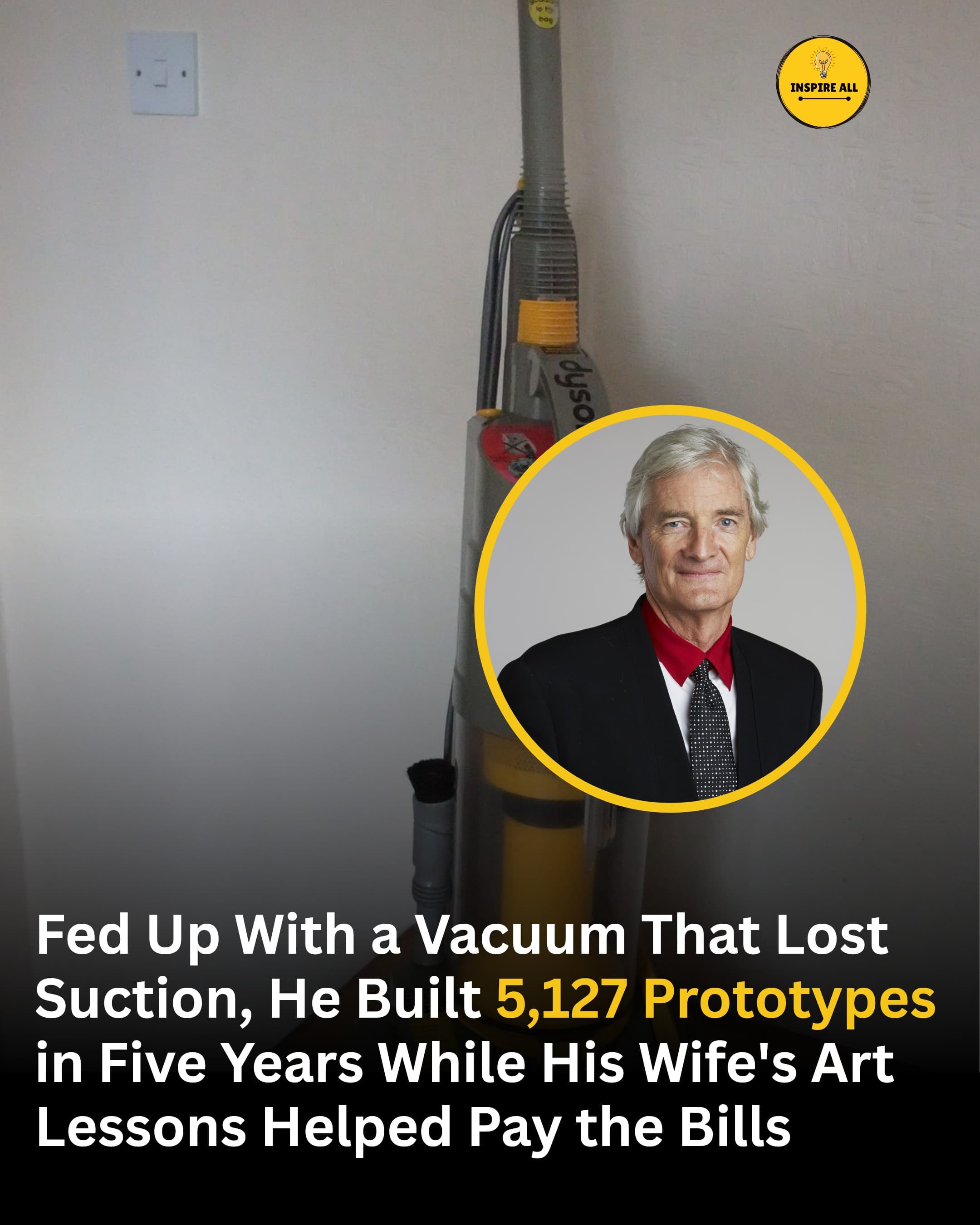
James Dyson’s bagless vacuum developed through thousands of prototypes. His own accounts explain the difference between an early idea and a marketable machine.
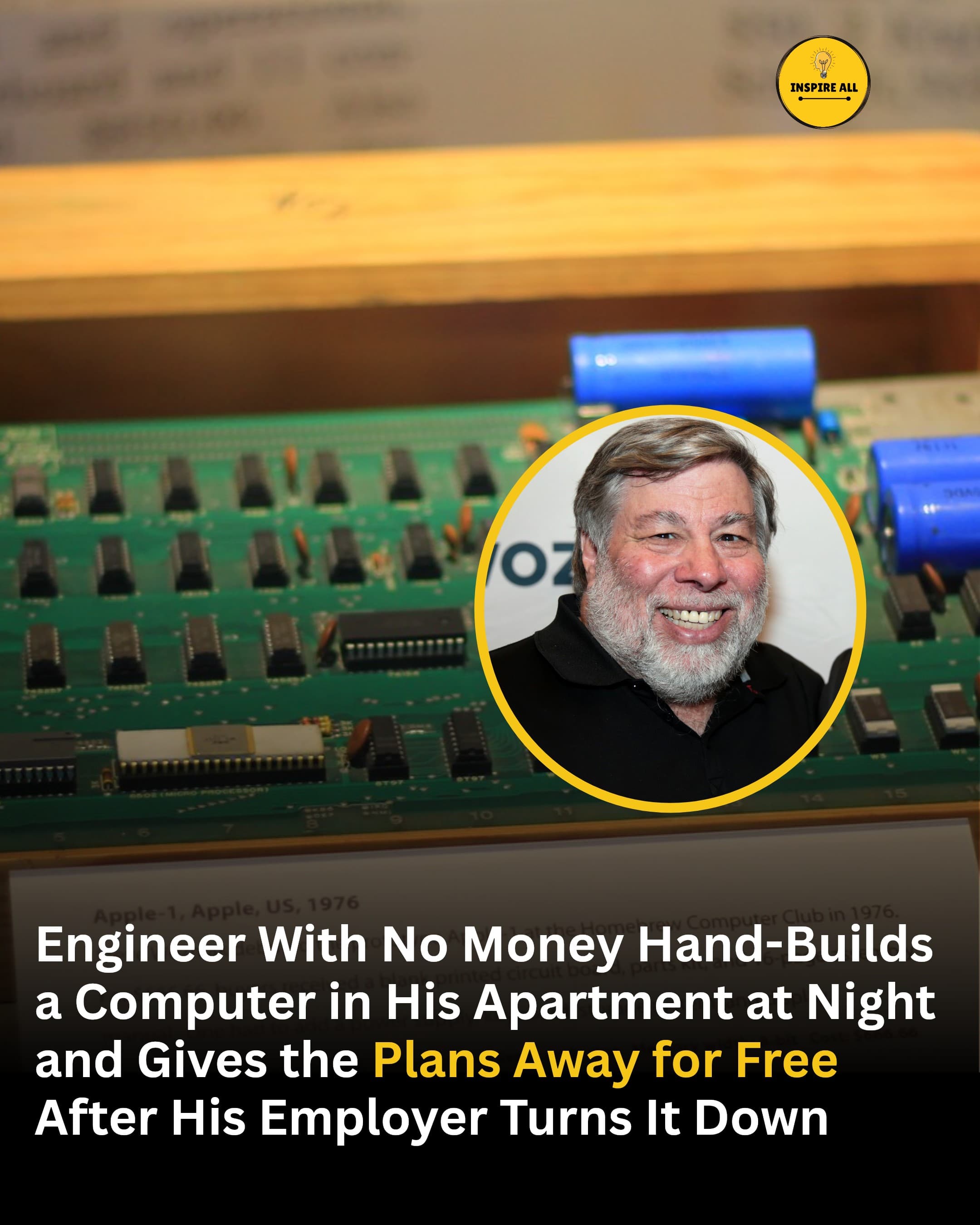
Steve Wozniak developed and shared a home-built computer before the Apple I became a product. His interview and museum records explain the early design.
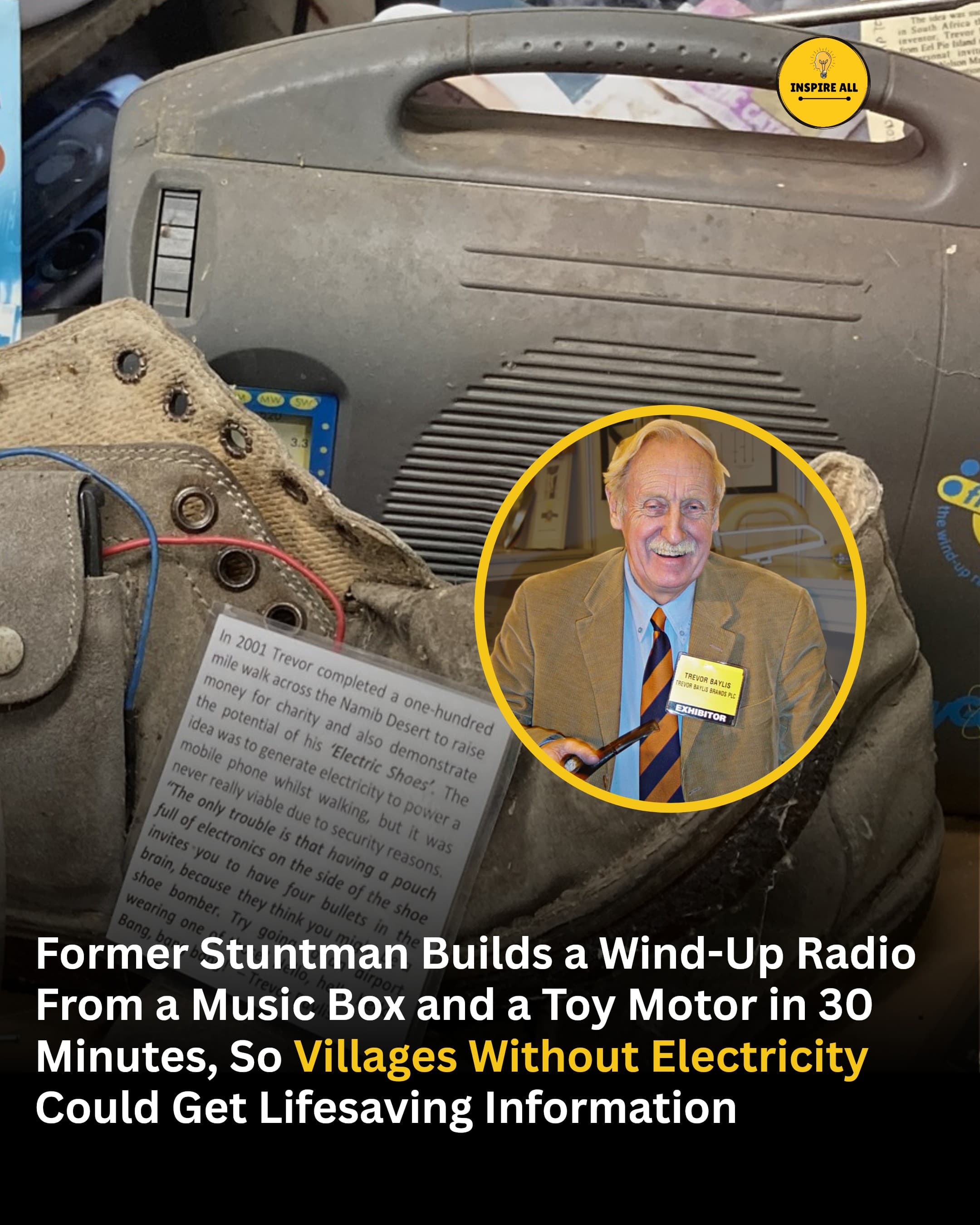
Trevor Baylis developed a wind-up radio after seeing how battery costs limited access to information. Clockwork and a generator offered another power source.
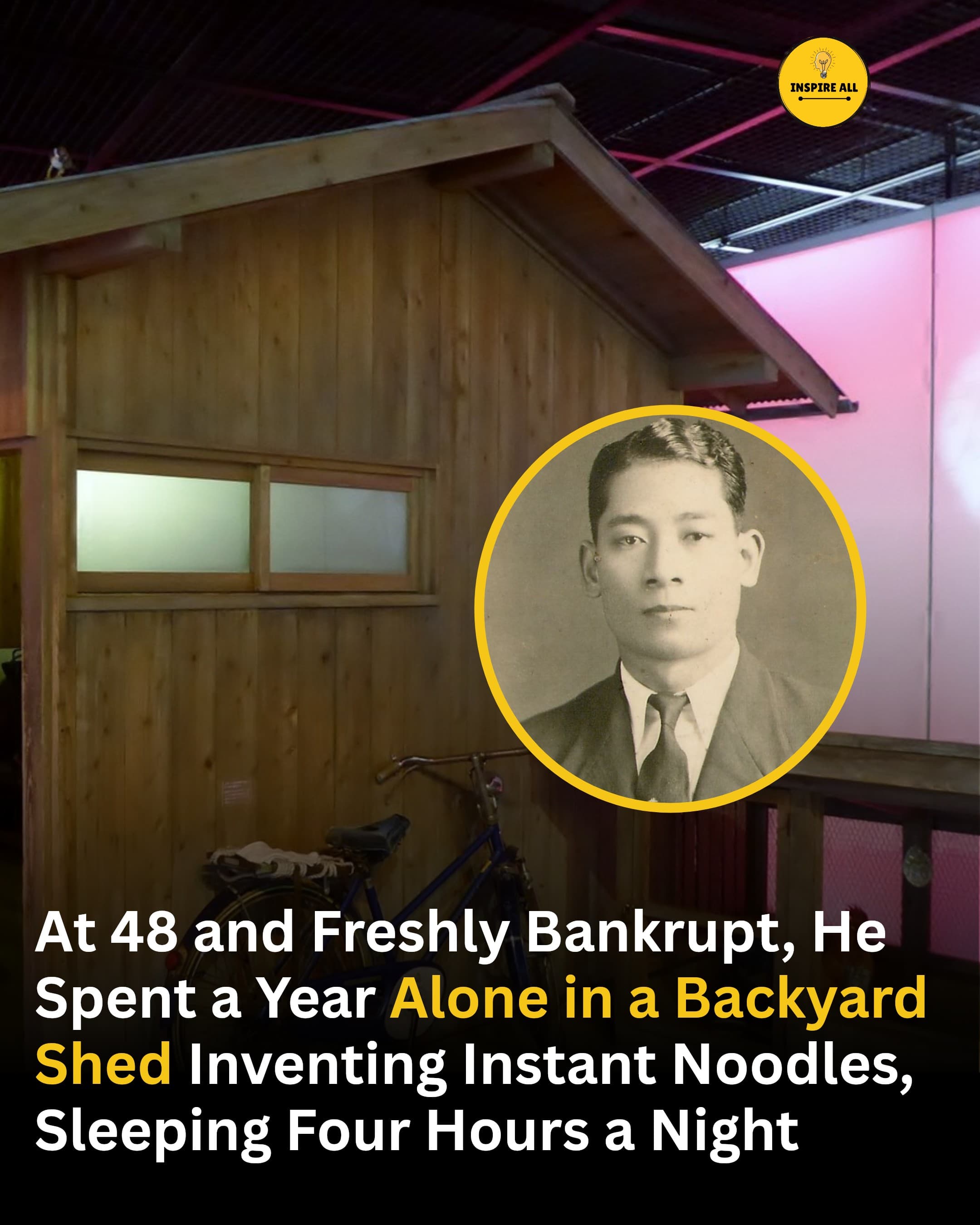
After a financial setback, Momofuku Ando developed Chicken Ramen in a backyard shed. A kitchen observation helped solve his noodle-drying problem.
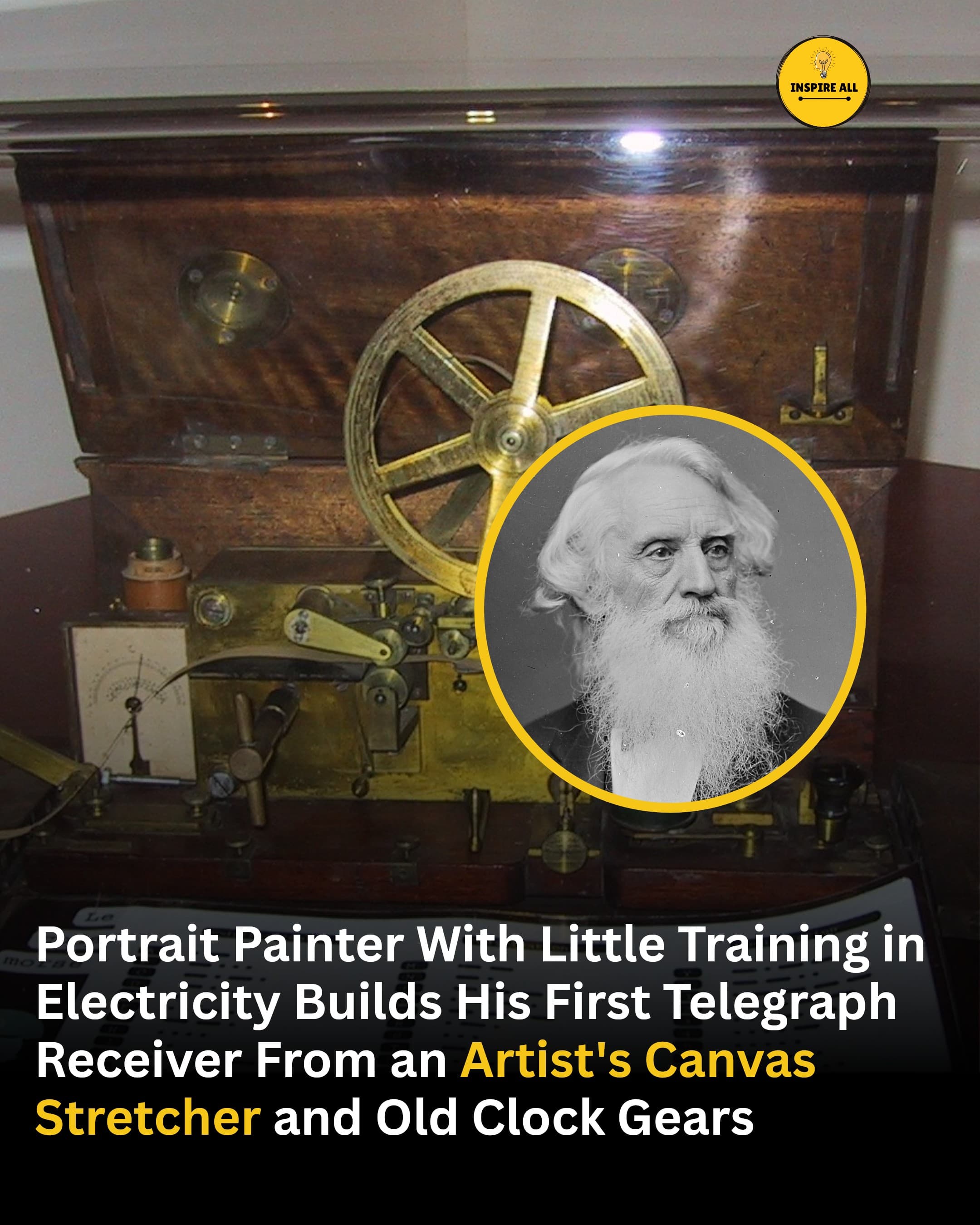
Painter Samuel Morse used an artist’s canvas stretcher in an 1837 telegraph prototype. Collaborators helped turn the experiment into a practical communications system.
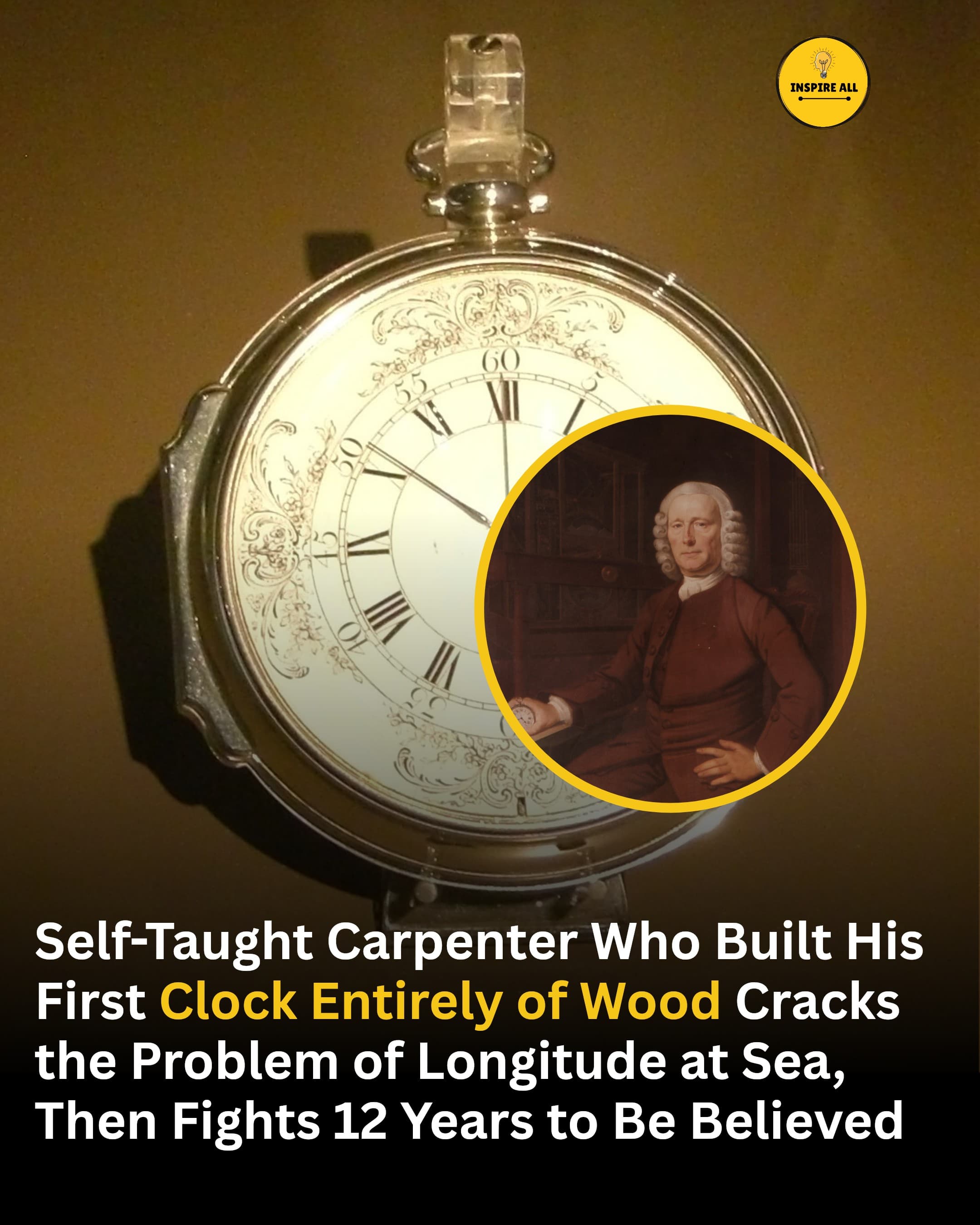
Carpenter and self-taught clockmaker John Harrison developed marine timekeepers including H4. Sea trials and years of dispute shaped the longitude story.