America has a lake inside a collapsed volcano, forests of towering redwoods, and desert dunes made of white gypsum. Its cities add another kind of wonder: music spilling from doorways, busy waterfronts, and neighborhoods shaped by people from around the world.
This Visit America guide brings together 100 places to visit in the USA, from New York City to Niagara Falls. Use it to find a city break, build a national park vacation, or choose the next stop on an American road trip.
The numbers make the guide easy to follow; they are not a ranking. These destinations span different regions and seasons, so choose a few nearby places rather than trying to fit the whole country into one trip.
Cities and towns full of character
1. New York City, New York
New York pairs famous sights with small discoveries. Walk through Central Park, explore a neighborhood beyond Midtown, and find a waterfront view of the skyline. Leave time for museums, local food, and a show.
2. Los Angeles, California
Los Angeles brings together film history, art, and Pacific coast scenery. Mix a museum visit with Griffith Park and time in a neighborhood such as Little Tokyo. Plan around distances: this sprawling city rewards a focused itinerary.
3. Chicago, Illinois
Chicago’s riverfront turns architecture into an outdoor attraction. Explore the buildings along the Chicago River, then make time for Lake Michigan and the city’s museums. The official Chicago architecture guide is a useful starting point.
4. San Francisco, California
Hills, bay views, and lively neighborhoods give San Francisco its character. See the Golden Gate Bridge, wander Chinatown, and spend time along the waterfront. The Golden Gate National Parks Conservancy explains ways to experience the bridge.
5. Las Vegas, Nevada
Las Vegas offers bright lights, ambitious shows, and elaborate resort design. For a different side of the region, pair the Strip with a separate outing into the surrounding desert. Allow travel time and plan outdoor activities around the heat.
6. Washington, D.C.
The nation’s capital makes history feel close. Walk between memorials on the National Mall, choose a few Smithsonian museums, and explore neighborhoods beyond the main landmarks. Give each museum enough time rather than racing through several.
7. Boston, Massachusetts
Boston combines Revolutionary-era sites with a working waterfront and busy neighborhoods. Follow part of the Freedom Trail, explore the North End, and enjoy a walk beside the Charles River. Its compact historic core suits travelers who like exploring on foot.
8. Seattle, Washington
Seattle blends markets, music, and water views. Visit Pike Place Market, explore the waterfront, and look for a clear-day glimpse of the surrounding mountains. A ferry ride offers another way to appreciate the city’s setting.
9. Miami, Florida
Miami mixes art, food, and coastal scenery. Explore Little Havana and Wynwood, then cross to neighboring Miami Beach for its shore and Art Deco streets. Keeping those separate areas in mind makes planning easier.
10. New Orleans, Louisiana
New Orleans is a city to experience through sound and flavor. Listen to live music, explore the French Quarter, and learn about the communities behind its food and architecture. Leave room for quieter streets and neighborhood restaurants.
11. San Diego, California
San Diego suits a trip built around outdoor time. Explore Balboa Park, walk the waterfront, and visit the coast around La Jolla. Watch marine animals from a respectful distance and follow posted shoreline rules.
12. Honolulu, Hawaii
Honolulu brings together Waikīkī’s beaches, Hawaiian history, and an urban food scene. Balance ocean time with cultural learning and a visit to Pearl Harbor’s historic sites. Respect local guidance, ocean conditions, and places of cultural importance.
13. Philadelphia, Pennsylvania
Philadelphia offers a strong mix of American history and everyday city life. Visit Independence National Historical Park, explore public art, and browse Reading Terminal Market. Its neighborhoods give the trip depth beyond the famous landmarks.
14. Nashville, Tennessee
Nashville’s music story reaches well beyond one stage. Explore country music history, listen to live performers, and make time for local neighborhoods. A slower afternoon in a park offers a welcome break between evening shows.
15. Austin, Texas
Austin pairs live music with outdoor spaces. Build a visit around local venues, food, and the paths beside Lady Bird Lake. Choose a neighborhood or two each day to spend more time exploring and less time crossing town.
16. San Antonio, Texas
San Antonio’s River Walk provides a scenic introduction, but its history stretches farther. Explore the Alamo and the missions south of downtown to learn about the region’s Indigenous, Spanish, and Mexican connections.
17. Charleston, South Carolina
Charleston’s streets reveal layers of coastal history. Enjoy its architecture and waterfront while seeking out museums and tours that explain slavery, Gullah Geechee heritage, and the people whose work shaped the city.
18. Savannah, Georgia
Savannah’s leafy squares invite unhurried walks. Explore the historic district, pause in shaded public spaces, and spend time near the river. Tours that include Black history provide a fuller understanding of the city.
19. Portland, Oregon
Portland is a good choice for gardens, independent shops, and neighborhood food stops. Explore its riverfront and green spaces, then consider a separate day in the surrounding region. Nearby natural attractions deserve time of their own.
20. Denver, Colorado
Denver combines museums and neighborhoods with a setting near the Rocky Mountains. Enjoy the city before adding mountain excursions. Give yourself time to adjust to the elevation, especially before strenuous outdoor activities.
21. Santa Fe, New Mexico
Santa Fe’s adobe architecture, galleries, and regional food create a distinct sense of place. Visit museums that explain Indigenous and local history, and buy artwork directly from artists or reputable galleries when possible.
22. Sedona, Arizona
Sedona’s red rock formations make even a short walk memorable. Choose a trail that fits your ability, carry water, and protect the fragile desert surface by staying on marked routes. The changing light is part of the appeal.
23. Asheville, North Carolina
Asheville pairs an arts scene with a Blue Ridge Mountain setting. Explore local studios and food, then plan scenic outings using current road and trail information. Visit North Carolina’s mountain guide covers the wider region.
24. Key West, Florida
Key West offers colorful streets, maritime history, and sunset views. Explore beyond the busiest blocks to find museums and quieter corners. For ocean outings, choose operators that explain how they protect wildlife and reef habitats.
25. St. Augustine, Florida
St. Augustine’s Spanish colonial landmarks make it a rewarding history stop. Explore Castillo de San Marcos and the old streets, while learning about the Indigenous and African American stories that also belong to this coastal city.
26. Newport, Rhode Island
Newport combines a sailing harbor, grand historic homes, and an Atlantic shoreline. Explore its waterfront and public coastal walks. Check route conditions before setting off, especially where paths follow rocky stretches of coast.
27. Portland, Maine
Portland’s working harbor gives its compact downtown a strong maritime feel. Browse the Old Port, explore local food, and consider an outing on Casco Bay. Nearby lighthouses make a natural addition to a longer stay.
28. Burlington, Vermont
Burlington’s Lake Champlain setting makes the waterfront a highlight. Combine a lakeside walk or bike ride with downtown shops and local food. It works well as a relaxed stop within a wider Vermont trip.
29. Traverse City, Michigan
Traverse City is a base for exploring Grand Traverse Bay and nearby northern Michigan landscapes. Spend time beside the water, sample regional produce, and leave a separate day for the dunes and shoreline beyond town.
30. Pittsburgh, Pennsylvania
Pittsburgh’s rivers, bridges, and hillside views create a striking cityscape. Explore its museums and distinct neighborhoods, then seek out a high viewpoint to understand how the city fits around the water.
National parks of the West
31. Grand Canyon National Park, Arizona
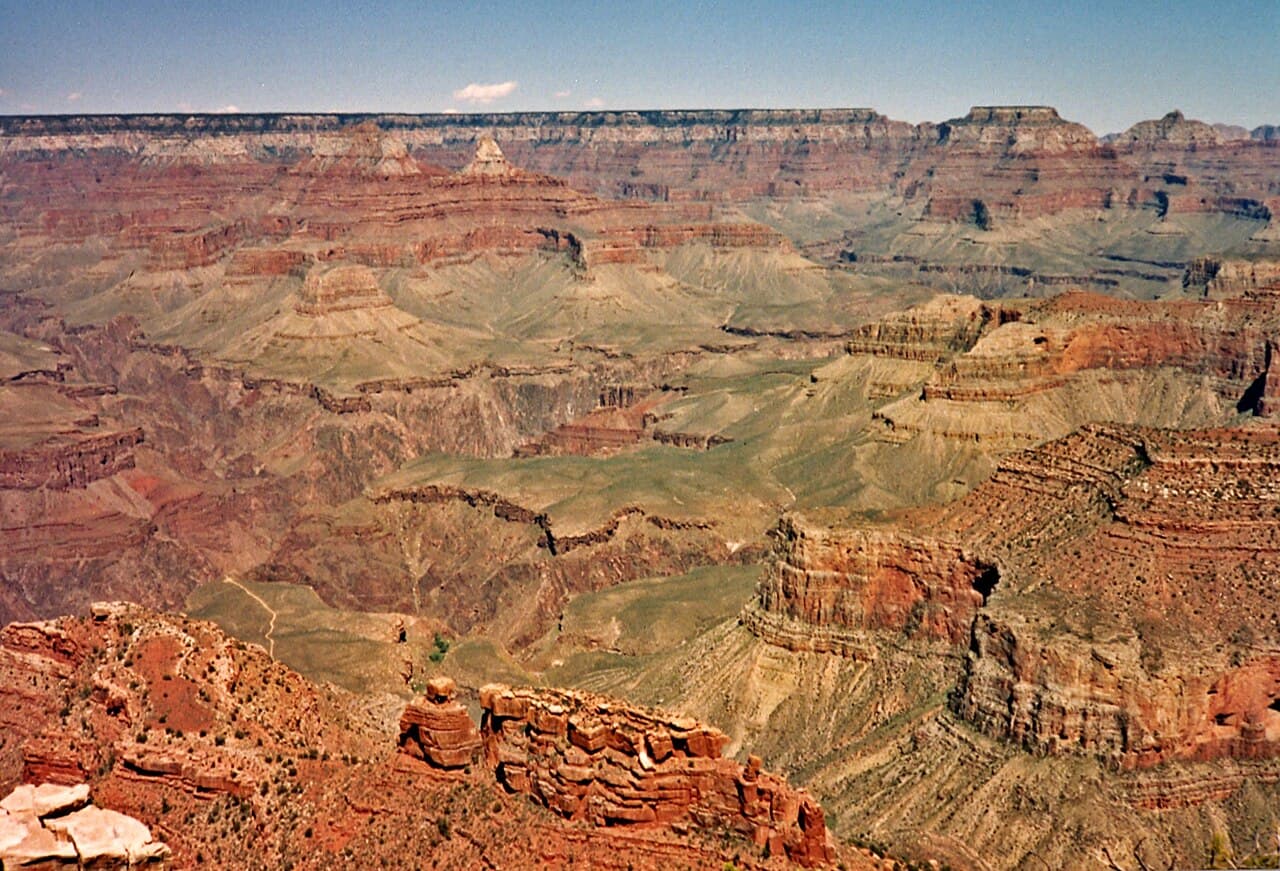
The Grand Canyon reveals a vast landscape of layered rock. Its story includes uplift, river cutting, and erosion, as the National Park Service explains. Enjoy rim viewpoints before deciding whether a canyon hike fits your experience.
32. Yellowstone National Park, Wyoming, Montana, and Idaho
Geysers, hot springs, and wildlife make Yellowstone feel wonderfully alive. Established in 1872, it became the first U.S. national park. Follow boardwalks around thermal areas and give animals space. Read about its geological systems before visiting.
33. Yosemite National Park, California
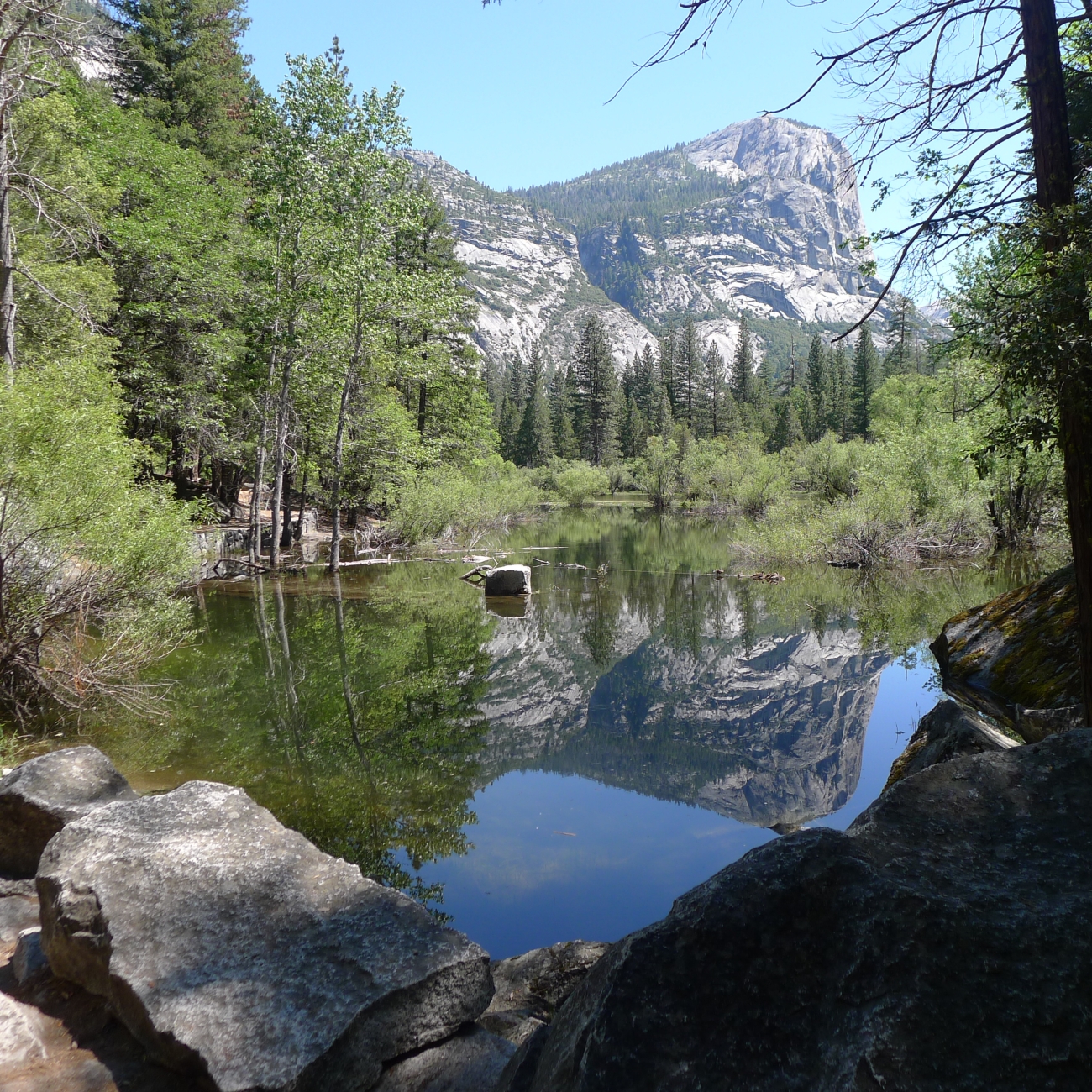
Yosemite’s granite cliffs, waterfalls, and meadows reward both first-time visitors and returning hikers. Begin with the valley, then explore other areas as conditions allow. Use the official park guide for access and trip planning.
34. Zion National Park, Utah
Zion’s tall sandstone walls make its canyon scenery especially dramatic. Choose routes suited to your ability and comfort with heights or moving water. Check Zion’s official information for current shuttle, trail, and permit details.
35. Bryce Canyon National Park, Utah
Bryce Canyon’s hoodoos form a landscape of slender rock towers. Rim viewpoints offer a broad introduction, while trails reveal different perspectives among the formations. Consult the park website for weather and trail conditions.
36. Arches National Park, Utah
Arches brings together natural stone openings, balanced rocks, and desert views. Slow down to notice the shapes between the famous landmarks. Check the official park page for entry arrangements and seasonal conditions.
37. Canyonlands National Park, Utah
Canyonlands opens into a maze of mesas, canyons, and river country. Its districts require separate planning, so choose the area that suits your time and transport. Start with the National Park Service guide.
38. Capitol Reef National Park, Utah
Capitol Reef mixes colorful cliffs with the historic Fruita landscape. Scenic drives and shorter walks offer several ways to appreciate it. The official park website explains its geology, history, and visiting options.
39. Rocky Mountain National Park, Colorado
Rocky Mountain National Park offers alpine lakes, forest trails, and broad mountain views. Choose hikes with elevation and weather in mind. Check the park’s current guidance for road access and reservation requirements.
40. Glacier National Park, Montana
Glacier’s mountain valleys and lakes make it a memorable northern escape. Plan around seasonal road access and choose trails carefully. The official park website provides current information for visiting its different areas.
41. Grand Teton National Park, Wyoming
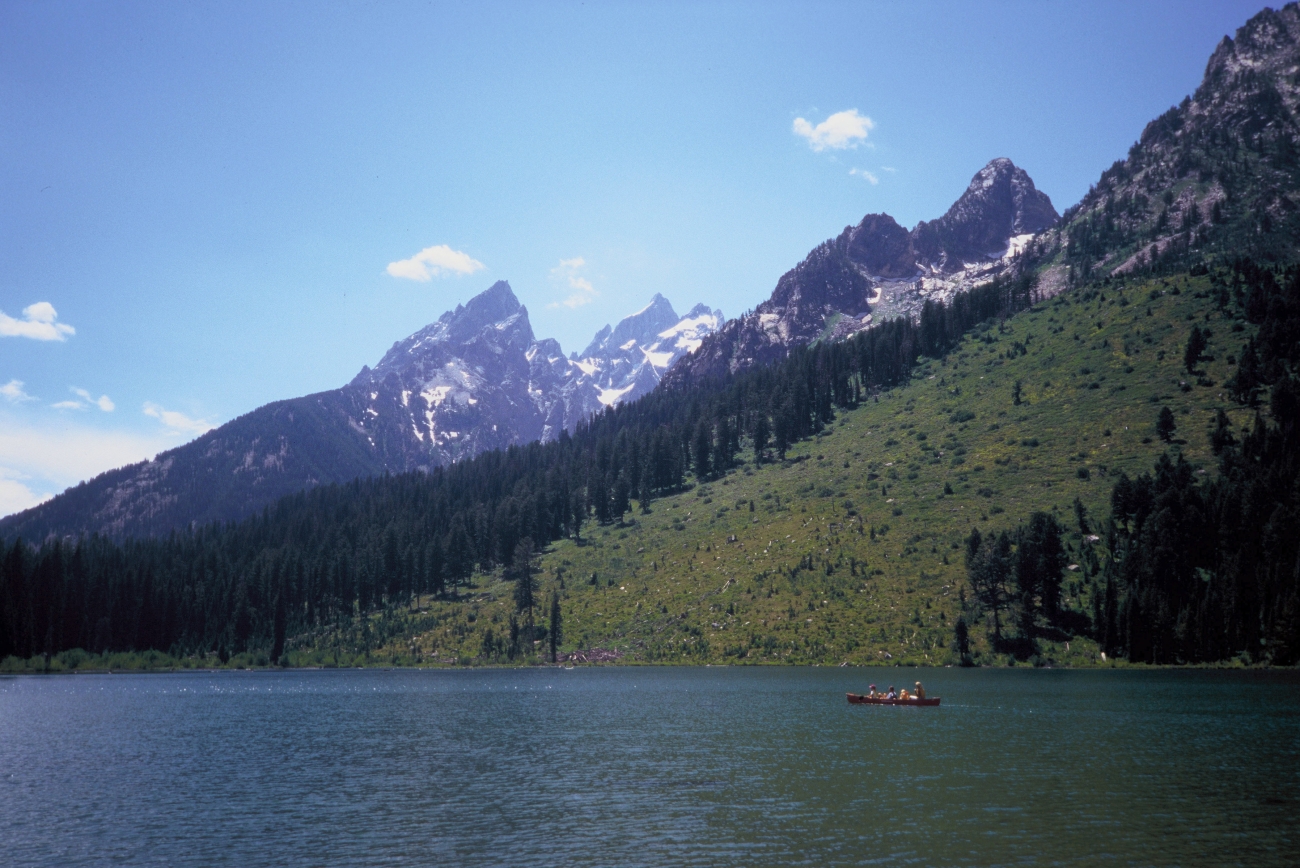
The Teton Range rises above lakes and valley scenery. Enjoy shoreline walks, viewpoints, and wildlife watching without approaching animals. Use the park guide to build a visit around your interests and abilities.
42. Olympic National Park, Washington
Olympic protects remarkably different environments: mountain country, temperate rain forest, and wild Pacific coast. Allow time to travel between them. The National Park Service also provides essential tide information for coastal visits.
43. Mount Rainier National Park, Washington
Mount Rainier’s glacier-covered volcanic peak dominates the landscape. Forest walks and mountain viewpoints offer different ways to experience the park. Check official conditions before traveling, since snow affects access.
44. North Cascades National Park, Washington
North Cascades is a destination for rugged mountain scenery and a sense of space. Match plans to your backcountry experience, or focus on accessible viewpoints in the wider park complex. Start with the official visitor guide.
45. Crater Lake National Park, Oregon
Crater Lake fills a caldera formed after a volcanic eruption and collapse. Fed by rain and snow, it is the deepest lake in the United States. The park website explains its formation and seasonal access.
46. Redwood National and State Parks, California
Walking among coast redwoods changes your sense of scale. These parks also protect prairies, rivers, and coastline. The official guide helps visitors explore beyond the best-known groves while protecting sensitive habitat.
47. Sequoia National Park, California
Giant sequoias draw attention upward, but their forest surroundings deserve a close look too. Walk designated paths and protect the trees’ roots. Plan through the Sequoia and Kings Canyon website.
48. Kings Canyon National Park, California
Kings Canyon offers deep valleys, mountain scenery, and giant sequoia groves. Combine it with neighboring Sequoia if time allows, while checking distances and road access. The shared park guide covers both.
49. Joshua Tree National Park, California
Joshua Tree’s branching plants and rounded boulders create an unusual desert landscape. Enjoy the forms and changing light, and plan walks around conditions. Check the park website before heading into remote areas.
50. Death Valley National Park, California and Nevada
Death Valley’s salt flats, mountains, and dunes show the desert’s variety. Extreme heat can shape every part of a visit. Use official park guidance to choose suitable activities and confirm road conditions.
Eastern, central, and southern national parks
51. Great Smoky Mountains National Park, Tennessee and North Carolina
Forested ridges, streams, and mountain history give the Smokies lasting appeal. Choose a mix of viewpoints and walks rather than spending the whole trip driving. Check the park website for access and parking information.
52. Acadia National Park, Maine
Acadia brings granite coast, woodland, and mountain views together. Explore at a pace that leaves time to notice tide pools and shoreline details. Check official planning information for road reservations and seasonal services.
53. Shenandoah National Park, Virginia
Shenandoah offers a long mountain escape through Virginia’s Blue Ridge. Combine Skyline Drive overlooks with selected forest walks. The official park guide helps visitors plan around weather and road conditions.
54. Everglades National Park, Florida
The Everglades protects a rich mix of wetland, forest, and marine habitats. Look for wildlife from established viewing areas and learn why water restoration matters. The National Park Service explains this connected ecosystem.
55. Dry Tortugas National Park, Florida
Dry Tortugas combines remote island scenery with the massive walls of Fort Jefferson. Getting there is a major part of the plan. Consult the official website for transport, facilities, and weather information.
56. Biscayne National Park, Florida
Biscayne invites visitors to think of a national park in shades of blue. Its marine setting includes islands, mangroves, and reef habitats. Explore official visiting options before choosing a boat or water activity.
57. Mammoth Cave National Park, Kentucky
Mammoth Cave protects the world’s longest known cave system. Guided tours reveal an underground landscape very different from the wooded hills above. Compare routes and physical demands on the official park website.
58. Badlands National Park, South Dakota
Badlands pairs sharply eroded rock formations with prairie landscapes. Scenic overlooks reveal changing colors and shapes, while wildlife adds another reason to slow down. Plan using the official park guide.
59. Theodore Roosevelt National Park, North Dakota
North Dakota’s badlands offer winding landscapes, grasslands, and wildlife viewing. Explore the park’s separate units with travel time in mind. The National Park Service website explains their differences and access.
60. White Sands National Park, New Mexico
These bright dunes are made of gypsum, giving the landscape its striking appearance. Wind and water help shape the grains and dunes. Learn the story through the park’s geology guide.
61. Carlsbad Caverns National Park, New Mexico
Carlsbad Caverns reveals large underground spaces and delicate mineral formations. Choose a route that matches your mobility and available time. The park website provides tour, entry, and seasonal program information.
62. Big Bend National Park, Texas
Big Bend brings together desert, mountains, and the Rio Grande. Its size and remoteness reward careful planning rather than a hurried visit. Check official guidance for road conditions, water, and available services.
63. Guadalupe Mountains National Park, Texas
Guadalupe Mountains offers rugged trails and a landscape tied to an ancient reef. It suits travelers who enjoy walking and geology. Review the official park information before choosing a demanding hike.
64. Hot Springs National Park, Arkansas
Hot Springs connects natural thermal water with the history of a spa town. Explore Bathhouse Row and nearby park trails for two sides of the experience. The park website explains bathing options and historic sites.
65. Indiana Dunes National Park, Indiana
Lake Michigan’s shoreline is only part of the attraction at Indiana Dunes. Trails also reveal woodland and wetland habitats. Check the national park guide, and distinguish its facilities from the neighboring state park.
66. Cuyahoga Valley National Park, Ohio
Cuyahoga Valley offers river scenery, wooded trails, and reminders of the region’s canal history. It is a place to explore at a gentle pace. Use the official guide to find walks and current activities.
67. New River Gorge National Park and Preserve, West Virginia
The New River Gorge combines steep wooded slopes with river and industrial history. Enjoy viewpoints or choose an outfitted adventure that fits your skills. The park website outlines visiting options.
68. Congaree National Park, South Carolina
Congaree protects an important old-growth bottomland forest. Boardwalks offer a close look at this floodplain world, where changing water levels shape life. Learn about the ecosystem through the USGS overview.
69. Voyageurs National Park, Minnesota
Voyageurs is a park where water shapes the journey. Lakes, wooded islands, and boat-based travel make it different from a typical road trip stop. Check the official visitor guide for suitable ways to explore.
70. Isle Royale National Park, Michigan
Isle Royale offers a remote Lake Superior island experience. Transport schedules, weather, and limited services are central to planning. Read the official park guidance before committing to a hiking, boating, or overnight trip.
Hawaii and Alaska: volcanic landscapes and northern wilderness
71. Hawaiʻi Volcanoes National Park, Hawaii
Hawaiʻi Volcanoes reveals landscapes shaped by volcanic forces and deep cultural meaning. Learn about Hawaiian connections to the land alongside its geology. Conditions change, so use official park updates; visible lava is never guaranteed.
72. Haleakalā National Park, Hawaii
Haleakalā spans contrasting landscapes on Maui, including its high volcanic summit area and Kīpahulu’s coastal setting. Plan these as distinct visits. Check the official website for access, reservations, and conditions.
73. Denali National Park and Preserve, Alaska
Denali offers vast northern landscapes and the chance to watch wildlife in its habitat. Mountain views depend on weather. Use the official park website to confirm current transport and road access.
74. Kenai Fjords National Park, Alaska
Kenai Fjords connects ice-shaped mountains with coastal waters. Boat outings and land-based visits provide different perspectives. Check the park guide, and remember that weather and wildlife sightings are beyond any operator’s control.
75. Glacier Bay National Park and Preserve, Alaska
Glacier Bay’s fjords and glacial landscapes invite a slower kind of attention. Learn about the homeland of the Huna Tlingit as part of the visit. The official park guide covers history and travel options.
Scenic escapes, islands, and road trip stops
76. Lake Tahoe, California and Nevada
Lake Tahoe combines clear mountain water with forested shores. Choose a shoreline base and build your trip around nearby activities. Keep beaches and trails clean, and follow measures intended to protect the lake.
77. Big Sur, California
Big Sur’s cliffs and Pacific views make it a memorable stretch of coast. Take time at legal pullouts and marked trails. Check current highway access before building a route around a through-drive.
78. Napa Valley, California
Napa Valley pairs vineyards with small towns and regional food. Choose a few stops rather than rushing between many tasting rooms. Arrange transport in advance if wine tasting is part of the day.
79. Monterey, California
Monterey’s bayfront setting brings marine life and coastal history together. Explore the waterfront and learn about the ocean at the Monterey Bay Aquarium. Observe wildlife without crowding or feeding it.
80. Santa Barbara, California
Santa Barbara combines beaches, gardens, and Spanish Colonial Revival architecture. Enjoy its downtown and waterfront, then explore the surrounding region if time allows. It is a comfortable choice for a trip with a slower rhythm.
81. Palm Springs, California
Palm Springs offers desert scenery, design history, and mountain views. Explore its midcentury architecture alongside museums and outdoor spaces. Heat should guide the timing and length of any desert walk.
82. Monument Valley, Arizona and Utah
Monument Valley’s sandstone buttes stand within a living Navajo homeland. Visit respectfully and consider a Navajo-led tour for cultural context. Navajo Nation Parks explains access and areas reached through guided visits.
83. Antelope Canyon, Arizona
Antelope Canyon’s curved sandstone walls reveal the power of moving water. Access requires an authorized guided tour. Use the Navajo Nation’s operator directory and follow your guide’s weather and safety instructions.
84. Horseshoe Bend, Arizona
At Horseshoe Bend, a broad curve of the Colorado River creates a dramatic view below the overlook. Stay well back from unprotected edges. Plan for sun exposure and carry water for the walk.
85. Lake Powell, Arizona and Utah
Lake Powell brings reservoir waters into a sandstone canyon setting. Water levels affect ramps, routes, and recreation access, so confirm conditions before booking. Learn about the Colorado River’s wider water challenges as part of the trip.
86. Moab, Utah
Moab makes a useful base for nearby red rock landscapes, including Arches and Canyonlands. Leave enough time for each park rather than treating them as quick stops. Respect trail rules and fragile desert soils.
87. Jackson, Wyoming
Jackson combines a busy town center with access to the wider Teton region. Enjoy local galleries and food, then plan separate time for nearby protected landscapes. Keep wildlife viewing patient and respectful.
88. Telluride, Colorado
Telluride’s mountain setting gives the town a striking backdrop. Explore historic streets and choose seasonal outdoor activities suited to your experience. High-country weather can change plans, so keep the itinerary flexible.
89. Aspen, Colorado
Aspen offers mountain scenery, cultural activities, and a historic downtown. Look beyond a single ski-season image to consider the kind of trip you want. Check local access arrangements for popular nearby natural sites.
90. Mount Rushmore National Memorial, South Dakota
Mount Rushmore’s carved presidential faces are one part of the Black Hills story. Visit with attention to Lakota history and the region’s contested past. The National Park Service provides visitor and historical information.
91. Mackinac Island, Michigan
Mackinac Island offers historic streets, lake views, and a pace shaped by walking, bicycles, and horse-drawn transport. Plan arrival logistics and choose routes that suit your mobility. Spend time away from the busiest waterfront blocks.
92. Door County, Wisconsin
Door County’s peninsula setting brings together small towns, shoreline parks, and local food. Choose a few communities as a base for exploring. Quiet water views and short walks can be just as rewarding as a packed schedule.
93. Cape Cod, Massachusetts
Cape Cod invites beach walks, village stops, and time beside the Atlantic. Explore beyond the main roads to appreciate its varied coastal habitats. Follow seasonal protections around nesting wildlife and sensitive dunes.
94. Martha’s Vineyard, Massachusetts
Martha’s Vineyard offers distinct towns, beaches, and island landscapes. Plan transport before arrival, especially if bringing a vehicle. Include opportunities to learn about the island’s Wampanoag heritage alongside its maritime history.
95. Nantucket, Massachusetts
Nantucket’s harbor, historic streets, and coastal scenery reward an unhurried stay. Explore local museums to understand the island’s whaling past. Use established paths through dunes and respect beach access rules.
96. Outer Banks, North Carolina
The Outer Banks combines barrier-island beaches with maritime history. Visit lighthouses and coastal communities while leaving room for weather changes. Visit North Carolina offers a starting point for exploring the region.
97. Hilton Head Island, South Carolina
Hilton Head Island offers beaches, bike paths, and coastal wildlife habitats. Add time to learn about Gullah culture and local history. Follow posted rules around dunes, nesting birds, and sea turtle habitat.
98. Gulf Shores, Alabama
Gulf Shores combines beach time with nearby coastal nature. Balance a day on the sand with walking or birdwatching in protected areas. Alabama’s official tourism guide introduces the wider coast.
99. Destin, Florida
Destin’s beach and harbor setting suits a trip centered on the water. Choose responsible boat operators and follow beach warning flags. Leave dunes and marine wildlife undisturbed so the coast remains healthy.
100. Niagara Falls, New York
Niagara Falls delivers a powerful finish to this list. Experience the river and falls from designated viewpoints on the New York side. Check the state park website for current attraction information and seasonal access.
How to turn this list into a trip
Choose one region first. A New England trip could connect Boston, Newport, Cape Cod, and coastal Maine. A Southwest trip could focus on Las Vegas, Zion, Bryce Canyon, and nearby desert destinations. Allow full travel days where distances require them.
Build around your interests. Music lovers may prefer Nashville, Austin, and New Orleans as separate city breaks. Nature lovers could start with a single national park and spend more time exploring it.
Check official information before booking. Park reservations, permits, roads, transport schedules, and attraction hours can change. Start with the National Park Service, then check the specific destination.
Protect the places you visit. Stay on established routes, carry out waste, observe wildlife from a distance, and follow local and tribal guidance. Supporting local businesses and guides can also make a visit more meaningful.
A different kind of wonder at every stop
The most memorable American vacation does not need the most stops. It may be a quiet morning beside a mountain lake, a conversation in a neighborhood café, or the first view into a canyon.
Choose a place that makes you curious. Give it time, learn its stories, and leave it with the same care you hope the next visitor will bring.
Image sources and licenses: Grand Canyon — Ron Clausen, CC0 1.0; Yosemite Valley — National Park Service, public domain; Jenny Lake — Craig Rieben, public domain.
