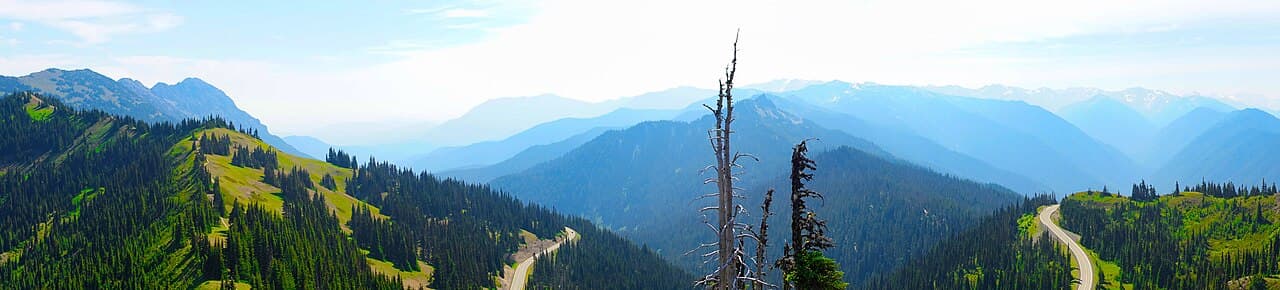
Olympic National Park protects temperate rain forest, glacier-capped mountains, and wild Pacific coast within one remarkably varied landscape. Changes in elevation and precipitation help explain why these environments differ so much.
That variety makes the park exciting—and makes realistic travel planning essential.
Choose landscapes rather than a hurried loop
A rain forest walk, mountain viewpoint, and coastal outing are different experiences. Select the ones that matter most and allow time to travel between them.
The official Olympic visitor guide explains park areas, access, and current conditions. Roads do not provide a quick direct connection through every part of the wilderness.
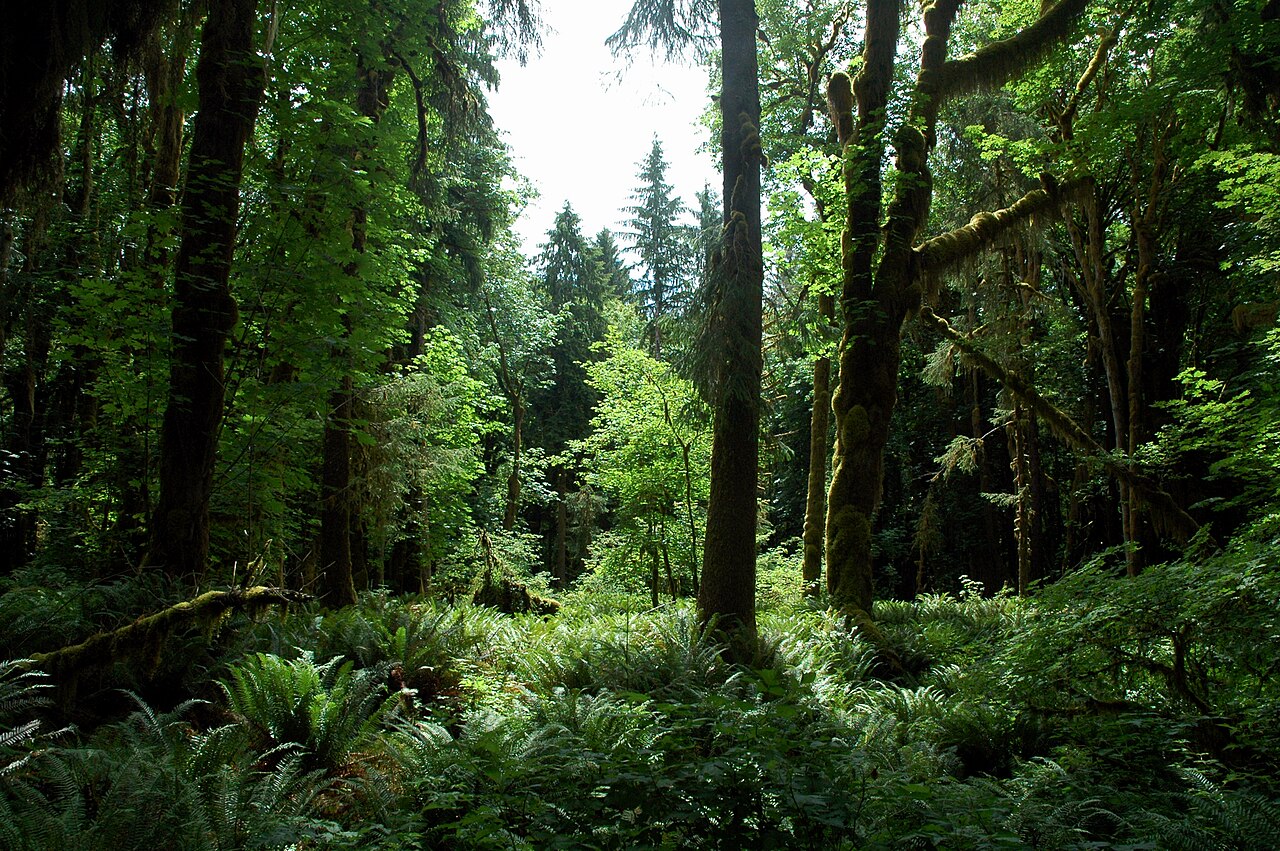
Look closely in the rain forest
Moss, ferns, fallen wood, and tall trees create a layered environment. Walk slowly enough to notice what is growing at different heights and on the forest floor.
Stay on established paths. A damp forest can look resilient while still containing vegetation easily damaged by repeated footsteps.
Treat the coast as a changing place
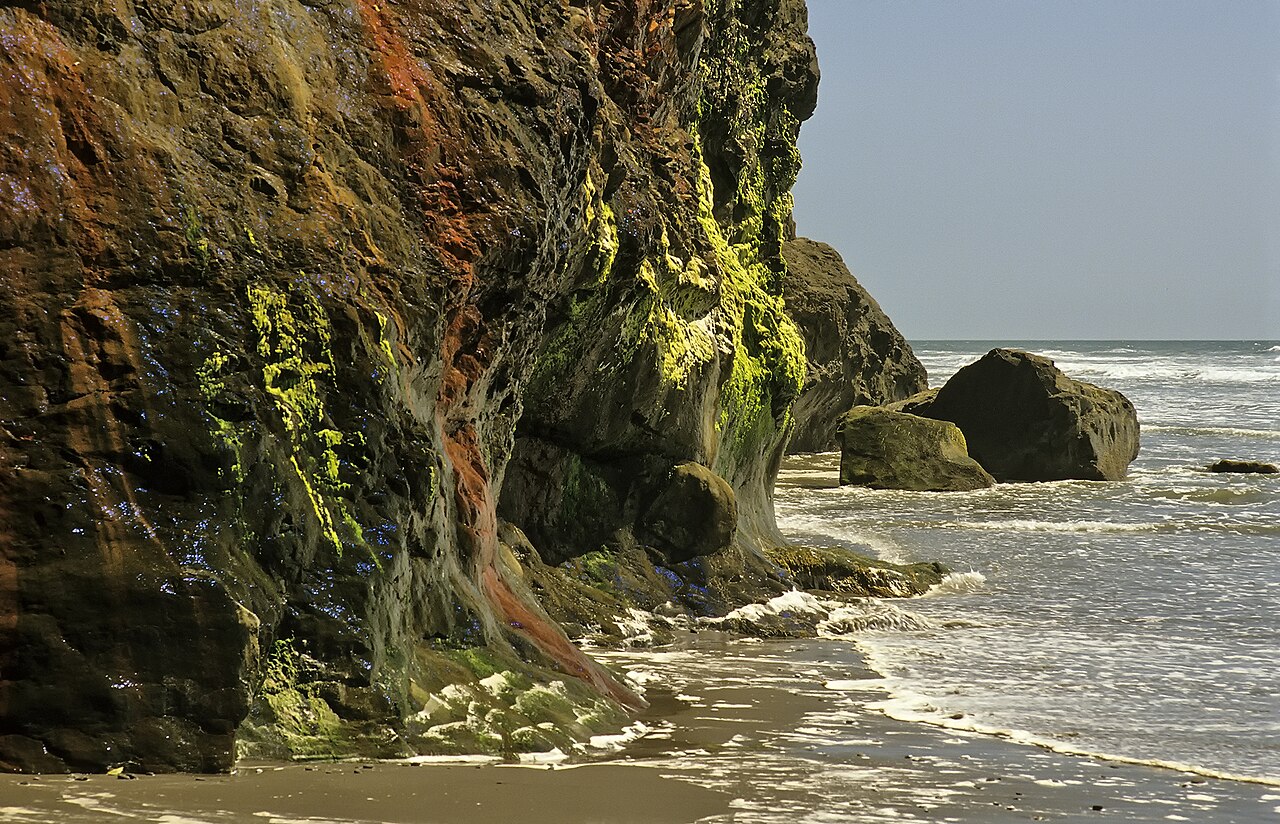
Sea stacks and rocky beaches provide striking scenery, but tides can transform access. Check official tide and route guidance before walking around headlands or along remote stretches.
Do not assume the way back will remain open. Watch waves from a safe position and leave tide-pool animals where they are.
Prepare for the particular area
Mountain routes, rain forest paths, and coastal trails require different clothing and equipment. Confirm weather, road access, and trail status for the exact place you intend to visit.
Observe wildlife without approaching or feeding it, and keep food stored according to park rules. Include opportunities to learn about the Indigenous communities connected with the peninsula.
Olympic’s great attraction is the relationship between its contrasting worlds. Give each one time, and the park becomes more than three beautiful scenes: it becomes a lesson in how landscape shapes life.
Part of Visit America’s 100 places to visit in the USA.
Photo credits
Featured image: Landscape in Olympic National Park, Washington. Photo: John Manard. Original photograph; CC BY-SA 2.0. Resized for web display.

Body image 1: Mossy trees in Maple Glade rain forest at Olympic National Park. Photo: DimiTalen. Original photograph; CC0. Resized for web display.

Body image 2: Rock formations on Ruby Beach at Olympic National Park. Photo: Michael Gäbler. Original photograph; CC BY 3.0. Resized for web display.
