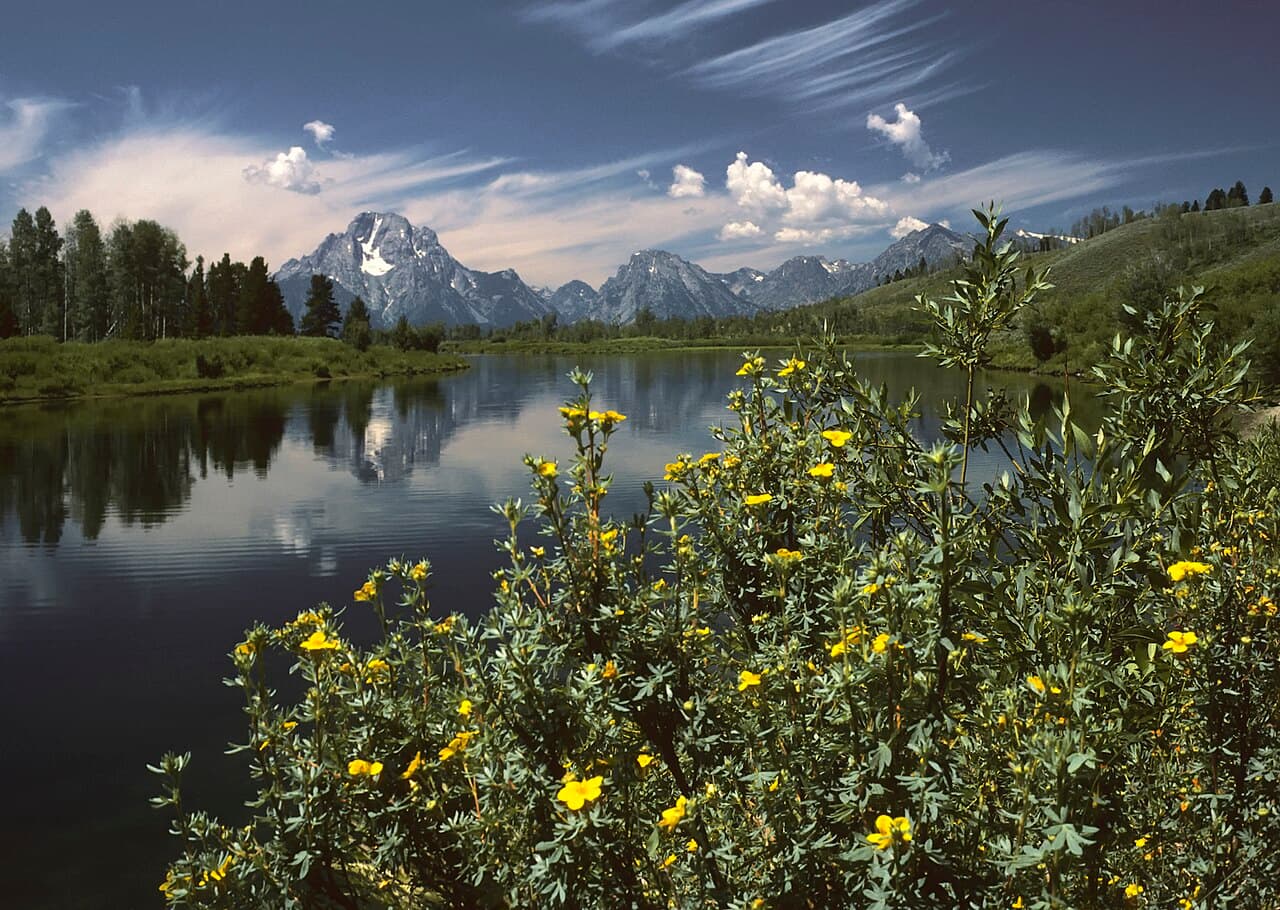
At Oxbow Bend, the Snake River provides a foreground to the Teton Range. The water, wetlands, and mountains form a view that is beautiful partly because it is also habitat.
Grand Teton National Park rewards looking at both scales: the broad outline of the peaks and the smaller movements of life in the valley.
Begin with the valley’s viewpoints
Choose a few stops rather than driving rapidly between every overlook. Oxbow Bend and other established viewpoints help reveal how the river and mountains fit together.
Changing light can make a familiar scene feel new. Allow time to watch rather than judging the visit by whether you reproduce a famous photograph.
Look for wildlife without approaching it
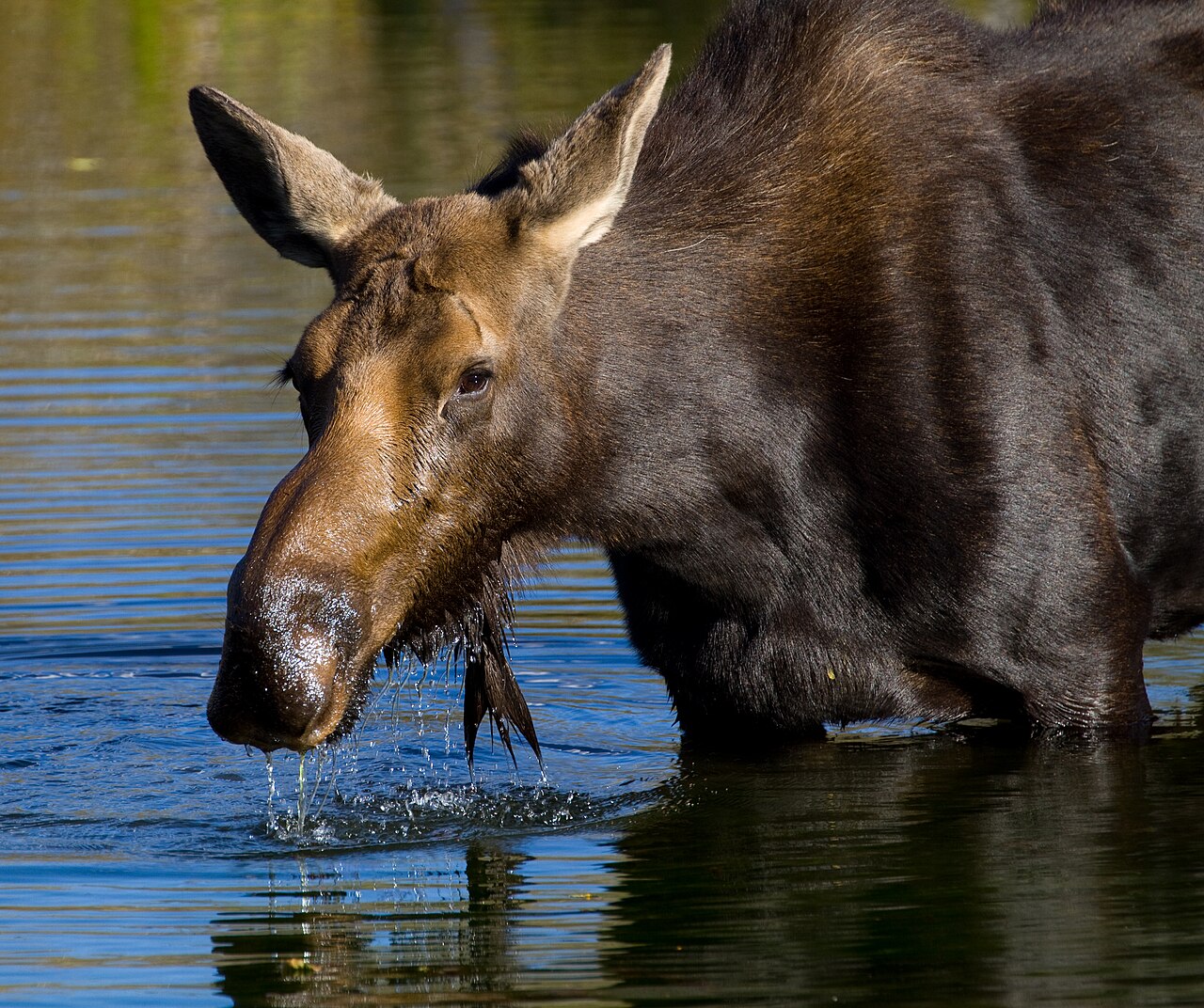
Moose and other animals use the valley’s wetlands and forests. A sighting is a possibility, not a promise, and viewing should never interfere with an animal’s movement.
Follow the distances and food-storage rules on the official Grand Teton website. Binoculars can make a distant encounter more rewarding without creating pressure on wildlife.
Give lakes and trails their own time
A lakeside walk offers a different experience from a roadside viewpoint. Choose a route based on distance, elevation, and current conditions.
Mountain outings can require substantial preparation. Check trail information and weather before setting off, and respect seasonal or wildlife-related closures.
Plan around access and the wider region
Confirm road openings, accommodation, and services for your dates. Jackson and Yellowstone can be connected to a longer trip, but each adds travel and deserves separate time.
Stay on established paths, leave plants and natural objects in place, and seek interpretation about the people whose connections to this landscape extend beyond the park era.
The Tetons make an immediate impression. A slower visit reveals the river, wetlands, and wildlife that make the valley more than a foreground to the mountains.
Part of Visit America’s 100 places to visit in the USA.
Photo credits
Featured image: Mount Moran and the Snake River at Oxbow Bend in Grand Teton. Photo: Michael Gäbler. Original photograph; CC BY 3.0. Resized for web display.

Body image 1: Female moose feeding in water at Grand Teton National Park. Photo: Tony Hisgett from Birmingham, UK. Original photograph; CC BY 2.0. Resized for web display.

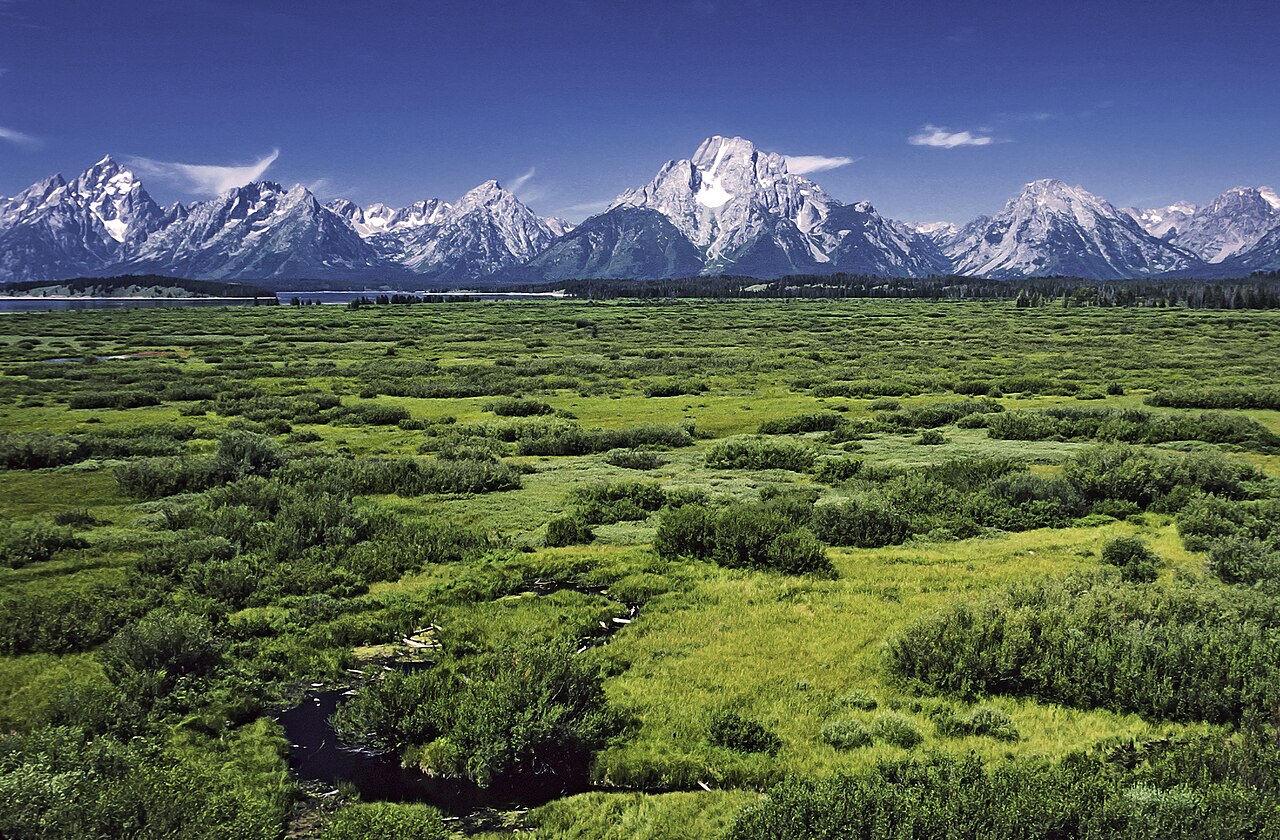
Body image 2: Teton Range above Willow Flats in Grand Teton National Park. Photo: Michael Gäbler. Original photograph; CC BY 3.0. Resized for web display.
