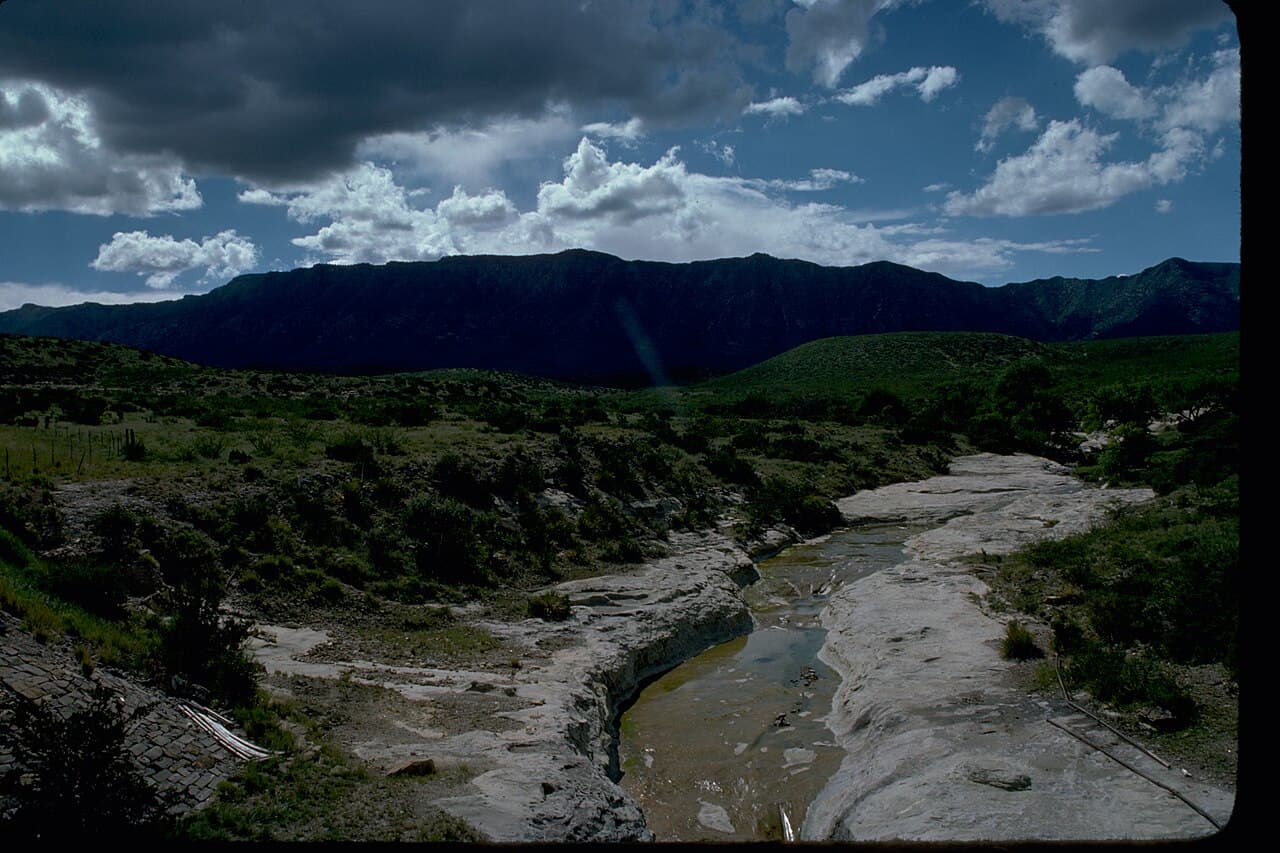
The Guadalupe Mountains preserve part of an ancient reef system. In a landscape that now stands above the desert, that history offers a striking reminder of how completely environments can change.
The park is especially rewarding for visitors who enjoy geology, walking, and the smaller signs of life in rugged country.
Begin with the reef story
Use interpretation to understand how marine deposits became part of the mountains visible today. The connection between ancient water and present rock gives the scenery an additional layer.
The official Guadalupe Mountains website provides geological background and current visitor information.
Choose a trail for your experience
Mountain routes may involve substantial climbing, exposed sections, and limited shade. Read the distance, elevation gain, and conditions before deciding.
A shorter walk can offer a meaningful visit without the demands of a summit attempt. Carry the equipment and water appropriate to your chosen route.
Notice life between the rocks
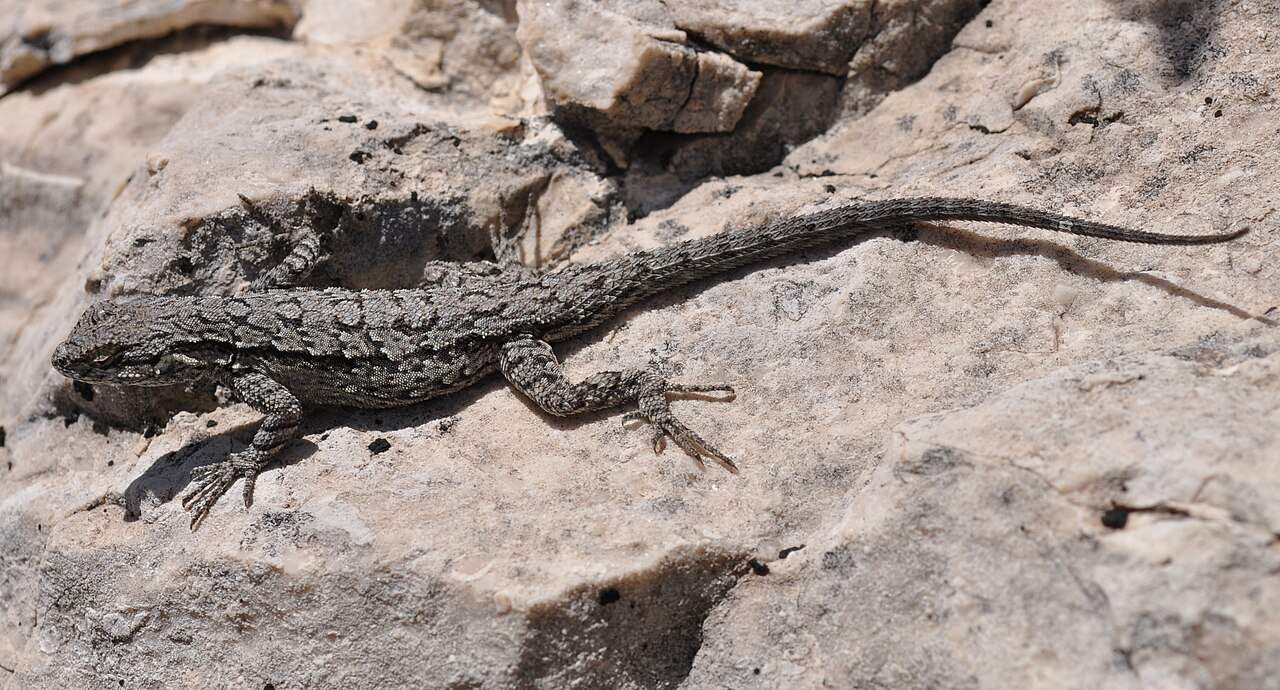
Lizards, cacti, and other organisms are part of the park’s living environment. Watch patiently and avoid moving plants or stones to improve a photograph.
Small details can reveal how life persists in a setting that seems harsh from a distance.
Protect plants and plan for the weather
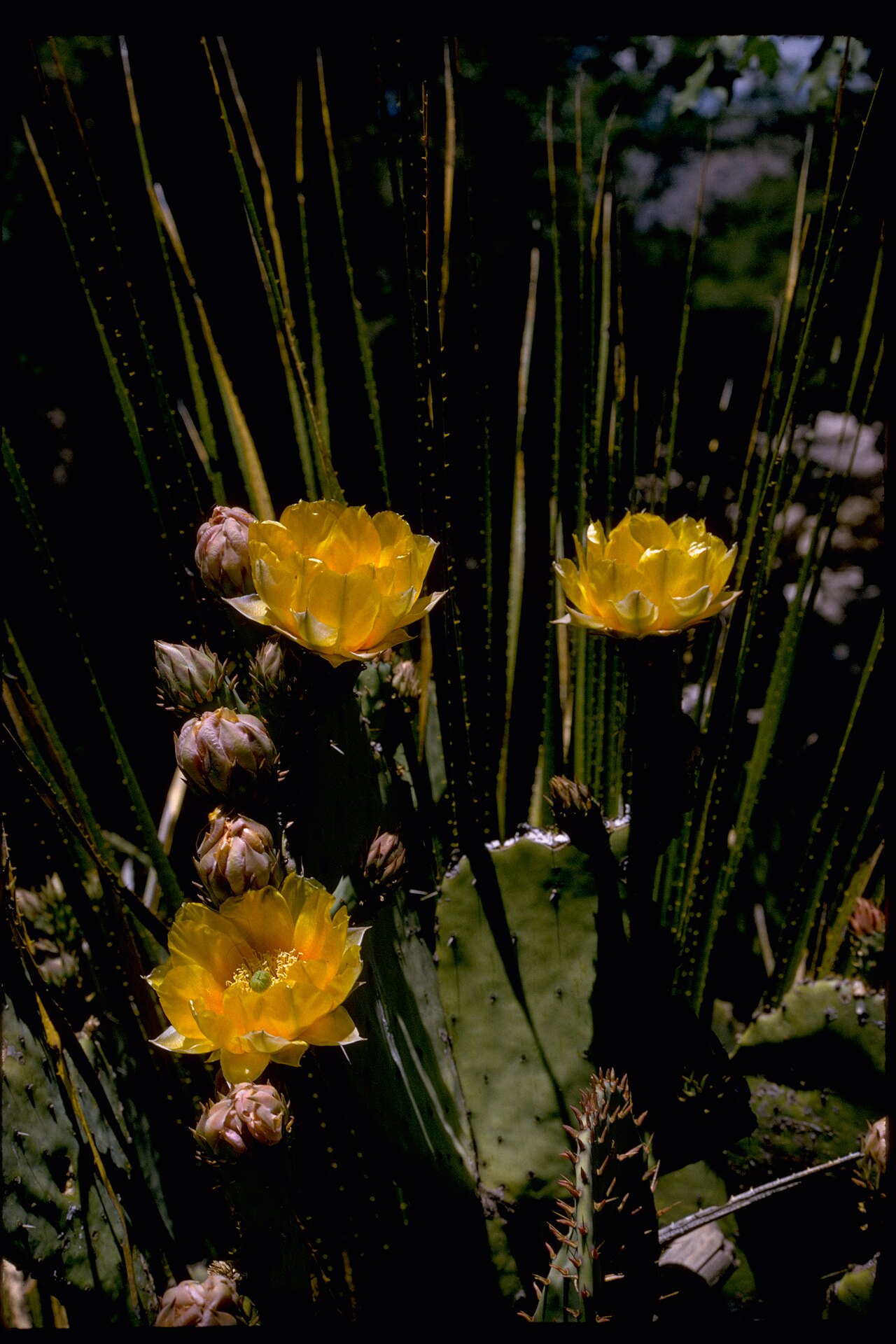
Cactus habitat and other desert vegetation can be damaged by shortcuts. Remain on established routes and leave flowers, rocks, and fossils where they belong.
Check official guidance on wind, weather, camping, and services before traveling. Rules for pets and overnight activities are specific, so confirm what applies to your group.
The Guadalupe Mountains connect two worlds: an ancient marine environment and a modern mountain desert. Understanding that contrast can make even a modest walk feel like a journey through a much longer story.
Part of Visit America’s 100 places to visit in the USA.
Photo credits
Featured image: Landscape in Guadalupe Mountains National Park, Texas. Photo: National Park Service Digital Image Archives. Original photograph; Public domain. Resized for web display.

Body image 1: Lizard in Guadalupe Mountains National Park. Photo: Fredlyfish4. Original photograph; CC BY-SA 3.0. Resized for web display.

Body image 2: Prickly pear cactus in Guadalupe Mountains National Park. Photo: National Park Service Digital Image Archives. Original photograph; Public domain. Resized for web display.
