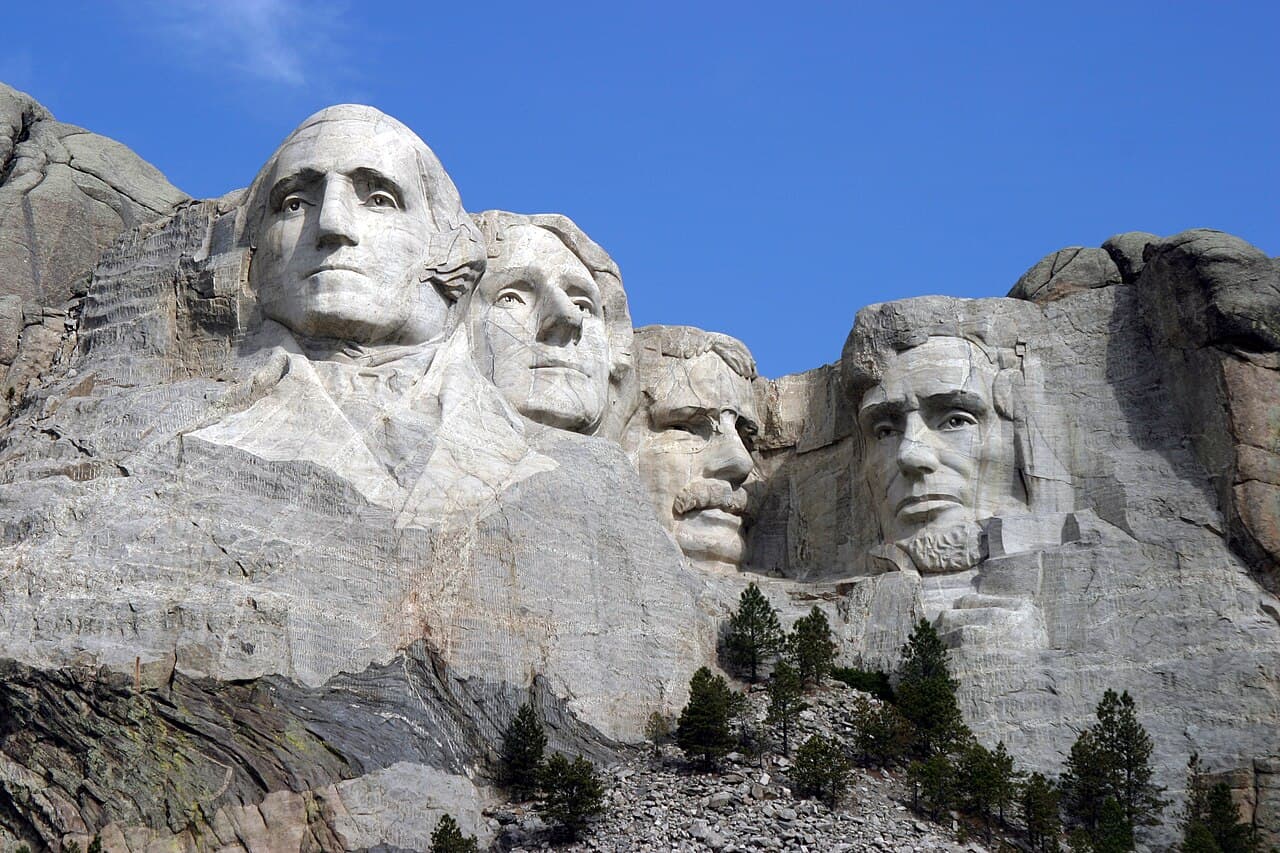
Mount Rushmore’s four presidential faces are carved into a Black Hills mountainside. The scale is remarkable, but understanding the memorial requires more than identifying the presidents in a photograph.
The sculpture belongs to a wider landscape with deep Indigenous significance and a contested history.
Begin with what the memorial represents
Learn why George Washington, Thomas Jefferson, Theodore Roosevelt, and Abraham Lincoln were chosen. Interpretation explains the intended themes as well as the work involved in creating the sculpture.
The official Mount Rushmore website provides historical resources, visitor planning, and accessibility information.
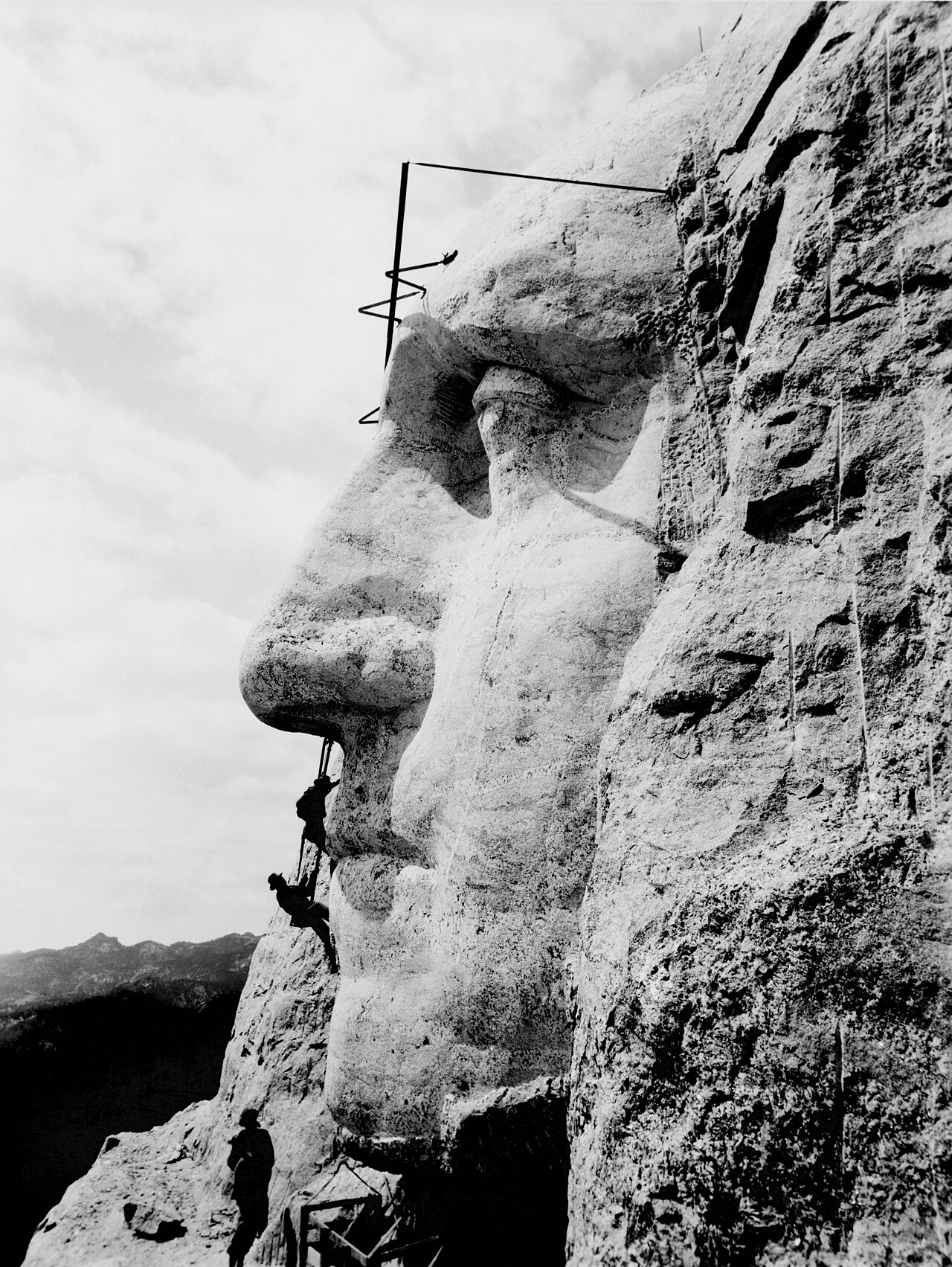
Look at the making of the monument
Historical photographs reveal labor, tools, and the gradual shaping of the rock. They help turn an apparently finished image into a story of human work and decisions.
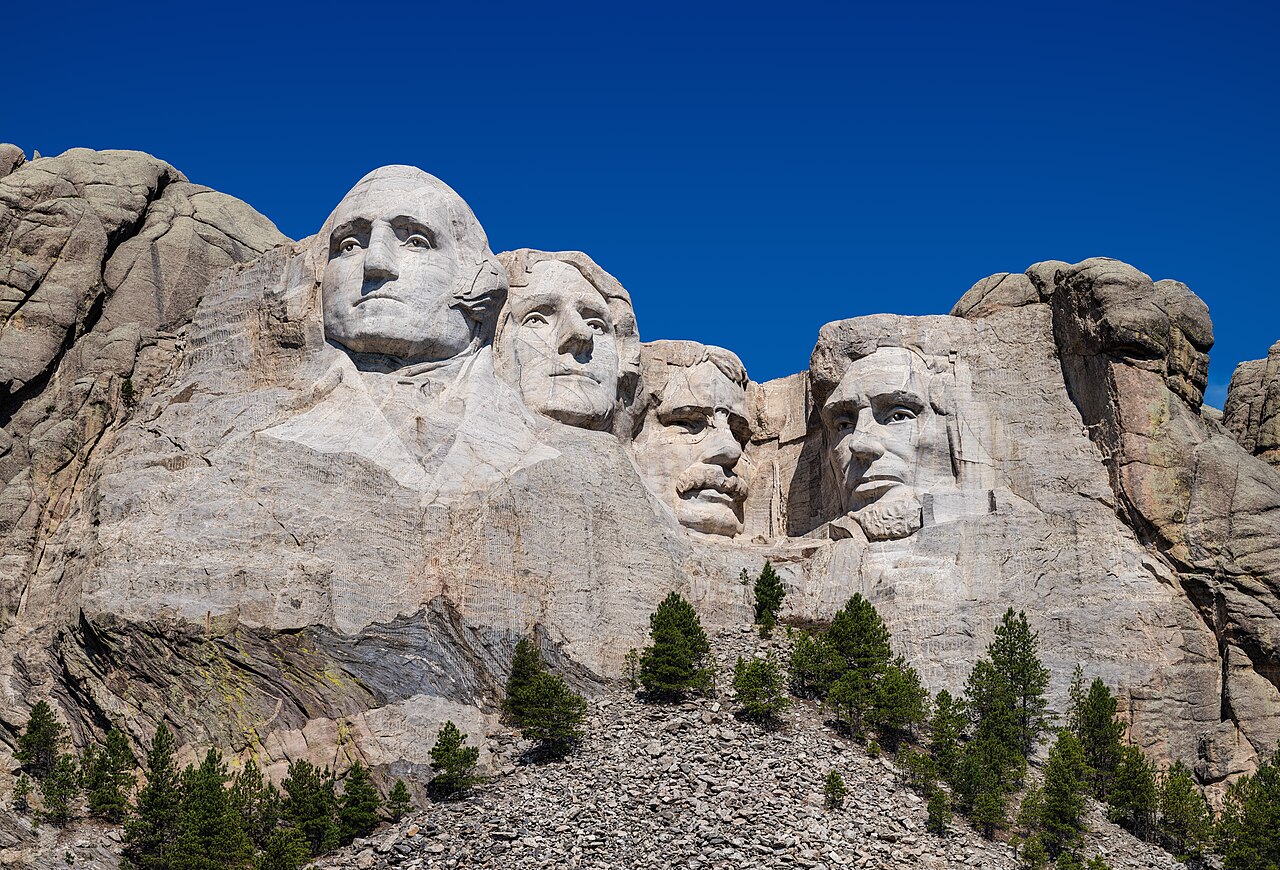
A closer view also reveals that each face is part of a larger design, seen differently from different positions.
Include the Black Hills' Indigenous history
A visit should make room for Lakota perspectives and the continuing significance of the Black Hills. The monument’s national symbolism does not remove the need to understand land, treaties, and disagreement.
Seek reliable Indigenous cultural resources and broader historical interpretation alongside the memorial’s own account.
Plan the visit without rushing the context
Check current parking, trails, programs, and facility access. Choose routes suited to your mobility and the conditions.
Keep to designated areas, respect barriers, and treat the site as a place where visitors may hold very different views. A thoughtful visit allows space for learning rather than demanding a single reaction.
Mount Rushmore can be visually impressive and historically complicated at the same time. Giving attention to both makes the journey more useful than a photograph alone.
Part of Visit America’s 100 places to visit in the USA.
Photo credits
Featured image: Mount Rushmore presidential sculpture from the viewing plaza. Photo: Dean Franklin. Original photograph; Public domain. Resized for web display.

Body image 1: Detail of the carved faces at Mount Rushmore. Photo: Thomas Wolf , www.foto-tw.de. Original photograph; CC BY-SA 3.0. Resized for web display.

Body image 2: Historical photograph of work on George Washingtons likeness at Mount Rushmore. Photo: Rise Studio, Rapid City, S. Dak. Copyright not renewed.. Original photograph; Public domain. Resized for web display.
