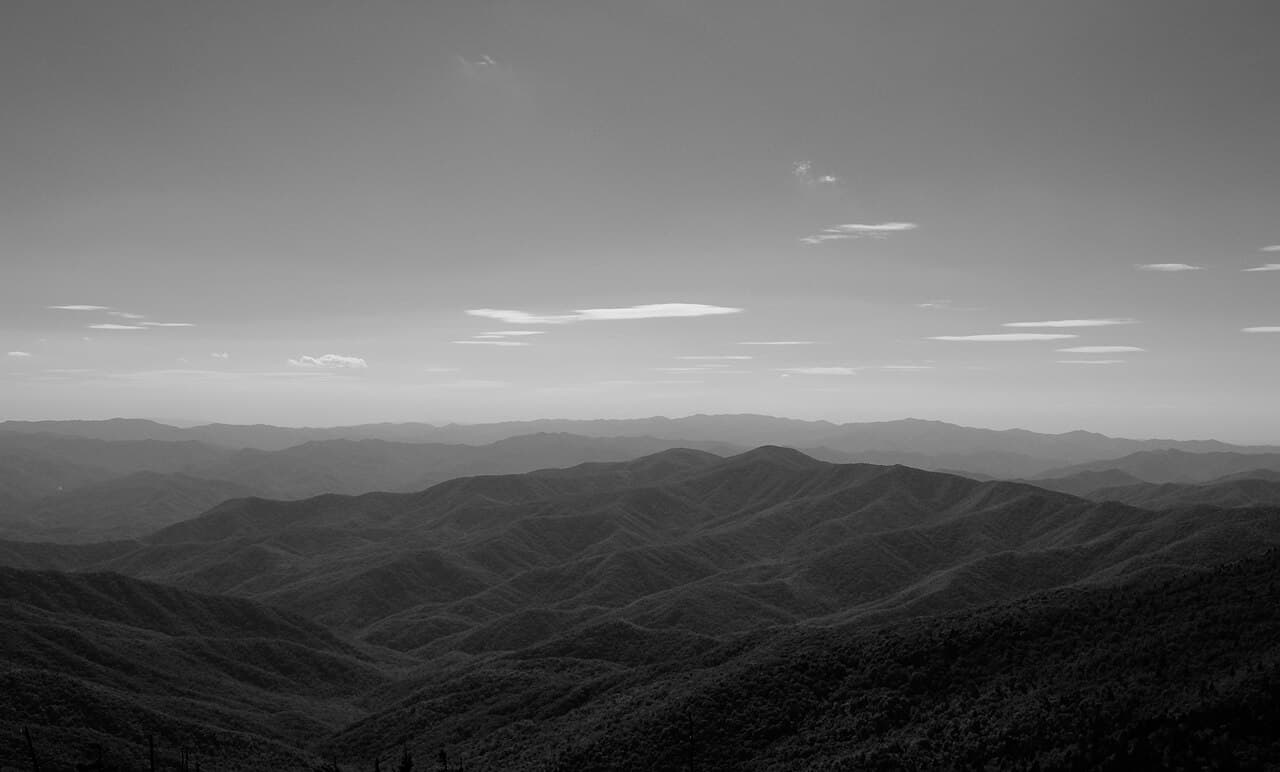
The Great Smoky Mountains reveal themselves in layers: a nearby tree, a wooded ridge, and then another ridge fading into the distance. The broad view is famous, but small details make the park just as rewarding.
Streams, flowers, historic buildings, and signs of wildlife connect the scenery with a living mountain environment.
Choose a quieter way to see the ridges
Begin with a viewpoint and one suitable walk rather than a long day spent driving between stops. Allow time to notice how the forest changes with elevation and the season.
The official park website provides area guides, current roads, trails, and parking information. Check what applies to your dates.
Learn from historic places
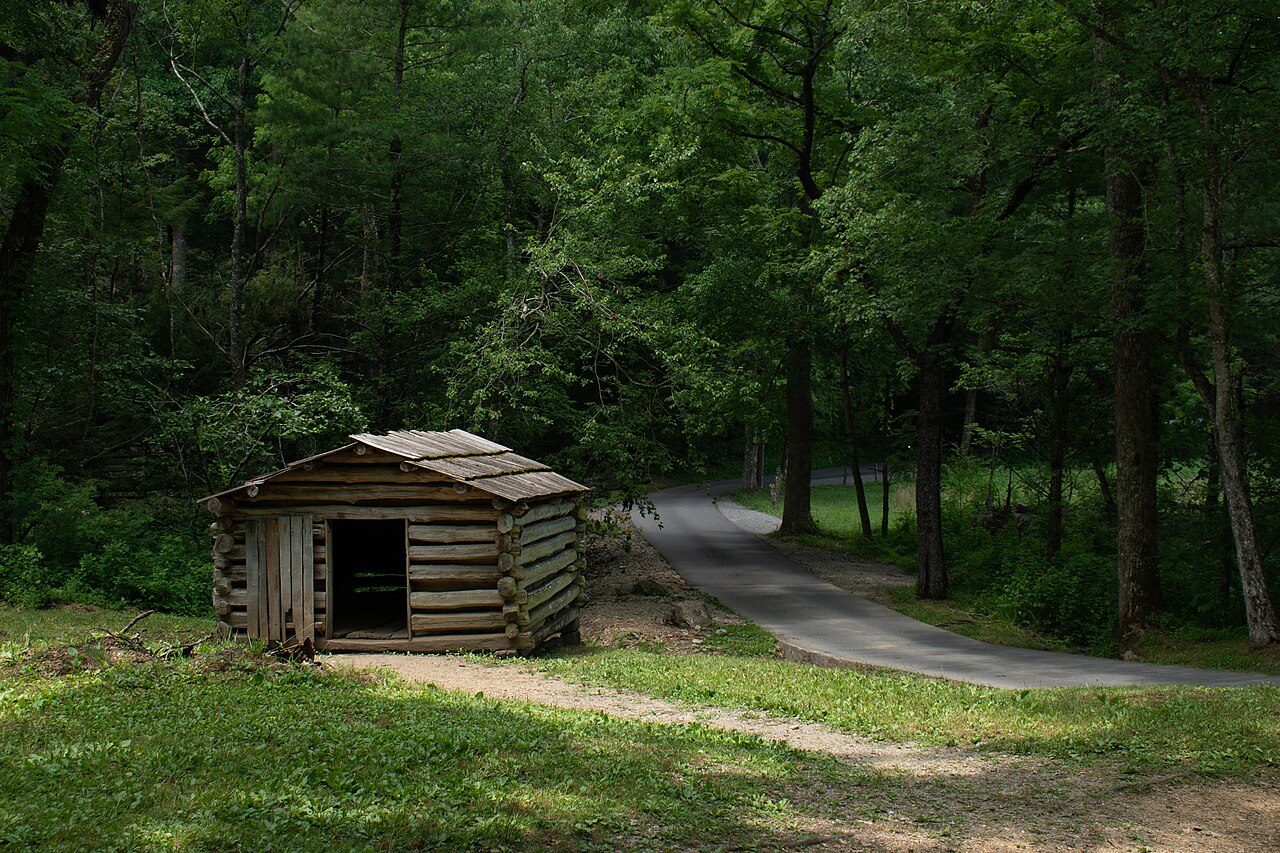
Cabins and farm landscapes preserve part of the region’s human story. Use interpretation to understand daily life rather than treating buildings only as picturesque subjects.
Also make room for Cherokee history and continuing connections to the mountains. The landscape’s story did not begin with settlers or national park protection.
Notice the forest close up
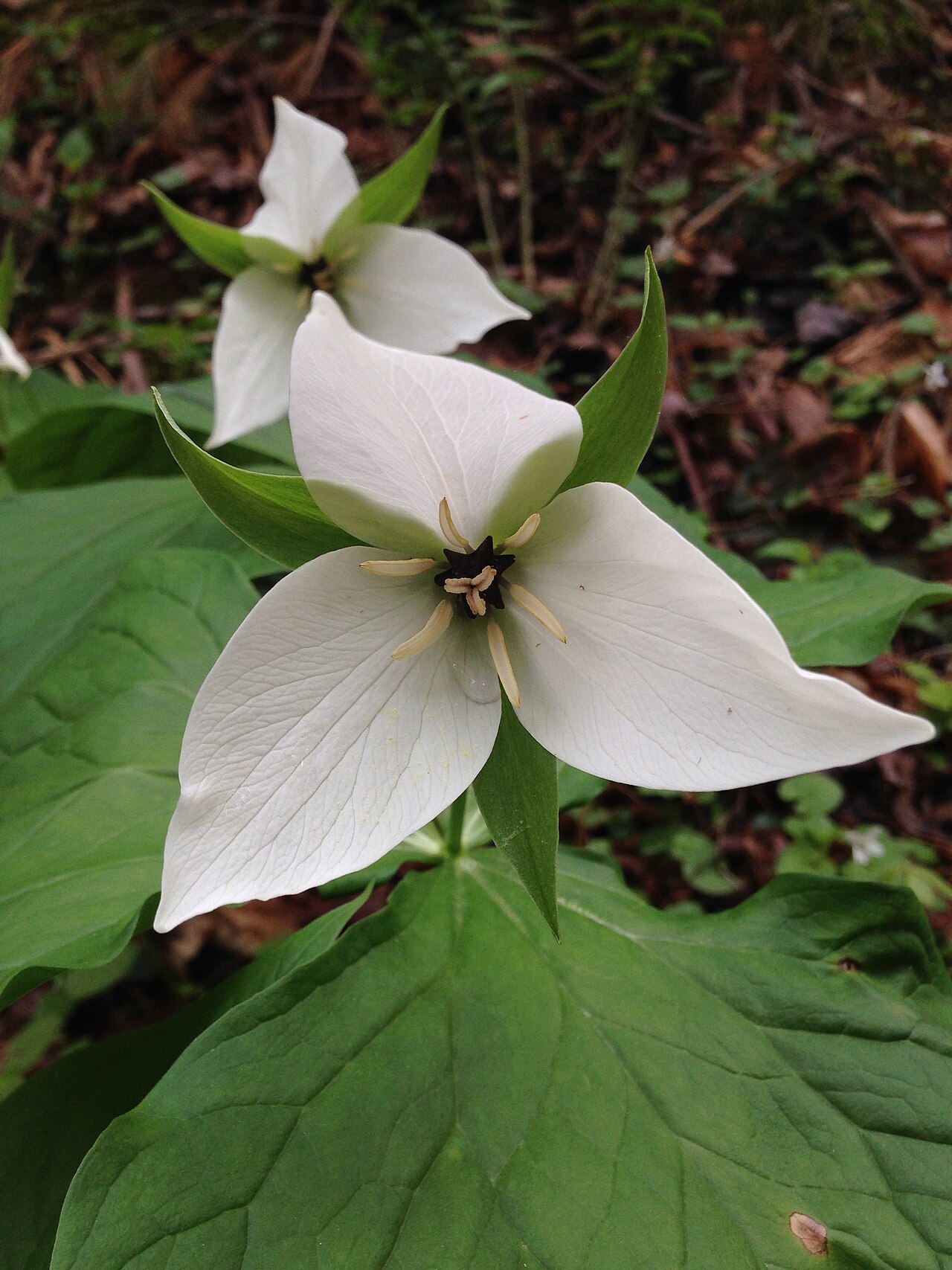
Flowers and understory plants can reward a slow walk, while streams reveal another part of the mountain system. Seasonal changes affect what you may see.
Leave flowers where they grow and remain on established routes. A short trail can provide plenty of discoveries without a strenuous climb.
Prepare for wildlife and mountain weather
Observe animals from the distances required by the park and follow food-storage rules. Never approach a bear or create a crowd around wildlife.
Check conditions, carry water and layers, and choose a route within your ability. Wet surfaces and changing weather deserve attention even on popular walks.
The Smokies offer more than a view from a car window. Give a forest path or a historic site your attention, and the mountains become a place of connected natural and human stories.
Part of Visit America’s 100 places to visit in the USA.
Photo credits
Featured image: Black and white view of Great Smoky Mountains National Park. Photo: David Ratledge. Original photograph; CC BY 4.0. Resized for web display.

Body image 1: Historic cabin at Tipton Place in Great Smoky Mountains National Park. Photo: Roc0ast3r. Original photograph; CC0. Resized for web display.

Body image 2: Trillium flower in Great Smoky Mountains National Park. Photo: Fredlyfish4. Original photograph; CC BY-SA 3.0. Resized for web display.
