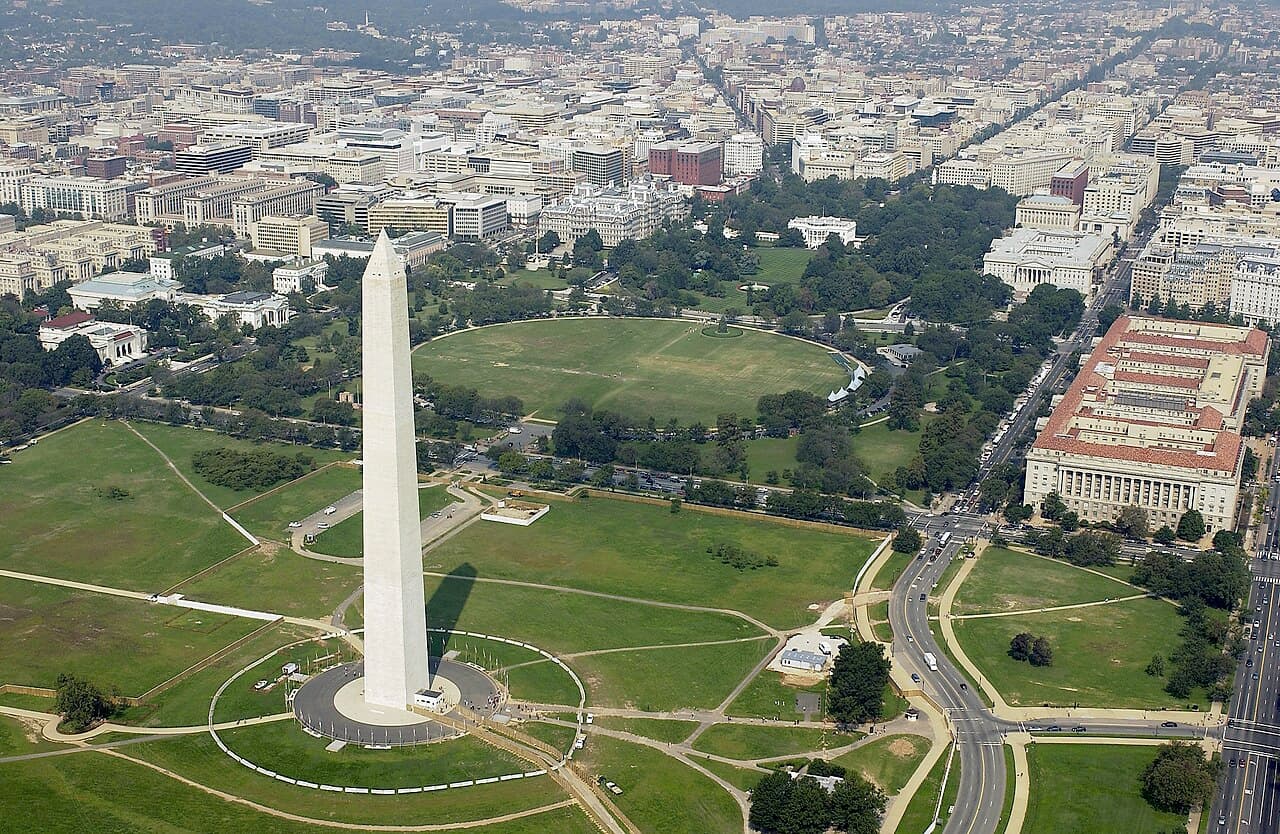
Washington, D.C.’s best-known monuments stand among broad lawns, paths, and trees. That setting makes a visit to the nation’s capital as much a walk through public space as a journey through American history.
The scale can be surprising. Landmarks that seem close together on a map may require a substantial walk, so a focused plan helps you appreciate what each place means.
Walk a smaller part of the National Mall
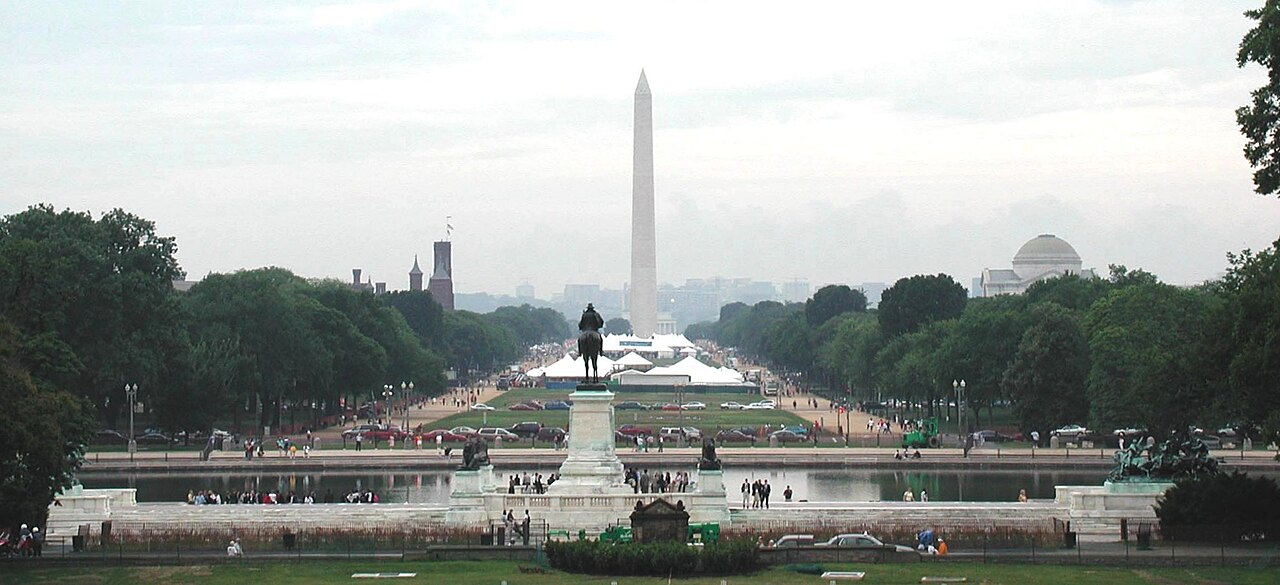
Choose a few memorials connected by a comfortable route. Read the inscriptions and exhibits rather than treating the buildings only as photo stops.
The National Mall and Memorial Parks website explains individual sites and visitor arrangements. Learning whose lives and events are remembered adds depth to the landscape.
Give museums the time they deserve
The Smithsonian’s museums cover subjects ranging from art and science to American communities and cultures. Pick one or two that fit your interests and spend real time there.
Admission policies, timed passes, and opening arrangements differ by institution and may change. Check the Smithsonian visitor information before building the day around a particular collection.

Discover the city beyond federal landmarks
Neighborhood streets reveal a capital where people live, work, eat, and make art. Add a local restaurant, a market, or a cultural venue to balance time on the Mall.
Destination DC provides neighborhood guides and current events. Choose an area that connects sensibly with your day’s main stop instead of adding a long cross-city journey.
Make the visit comfortable and considerate
Use transit where practical, check station accessibility if needed, and bring water for outdoor walks. In warm weather, long exposed stretches call for breaks; in cooler weather, conditions beside the open lawns can feel brisk.
Stay out of memorial water features, follow site rules, and respect places where visitors may be reflecting on loss.
Washington is most memorable when its spaces become more than backdrops. A museum object, a name carved in stone, or a quiet pause under a tree can make national history feel human.
Part of Visit America’s 100 places to visit in the USA.
Photo credits
Featured image: Aerial view of the Washington Monument and White House in Washington DC. Photo: U.S. Air Force Tech. Sgt. Andy Dunaway. Original photograph; Public domain. Resized for web display.

Body image 1: National Mall viewed westward from the United States Capitol. Photo: Raul654 at en.wikipedia . Later version(s) were uploaded by Michael Shields at en.wikipedia .. Original photograph; CC BY-SA 3.0. Resized for web display.

Body image 2: Boeing 747 exhibit at the National Air and Space Museum in Washington DC. Photo: Matti Blume. Original photograph; CC BY-SA 4.0. Resized for web display.
