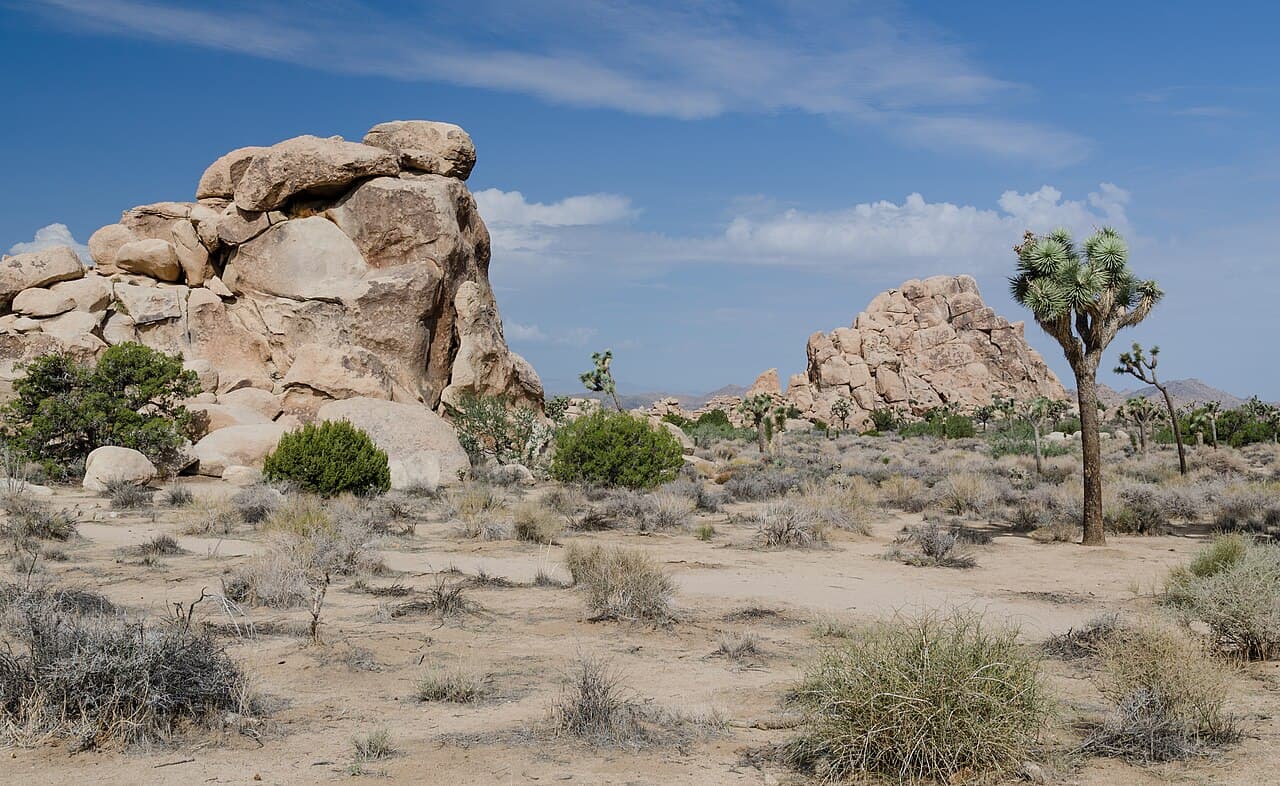
Joshua trees look unlike the trees many travelers know. Their branching forms stand among rounded rock piles, creating a landscape that feels unfamiliar even before you begin to explore.
Joshua Tree National Park is also a meeting place of desert environments. Looking at both plants and stone reveals more than a quick photograph of its namesake.
Begin with the shapes of the landscape
Choose an established viewpoint or short trail and notice the contrast between spiky plants and smooth-looking boulders. The forms invite questions about geology, weathering, and survival in dry conditions.
The official park guide provides information about the desert environments and suitable routes.
Give the rocks time to tell a story
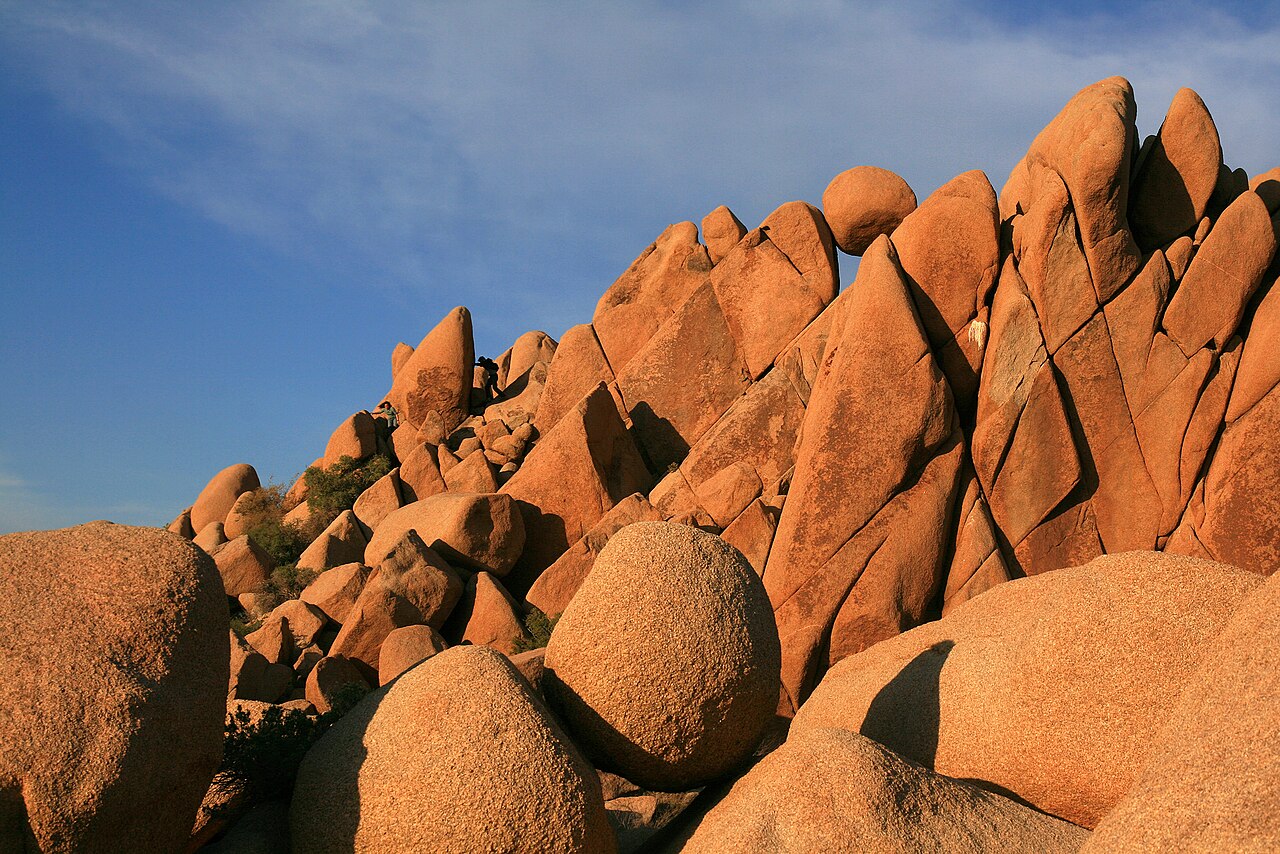
Rounded boulders can look casually piled, but they are part of a geological history involving rock formation, fractures, and weathering.
Seek out interpretation on an established nature trail. A short route with good information can be more revealing than a longer walk without context.
Match outdoor plans to the conditions
Heat and exposure can make modest distances demanding. Carry sufficient water and supplies, check the forecast, and avoid making a strenuous route the centerpiece of a hot day.
Climbing, remote travel, and overnight activities require additional preparation and may involve specific restrictions. Check current official guidance.
Protect the desert’s less obvious life
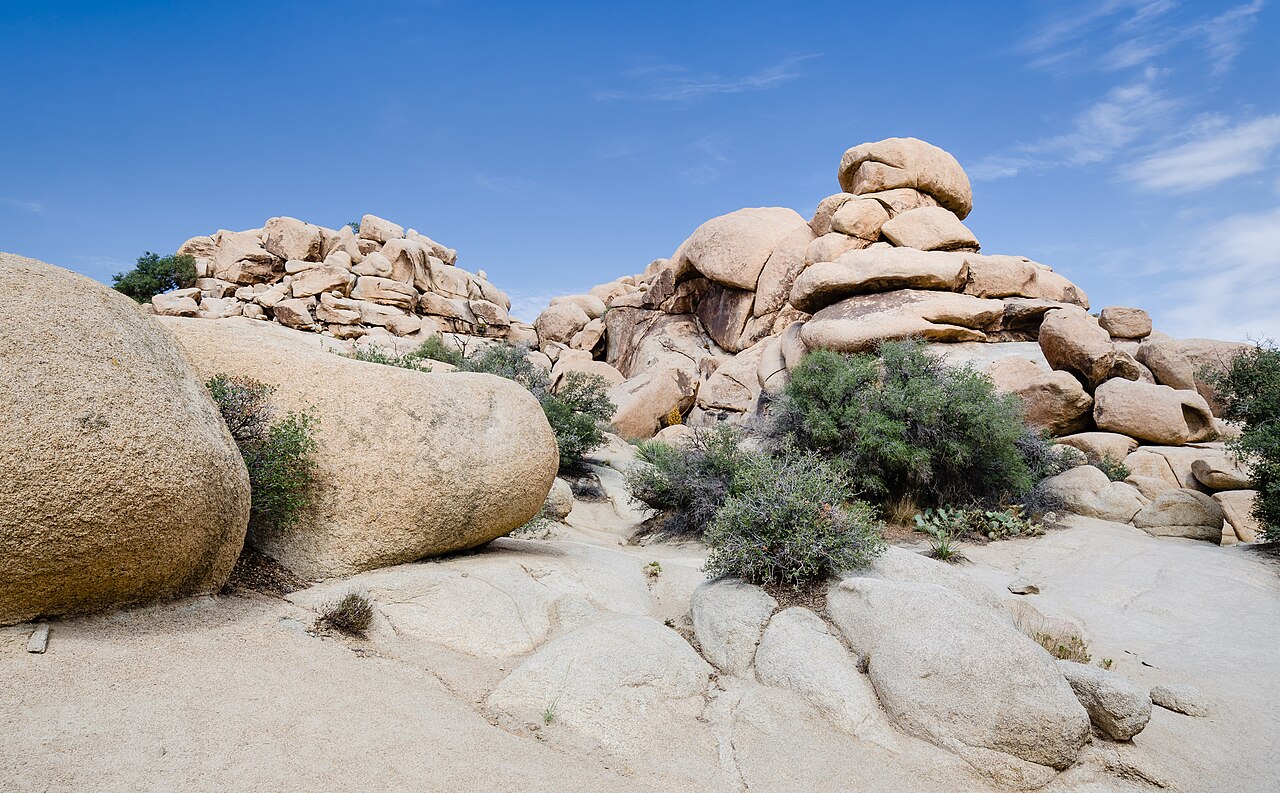
Stay on marked paths and durable surfaces. The ground between visible plants can contain sensitive biological communities.
Do not damage Joshua trees, move natural objects, or mark rock. Observe animals from a distance and follow food-storage and waste rules.
The park becomes more interesting when you stop looking only for an unusual tree. The rocks, open spaces, and small signs of life all reveal how a desert works—and why careful footsteps matter.
Part of Visit America’s 100 places to visit in the USA.
Photo credits
Featured image: Joshua trees and boulders in Joshua Tree National Park. Photo: Tuxyso. Original photograph; CC BY-SA 3.0. Resized for web display.

Body image 1: Rounded boulder formations in Joshua Tree National Park. Photo: Brocken Inaglory. Original photograph; CC BY-SA 3.0. Resized for web display.

Body image 2: Rock formations near Barker Dam in Joshua Tree National Park. Photo: Tuxyso. Original photograph; CC BY-SA 3.0. Resized for web display.
