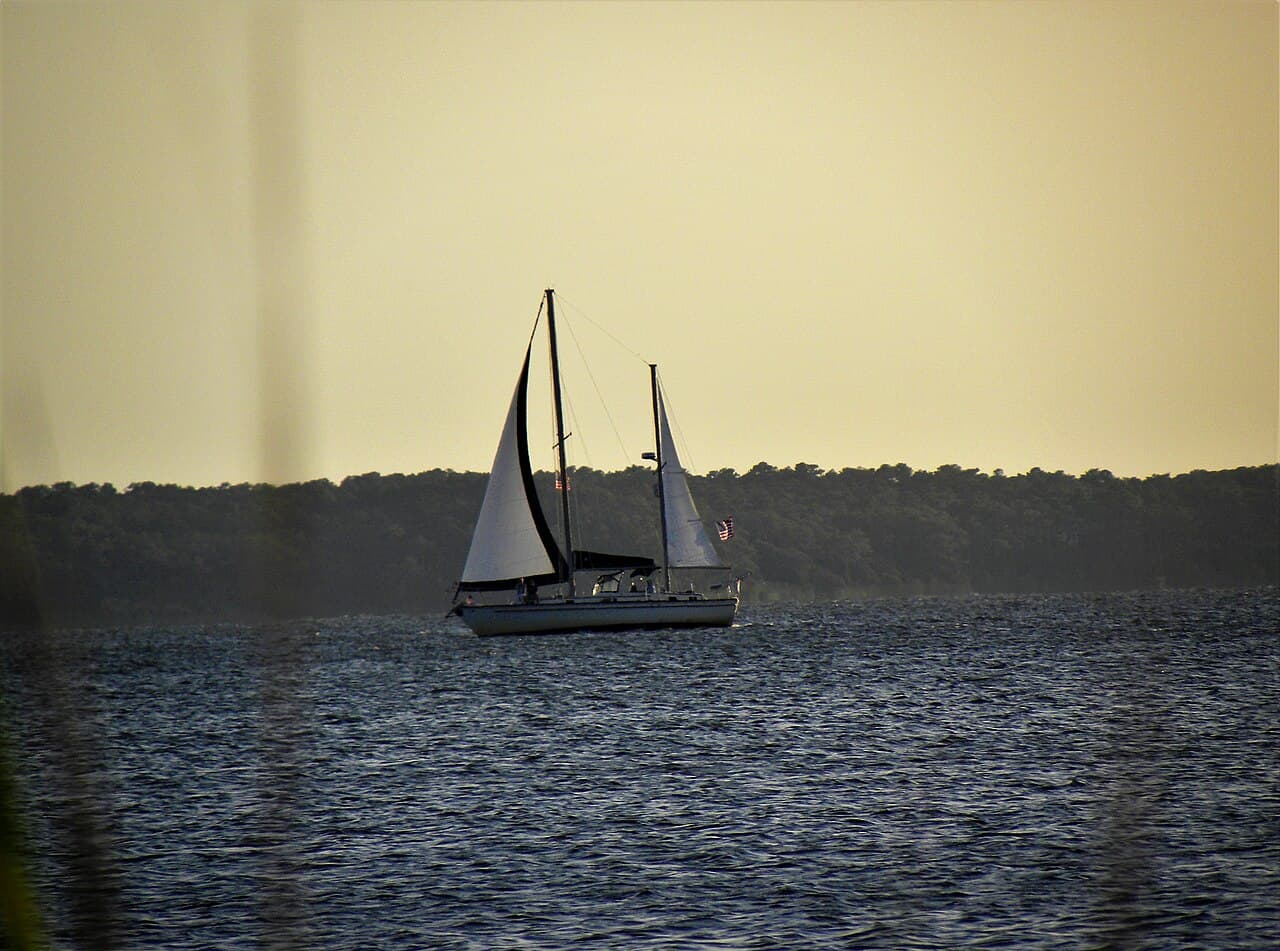
The Outer Banks are barrier islands, with the Atlantic on one side and sounds on the other. Those two settings create different landscapes, light, and recreation opportunities within the same coastal region.
The islands are also dynamic. Weather, waves, and changing sand help explain why careful planning and conservation matter here.
Choose a stretch of coast to know
Select a town or area as your base and explore nearby places before adding long drives. The region is not a single compact resort.
The official Outer Banks visitor guide provides community information, activities, and current local resources.
Look toward the sounds as well as the ocean
Sound-side views offer a different perspective from an Atlantic beach. A quiet public access point can reveal boats, marsh edges, and broad skies.
Paddling and boating require attention to wind, water conditions, and your experience. Do not assume sheltered-looking water is automatically easy.
Plan around real coastal weather
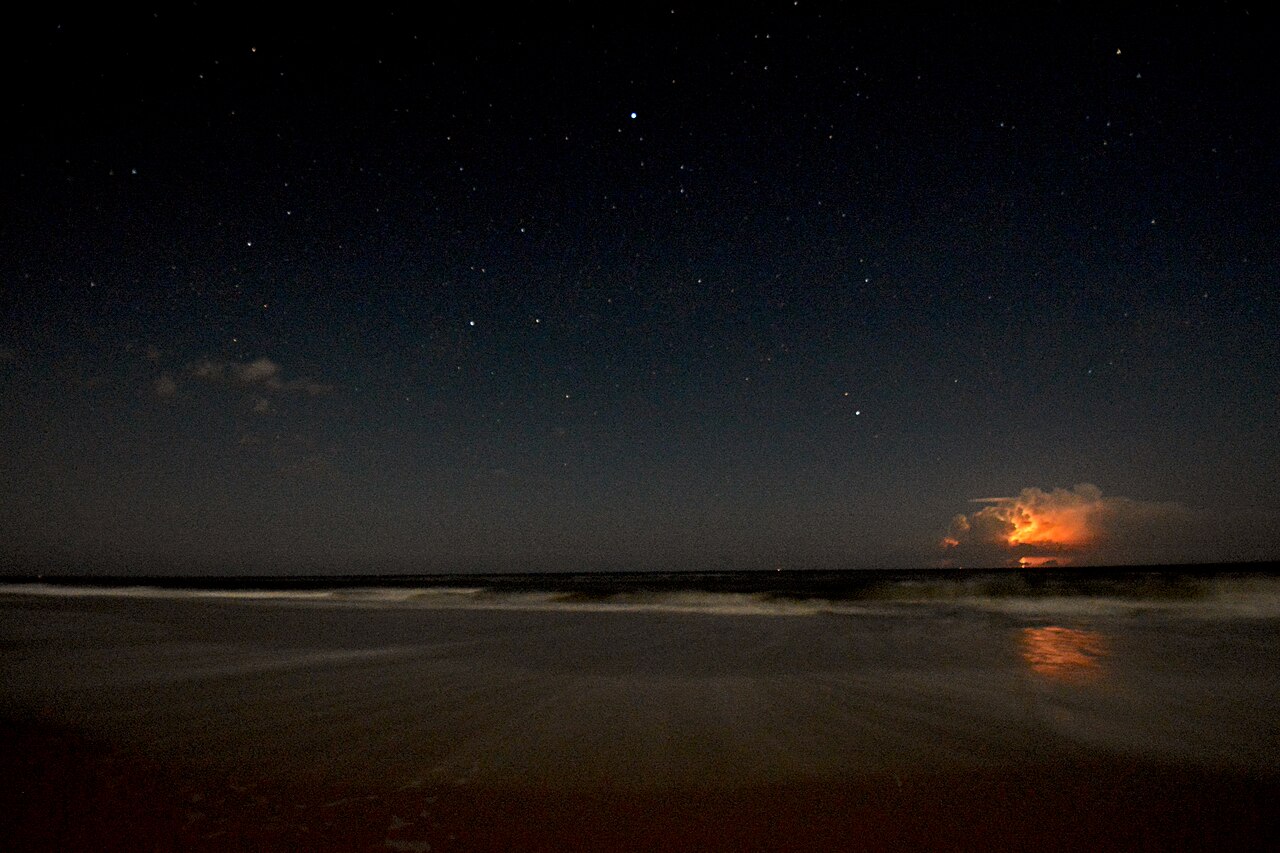
Storms are part of the region’s story, but a dramatic historical photograph is not a forecast. Check current official weather and road guidance before traveling.
Keep an indoor alternative and avoid relying on a tightly connected sequence of outdoor activities.
Learn from maritime history
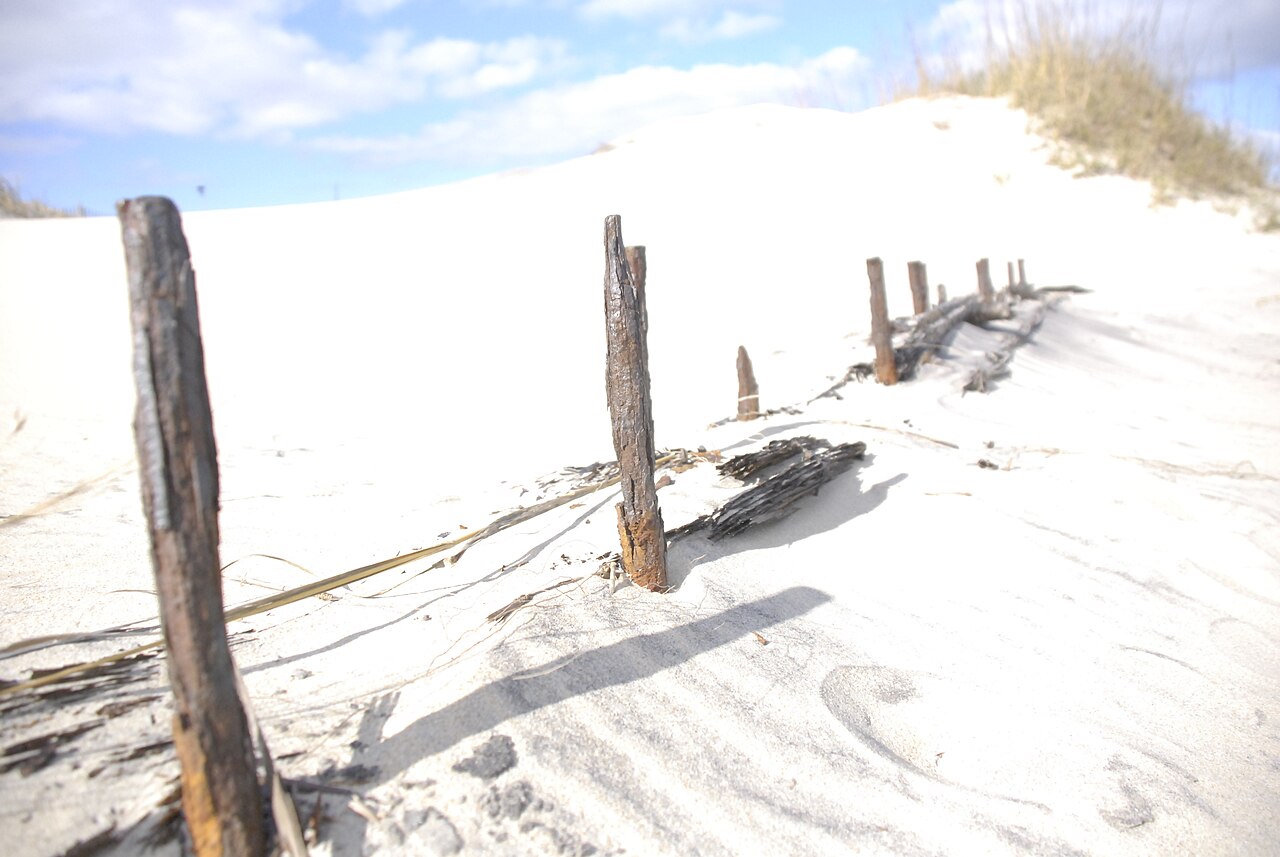
Lighthouses, historic sites, and shipwreck interpretation connect the scenery to navigation and life at sea. The Cape Hatteras National Seashore website is a useful official planning resource.
Leave historic remains and natural objects undisturbed. Follow current access rules rather than using an old photograph to locate an unrestricted route.
Protect dunes, respect wildlife closures, and use authorized beach access. Check swimming guidance for the specific place and day.
The Outer Banks reward an understanding of movement. Water, weather, people, and sand have always shaped these islands, making a careful visit more meaningful than a beach view alone.
Part of Visit America’s 100 places to visit in the USA.
Photo credits
Featured image: Sailboat on the sound side of the Outer Banks. Photo: Mathieu Landretti. Original photograph; CC BY-SA 4.0. Resized for web display.

Body image 1: Lightning during a nighttime storm at Salvo in the Outer Banks. Photo: Hannah.mishin. Original photograph; CC BY-SA 4.0. Resized for web display.

Body image 2: Remains of the Laura A Barnes shipwreck near Nags Head. Photo: Jarek Tuszyński. Original photograph; CC BY-SA 3.0. Resized for web display.
