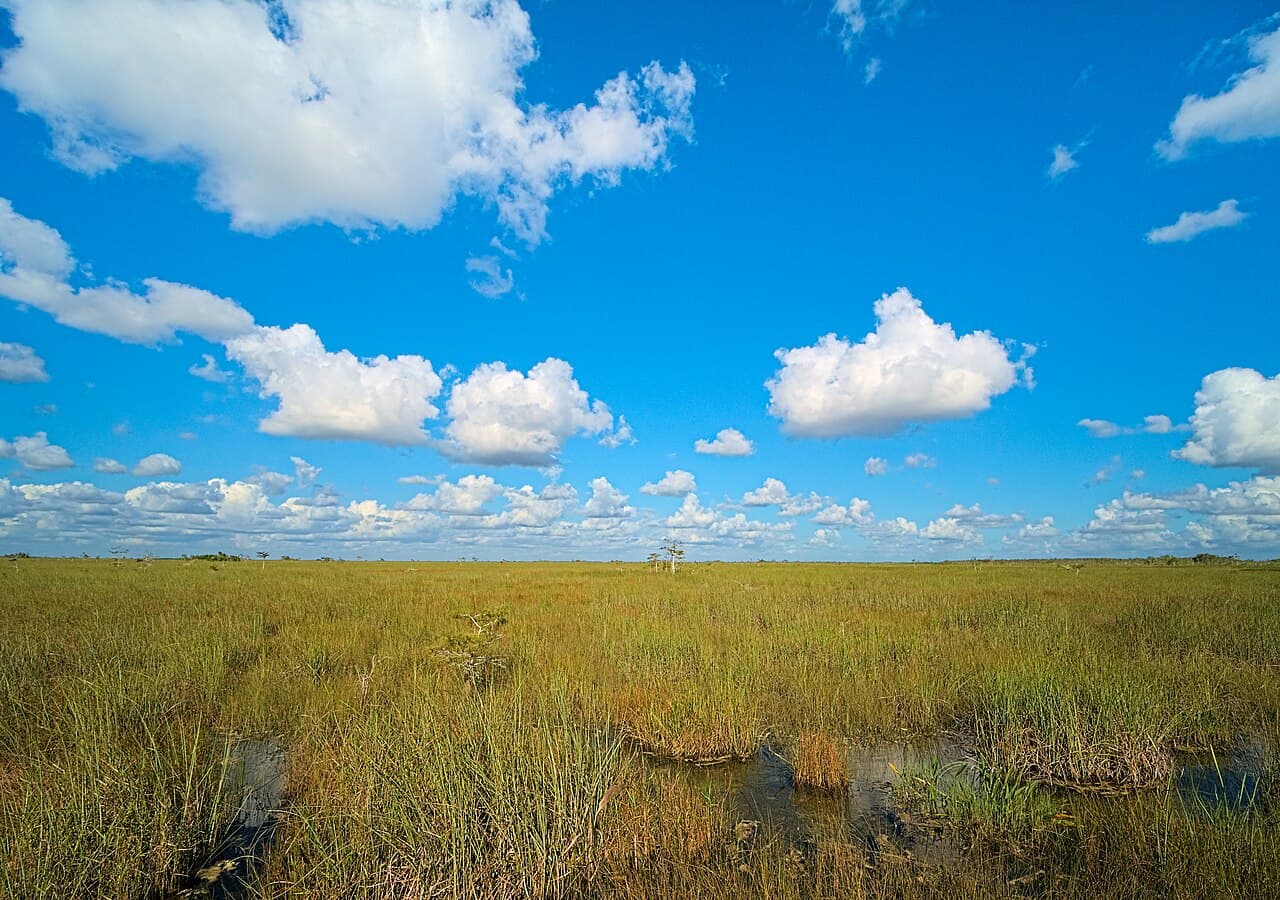
The Everglades is not a single swamp. It protects wetland, forest, and marine habitats whose health depends on water moving through a connected landscape.
That makes a visit a chance to understand an ecosystem, not simply to look for one famous animal. The quiet details can be just as revealing as an alligator sighting.
Start with an established viewing route
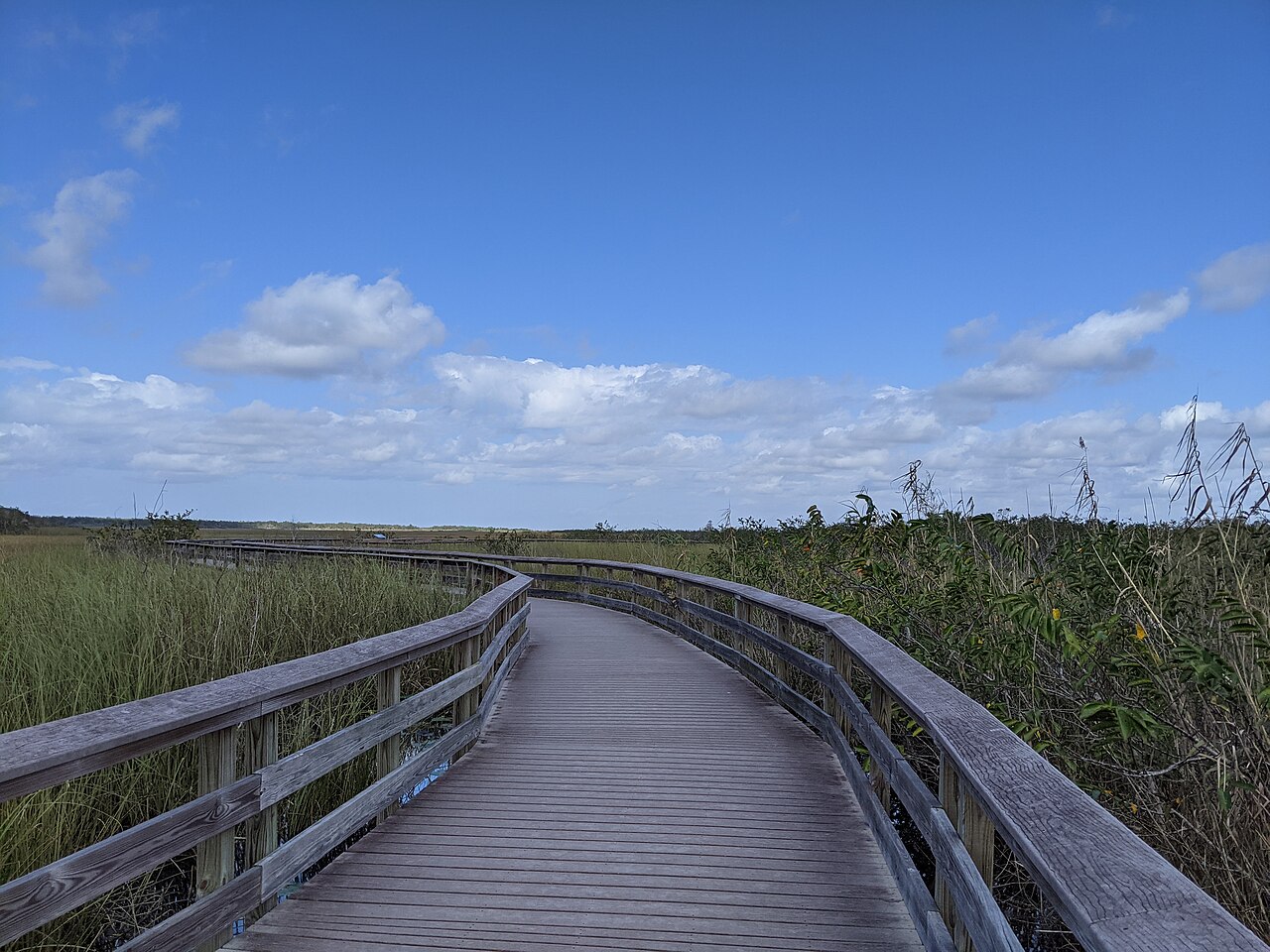
A boardwalk or suitable trail can bring visitors close to wetland habitats without trampling them. Notice changes in vegetation and the relationship between open water and plants.
The official Everglades website explains the park’s different areas and current visiting options.
Watch wildlife without interrupting it
Birds, fish, reptiles, and other animals use these habitats in different ways. Bring binoculars, move patiently, and accept that wildlife sightings are never guaranteed.
Do not feed animals or move closer for a better photograph. Follow posted distances and the park’s guidance around both land and water.
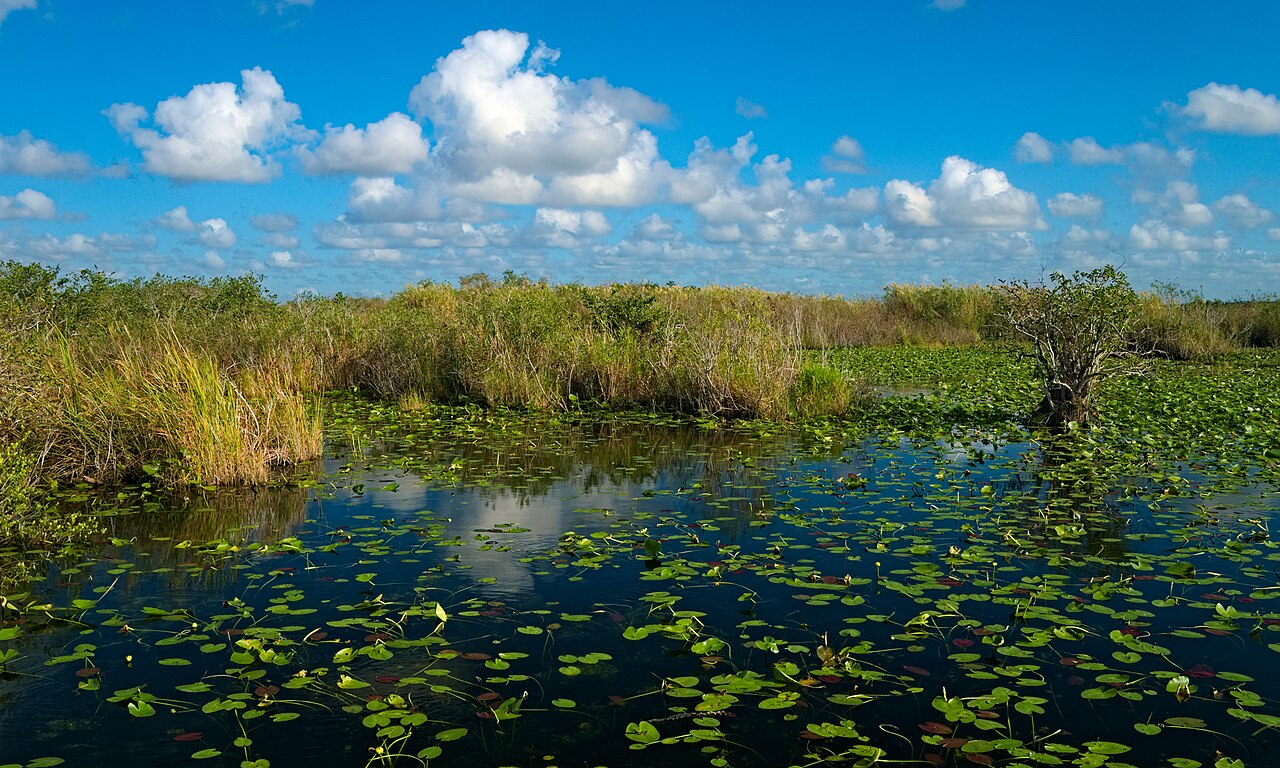
Learn why restoration matters
Water quantity, quality, and timing affect the Everglades. Changes outside the park can influence conditions inside it, which is why restoration involves a wider region.
Ranger interpretation and official science resources help explain those connections. Once you understand them, an ordinary-looking stretch of marsh becomes a much more meaningful view.
Choose an outing for the season
Heat, rain, insects, and water levels can affect walking and paddling. Check current conditions and choose clothing and supplies accordingly.
Guided water activities require an operator and route suited to your experience. A boat outing and a short boardwalk walk are different undertakings.
Stay on designated paths, keep waste out of the water, and leave plants and animals undisturbed.
The Everglades rewards patient observation. Watch a bird feed or notice a shift in the vegetation, and the landscape begins to reveal how much depends on the movement of water.
Part of Visit America’s 100 places to visit in the USA.
Photo credits
Featured image: Sawgrass and shallow water at Pa Hay Okee in the Everglades. Photo: Daniel Kraft. Original photograph; CC BY-SA 3.0. Resized for web display.

Body image 1: Water lilies and wetland habitat beside the Anhinga Trail. Photo: Daniel Kraft. Original photograph; CC BY-SA 3.0. Resized for web display.

Body image 2: Raised pathway through Everglades National Park. Photo: LittleOrphanDani. Original photograph; CC BY-SA 4.0. Resized for web display.
