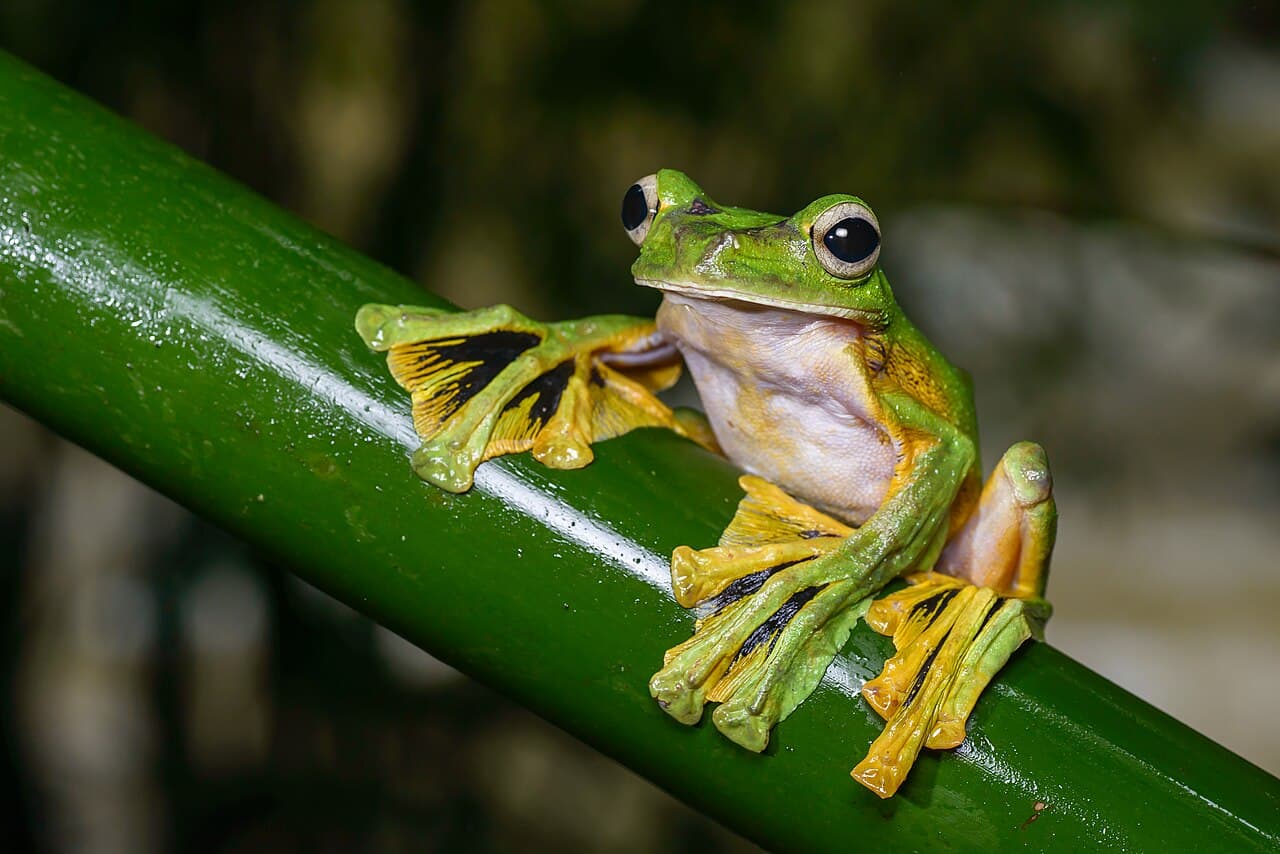
Wallace's Flying Frog: How Webbed Feet Become Gliding Gear
Discover how Wallace's flying frog uses broad webbing to glide, why its feet are so striking, and how it breeds above forest pools.

Discover how Wallace's flying frog uses broad webbing to glide, why its feet are so striking, and how it breeds above forest pools.

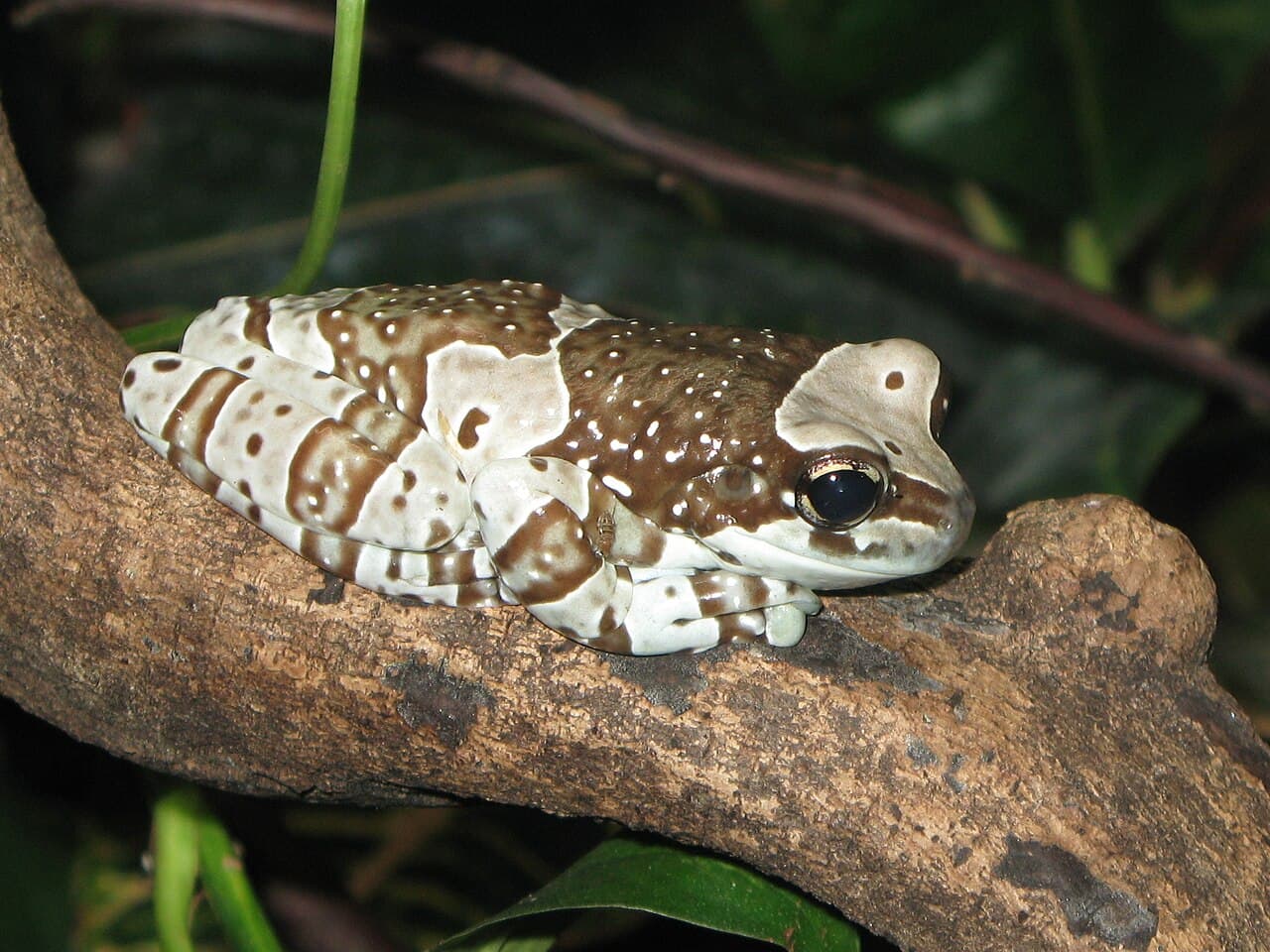
Learn why the Amazon milk frog has its unusual name, how it climbs rainforest vegetation, and what makes its patterned skin so distinctive.

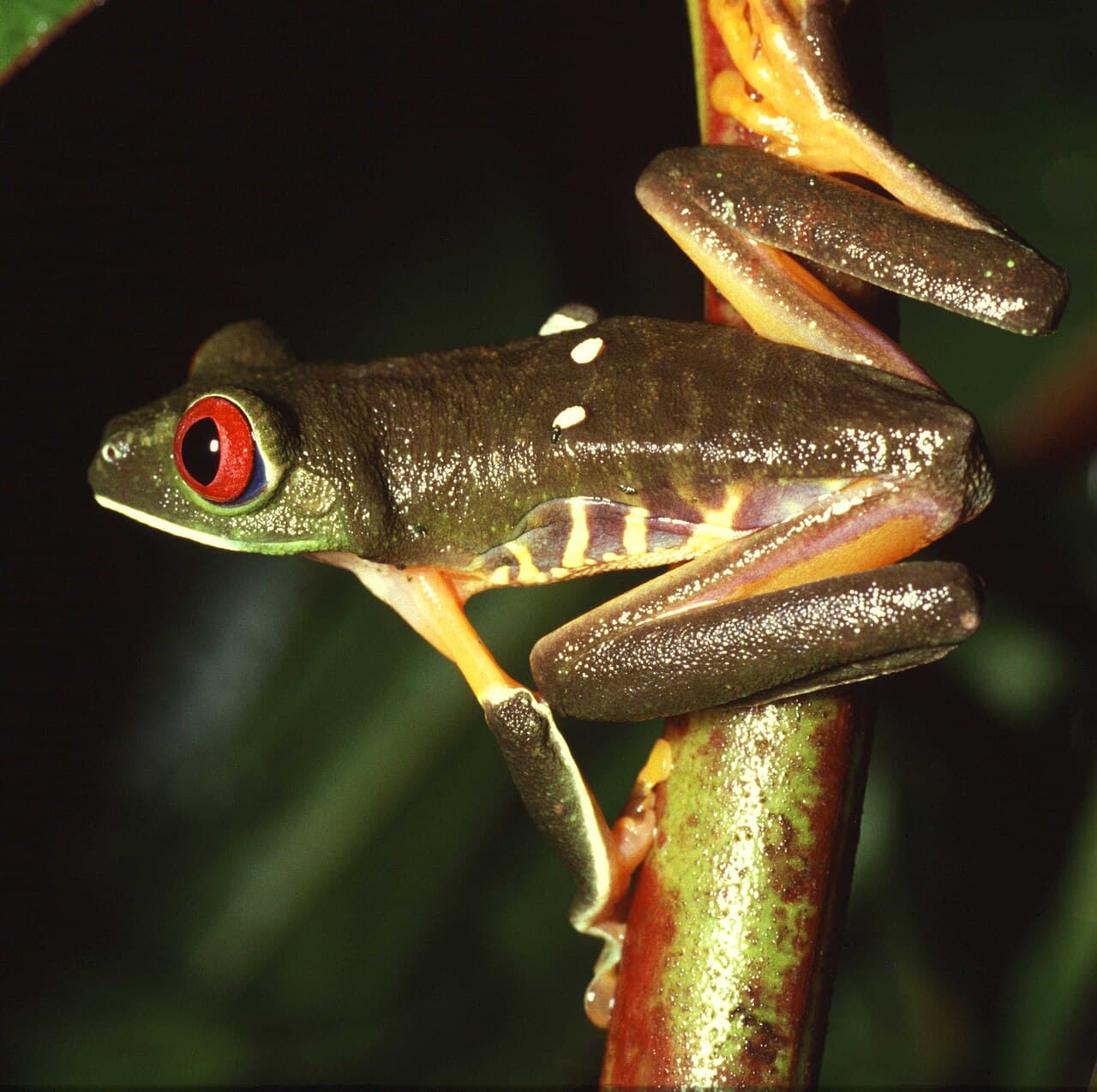
Meet the red-eyed tree frog, from its orange feet and vivid eyes to embryos that can hatch early when danger threatens their eggs.

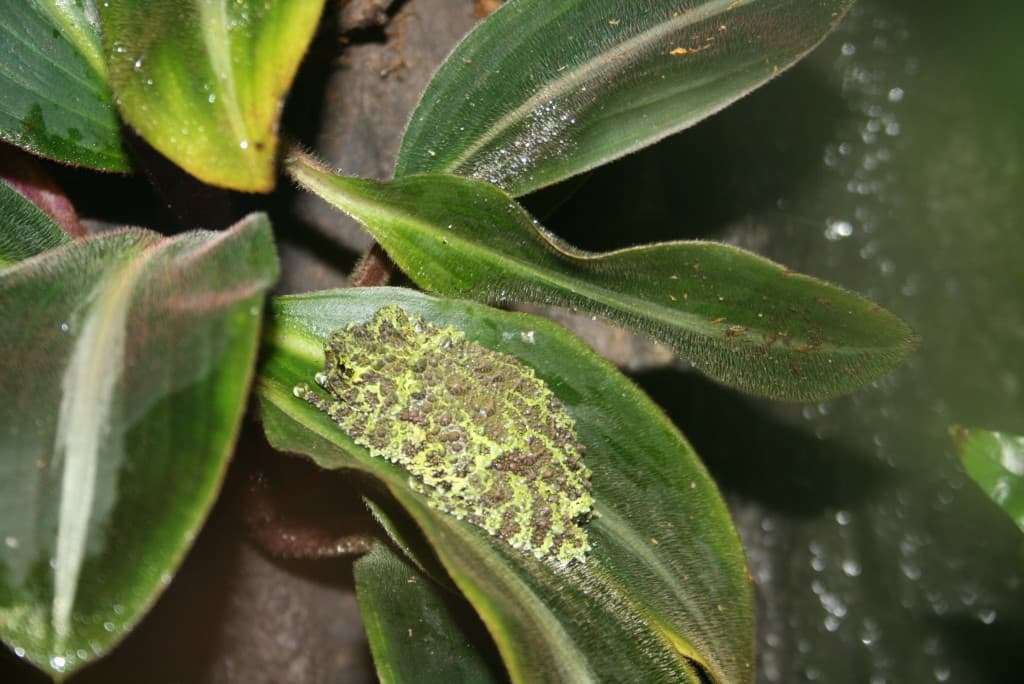
Discover how the Vietnamese mossy frog's bumpy green-and-black skin helps it blend in, and explore its rocky, water-filled forest habitat.

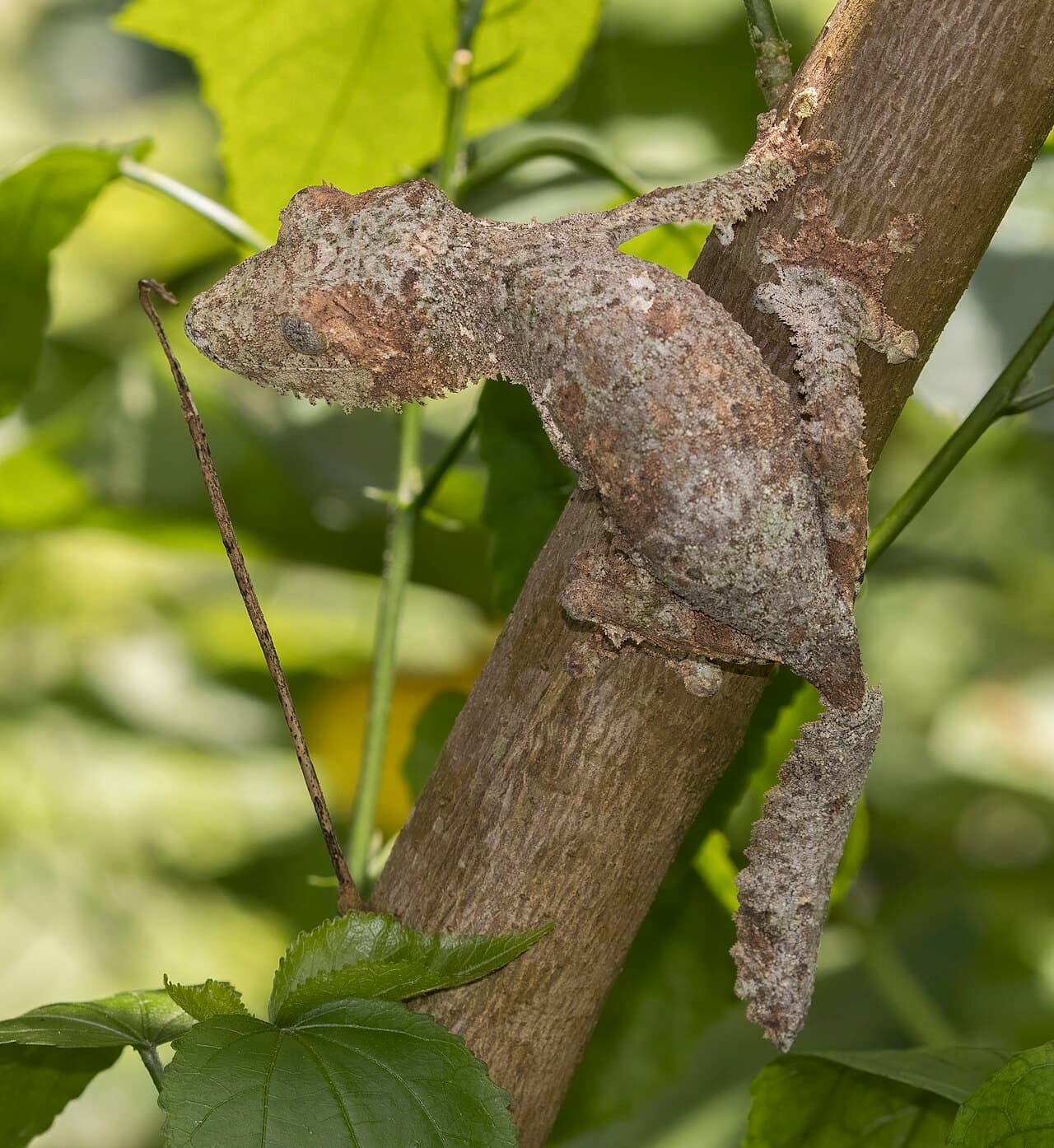
Meet Madagascar's mossy leaf-tailed gecko and explore how its mottled skin, flattened outline, and forest habitat make it so hard to see.

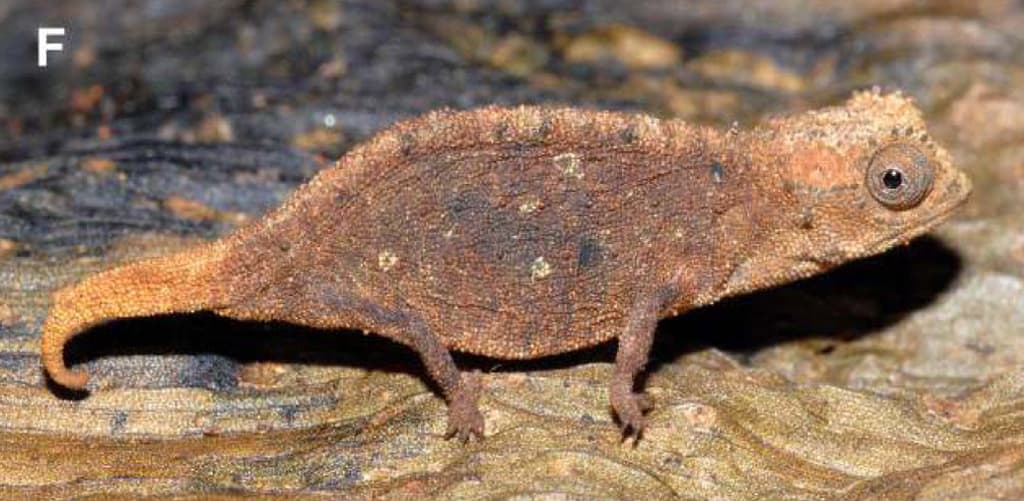
Discover Brookesia micra, the tiny Nosy Hara chameleon whose small size and restricted island habitat reveal a remarkable side of Madagascar.

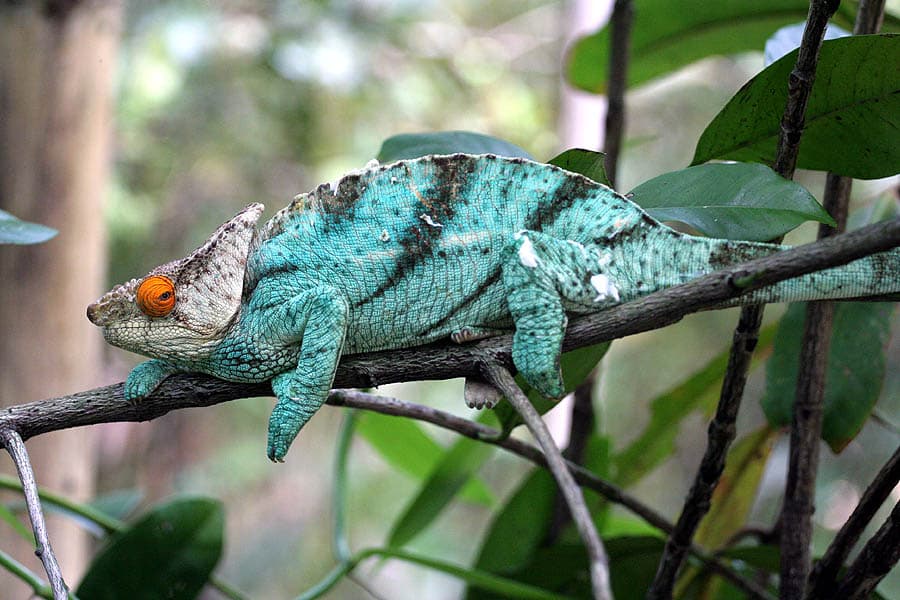
Meet Parson's chameleon, one of the largest chameleons, with gripping feet, a powerful tail, and a life tied to Madagascar's forests.

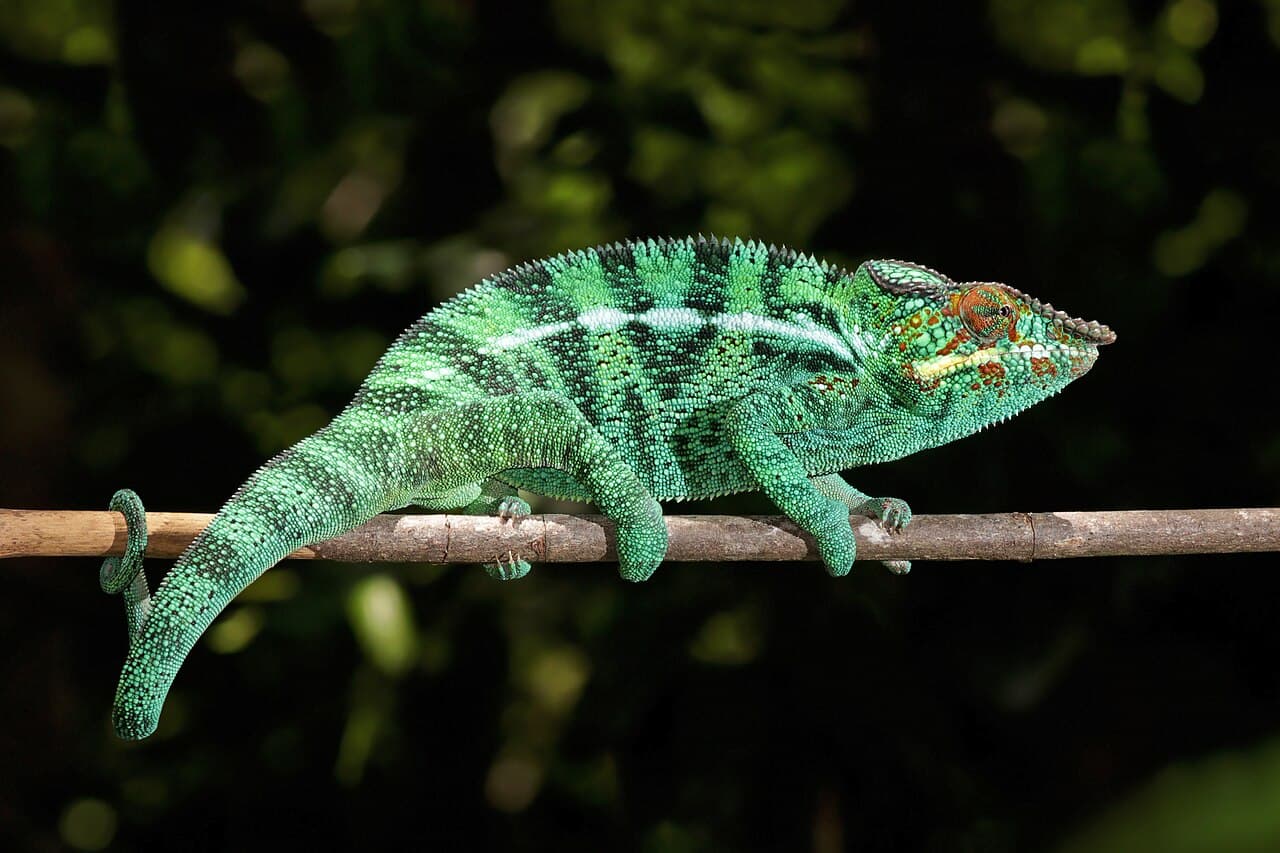
Discover how tiny crystals help panther chameleons change color, why males and females look different, and what their colors can signal.

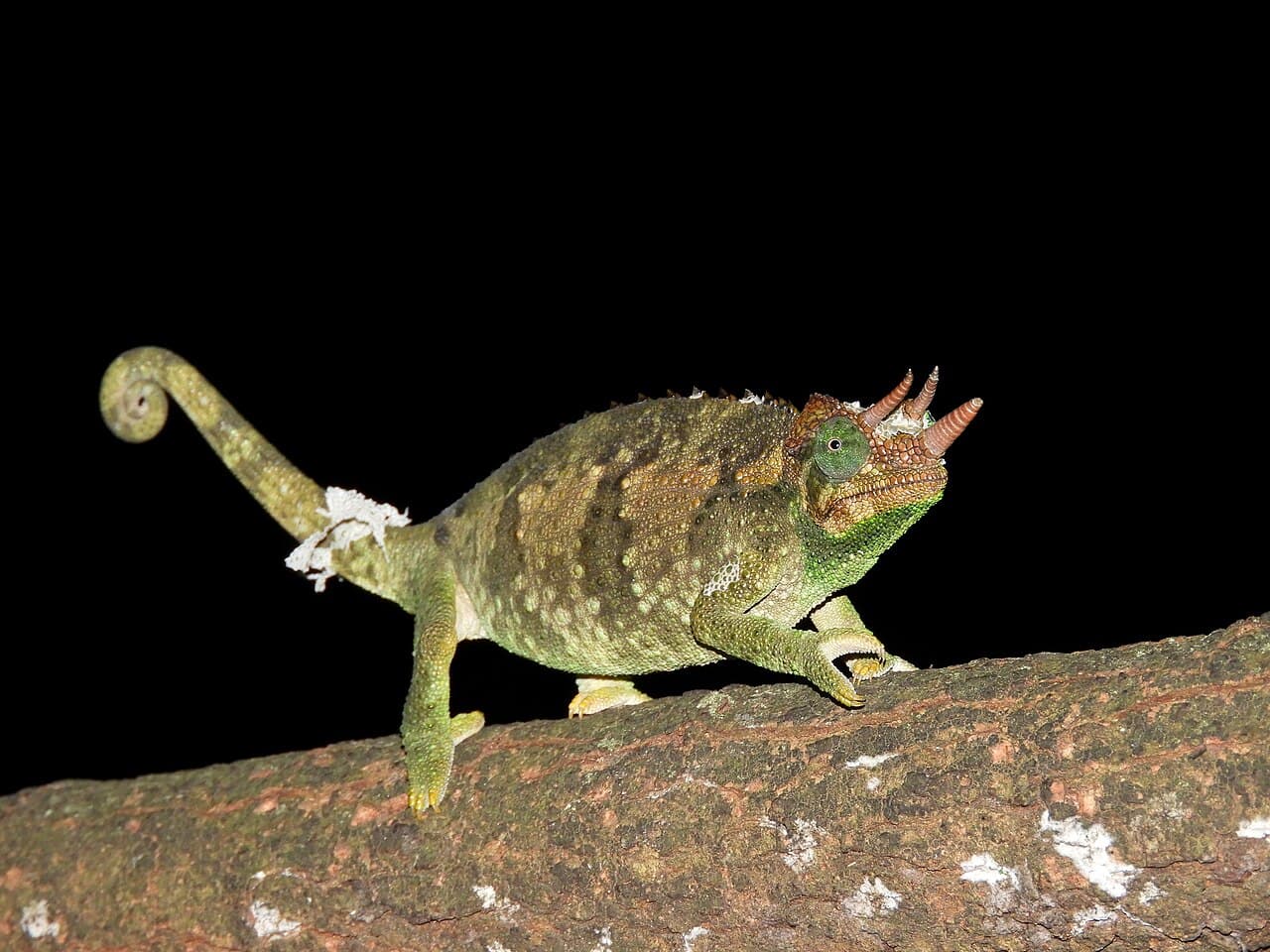
Meet Jackson's chameleon, an East African reptile known for its three-horned males, gripping feet, curled tail, and live-born young.

The stars, viral names and one-hit wonders readers keep searching for — and where they are today.
See the full list
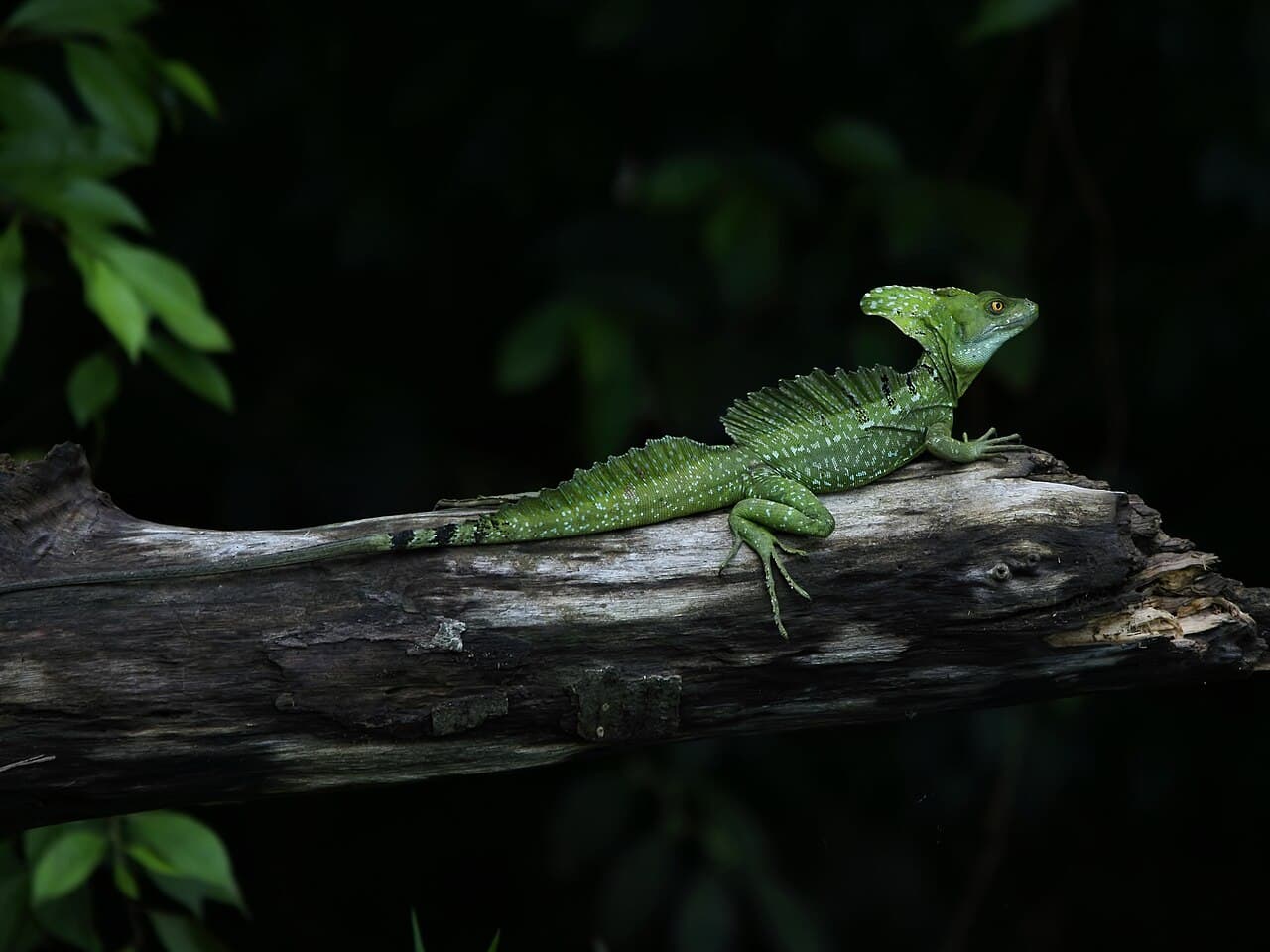
Explore how the plumed basilisk uses fast steps and specialized feet to cross water, and meet the crested lizard behind the famous feat.

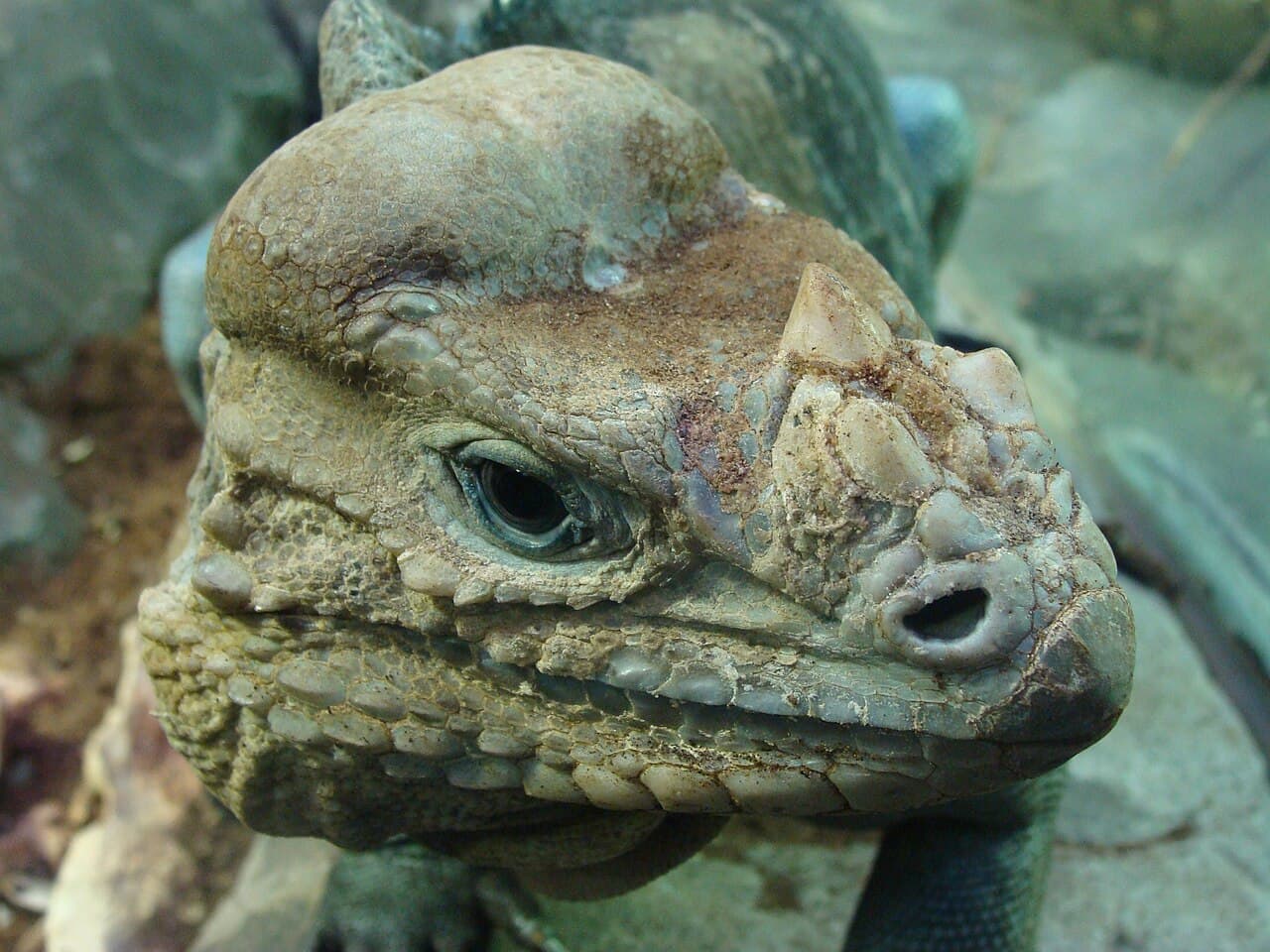
Discover the rhinoceros iguana, a sturdy Caribbean reptile with a horned snout, a largely plant-based diet, and an important island home.

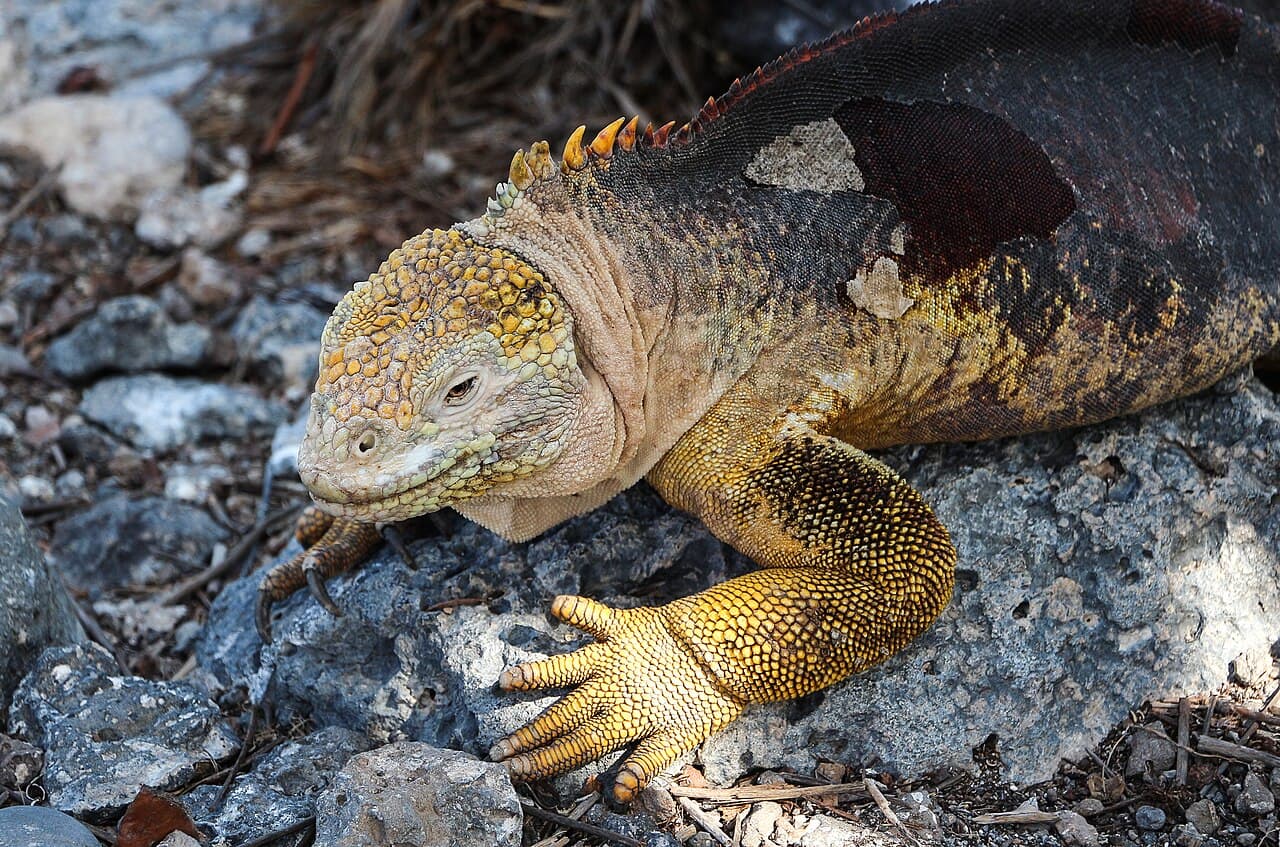
Meet the yellow-brown Galápagos land iguana and learn how cactus food, island habitats, and conservation shape its life.

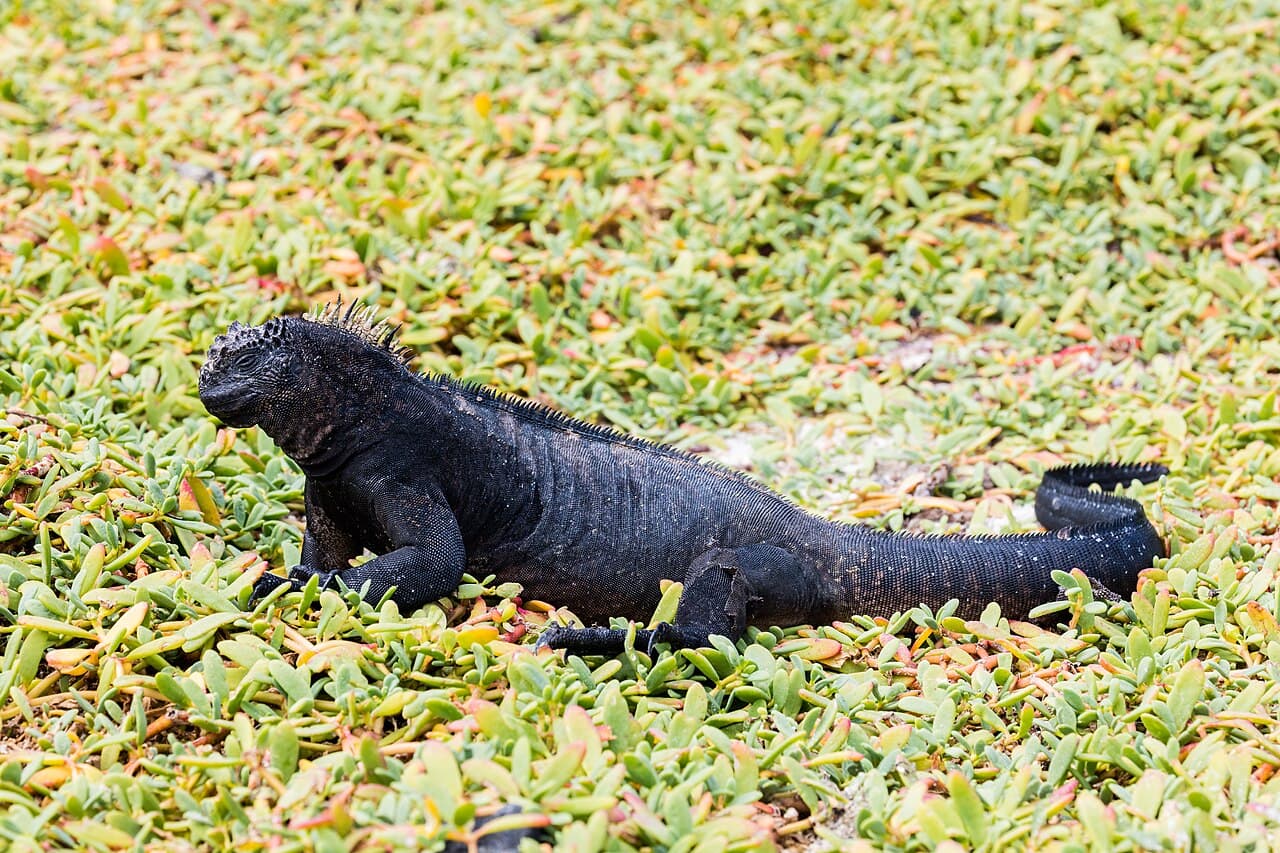
Discover how Galápagos marine iguanas feed on algae, cope with cold seawater, and depend on healthy coastal ecosystems.

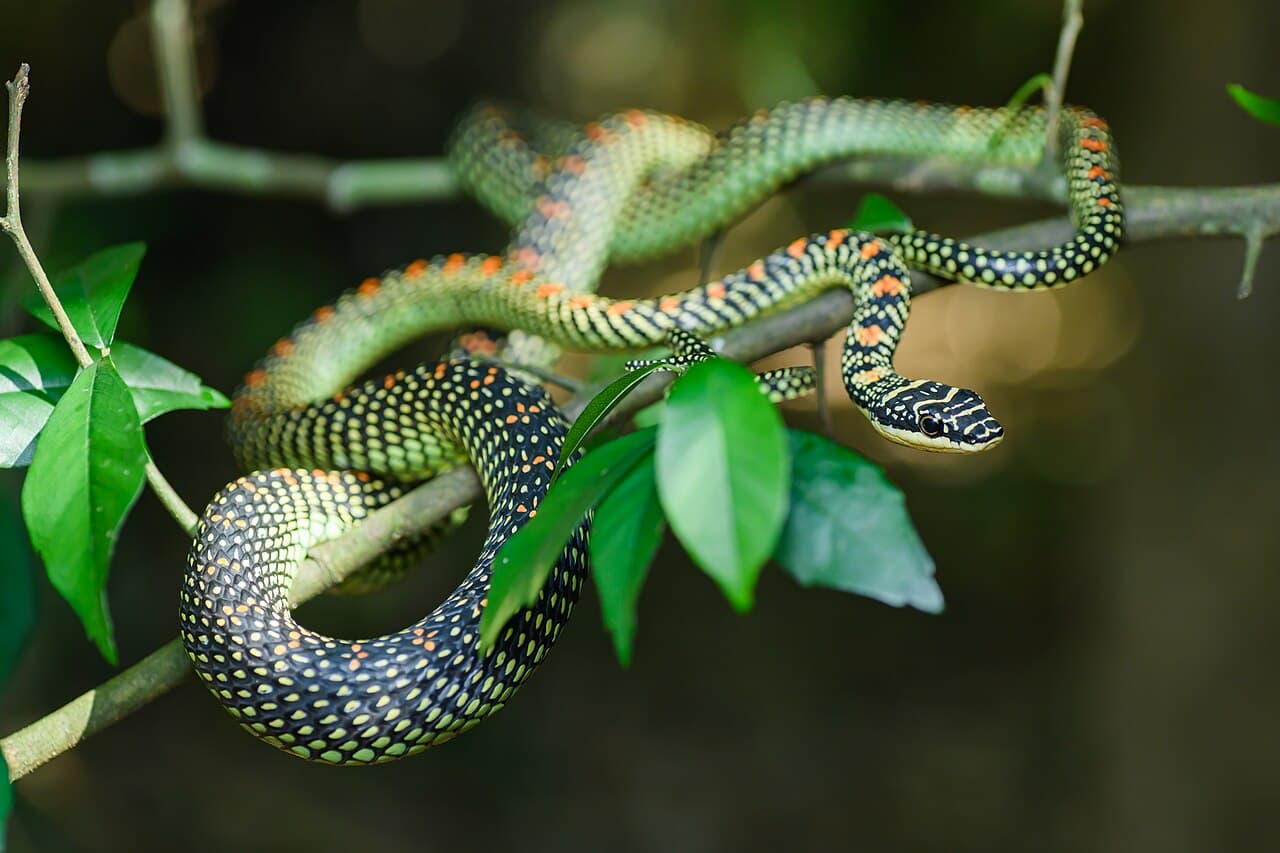
Learn how the paradise flying snake changes its body shape and undulates in the air to glide between forest perches without wings.

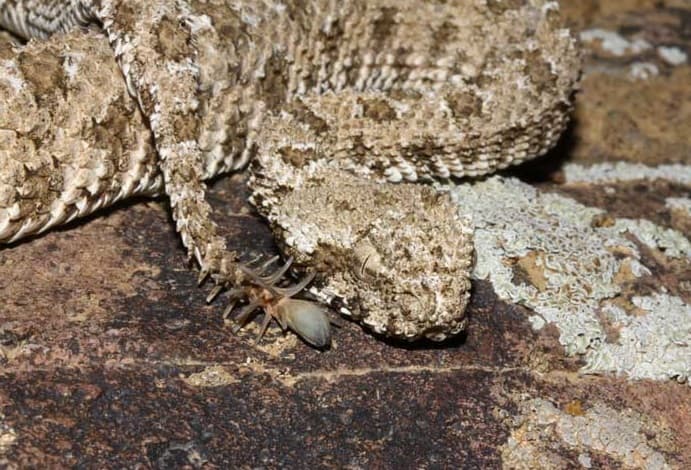
Meet Iran's spider-tailed horned viper, whose tail tip resembles a spider and moves as a lure while its body blends with rocky ground.