Voyager 1 Will Reach One Light-Day From Earth on November 18
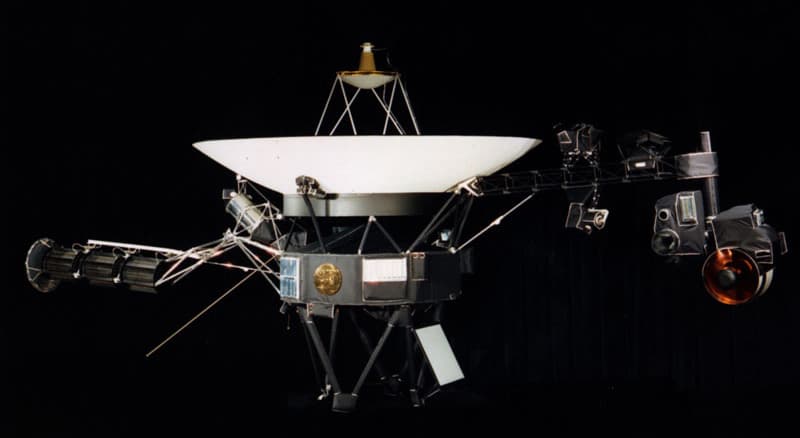
NASA expects Voyager 1 to become the first human-made object one light-day from Earth on November 18, 2026, a distance of about 25.9 billion kilometers.
Your daily escape to the world’s most amazing places through photos, videos, and stories.
NASA expects Voyager 1 to become the first human-made object one light-day from Earth on November 18, 2026, a distance of about 25.9 billion kilometers.
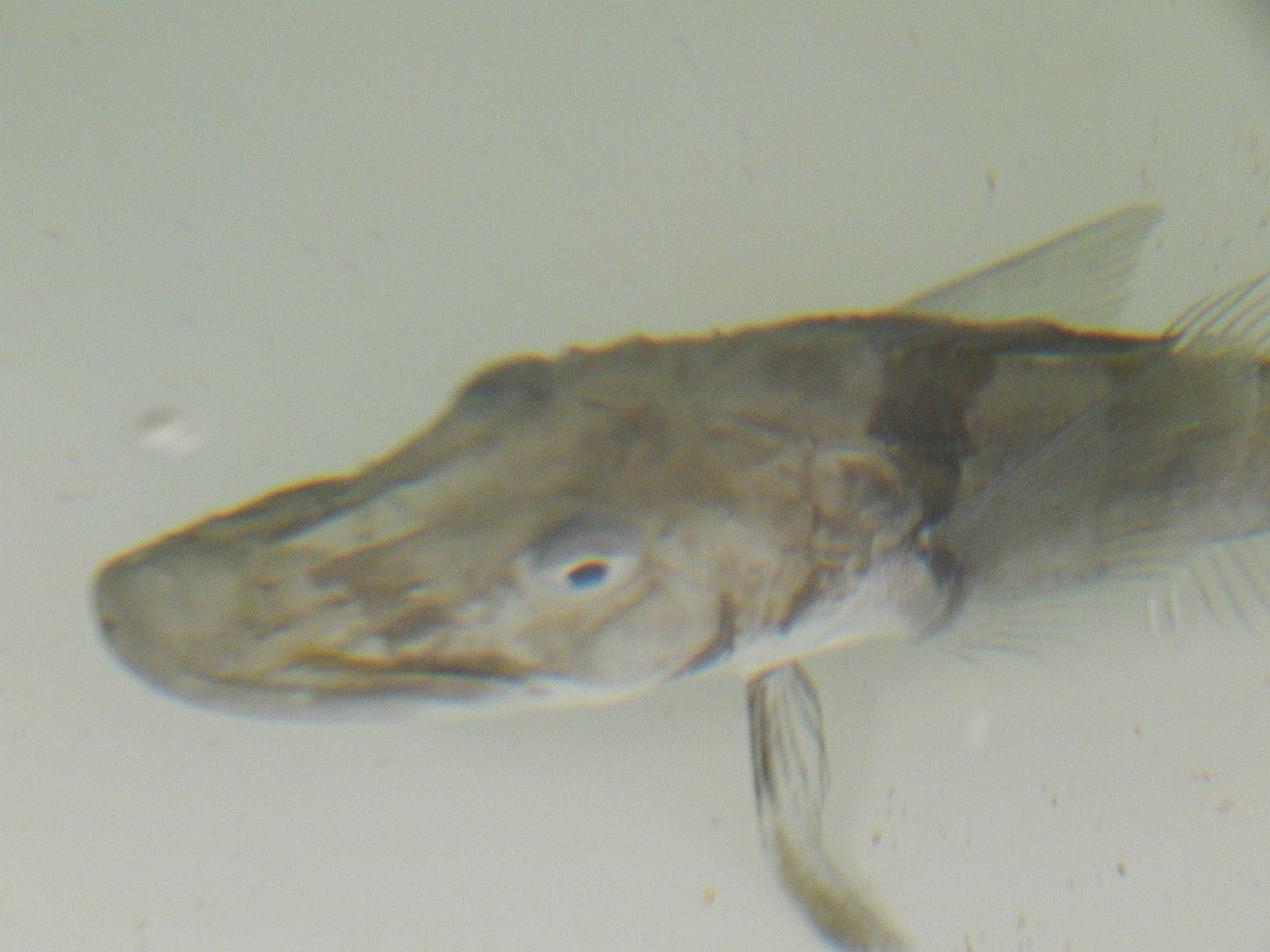
In the Southern Ocean, a remarkable family of fish survives without the red oxygen-carrying pigment found in other vertebrates.
Jessica King's own account, published by MD Anderson, documents the start of her oral cancer journey. Recent claims need separate confirmation.
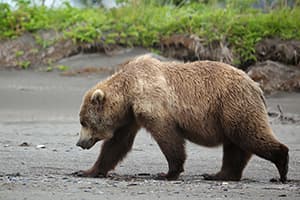
A grizzly's paws are impressive tools for digging and finding food, and their shape leaves clues in the tracks they make.
Tenerife's tribute remembers Jesús de Miguel, while reporting on the fatal collision requires care over medical facts and responsibility.
The viral story about robots being fired came from a company-run retail demonstration, with two machines reportedly kept under observation.
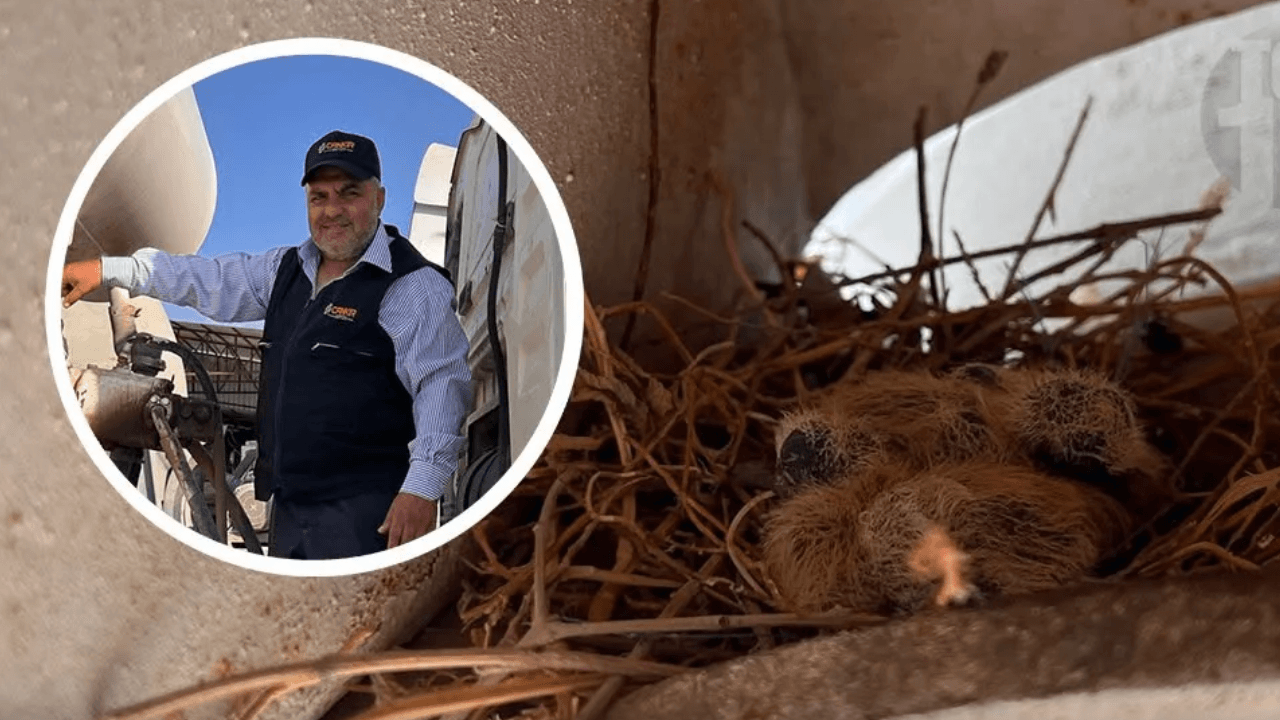
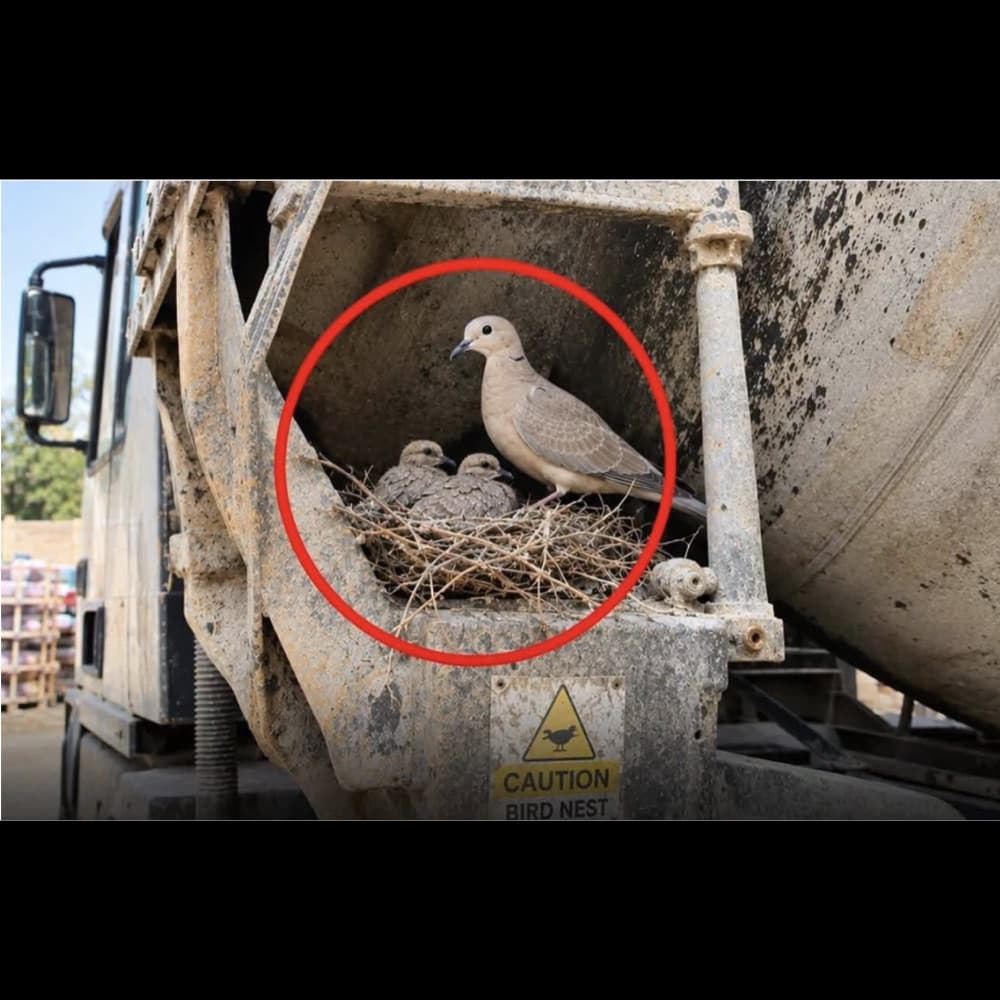
A dove nest turned a working concrete mixer into a temporary nursery in southern Turkey.
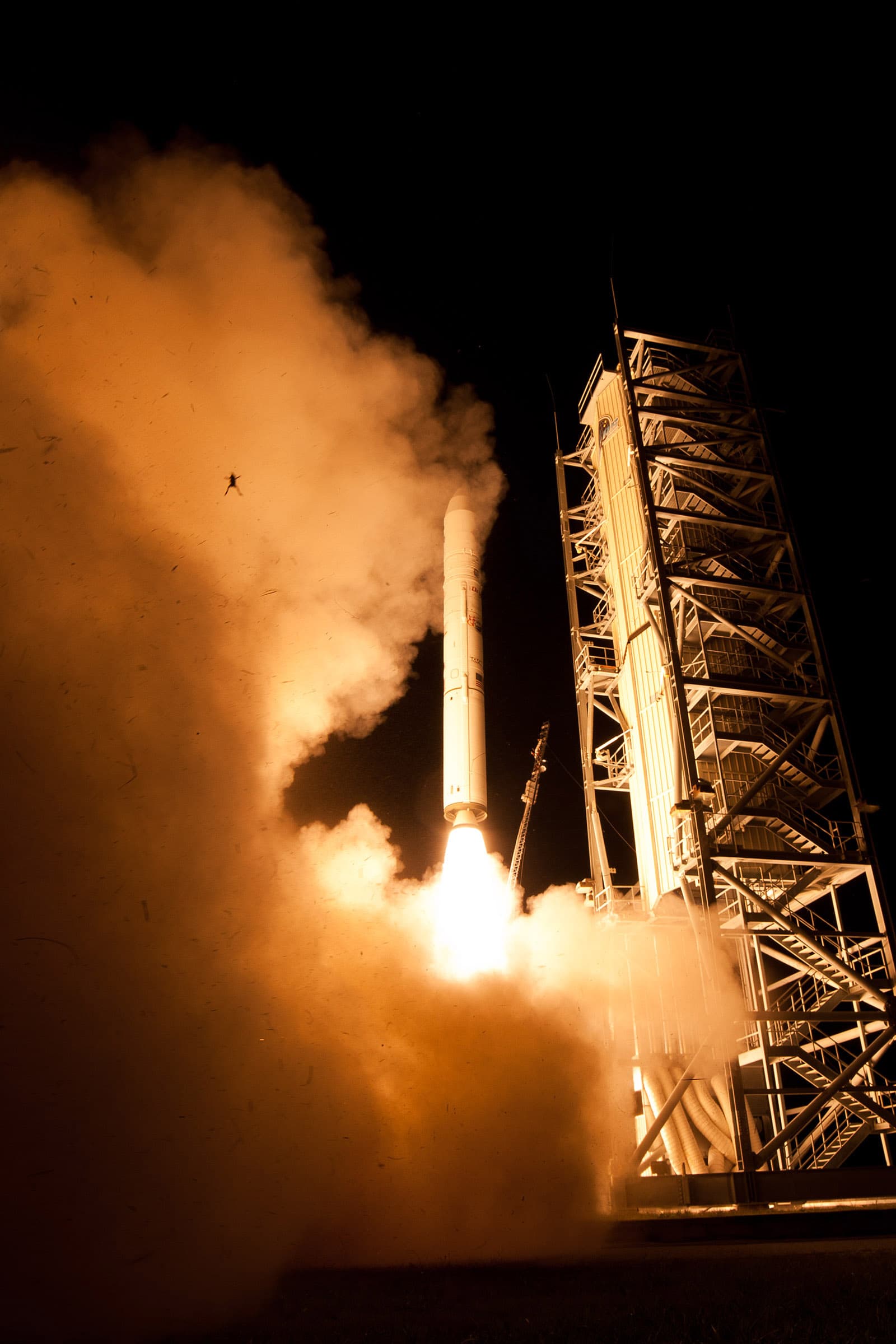
A remote camera caught a real frog in the air during NASA's 2013 LADEE launch. The image is verified; the animal's fate is not.
Born without hands or feet, Zack Anglin earned pilot credentials and became a Spartan College instructor, receiving a 2025 aviation honor.
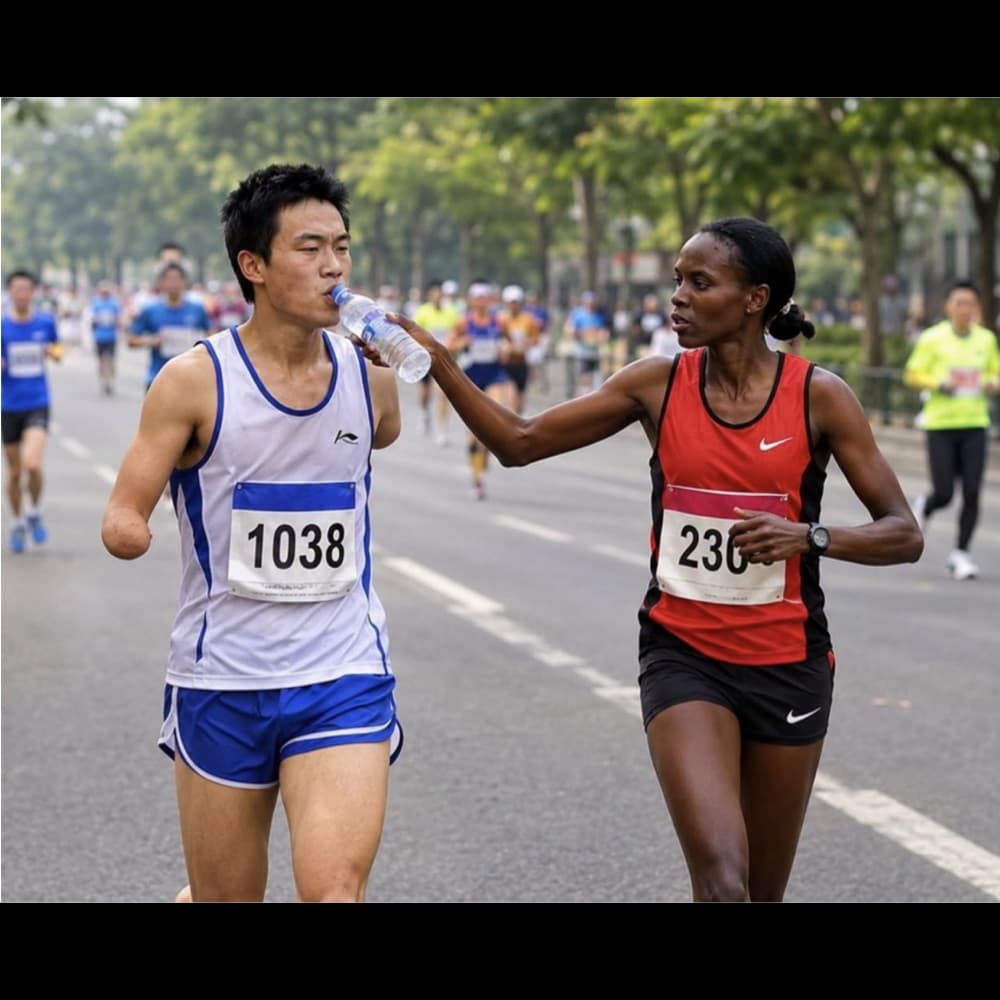
Jacqueline Kiplimo’s water-sharing moment is widely reported. Claims that it definitively cost her victory go beyond what a photograph proves.
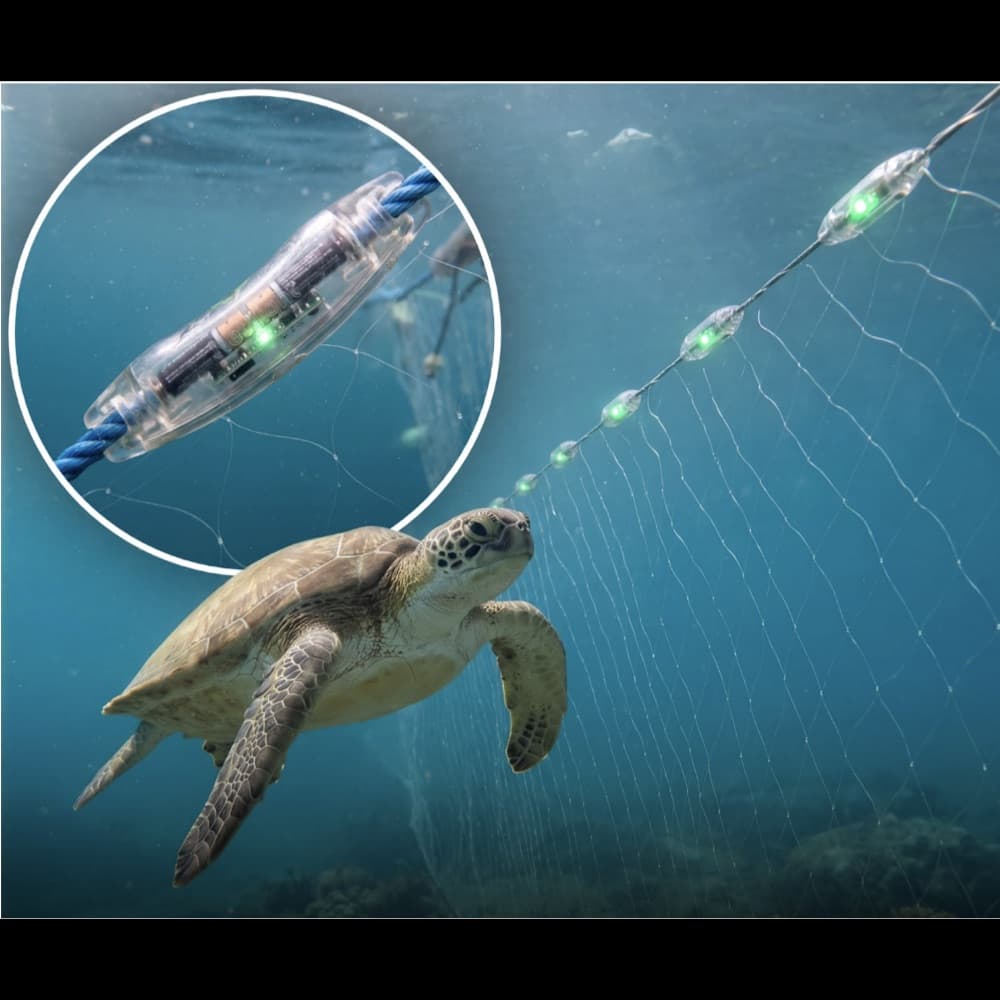
A 2016 study found green LED-equipped gillnets reduced turtle bycatch by about 64% without reducing the desired fish catch.
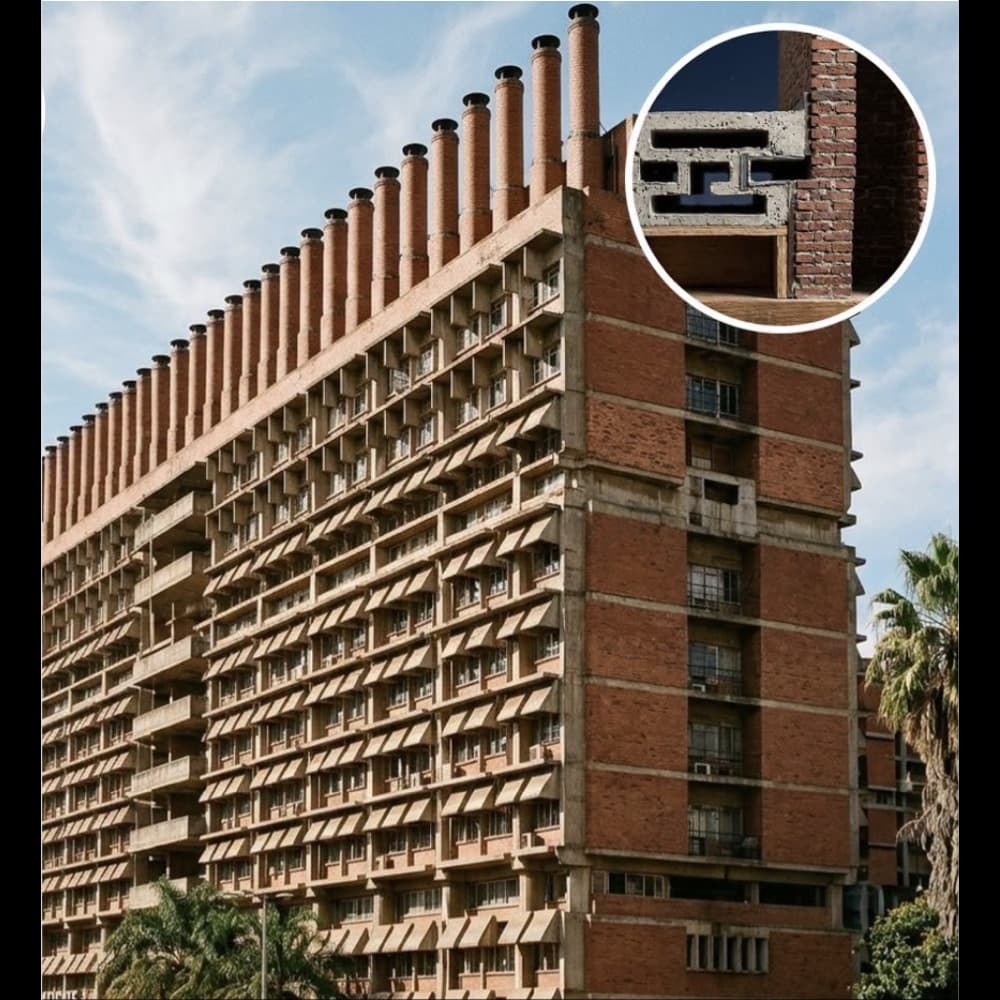
Eastgate’s design combines thermal mass, shading and fan-assisted ventilation. Its termite inspiration is more nuanced than viral claims suggest.
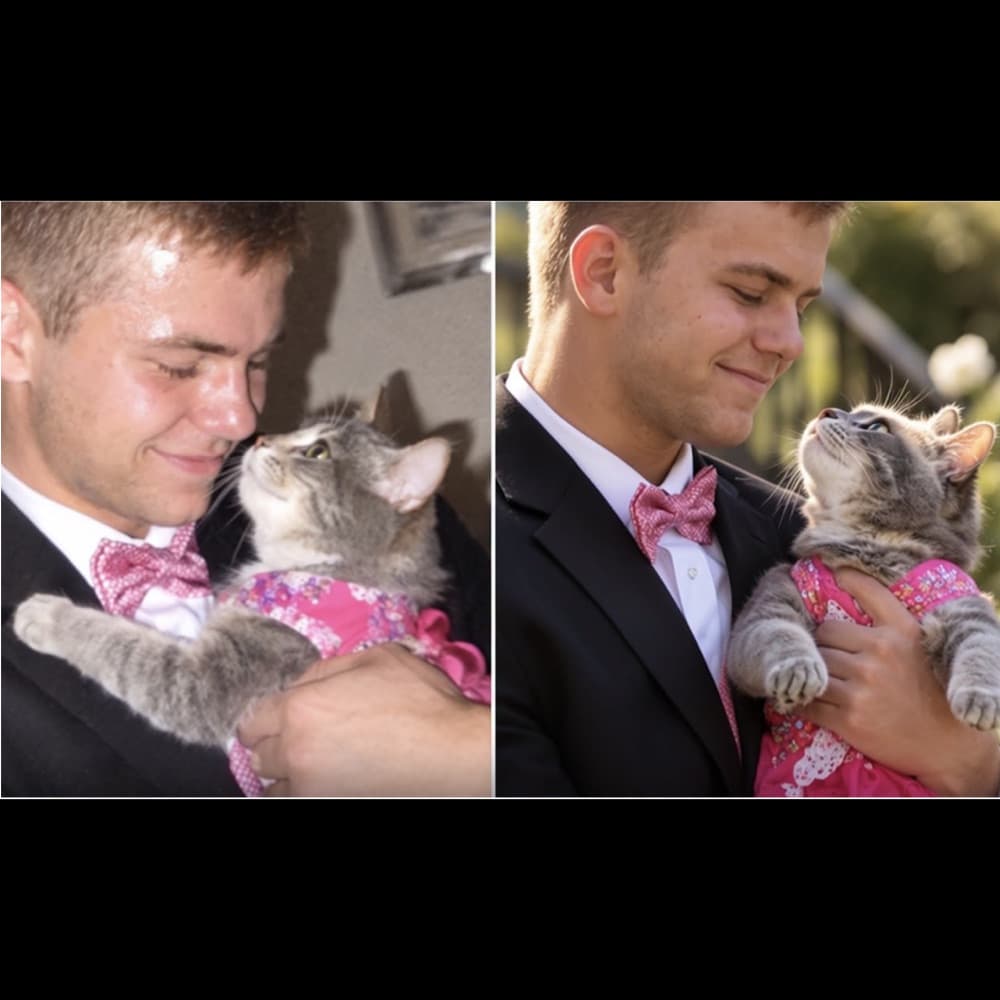
Sam Steingard’s family cat Ruby became a viral prom-photo companion. The family said she did not attend the dance.
In October 2009, Stephen Wiltshire created a large New York panorama from memory during a public drawing project at Pratt Institute.
A September 2026 report described a Hatay driver and company leaving a concrete mixer unused for about 45 days to protect a dove nest.
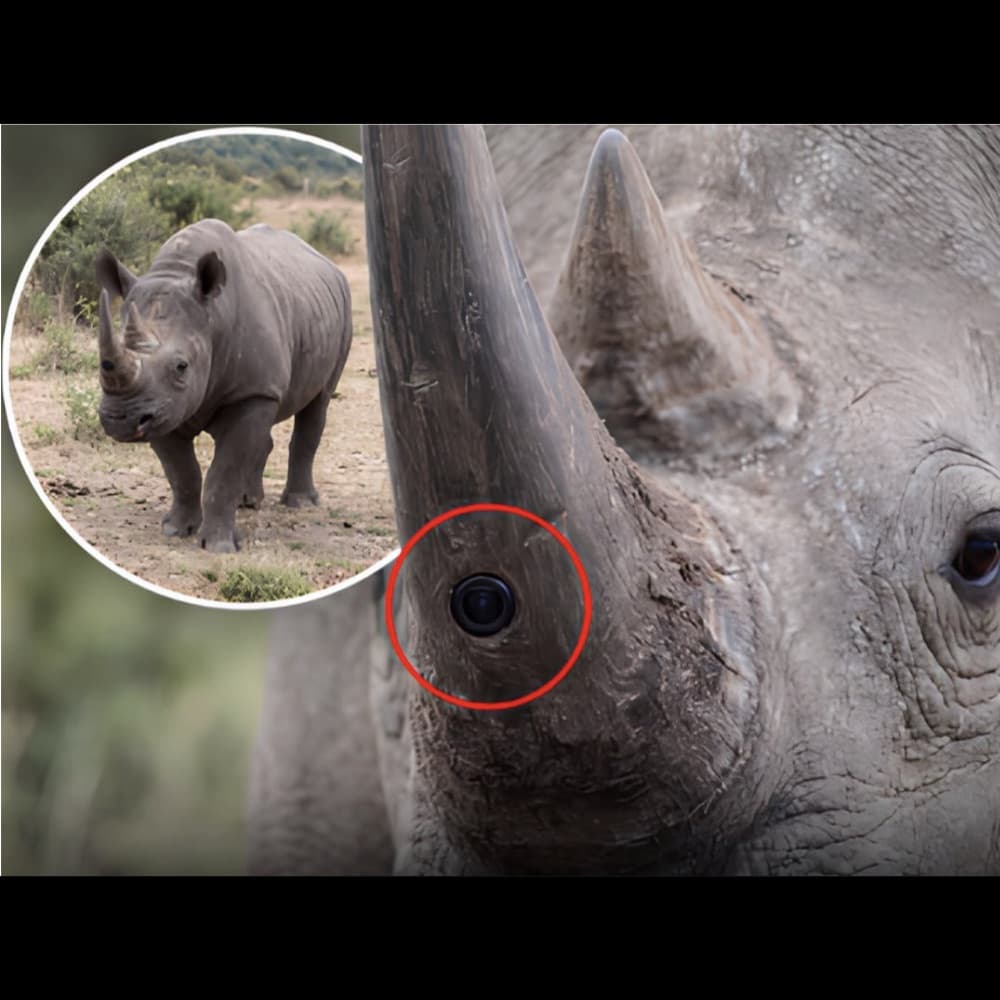
The 2015 RAPID proposal combined a horn camera, location tracking and heart-rate monitoring. Widespread effectiveness remains unverified.
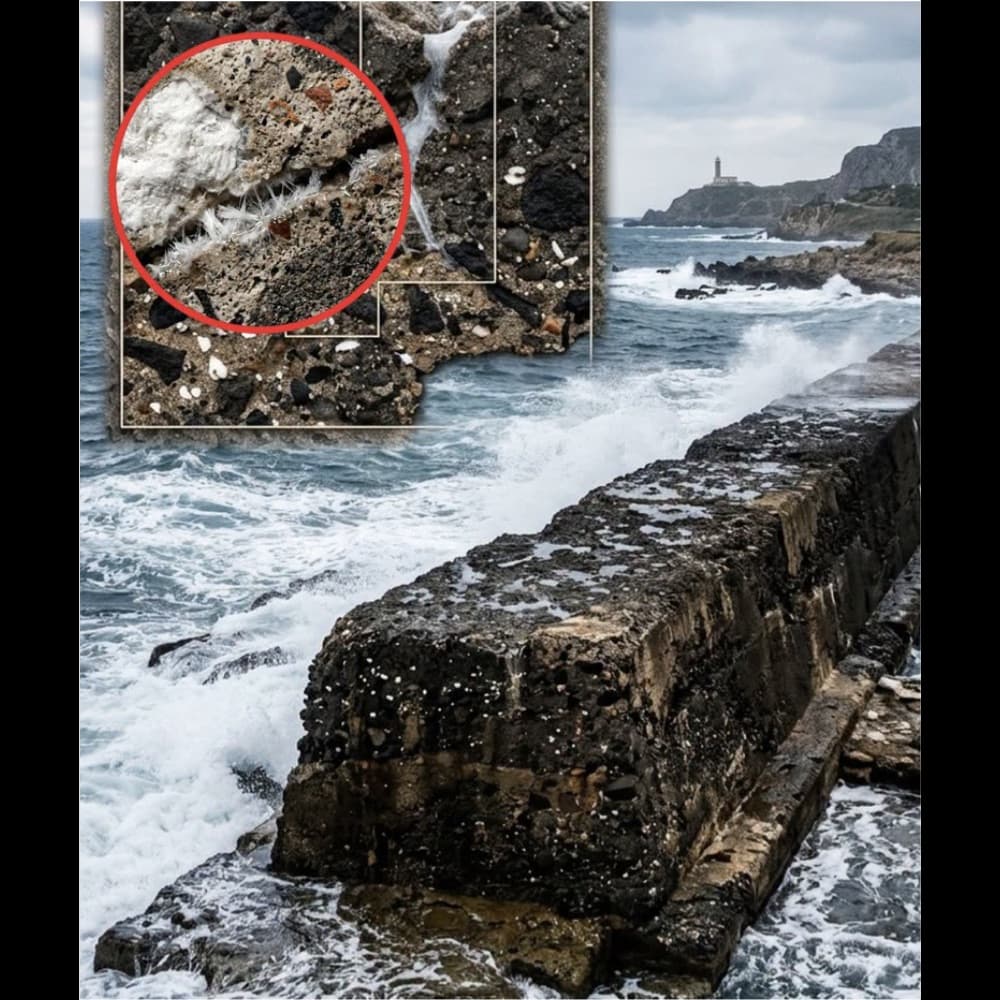
Studies of Roman concrete link lime-rich inclusions and hot mixing to durability, with laboratory tests demonstrating crack repair.
GMA’s Good News followed Joel, a Leyte student working to help his family, and the teacher whose video brought support.
A 2016 study found effects on colon cancer cells and mouse tumors. It did not show that dandelion tea treats cancer in humans.
Biographical accounts describe Musk cleaning a lumber-mill boiler room for $18 an hour in Canada, years before his technology companies.
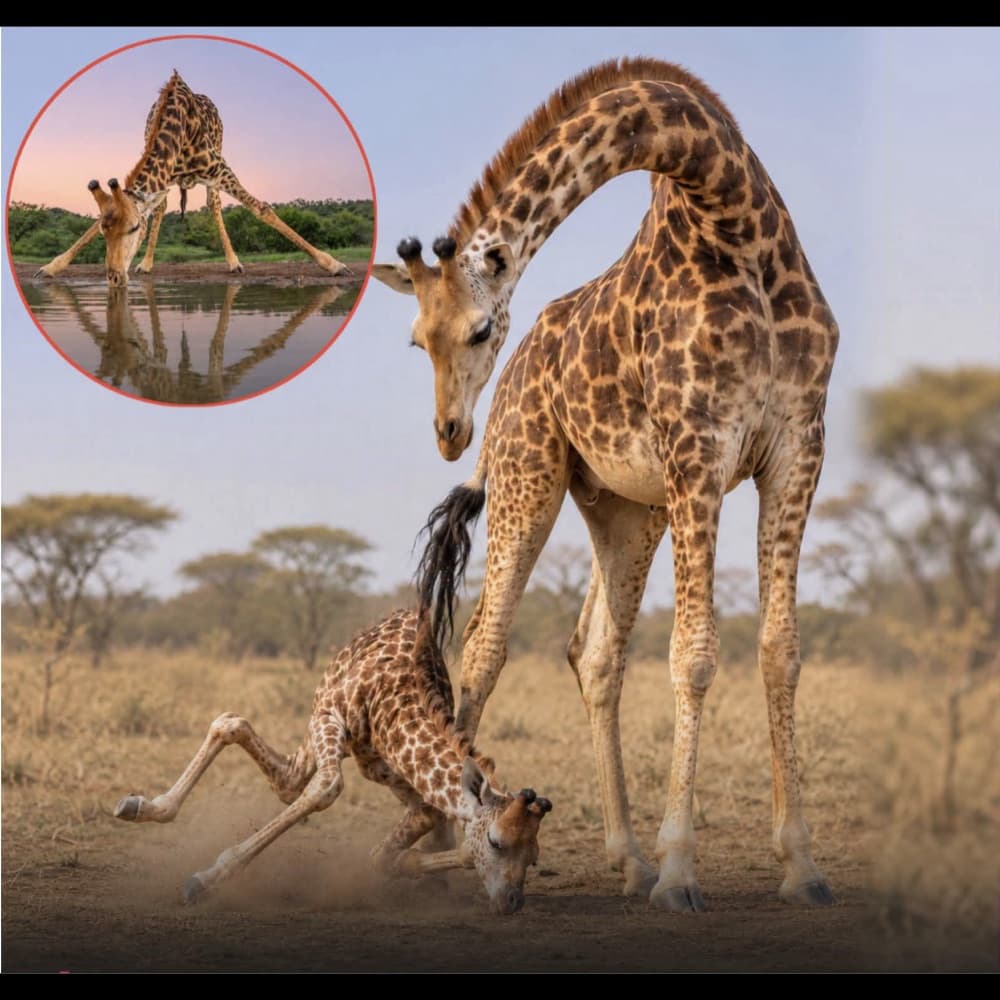
Giraffes usually give birth standing up, so calves enter the world with a substantial drop before taking their first steps.
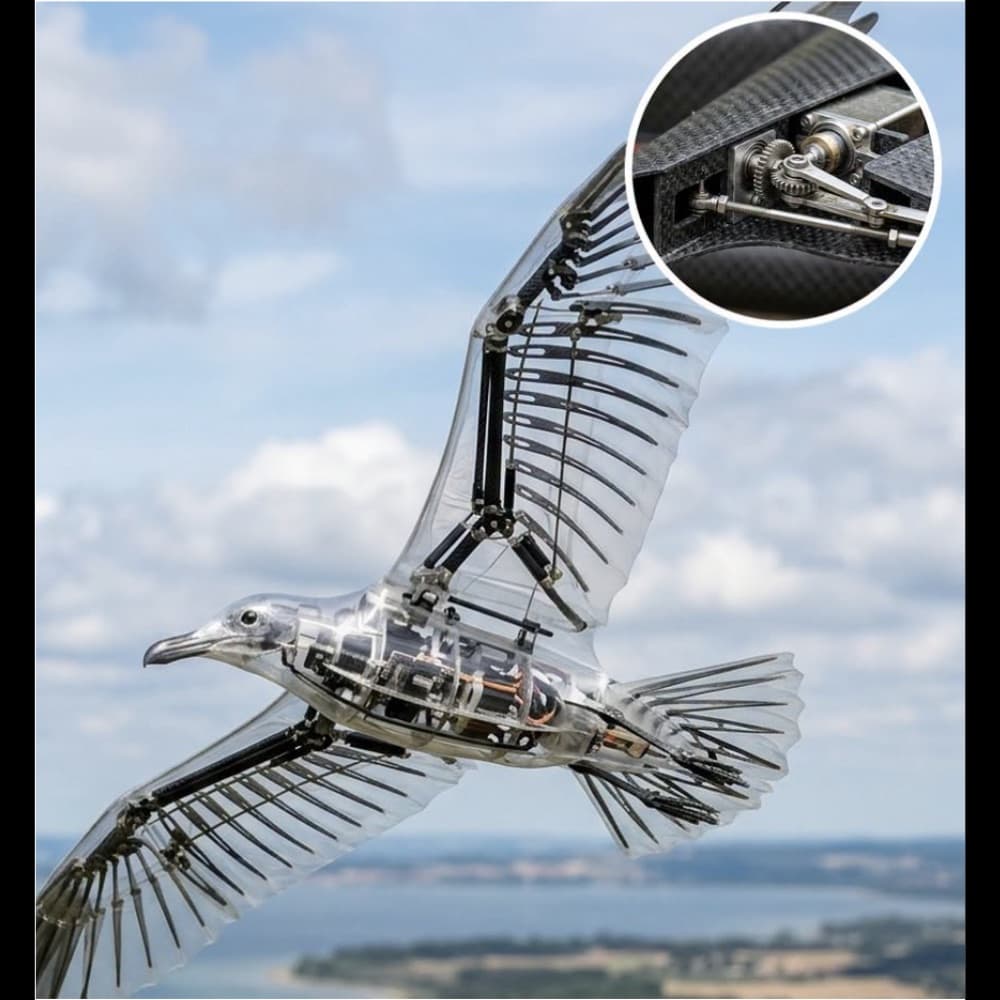
Festo’s 2011 SmartBird used lightweight construction and active wing twisting to demonstrate bird-inspired powered flight.
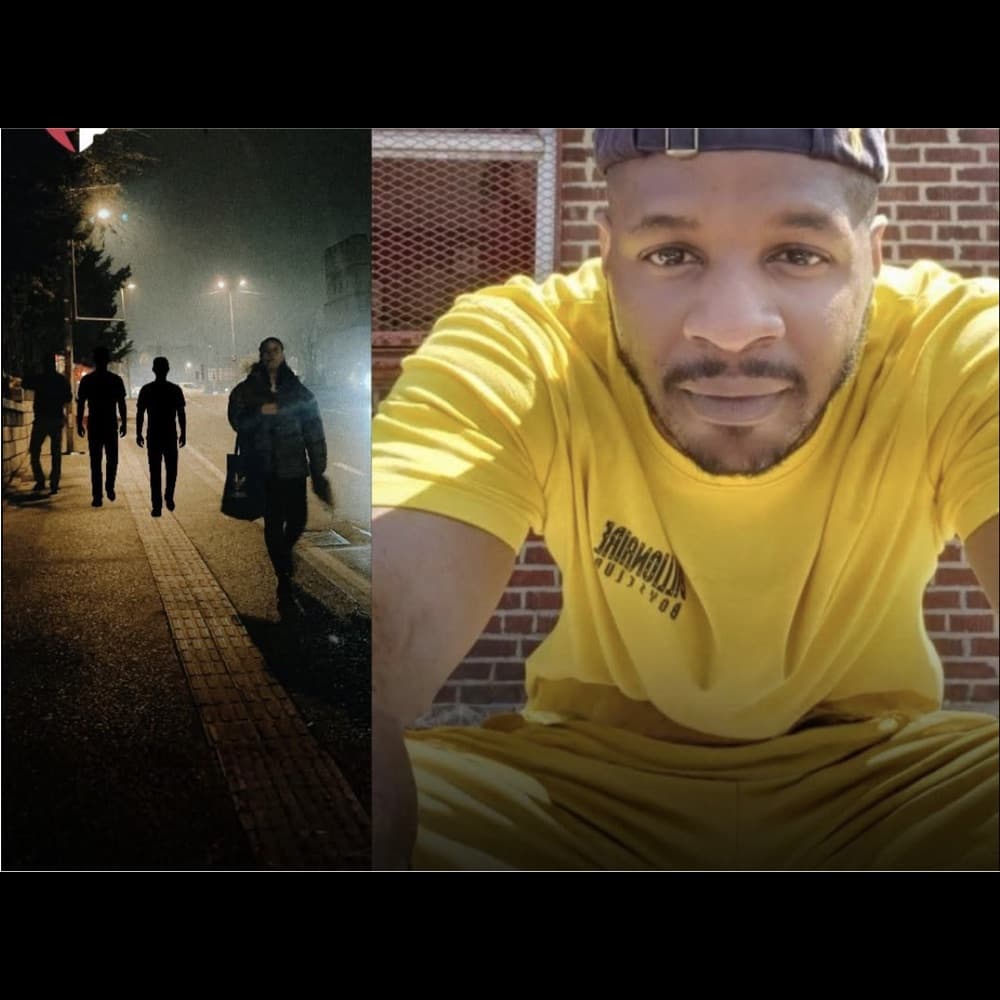
A TikTok creator said he pretended to know a woman who feared she was being followed. Details beyond his account remain unverified.
Reports say Sakana Sushi dismissed an employee after a Halloween candy video and a dispute over whether she apologized.