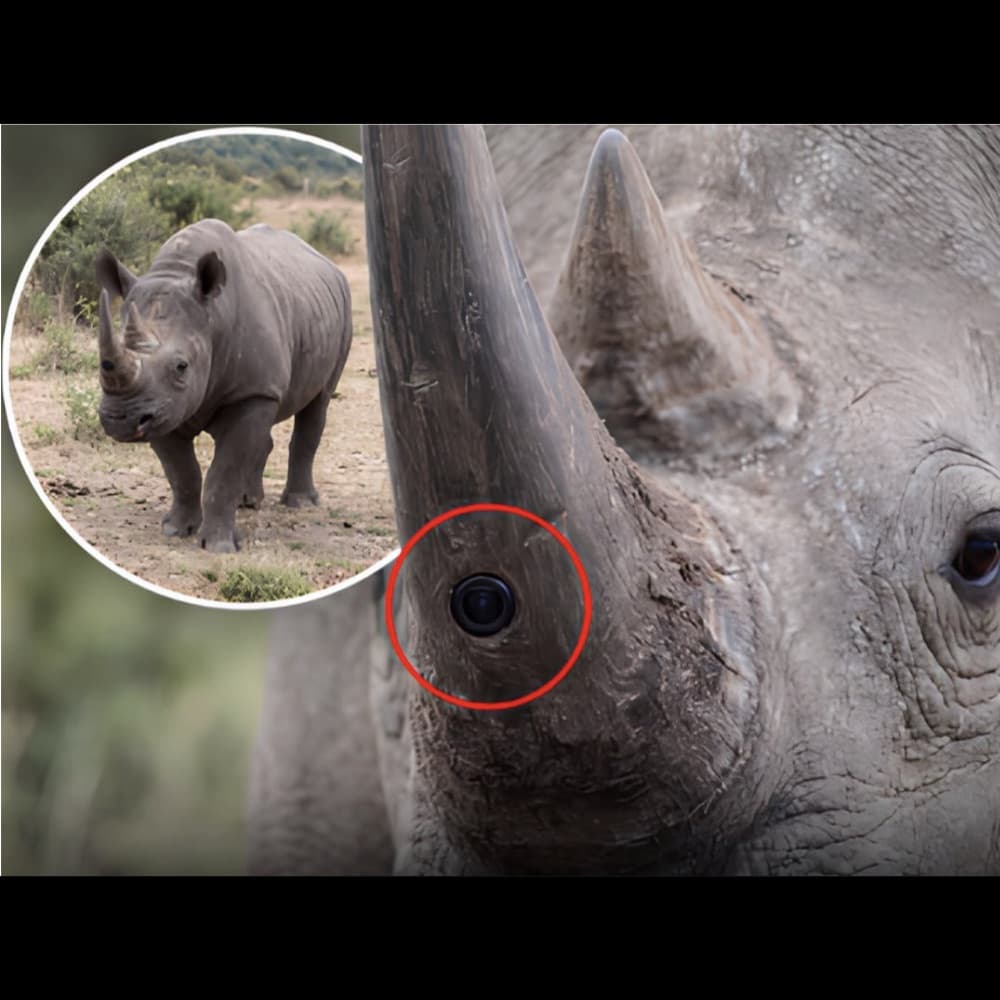
A tiny camera in a rhino’s horn was proposed as a way to help rangers detect poaching and identify attackers.
The idea drew attention in 2015 under the name RAPID, short for Real-time Anti-Poaching Intelligence Device.
How the proposed system worked
PBS Nature’s contemporary account described a combination of a camera, GPS tracking and heart-rate monitoring.
A sudden change in the animal’s heart rate could trigger recording and an alert, allowing a response team to locate the rhino. Footage might also provide evidence after an attack.
The same report said the developers hoped to introduce rhino prototypes. That is materially different from evidence of a mature system protecting large numbers of animals.
What needs more evidence
The reporting reviewed does not establish how many rhinos subsequently received working devices, how long they operated or how many attacks were prevented.
Claims of painless implantation, uninterrupted streaming and fraction-of-a-second intervention also require technical and veterinary evidence.
The concept illustrates a real conservation challenge: finding an animal quickly enough for people to respond to a threat. A sensor can assist that effort, but communications, staffing, terrain and response time all affect what happens after an alarm.
The prototype deserves to be described as an attempt to address those problems, without treating its intended benefits as proven outcomes.