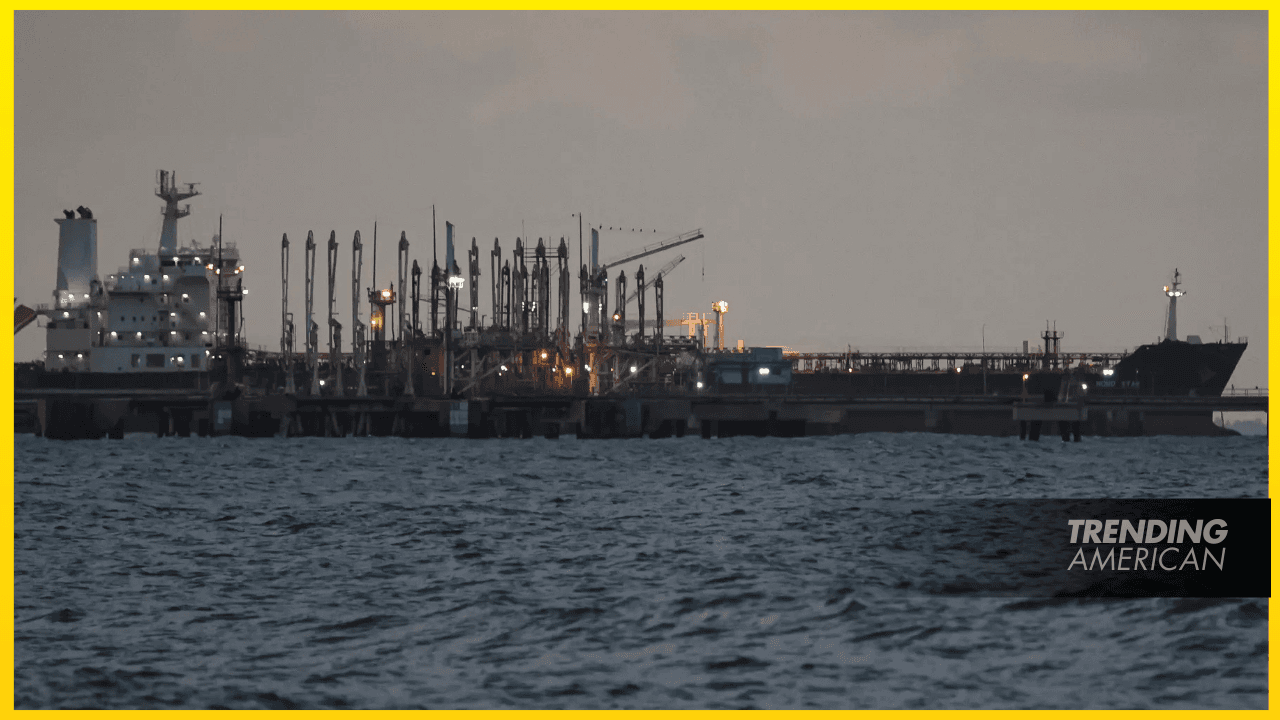
A new chapter in the United States’ approach to Venezuela emerged on January 4, 2026, as coverage of the crisis framed the issue through the lens of oil rather than narcotics. According to Al Jazeera, President Donald Trump shifted the public conversation away from alleged narcotics trafficking and toward Venezuela’s vast oil wealth, suggesting that American firms should run and rebuild the country’s oil fields as part of a broader reorientation of policy and sanctions.
The reporting highlights a chain of events in which Nicolás Maduro’s leadership was interrupted by a dramatic development in December 2025, with acting president Delcy Rodríguez stepping in as both head of state and oil minister. U.S. officials signaled a willingness to pursue greater influence — and potentially direct control — over Venezuela’s oil resources, arguing that the country’s production capacity and revenue are central to regional and global energy security.
Central figures in the narrative include U.S. President Donald Trump, Maduro, Delcy Rodríguez, and Al Jazeera journalist Maziar Motamedi, who authored the piece, alongside senior U.S. officials and PDVSA as relevant actors in the ongoing drama. The setting centers on Caracas, Venezuela, while mentions of Mar-a-Lago in Florida reflect the high-profile press events surrounding these developments and the ongoing tension in other key Venezuelan locations such as Puerto Cabello.
Analysts note that Venezuela holds one of the world’s largest oil reserves, and that U.S. efforts to influence or control production could ripple through OPEC dynamics, sanctions regimes, and global energy markets. As sanctions tighten and ships maneuver in and out of the region, the possibility of American influence over oil assets stands to reshape economic and strategic calculations for Washington and its partners.