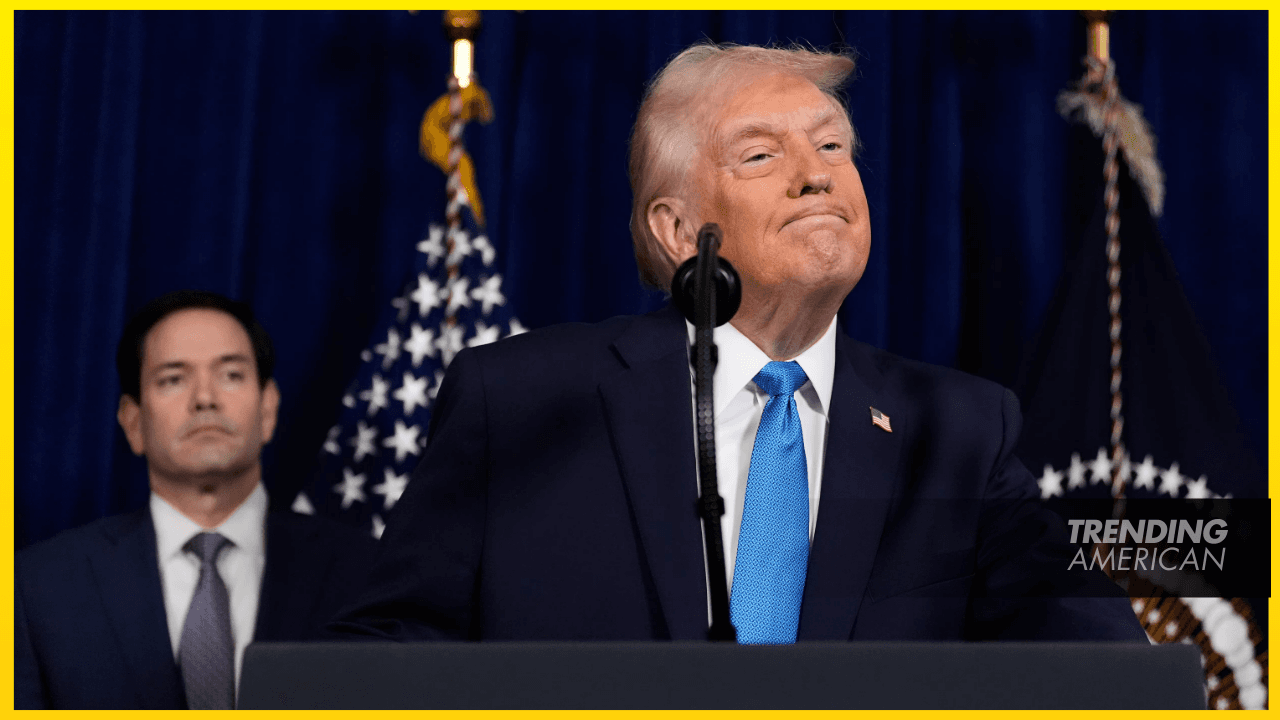
In January 2026, President Donald Trump unveiled a bold plan to seize and revitalize Venezuela’s oil industry by bringing American oil majors into the sector, reviving battered infrastructure, and boosting production. The plan centers on leveraging Venezuela’s vast oil reserves to influence energy security and global prices, while aiming to restore export capacity that has dwindled under years of mismanagement and sanctions.
Central to the proposal are the principal players: President Trump himself; major U.S. oil companies such as Chevron, ConocoPhillips, and ExxonMobil; Venezuela’s state-owned PDVSA and the Maduro government, alongside the country’s interim authorities; and a cadre of energy analysts who weigh in on feasibility, including Patrick De Haan of GasBuddy, Francisco Monaldi of Rice University, and Phil Flynn of the Price Futures Group.
The objective is clear in broad terms: to seize or at least secure stronger U.S. involvement in Venezuela’s oil resources and mobilize American investment to revive production, processing, and export capacity. Discussions and coverage emerged in the first days of 2026, with reporting from PBS NewsHour and other outlets noting that the plan was being framed as a comprehensive retooling of governance, ownership, and operational control in Venezuela’s energy sector.
Where changes would occur is straightforward in concept but complex in practice: within Venezuela’s oil industry, under U.S. oversight or participation, and with implications for the wider global energy market. Any shift would touch on PDVSA’s contractual arrangements, state sovereignty, and the delicate balance between sanction regimes and investment incentives.
Experts caution that the path to revitalization is fraught with obstacles. The country’s infrastructure is widely described as decayed, with aging refineries, damaged pipelines, and impaired logistics that require monumental capital and years of steady, secure operation to recover. Sanctions complicate the flow of technology, financing, and direct investment, while political stability remains uncertain as the Maduro government, Venezuelan interim authorities, and factions within the opposition navigate competing claims to power.
Legal issues further cloud the venture. Questions about ownership, contract enforcement, and the potential retrofitting or renegotiation of PDVSA’s asset base would demand new legal frameworks, international arbitration, and durable agreements that respect sovereign rights while attracting long-horizon investments from foreign partners.
Viewed through this lens, the prospect of a quick turnaround appears unlikely. Analysts estimate that a meaningful revival would require years of investment, strategic partnerships, and a credible, durable political settlement that can withstand sanctions and domestic instability. The plan’s success would hinge not only on technical fixes and capital commitments but also on a stable policy environment and a credible path toward transparent governance in Venezuela.
The broader market implications are equally uncertain. If a U.S.-led revival could unlock sizable volumes, it might ease supply constraints and influence prices—but such gains would come with commensurate risks, including potential escalations in diplomatic tensions and the risk that new production could be interrupted by political quarrels or changes in policy.
Overall, analysts emphasize that while the objective is ambitious, the likelihood of rapid success is small. Any substantive progress will depend on a delicate mix of diplomacy, legal clarity, and sustained investment, coupled with a credible pathway to restoring confidence in Venezuela’s oil sector without triggering new rounds of conflict or sanctions.