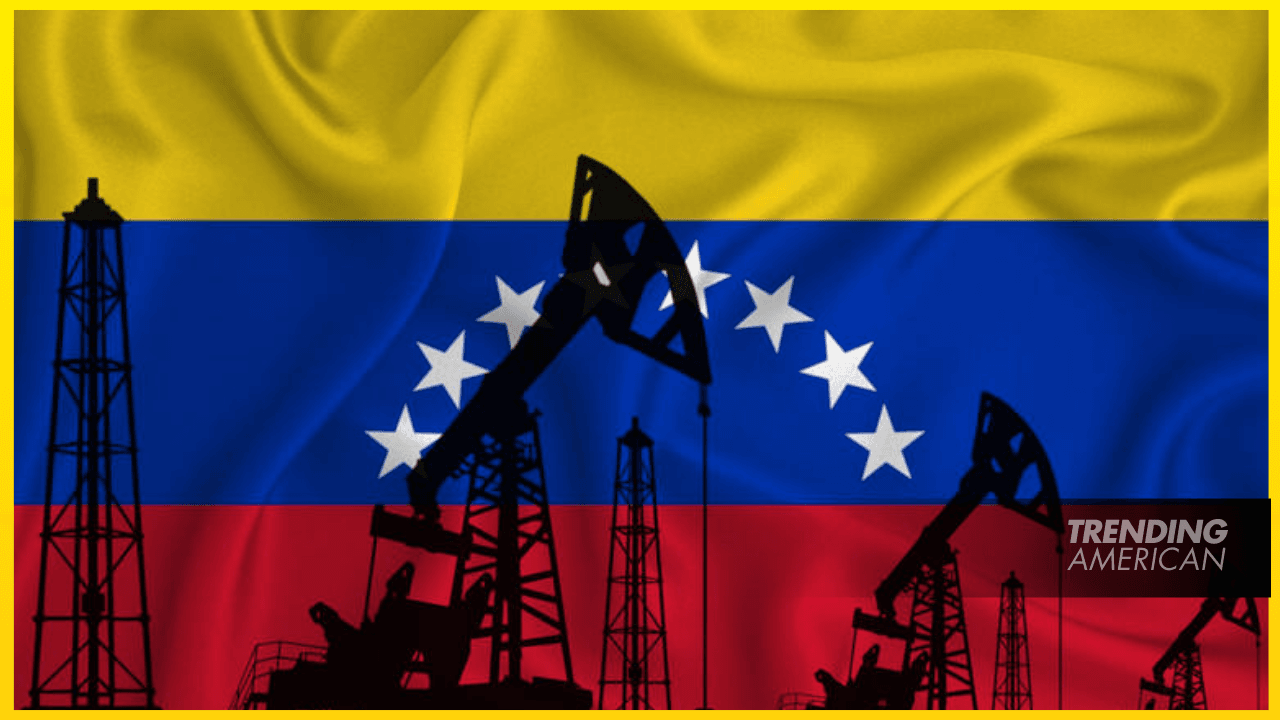
Global oil markets are volatile after a U.S. raid in Venezuela led to Maduro’s capture, with traders pricing in potential changes to output and sanctions. The raid and Maduro’s capture put the focus on Venezuela’s oil sector and the possibility of U.S.-backed investments as sanctions remain a key constraint on the country’s production. The central actors include the United States government (President Trump and his administration), Nicolás Maduro and the Maduro regime, and market analysts and investors such as Goldman Sachs who have weighed how investment and sanctions dynamics could alter supply.
Prices swung between gains and losses as crude futures traded in a cautious range during the first trading session after the raid. Market observers noted quotes circulating Sunday evening local time, around 8:03 p.m. ET, illustrating the immediate uncertainty about how quickly any shift in policy could translate into real output.
Venezuela holds some of the world’s largest proven oil reserves, a factor that keeps the country at the heart of global supply discussions. Yet disruptions to output and the sanctions regime complicate the path to higher or more stable production. Analysts say that the long-run trajectory will depend on what, if any, sanctions relief looks like and whether new licenses enable investment in oilfields that have been idle or under-capitalized. OPEC+ supply dynamics and global oversupply further color how any production changes could feed into prices.
Traders and policymakers are also weighing the potential strategic shifts from U.S. policy toward Venezuela’s oil sector. While some market participants anticipate opportunities for near-term investment, others caution that geopolitical risk remains high and that sanctions and political uncertainty could dampen any rapid increases in supply.
In summary, markets are pricing in a mix of supply risks and possible investment incentives stemming from the raid, with the longer-run price path likely to hinge on actual changes in Venezuelan output and the evolution of sanctions and policy.