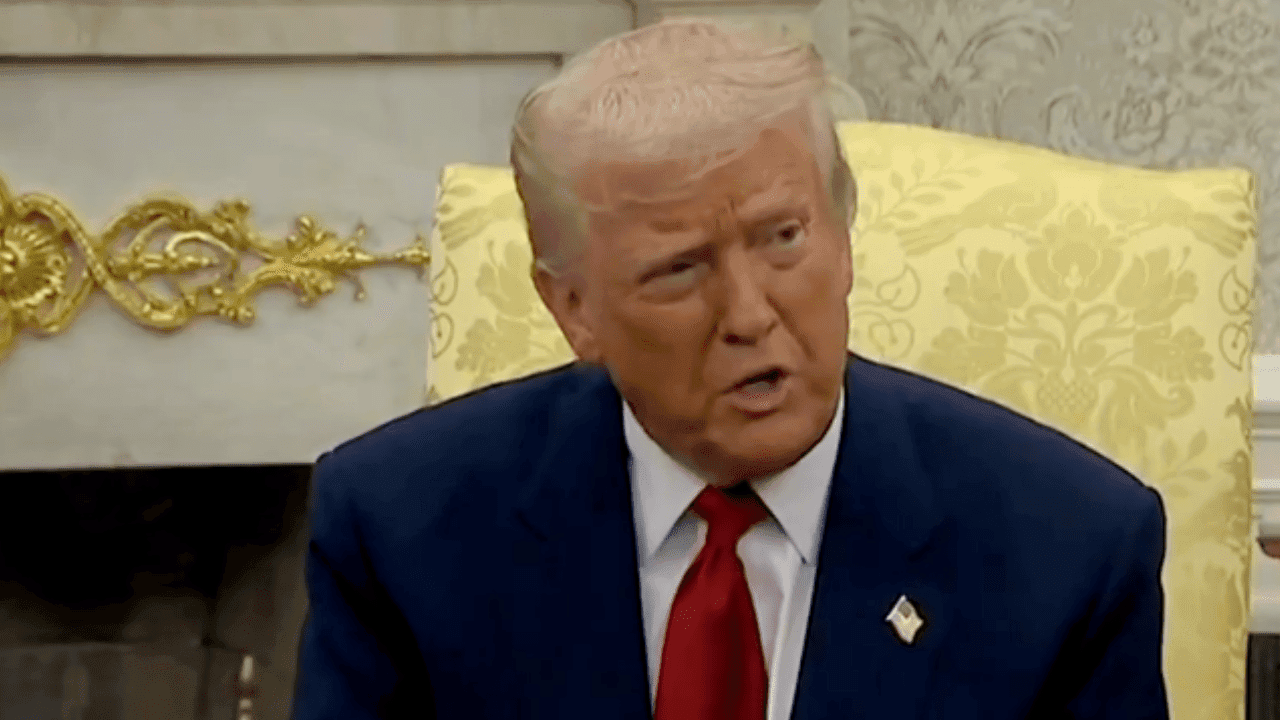
In a fiery escalation of the ongoing trade tensions, former U.S. President Donald Trump announced a potential 50% tariff on Chinese imports unless Beijing withdraws its own retaliatory tariffs. This bold move by Trump has sent shockwaves through global markets, as economic players brace for a further deepening of the trade war. Over the weekend, China introduced a 34% counter-tariff following Trump’s earlier 34% levy on Chinese goods, a decision stemming from his so-called ‘Liberation Day’. Beijing’s response highlighted the intensifying standoff between the two economic superpowers, with China’s embassy in the U.S. branding Washington’s approach as ‘economic bullying’.
The possible new tariffs from Trump would escalate the conflict significantly. U.S. companies could eventually face a cumulative rate of 104% on Chinese imports, considering the existing tariffs already in play. The announcement stirred fears among economists and market analysts about the potential for a more pronounced economic downturn if these policies take effect. Investors have already witnessed volatile market reactions, with stock values swinging sharply in anticipation of these mounting tensions.
President Trump’s rhetoric indicated no intention of easing measures despite global pressure. In a recent social media post, he threatened to sever all ongoing trade discussions if China resisted. Such declarations have led analysts to predict a potentially extended deadlock period, prolonging economic uncertainties across markets. Trump defended his tariffs by emphasizing America’s hefty national debt and the necessity to pursue ‘fair and good deals’ for the United States.
For China, the tariffs pose a substantial threat to its export-driven economy. The U.S. is a primary market for Chinese goods, including electronics, machinery, and various consumer products. Experts warn that additional tariffs could disrupt supply chains and raise costs for American consumers, further complicating the situation. However, Chinese officials have remained firm, arguing that the U.S. actions represent unilateralism and protectionism under the guise of reciprocity.
As of now, the standoff continues, with global observers closely monitoring both nations’ next moves. The uncertainty stemming from this exchange has led to noticeable drops in stock market indexes around the world, as traders attempt to navigate the turbulent economic landscape shaped by this geopolitical turmoil. The future of international trade hangs in the balance, with the potential for ongoing negotiations to alter the current trajectory if both sides opt for dialogue over discord.