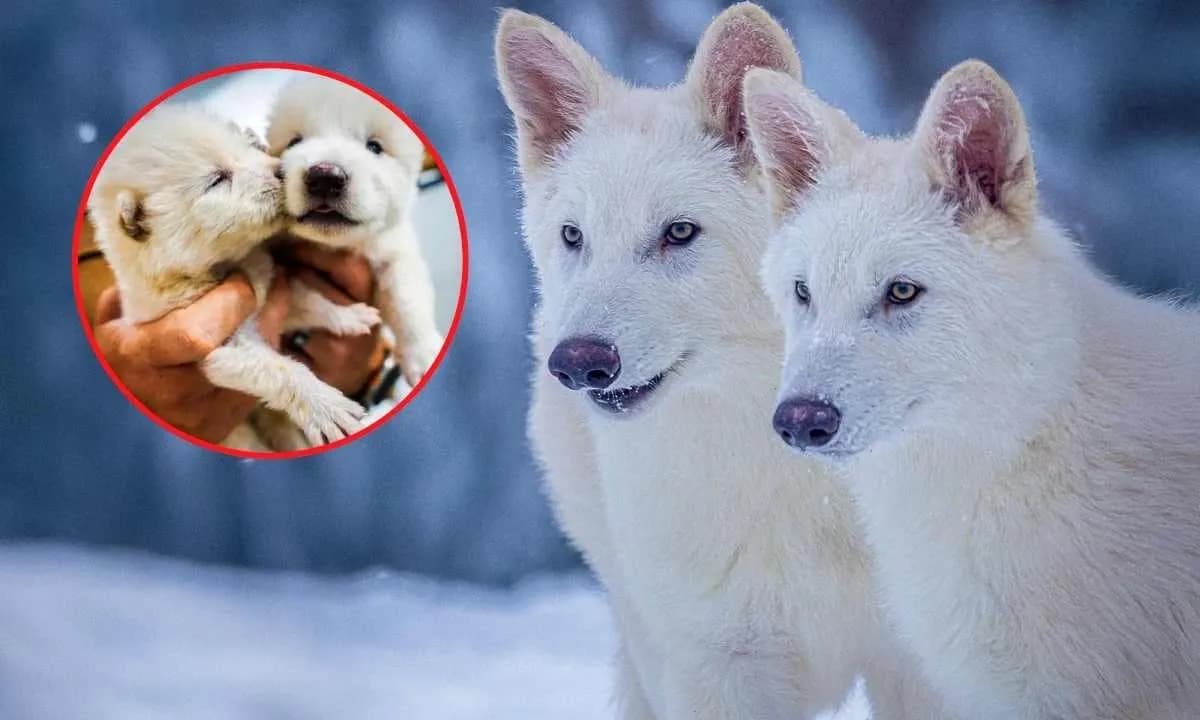
Three genetically engineered wolves are alive and thriving in a secure, undisclosed location in the U.S. These wolves, resembling extinct dire wolves, have been created by a Dallas-based biotech company, Colossal Biosciences.
According to the company, this is the “world’s first successfully de-extincted animal,” marking a groundbreaking moment in the field of genetic engineering.
The wolves, aged between three to six months, already weigh around 80 pounds and are expected to reach 140 pounds at maturity. They possess muscular jaws, long white hair, and a robust physique reminiscent of the dire wolves that once roamed North America over 12,500 years ago.
Despite their striking appearance, scientists caution that these wolves are not fully identical to the original dire wolves but rather hybrids engineered to resemble them.
Back From Extinction!
The successful birth of these genetically engineered wolves represents a massive technological achievement. It demonstrates the viability of gene-editing techniques such as CRISPR to bring back species from extinction.
Colossal Biosciences has raised over $435 million since its founding in September 2021, with the aim of reviving species like the woolly mammoth, dodo, and Tasmanian tiger.
The implications of this achievement could be immense for conservation efforts. According to Christopher Preston, a wildlife expert at the University of Montana, the technology used by Colossal could potentially be applied to help endangered species, as it’s less invasive than traditional cloning methods.
“Colossal have taken thoughtful precautions to screen against any unintended genetic consequences of their edits, eliminating risky edits known to be associated with poor outcomes.”
Preston stated.
Despite the groundbreaking achievement, ethical concerns remain. Critics argue that the resources used for de-extinction could be better spent on preserving endangered species that still exist today. Additionally, some experts question whether these wolves can truly adapt to modern environments.
How It All Happened
Colossal Biosciences embarked on this ambitious project by collecting ancient DNA from dire wolf fossils. They studied a 13,000-year-old dire wolf tooth from Ohio and a 72,000-year-old skull fragment from Idaho. This DNA analysis provided critical insights into the genetic traits that defined dire wolves.
The team compared these ancient genomes to those of existing canids like wolves, foxes, and jackals. They identified key genetic variants responsible for traits such as long white fur, stronger jaws, and larger bodies.
The company then used CRISPR technology to alter gray wolf cells, modifying them in 20 different sites to reflect these ancient traits.
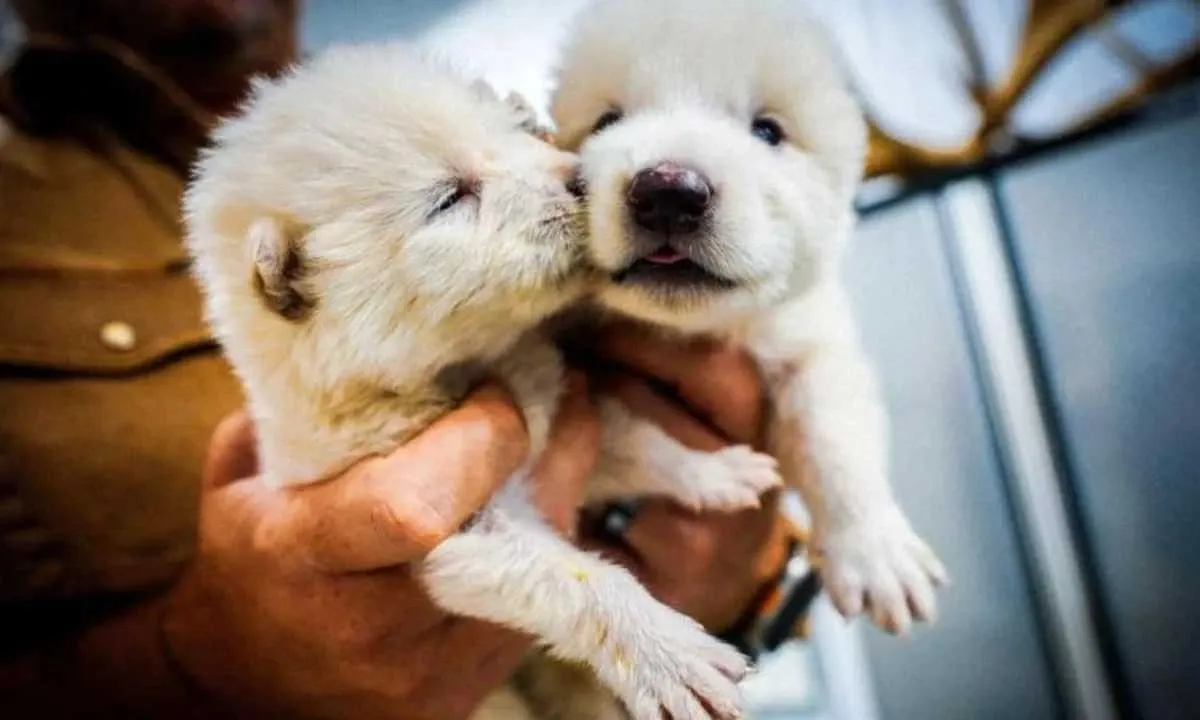
The modified cells were transferred to egg cells from domestic dogs. After embryos were created, they were implanted into surrogate dogs, resulting in the birth of three genetically engineered wolf pups. Two male pups were born on October 1, 2024, while a female was born on January 30, 2025.
A Secure and Monitored Environment
The three wolves are currently living on a 2,000-acre site enclosed by 10-foot-tall zoo-grade fencing. The location is monitored by security personnel, drones, and live camera feeds. Colossal said the facility is certified by the American Humane Society and registered with the U.S. Department of Agriculture.
Beth Shapiro, Colossal’s chief scientist, emphasized the importance of ensuring the safety and health of the wolves throughout the experiment. She said, “Healthy developing embryos were then transferred into surrogates for interspecies gestation,” highlighting the careful process involved.
However, many independent scientists remain skeptical about the true extent of Colossal’s achievement.
“All you can do now is make something look superficially like something else — not fully revive extinct species.”
said Vincent Lynch, a biologist at the University at Buffalo who was not involved in the research.
Limitations and Ethical Concerns
Despite the success, the project is not without its critics. Lynch pointed out that while these wolves may resemble dire wolves, they will likely never develop the skills their ancestors had.
“What they will probably never learn is the finishing move of how to kill a giant elk or a big deer.”
explained Matt James, Colossal’s chief animal care expert.
Environmental philosopher Christopher Preston also raised concerns about the practical implications of introducing these wolves into existing ecosystems.
“In states like Montana, we are currently having trouble keeping a healthy population of gray wolves on the land in the face of amped-up political opposition. It is hard to imagine dire wolves ever being released and taking up an ecological role.”
he said.
The Broader Implications of De-Extinction
Colossal’s efforts are not just about reviving ancient species. The company is also using the technology to aid conservation efforts for endangered species. Recently, they cloned four red wolves, a critically endangered species, using techniques developed during the dire wolf project.
Colossal’s CEO Ben Lamm emphasized the broader goals of the company.
“Our team took DNA from a 13,000-year-old tooth and a 72,000-year-old skull and made healthy dire wolf puppies. This massive milestone is the first of many coming examples demonstrating that our end-to-end de-extinction technology stack works.”
he stated.
Lamm also pointed out that the genetic diversity created through this technology could be applied to many species currently on the brink of extinction. The company aims to use similar methods to introduce the first woolly mammoth calves by 2028.
What’s Next for Colossal’s De-Extinction Projects?
While the accomplishment of resurrecting a dire wolf-like species is remarkable, it raises many questions about the future of de-extinction. Can these wolves survive in the wild, or will they remain confined to controlled environments? What other species could be brought back through similar methods?
Colossal’s vision involves not only reviving ancient species but also using their technology to help conserve endangered animals. Whether or not these methods will ultimately be successful remains to be seen.
The story of these wolves is far from over, and the questions it raises could redefine how humanity approaches conservation, technology, and our understanding of life itself. Will Colossal’s creations pave the way for a new era of biodiversity, or will they remain technological curiosities locked away in secure facilities? Only time will tell.