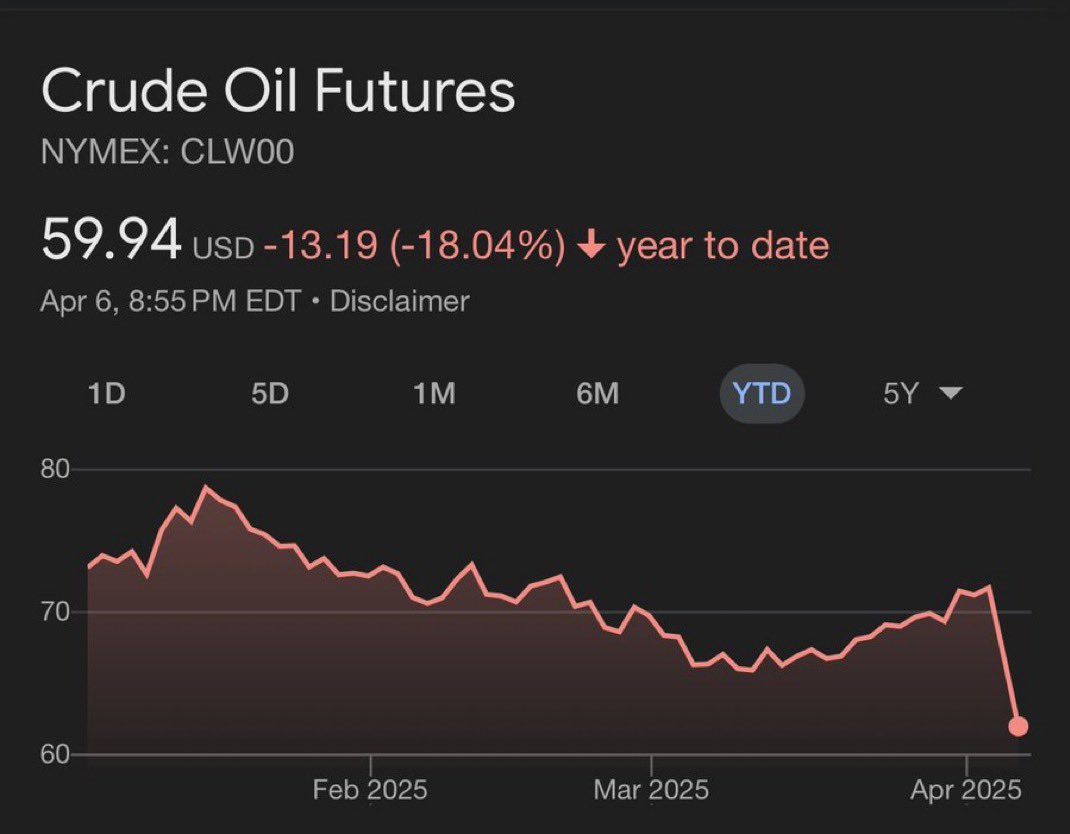
Oil prices have experienced a dramatic tumble, pushing Brent Crude below $60 per barrel for the first time since mid-2009. This alarming drop follows a brief rally and reflects significant volatility in global oil markets. Analysts point to factors such as high crude stockpiles and the resurgence of U.S. shale production as key contributors to this downturn. The decline wasn’t isolated, as WTI, another benchmark for oil prices, also fell to just $55.28, down by 1.75%, illustrating the widespread market effect.
This downturn reflects a nearly 50% decrease from its peak levels in the summer of 2014, which had reached as high as $107 per barrel. This sharp decline is raising concerns among oil-producing nations and industries dependent on oil revenue, potentially leading to economic adjustments in affected countries.
An agreement among OPEC nations and other oil producers to curb output hasn’t successfully stabilized the market as anticipated. Consumers, benefiting from lower prices at the pump, are witnessing significant savings, but the extended low price could strain economies heavily reliant on oil exports.
Market players and analysts are closely watching these trends, questioning how long the current prices will hold and what it means for future production and investment in the sector. There’s an intricate balance between supply and demand that might see oil prices swinging to new lows if current patterns persist.
Previous periods of low oil prices have historically led to significant industry changes, which potentially forecast a wave of adaptation and innovation within the sector to cope with sustained lower revenues. This scenario poses complex questions for energy policies globally as stakeholders brace themselves for prolonged low prices.