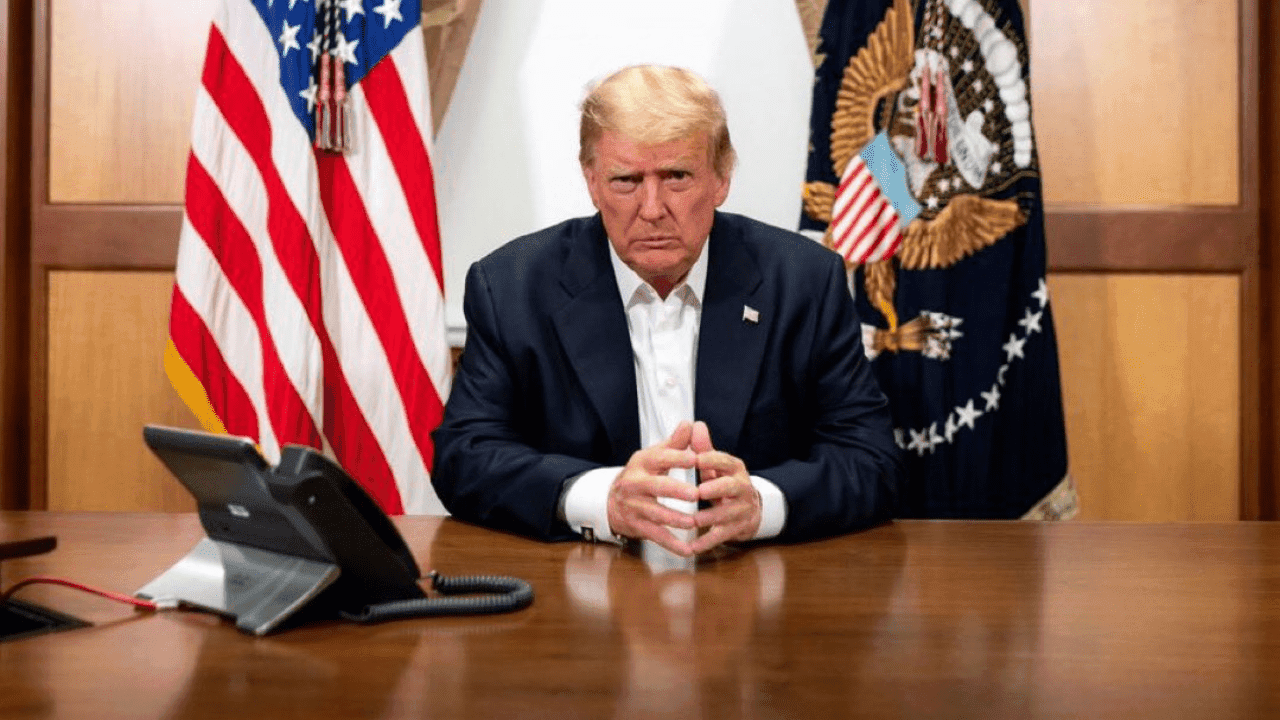
In a recent statement, President Donald Trump called on the Federal Reserve to cut interest rates, arguing that the rate cuts are necessary since, according to him, there is no inflation. His remarks add fuel to the ongoing discourse on the state of the U.S. economy. Trump has consistently criticized the Federal Reserve for not adjusting rates rapidly enough to accommodate economic growth.
Trump took to his Truth Social platform to highlight various economic indicators, claiming that oil and food prices are down, and the U.S. is generating significant revenue through tariffs imposed on other nations. He particularly pointed to China, labeling it as a major economic adversary, due to its recent tariff hikes, which he views as retaliatory and unjust.
Trump’s stance on the need for further rate cuts comes as economists and financial experts largely debate the real-time metrics of inflation in the current U.S. market. While some see inflation as a temporary response to global economic shifts, others raise concerns about its pervasive impact, especially on middle-class Americans.
This call by Trump aligns with his past rhetoric during his presidency, where he advocated for lowering rates as a means to stimulate economic growth and maintain competitiveness globally. Furthermore, his narrative also reflects his ongoing political strategy to reshape American economic policies in favor of what he deems ‘fair trade.’
Given the complex economic climate and contrasting views on inflation, Trump’s statements spark discussion among policymakers and economists regarding the appropriate path forward. The Federal Reserve, considering a plethora of economic signals, continues to evaluate its monetary policy, reflecting a broader challenge in balancing growth, consumer spending, and market stability.
For many observers, Trump’s commentary serves not only as a political statement but also as a reflection of the broader challenges facing U.S. economic policy. As the debate rages on, the impact of these economic discussions will heavily influence both markets and voters alike.